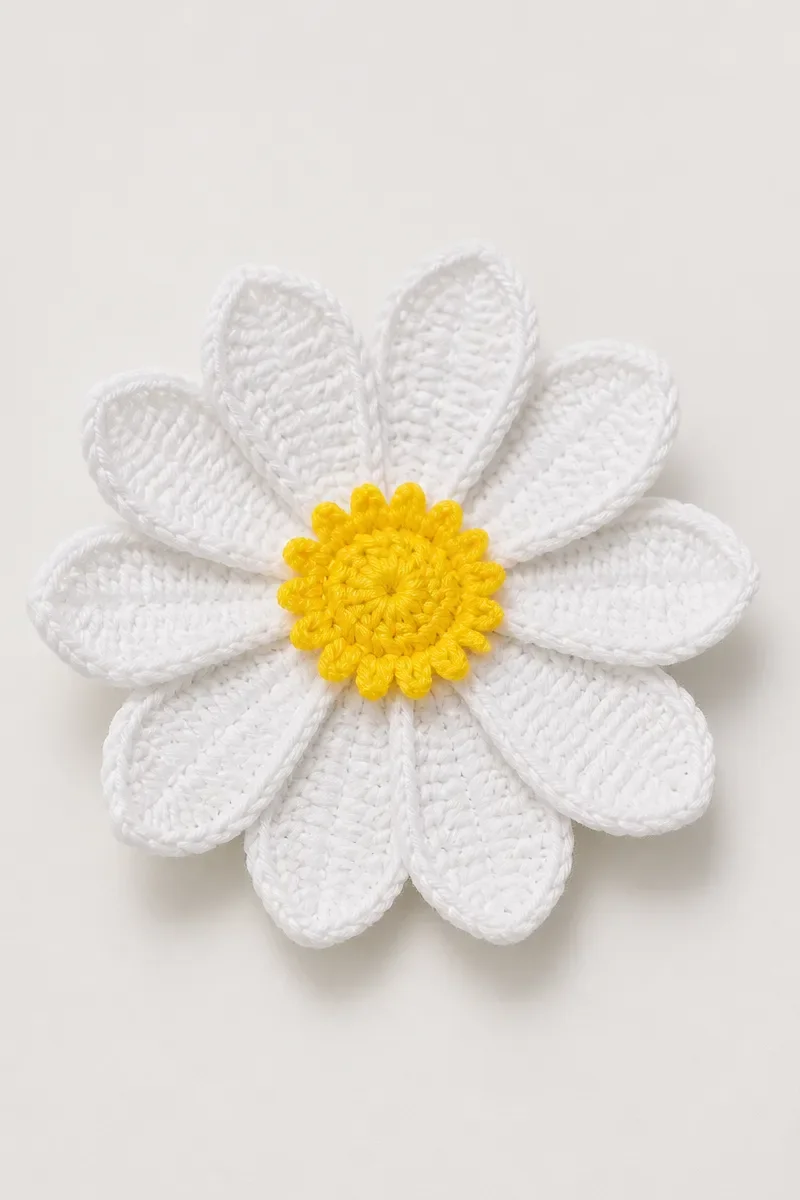
Snowy White Crochet Cosmos Flower

Affiliate disclosure: This post may contain affiliate links. I may earn a small commission at no extra cost to you. See our Privacy Policy for details HERE.
- What Is a Crochet Flower?
- Why This Is a Great Choice for a Crochet Flower
- Before You Start
- Yarn and Hook Recommendations
- Materials
- Snowy White Crochet Cosmos Flower Instructions
- Tips for Crochet Flower Success
- Common Mistakes to Avoid
- Ways to Make It Your Own
- Care and Washing Instructions
- Frequently Asked Questions
- More Ideas to Try
- Conclusion
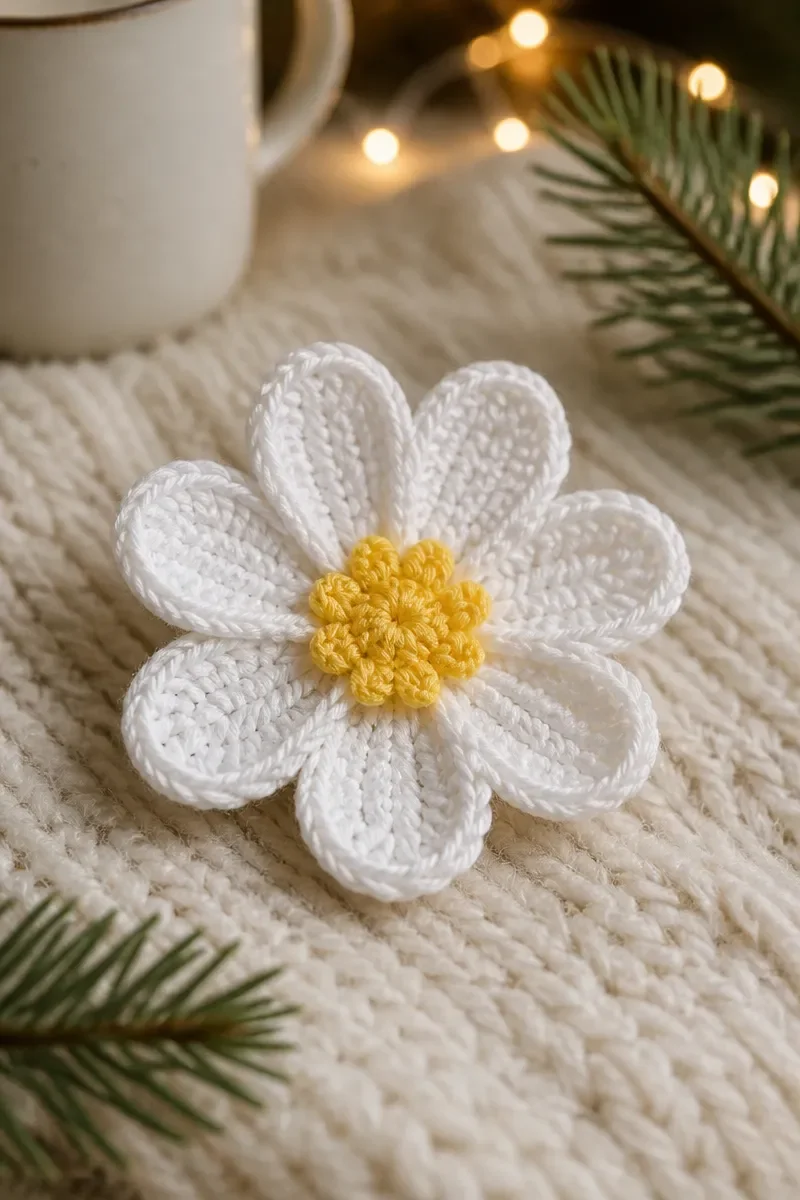
The Snowy White Crochet Cosmos Flower is a small crochet project for making a handmade floral accent. It offers a calm, focused activity and a chance to create something with a personal touch.
This project may appeal to anyone who enjoys making decorative pieces or thoughtful handmade gifts. The finished flower can be shared with a friend, used to add a personal detail to a gift, or kept as a small reminder of time spent crafting.
Working on the project encourages patience and care with each part of the process. It can also build confidence in following a crochet pattern and help you practice the satisfaction of completing a handmade gift.
What Is a Crochet Flower?
A crochet flower is a small decorative object made with yarn or thread. Its appearance can range from delicate and airy to dense and textured, depending on the materials and construction. Some are designed as standalone accents, while others become part of a larger handmade arrangement.
Flowers are used in many ways because they are easy to display and share. They can decorate a room, personalize a present, or become a keepsake for someone who appreciates handmade work. Their compact form makes them suitable for projects where a small decorative touch is welcome.
Crocheters enjoy this project type because it offers room for individual expression without requiring a large amount of material. A flower can be made as a single piece or alongside other handmade items. It also makes a satisfying practice project for people who like creating decorative objects at a relaxed pace.
Why This Is a Great Choice for a Crochet Flower
- A thoughtful handmade gift: A crochet flower can feel personal because it reflects the time and attention you put into making it. It is a considerate choice for someone who enjoys handmade keepsakes.
- A small creative project: This kind of project gives you a focused way to spend time with crochet. You can concentrate on careful work without needing to plan a large household item.
- A decorative accent: A handmade flower can bring a crafted touch to a space or a gift. Its small scale makes it easy to display where a little detail is welcome.
- A chance to practice: Working through a compact project can help you become more comfortable with reading crochet directions. Repeated attention to careful work can support growing confidence.
- Easy to personalize: Handmade flowers invite personal choices in presentation and gifting. The result can feel distinctive because you made it with a particular person or purpose in mind.
Before You Start
- Make a gauge swatch with your chosen yarn and hook. It helps you see how your fabric behaves and whether your usual tension produces a comfortable, flexible result.
- Read through everything before starting. Knowing the full sequence helps you prepare mentally, notice any unfamiliar terms, and avoid pausing at a point where you need clarification.
- Keep a notebook or tally sheet handy. Record useful observations as you work, such as changes in tension or details you want to remember when making another piece.
- Organize and wind your yarn before you begin. A tidy working area reduces tangles and lets you focus on the craft rather than stopping to sort loose strands.
Yarn and Hook Recommendations
- Choose a fiber that feels comfortable in your hands and suits how you plan to use the finished piece. Natural and synthetic fibers can behave differently, so consider softness and care needs.
- Match the yarn weight to the kind of fabric you want. Consistent weight helps you keep a steady feel throughout the work and makes the finished fabric easier to handle.
- Smooth yarn makes individual strands easier to see. This can help you identify where to place your hook and notice irregularities without struggling through fuzzy fibers.
- Clear color contrast can improve visibility while working. A shade that stands apart from your surroundings may help you see the loops and keep your hands relaxed.
- Use a hook that works well with your yarn and personal tension. The recommended size on a yarn label is a useful starting point, but your fabric can guide adjustments.
- Keep your hook choice consistent within a piece. Switching tools can change the look and feel of the fabric, so test a new combination before committing to it.
Materials
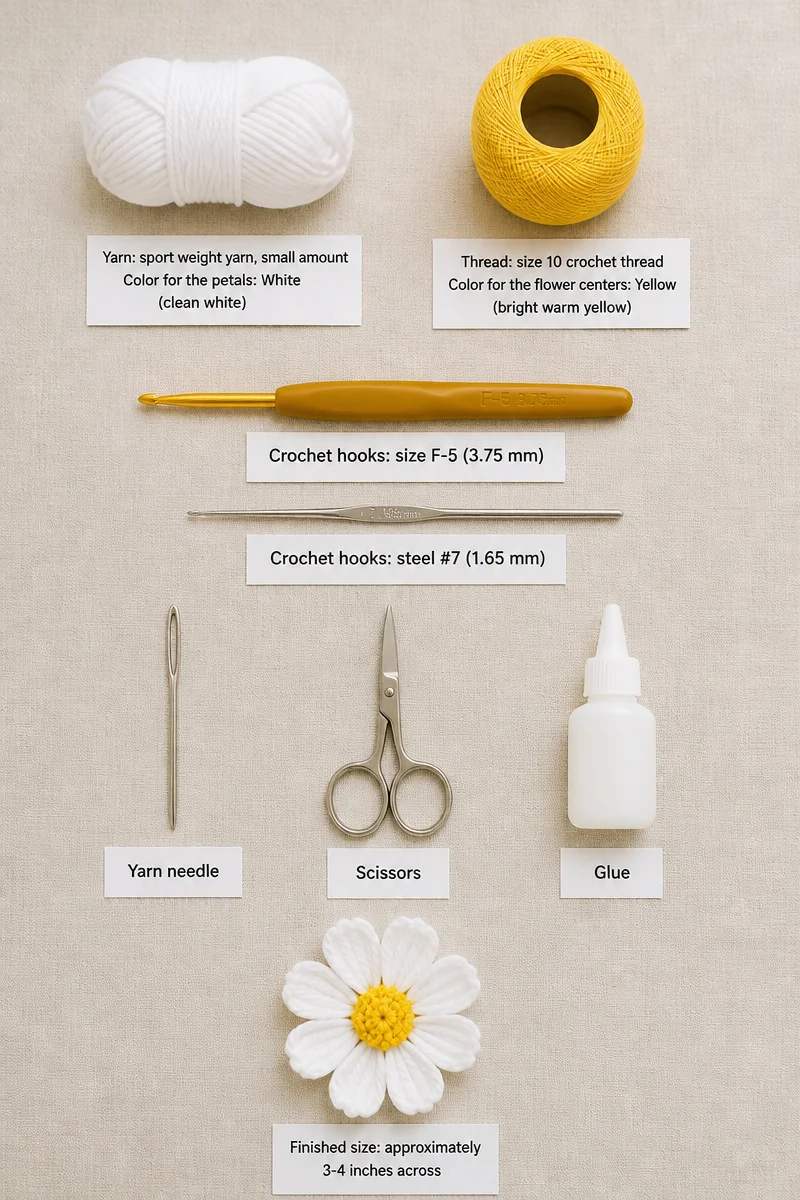
- Yarn: sport weight yarn, small amount
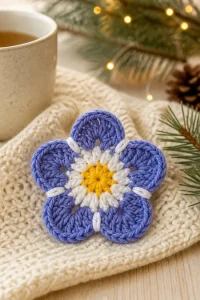
- Color for the petals: White (clean white)
- Thread: size 10 crochet thread
- Color for the flower centers: Yellow (bright warm yellow)
- Crochet hooks: size F-5 (3.75 mm) and steel #7 (1.65 mm)
- Yarn needle
- Scissors
- Glue
- Finished size: approximately 3-4 inches across
Snowy White Crochet Cosmos Flower Instructions
Color key: White = clean white; Yellow = bright warm yellow.
Abbreviations: ch = chain; hdc = half double crochet; lps = loops; rnd = round; sc = single crochet; sl st = slip stitch; st(s) = stitch(es); yo = yarn over.
Special stitch: Hdc dec (half double crochet decrease) = keeping the last loop of each st on the hook, hdc in the next 2 sts, yo and pull through 3 loops on the hook.
Flower
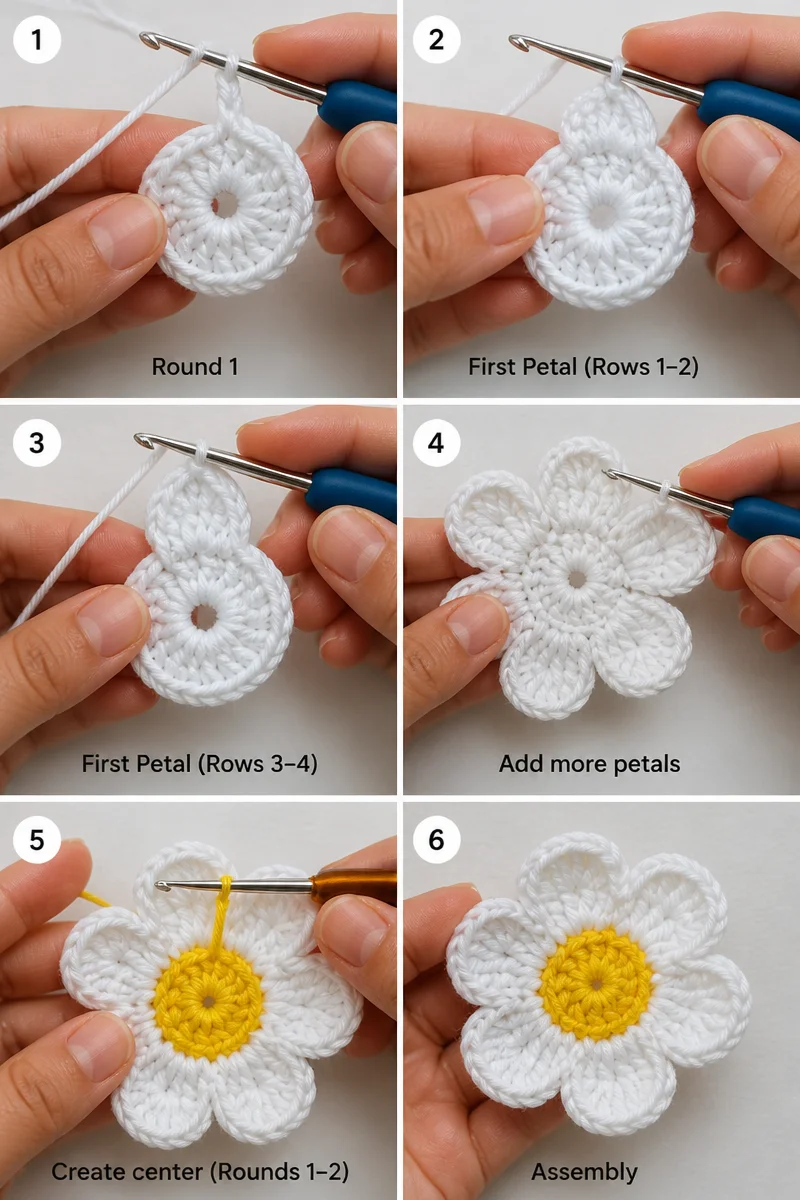
- Round 1: Right side facing. Starting at the center, using White and the larger hook, ch 3, join with a sl st to the first ch to form a ring. Ch 1, 12 hdc in the ring, join with a sl st to the first hdc. (12 hdc) Do not finish off.
First Petal
-
Row 1: Ch 1, turn, working in front loops only, hdc in the next 2 hdc. (2 hdc) Leave the remaining sts unworked.
-
Row 2: Ch 1, turn, working in both loops, hdc in each hdc across.
-
Row 3: Ch 1, turn, hdc dec. (1 hdc)
-
Row 4: Ch 1, turn, sc in the hdc. (1 sc) Finish off and weave in the ends.
Next Petal
-
Row 1: With the wrong side facing and working in front loops only, join White with a sl st to the next free st on Round 1, ch 1, hdc in the same st as the joining, hdc in the next hdc. (2 hdc) Leave the remaining sts unworked.
-
Rows 2-4: Repeat Rows 2-4 of the First Petal.
-
Petals: Repeat the Next Petal around until 6 petals are done. With the right side facing and working in the front loops of Round 1, repeat the Next Petal until 6 petals have been worked in the front loops. Finish off and weave in the ends.
Flower Centers
-
Round 1: Right side facing. Starting at the center, using Yellow thread and the smaller hook, ch 3, join with a sl st to the first ch to form a ring. Ch 1, 12 hdc in the ring, join with a sl st to the first hdc. (12 hdc)
-
Round 2: Turn, (ch 4, sl st in the next hdc) around. (12 lps) Finish off and weave in the ends.
Assembly
Glue a flower center to each flower. Allow to dry.
Tips for Crochet Flower Success
Comfortable Lighting
Choose a well-lit place where your hands and yarn are easy to see. A lamp positioned to reduce shadows can make close work more comfortable and help you avoid leaning forward for long stretches.
Keep your shoulders loose and your wrists in a neutral position. If you notice stiffness, set the work down and gently change position before continuing.
Even Tension
Let the yarn move smoothly through your fingers rather than gripping it tightly. A relaxed hold helps create a fabric with a more consistent appearance and makes longer crafting sessions more comfortable.
If your work begins to feel rigid, pause and loosen your grip before continuing. The goal is a steady working rhythm, not forceful control over every strand.
Track Your Place
Use a notebook or tally sheet to mark where you are when you pause. A brief note about your current position can make it easier to return without repeatedly searching through completed work.
Keep the record clear and specific to your progress. Writing down a count or a short reminder is more dependable than expecting yourself to remember where you stopped.
Check as You Go
Take a moment to look over your work at natural stopping points. A brief visual review can reveal loose loops, uneven tension, or a missed placement while the area is still easy to reach.
Compare the fabric across its length and note whether it feels consistent. Small corrections made early can prevent an uneven area from becoming more noticeable later.
Common Mistakes to Avoid
Skipping the Swatch
It is tempting to begin with the main project, especially when you are eager to see the result. Without a swatch, though, you may not notice that your yarn and hook combination creates fabric that is much firmer or looser than you prefer.
Make a small practice sample and handle it before continuing. This gives you a chance to assess the fabric and adjust your approach before spending time on the larger piece.
Pulling Too Tightly
Tight tension can happen when you are concentrating hard or holding the yarn with too much force. It may make it difficult to insert the hook and can leave the fabric stiff or uneven.
Let the hook move freely through the loops. If your hands begin to tire, pause and reset your grip rather than trying to push through with more force.
Miscounting
A count can drift when you work while distracted or lose track after setting the project down. This may lead to uneven sections or make it harder to understand where a discrepancy began.
Count at clear stopping points and keep a simple tally on paper. If a count seems wrong, check the most recent area carefully instead of continuing and hoping the difference will disappear.
Leaving Ends Too Short
Short yarn tails can slip out of woven-in areas or become difficult to secure neatly. This often happens when someone trims a strand before allowing enough length for careful finishing.
Leave a generous tail when you end a section. A longer strand is easier to manage with a yarn needle, and you can trim the excess after securing it.
Changing Yarn or Hook Midway
A different yarn or hook can alter the way your fabric looks and feels. Even when the change seems minor, it may create a noticeable contrast between the earlier and later work.
Try to keep the materials consistent throughout one project. If you must replace something, compare the new material with the original before proceeding and expect that the fabric may behave differently.
Ways to Make It Your Own
- Choose a different color palette that suits the recipient or the place where you plan to display the handmade piece. A coordinated set of shades can give it a personal mood.
- Select a different yarn with the same weight if you prefer another fiber or texture. Check that it feels comfortable to handle and produces fabric you enjoy.
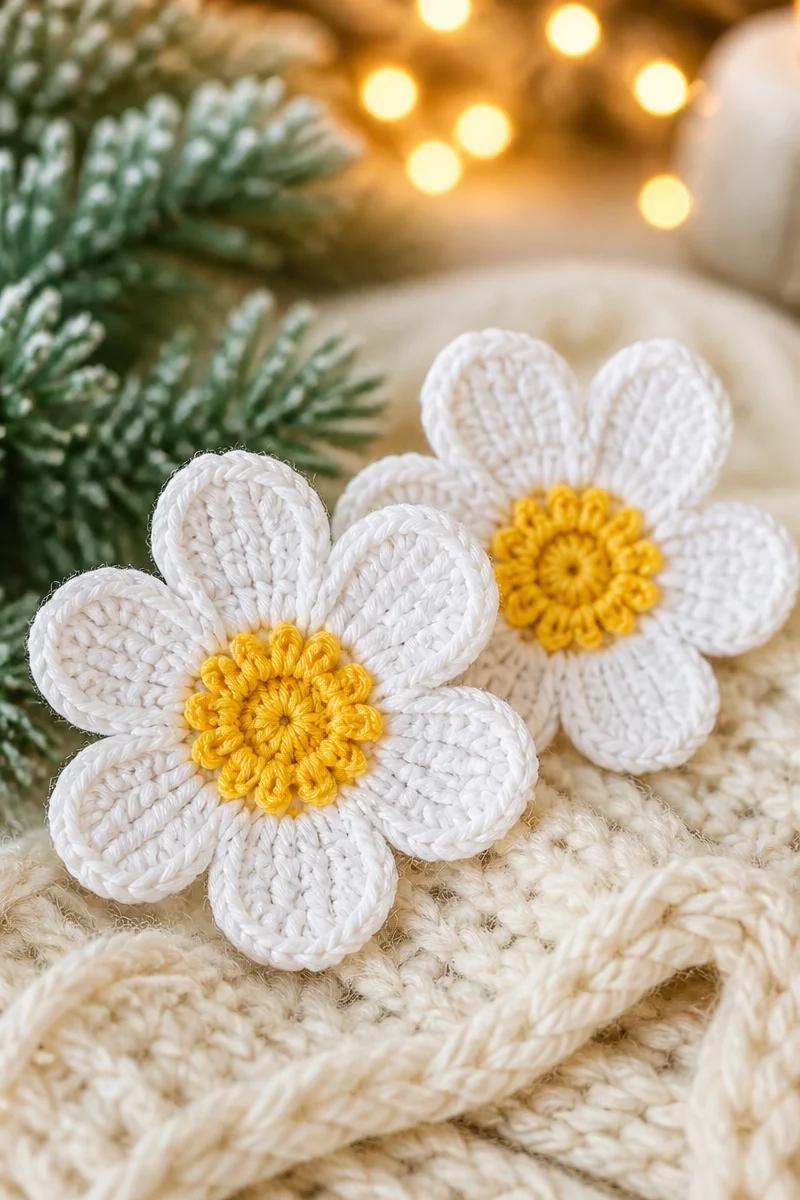
- Make a matching second project to create a small set. Coordinating handmade pieces can make a thoughtful present for someone who likes decorative details.
- Give the finished piece with a handwritten note. A few sincere words explain why you chose to make it and add a personal touch to the gift.
- Present it in a small gift box or reusable wrapping. Thoughtful packaging can make a handmade present feel complete while keeping the focus on the care behind it.
Care and Washing Instructions
Washing: Follow the yarn label for suitable washing methods, water temperature, and detergent guidance. When the label recommends gentle care, handle the piece with care and avoid rough rubbing that could distort the fabric.
Drying: Remove excess water without twisting or wringing the crochet. Lay it on a clean, dry surface and shape it gently while it dries, keeping it away from direct heat.
Blocking: Gentle blocking can help a flat crocheted fabric settle into a more even appearance. Use a light touch and avoid stretching the fabric beyond its natural shape.
Frequently Asked Questions
Can I use a different yarn?
You can use another yarn if it has a similar weight and produces fabric you like.
A different fiber may feel softer, firmer, or more textured during handling.
Make a small sample first so you can assess the fabric before continuing.
How can I keep my work even?
Hold the yarn comfortably and let it feed through your fingers without a tight grip.
Try to use the same working rhythm throughout each section.
A relaxed hand often makes it easier to notice changes in tension.
What is a reliable way to count?
Pause at natural stopping points and count the completed work carefully.
Write your place on a tally sheet whenever you set the project aside.
This record can help you return without relying on memory alone.
What if the result looks different than expected?
Small variations can happen because each person handles yarn and tools differently.
Compare the fabric’s overall appearance and feel rather than judging one small area.
If you are unhappy with the result, pause and consider what you would change next time.
How long should yarn tails be?
Leave enough yarn to handle the end comfortably with a yarn needle.
A longer tail is generally easier to weave in than one cut too close.
Trim excess only after the strand feels secure in the finished fabric.
More Ideas to Try
If you enjoy making decorative crochet projects, consider trying a small leaf, a simple heart, a miniature wreath, or a tiny hanging ornament. These related project types offer different ways to explore shape and texture while keeping your crafting focused. They can also become thoughtful gifts, seasonal accents, or coordinated additions to a handmade collection.
Conclusion
Set aside a comfortable place to work and enjoy making the Snowy White Crochet Cosmos Flower at your own pace. Each handmade project offers a chance to practice care and create something meaningful for yourself or someone you appreciate. When you are ready for another idea, explore the blog for more crochet projects to make and share.