Crochet Blue Jay Baby Hat Beanie

Affiliate disclosure: This post may contain affiliate links. I may earn a small commission at no extra cost to you. See our Privacy Policy for details HERE.
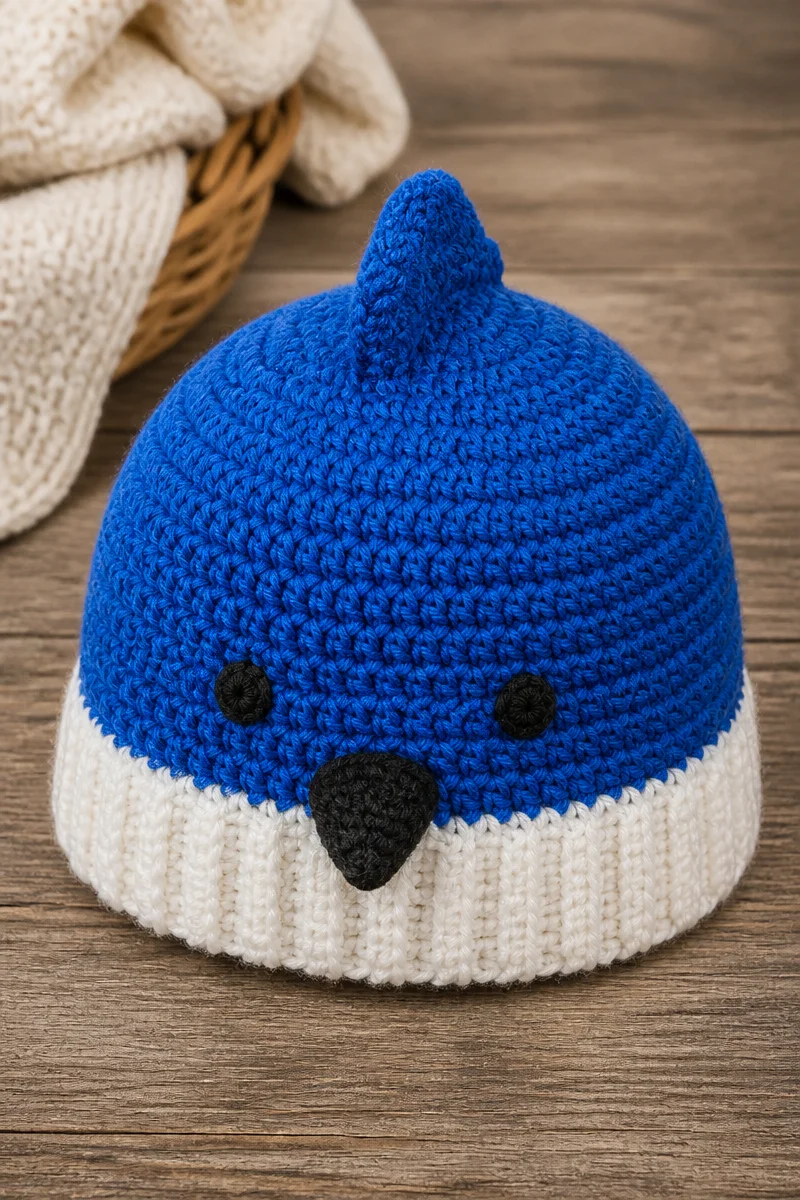
A crochet Blue Jay baby hat beanie is a sweet way to celebrate this bright, familiar bird. I love how a simple baby hat can become a keepsake with just a few blue, white, and black details. It makes a thoughtful handmade gift, too, especially for a little one whose family enjoys birds or nature.
This project is a crocheted baby beanie with Blue Jay-inspired colorwork and optional appliqué details. The hat usually starts at the crown and grows into a soft, rounded shape, while a snug band helps it stay in place. The basic beanie can suit a newer crocheter, though adding bird colors, stripes, or a small beak takes extra care.
In this guide, you’ll learn what makes a crochet Blue Jay baby hat special, how to choose yarn and a hook, and how to plan the color and bird details. You’ll also find practical tips for fit and finishing, plus common mistakes to avoid. This is an informational guide, not a fixed pattern, so you can adapt the design to your preferred method and the baby’s size.
What Is the Crochet Blue Jay Baby Hat Beanie Technique?
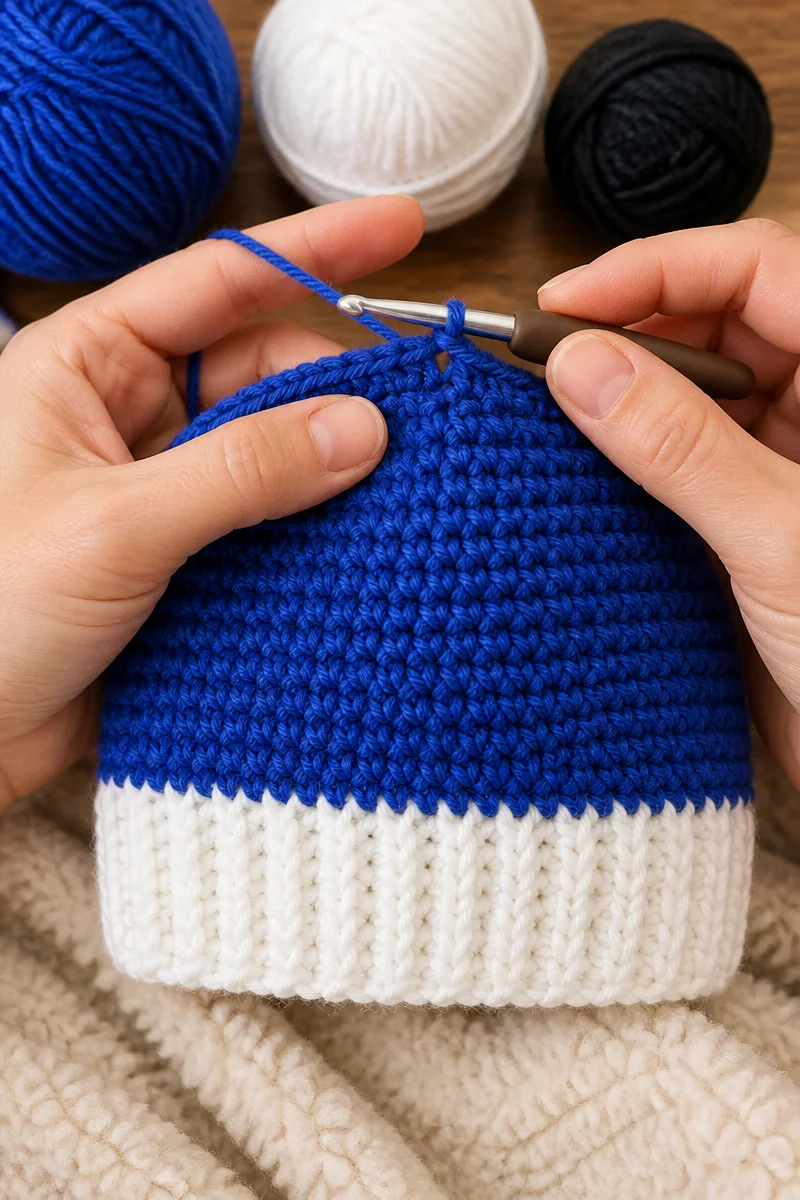
A crochet Blue Jay baby hat beanie is a small, rounded hat made with basic crochet stitches and bird-inspired details. Most beanies use single crochet, half double crochet, or double crochet. The stitches form a fabric that grows from the crown down toward the brim.
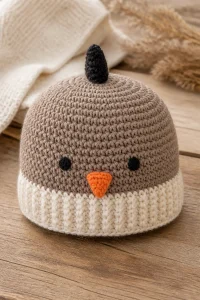
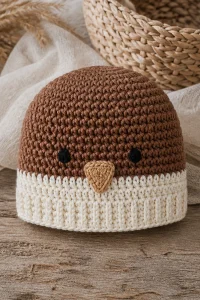
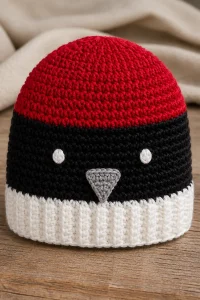
To create the Blue Jay look, crocheters often work with blue, white, and black yarn. You can change colors in stripes or use a colorwork method to add patches. Alternatively, you can crochet a plain blue hat and attach a small bird appliqué. A simple beak, eye, or crest can make the design recognizable without making the hat feel too busy.
The hat’s texture depends on the stitch and yarn. Single crochet creates a firm fabric, while half double crochet gives a soft balance of coverage and flexibility. Because this is a baby item, choose a comfortable, washable yarn and avoid small parts that could come loose.
Why This Is a Great Choice for Baby Hats
- It makes a personal gift. The Blue Jay theme adds a thoughtful touch to a practical baby beanie.
- It offers room to customize. You can use stripes, color blocks, or a small appliqué to suit your skill level.
- It works up in a manageable size. Baby hats use less yarn than many larger projects, so they are a nice way to practice.
- It can feel soft and cozy. With a gentle yarn and a comfortable fit, the hat can help keep a baby warm.
- It suits several skill levels. A plain beanie is a good starting point, while color changes and bird details offer a challenge for more experienced crocheters.
Yarn and Hook Recommendations
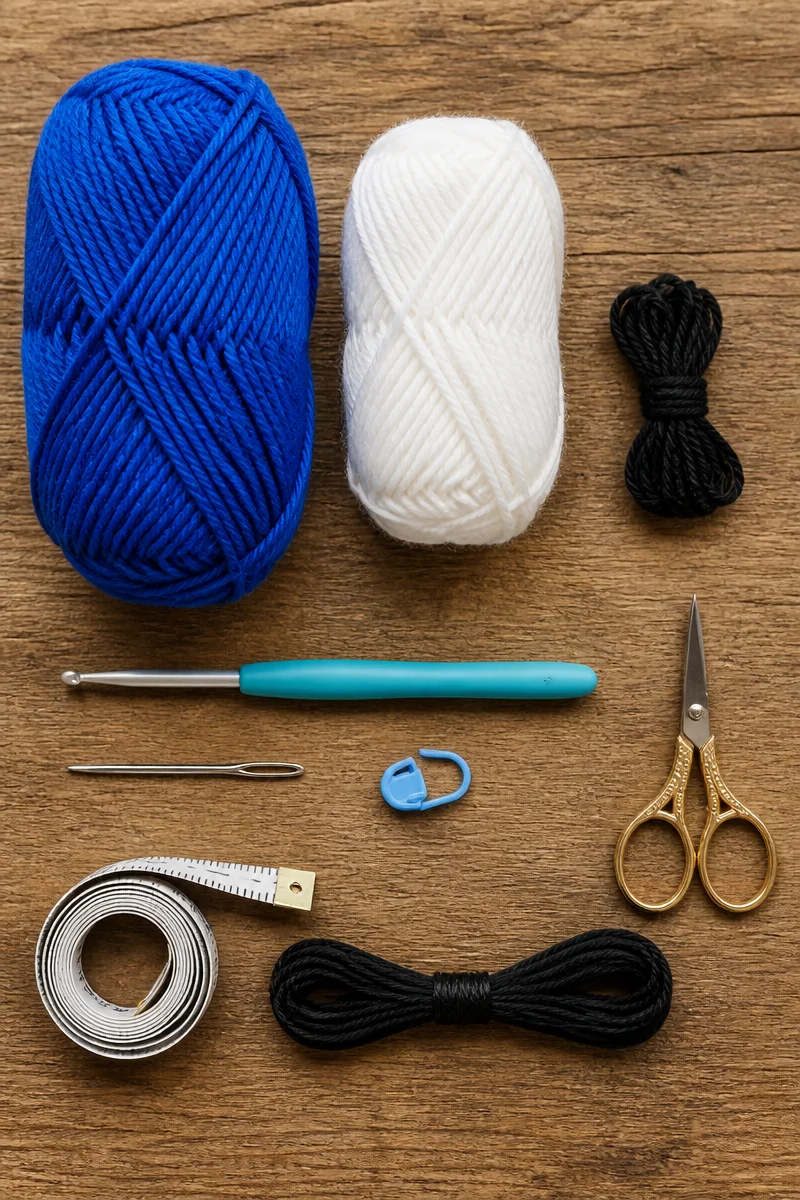
- Choose a smooth, soft yarn. Baby-friendly acrylic or a washable acrylic blend is often easy to care for and gentle against the skin.
- Consider lightweight or medium-weight yarn. A lighter yarn can make a fine, flexible hat, while a medium-weight yarn creates a warmer beanie. Check the yarn label and use a hook that gives a comfortable fabric.
- Try cotton only when the texture suits the season. Cotton is breathable, but it may feel less stretchy than acrylic. A cotton blend can offer a softer feel and easier wear.
- Use blue, white, and black for the bird theme. A small amount of yellow or gray can add a beak or feather detail, though the design can stay simple with just three colors.
- Select a hook based on your gauge. A smaller hook makes a denser fabric, while a larger hook creates more drape. Make a small swatch first, then adjust if the stitches feel stiff or too open.
- Keep details secure and smooth. If you add an appliqué or embroidered features, use matching yarn and secure the ends well. Avoid loose pieces, buttons, or other parts that could pose a safety risk.
Tips for Crochet Blue Jay Baby Hat Beanie Success
First, check your tension before you begin the full hat. A swatch helps you see whether the fabric feels soft and flexible, and it can show if your hook needs changing. Also, follow the sizing guidance in your chosen pattern rather than relying on age alone, since babies’ head sizes vary.
Next, mark the start of each round if you work in a spiral. Count stitches at regular points, especially after increases, so the crown stays even. When you add color, keep the yarn relaxed at the back to prevent puckering. Finally, attach or embroider the bird details securely, and keep the inside of the hat smooth against the baby’s head.
Common Mistakes to Avoid
A common problem is choosing a hook before checking the fabric. If the stitches feel stiff, the hat may not stretch comfortably. If they look too loose, the fabric may have gaps. Instead, test your yarn and hook together before you commit to the full beanie.
It is also easy to lose track of increases around the crown. When that happens, the top may look lopsided or develop a point. Use a stitch marker and count each round, so you can spot a mistake early.
Color changes can pull the hat out of shape if you carry the unused yarn too tightly. Keep carried strands loose enough for the fabric to stretch. If you prefer a simpler finish, add small details after making the hat rather than working several colors into every round.
Finally, do not guess at the fit or add small decorations without considering safety. Measure the intended head size when possible, and use secure embroidery or firmly attached crochet details. A comfortable, well-fitting hat is more useful than one with extra features that may come loose.
Care and Washing Instructions
Washing: Follow the yarn label first. Many acrylic yarns can be washed on a gentle cycle with cool water, while other fibers may need hand washing. Use mild detergent and avoid rough handling, especially around colorwork and appliqués.
Drying: Press excess water out with a clean towel, but do not wring the hat. Then reshape it and lay it flat to dry. This helps the beanie keep its rounded shape.
Blocking: A baby beanie usually needs little or no blocking. If the brim or crown looks uneven, gently shape the hat while it is damp and let it dry flat. Avoid stretching it beyond the intended size.
More Ideas to Try
After your crochet Blue Jay baby hat, you might enjoy making a simple striped beanie, a small bird appliqué for a blanket, or a matching baby bootie set in blue and white. You could also try a textured stitch for a warm winter hat or practice clean color changes on a small swatch before adding them to another project.
Conclusion
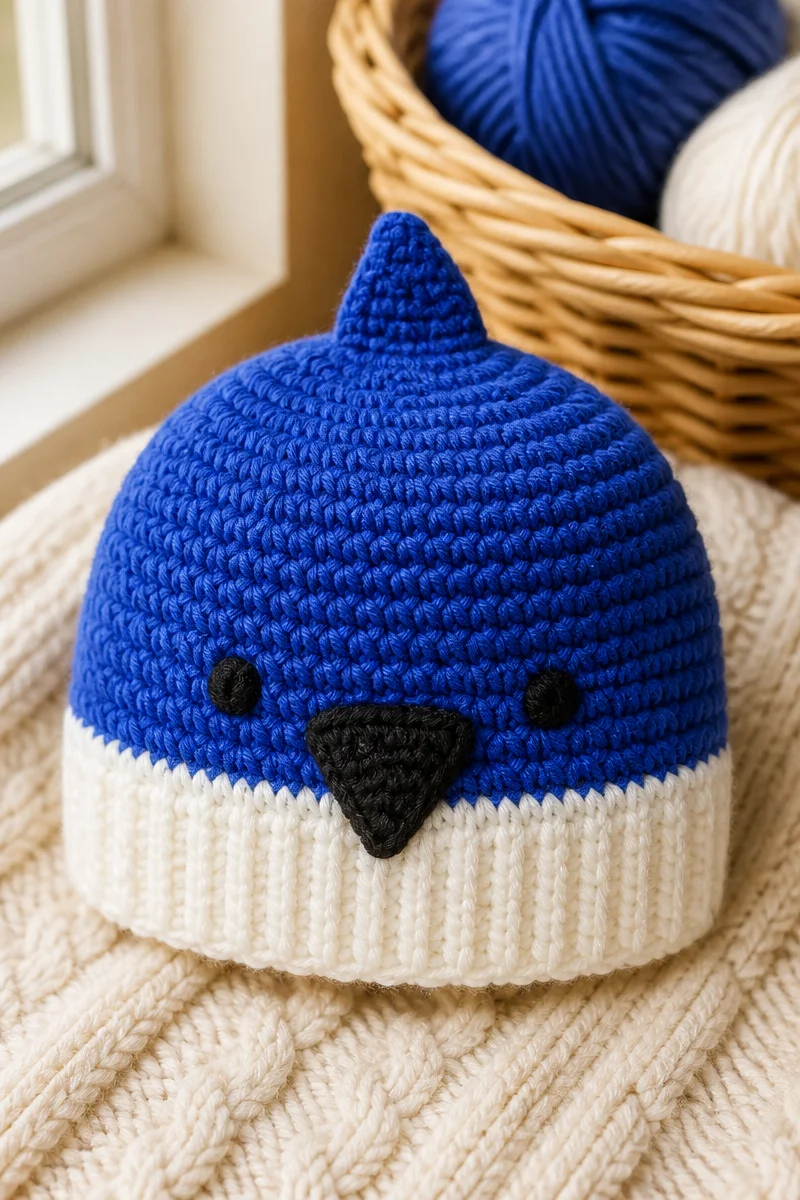
A crochet Blue Jay baby hat beanie combines a useful, cozy shape with cheerful bird-inspired color. Choose soft, washable yarn, check your tension, and keep the fit and details comfortable and secure. Most of all, enjoy making the design your own. Try a simple version or add a few careful color details, then share your finished hat or explore another crochet guide on the blog.