Crochet Little Deer Baby Soft Toy

Affiliate disclosure: This post may contain affiliate links. I may earn a small commission at no extra cost to you. See our Privacy Policy for details HERE.
A crochet little deer baby soft toy makes a sweet handmade gift for a new baby or a young child. I love how a simple crocheted shape can become a gentle little woodland friend with a soft muzzle, tiny ears, and friendly features. It can also be made in colors that match a nursery or a child’s favorite things.
This project is a small stuffed toy, often called an amigurumi deer. It usually uses tight crochet stitches to create firm fabric that holds its shape and keeps the stuffing inside. The shaping takes some care, but the basic stitches are approachable for many crocheters, especially when they work slowly and check their stitch counts.
In this guide, you’ll learn which stitch forms the toy’s fabric, why it works well for a deer, and how to choose yarn and a hook. You’ll also find practical tips for shaping, safety, care, and common mistakes to avoid as you make your crochet little deer baby soft toy.
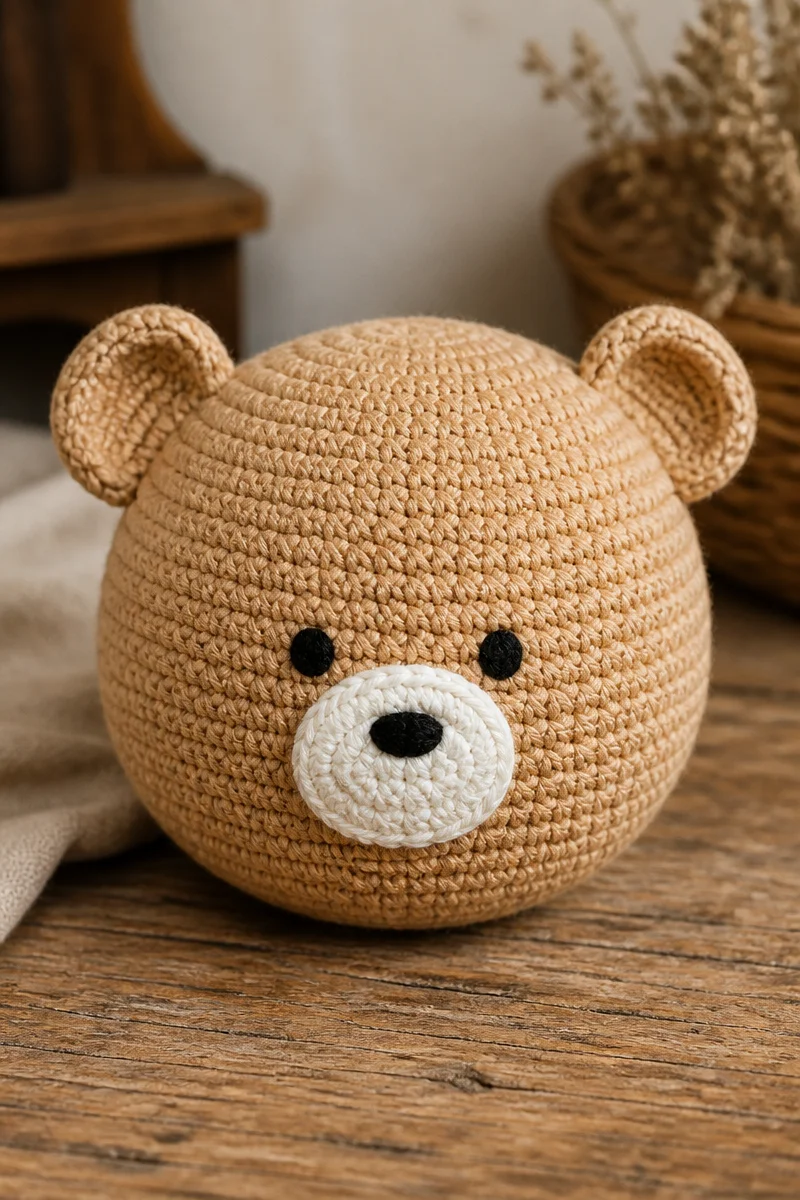
What Is the Amigurumi Single Crochet Stitch?
The main stitch used for a crochet little deer baby soft toy is the single crochet stitch, worked in continuous rounds. In amigurumi, crocheters often make each single crochet through both top loops, then use increases and decreases to shape the toy.
Single crochet creates a close, sturdy fabric with small, even stitches. As a result, it helps the deer hold its form and reduces gaps where stuffing might show. Crocheters like this stitch because it is simple, dependable, and well suited to small rounded shapes, such as a head, body, ears, and muzzle.
Why This Is a Great Choice for Baby Toys
- The fabric is firm: Tight single crochet helps keep stuffing inside the deer.
- The shapes are easy to customize: Increases and decreases can form a round head, tapered legs, and small ears.
- The finished toy feels soft: Smooth yarn makes a cuddly toy when paired with a gentle, washable fiber.
- The project is portable: Most deer pieces are small, so you can work on them a little at a time.
- The design suits many skill levels: Beginners can practice basic stitches, while experienced crocheters can add color changes and details.
Yarn and Hook Recommendations
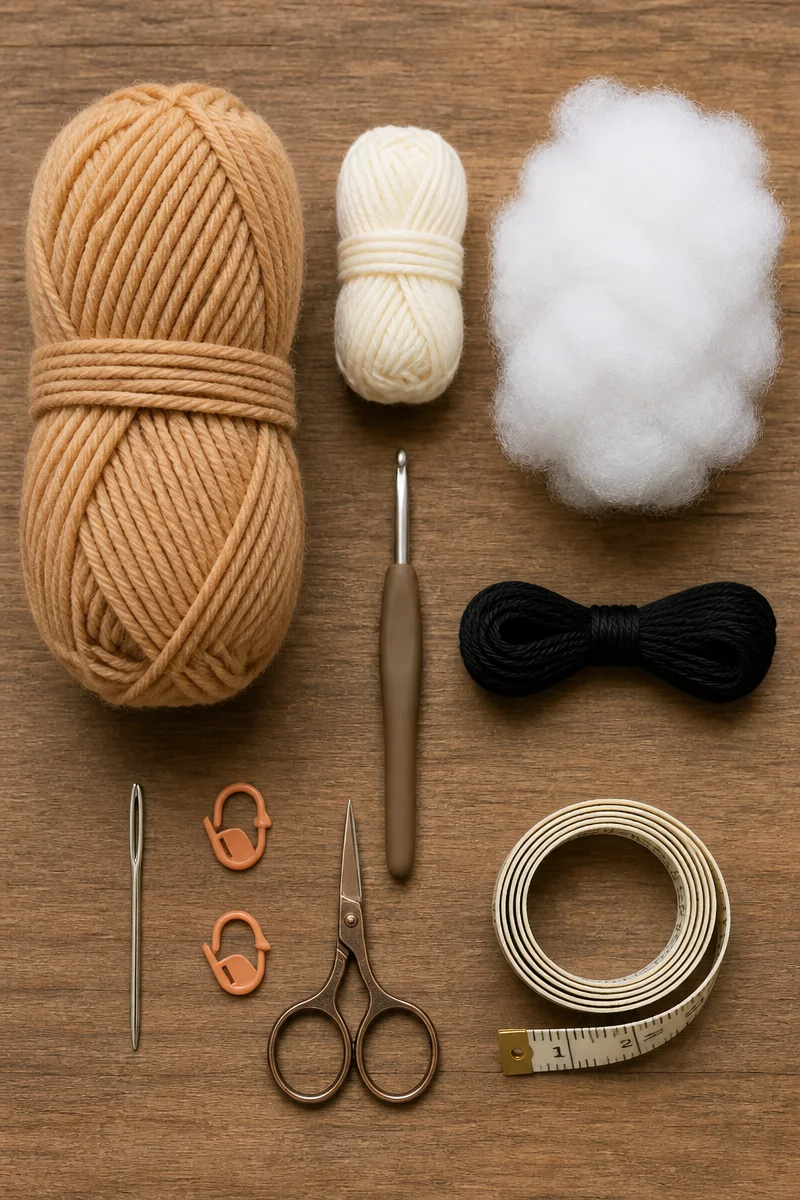
- Choose a smooth worsted-weight yarn: It is easy to see and handle, which helps when counting small stitches.
- Try a lighter DK-weight yarn: It can make a smaller deer with fine details, though the stitches may take more care.
- Pick an easy-care fiber: Acrylic or a washable cotton blend is often practical for a toy that may need frequent cleaning.
- Use a hook smaller than the yarn label suggests: A smaller hook usually creates tighter fabric and helps prevent stuffing from showing. Check your tension as you work.
- Match the hook to your yarn and hands: A hook around 2.5 to 3.5 mm may suit some DK yarns, while worsted yarn may need a larger hook. The best choice is the one that gives you dense, even stitches.
- Choose colors with clear contrast: For example, a warm brown body and a cream muzzle help the deer’s features stand out.
Tips for Amigurumi Single Crochet Success
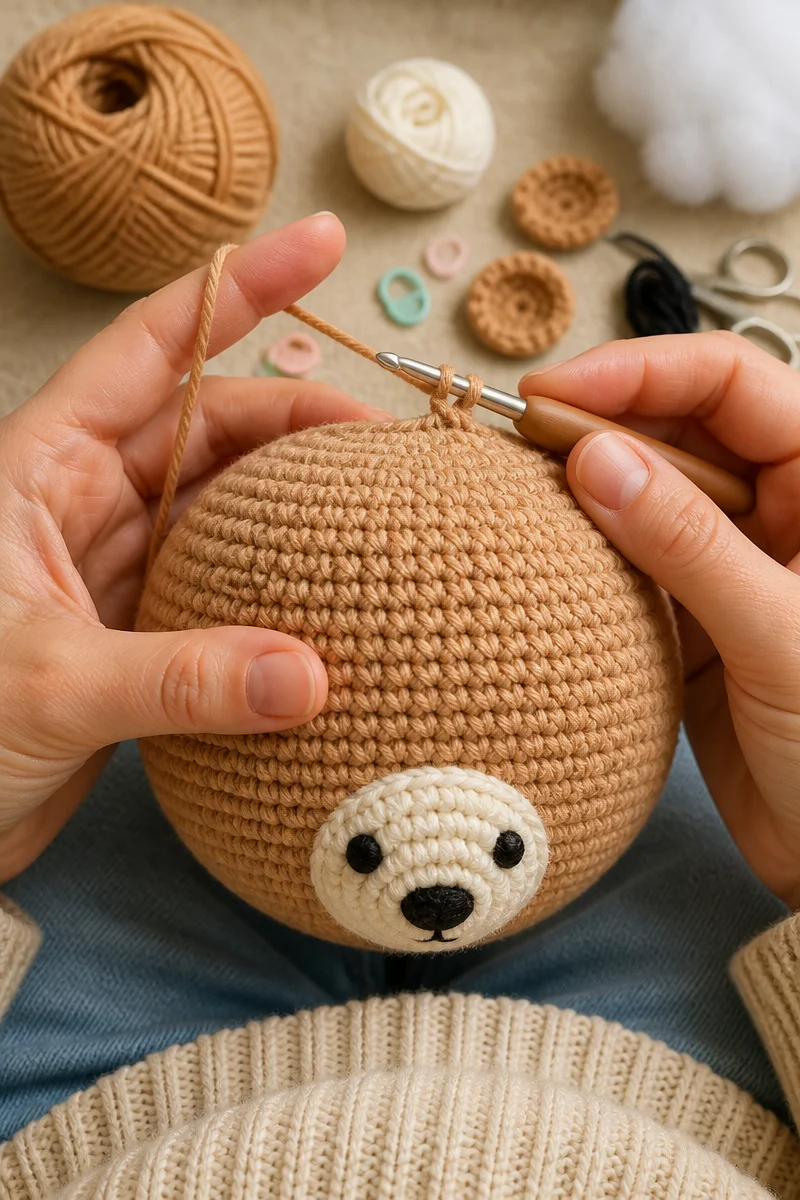
First, use a stitch marker to mark the start of each round. Since the rounds usually continue without joining, it is easy to lose your place. Count your stitches often, especially after increases and decreases. Then check the shape as you go so you can catch mistakes before the piece becomes difficult to fix.
Keep your tension even, but do not pull so tightly that your hands become uncomfortable. Add stuffing in small amounts as you shape the head and body, and spread it gently to avoid lumps. For a baby toy, choose securely attached, age-appropriate features. Embroidered eyes are often a safer option than small plastic parts, which can pose a choking risk if they come loose. Always follow current toy-safety guidance and supervise young children.
Common Mistakes to Avoid
Loose stitches can leave visible gaps, especially where the toy curves around the head or body. If stuffing shows through, try a smaller hook or adjust your tension. However, avoid crocheting so tightly that the fabric becomes stiff or painful to work.
It is also easy to miscount in continuous rounds. A missed increase or decrease can change the shape of the deer and make later rounds harder to follow. Use a marker, count each round, and compare your stitch count with the pattern before moving on.
Uneven stuffing can make the toy lumpy or cause the head to lean. Add small tufts at a time, then shape them with your fingers before closing the piece. Also, do not overfill it, since too much stuffing can stretch the stitches and distort the shape.
Finally, the wrong yarn or hook can make details harder to manage. Fuzzy yarn may hide stitches, while a hook that is too large can leave gaps. For your first crochet little deer baby soft toy, a smooth, light-colored yarn can make it easier to see each stitch.
Care and Washing Instructions
Washing: Check the yarn label first. Many acrylic yarns can go in a gentle machine wash, while some cotton blends may need a gentler cycle or hand washing. If the toy has embroidered details, wash it carefully in a mesh bag when machine washing is suitable.
Drying: Press out extra water with a clean towel, but do not wring the toy. Then reshape it and let it dry flat. Keep it away from high heat, which may damage some fibers or change the toy’s shape.
Blocking: A stuffed amigurumi deer usually does not need traditional blocking. Instead, shape the pieces by hand before and after stuffing. You can lightly smooth flat parts, such as ears, while they dry if needed.
More Ideas to Try
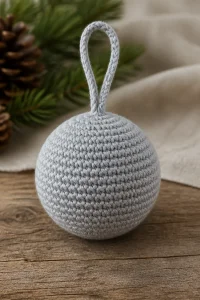
Once you finish your deer, you could make a matching crochet bunny, woodland fox, or tiny bear using the same single crochet technique. You might also try a striped scarf, add embroidered spots, or explore a simple crochet ball to practice shaping before making another stuffed toy.
Conclusion
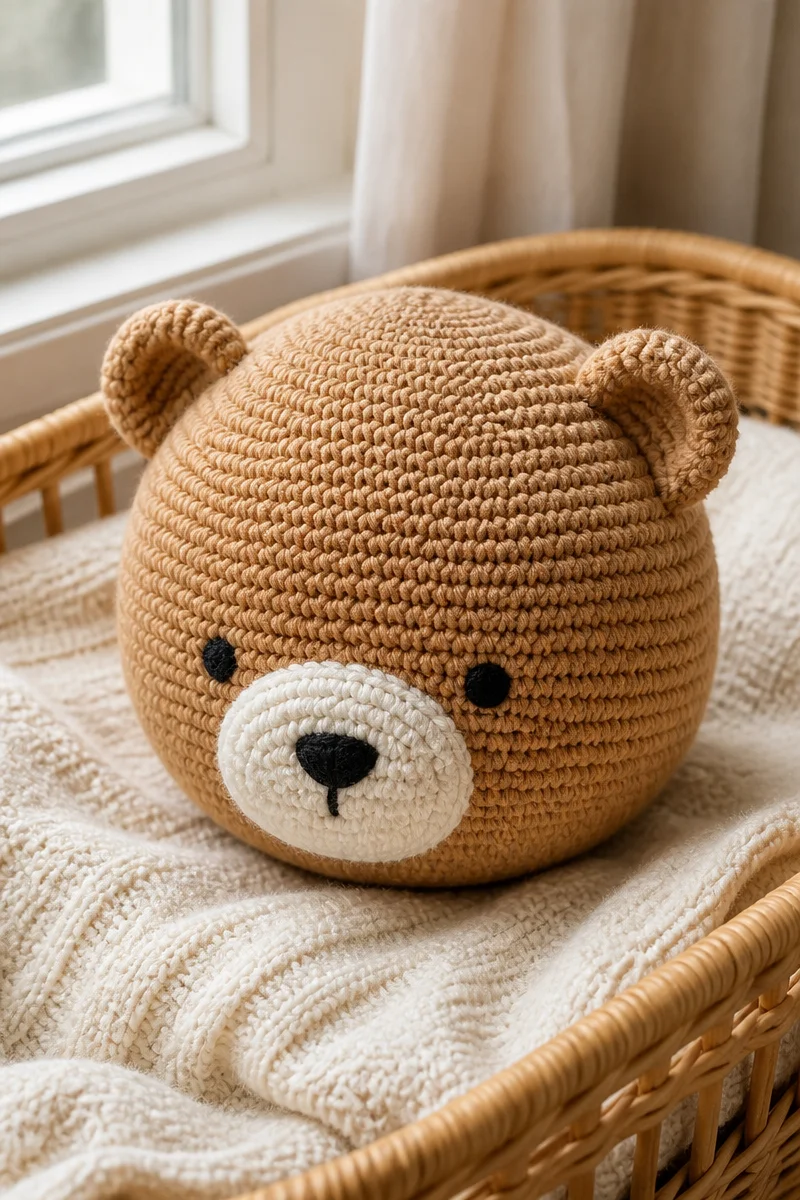
A crochet little deer baby soft toy combines simple single crochet with gentle shaping to create a soft woodland friend. Smooth yarn, a well-matched hook, steady stitch counting, and careful stuffing can all help your project turn out neatly. Most of all, take your time and enjoy watching the little deer come together. Try your own color choices, share your finished toy with fellow crocheters, or explore more amigurumi guides on the blog.