Crochet Oat Cream Baby Arm Warmer

Affiliate disclosure: This post may contain affiliate links. I may earn a small commission at no extra cost to you. See our Privacy Policy for details HERE.
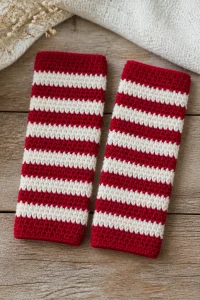
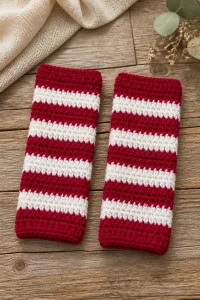
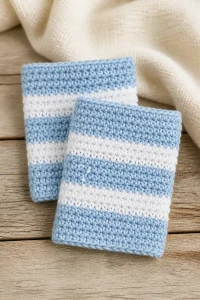
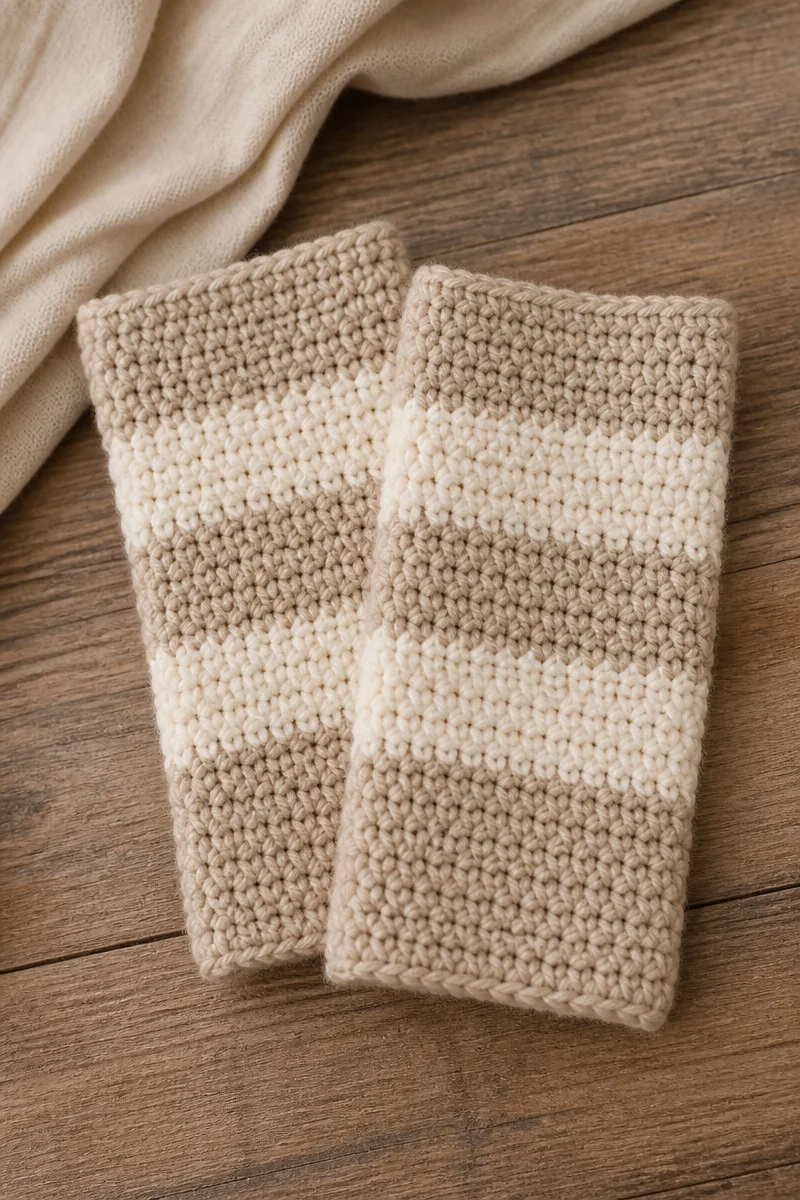
A Crochet Oat Cream Baby Arm Warmer is a sweet way to add a soft layer to a little one’s outfit. I love this kind of project because it is small, useful, and easy to personalize with a gentle color and a simple texture.
The arm warmer is a short, tube-shaped accessory that covers a baby’s wrist and forearm while leaving the fingers free. Its oat-cream shade gives it a calm, classic look, and a stretchy ribbed stitch can help it fit comfortably. The project is approachable for many crocheters, especially those who already know basic stitches.
In this guide, you’ll learn how crochet ribbing works, why it suits baby arm warmers, and how to choose yarn and a hook. You’ll also find practical tips for comfortable sizing, plus care advice and common mistakes to watch for.
What Is the Crochet Ribbing Stitch?
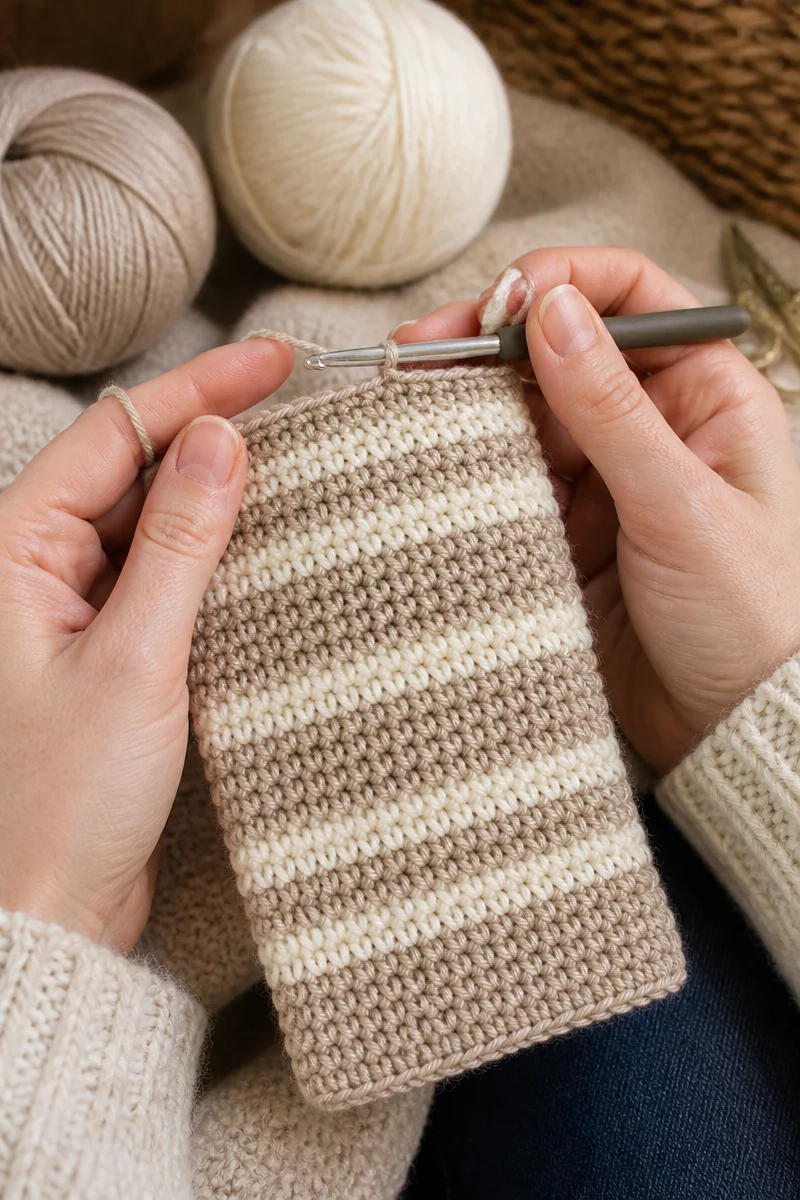
Crochet ribbing is a stretchy texture made by working stitches into one loop of the row below, rather than under both loops. For example, a crocheter may use half double crochet or double crochet through the back loop. This creates raised ridges on one side and a softer, flatter surface on the other.
For a baby arm warmer, ribbing is often worked in rows that are joined or seamed into a tube. The ridges run around the arm, and the fabric can stretch to fit gently. Crocheters like this technique because it gives a knit-like look without knitting needles. It is also easy to adjust by adding or removing rows.
Why This Is a Great Choice for Baby Arm Warmers
- It stretches comfortably: Ribbing can flex with a baby’s wrist and forearm, though the fit should never feel tight.
- It creates a cozy texture: The raised lines add interest while keeping the design simple.
- It suits a calm color: Oat cream highlights the ridges and pairs well with many outfits.
- It works well for small projects: Baby arm warmers use little yarn and are portable to crochet.
- It is easy to customize: You can adjust the length, add a contrasting edge, or choose a different ribbing stitch.
Yarn and Hook Recommendations
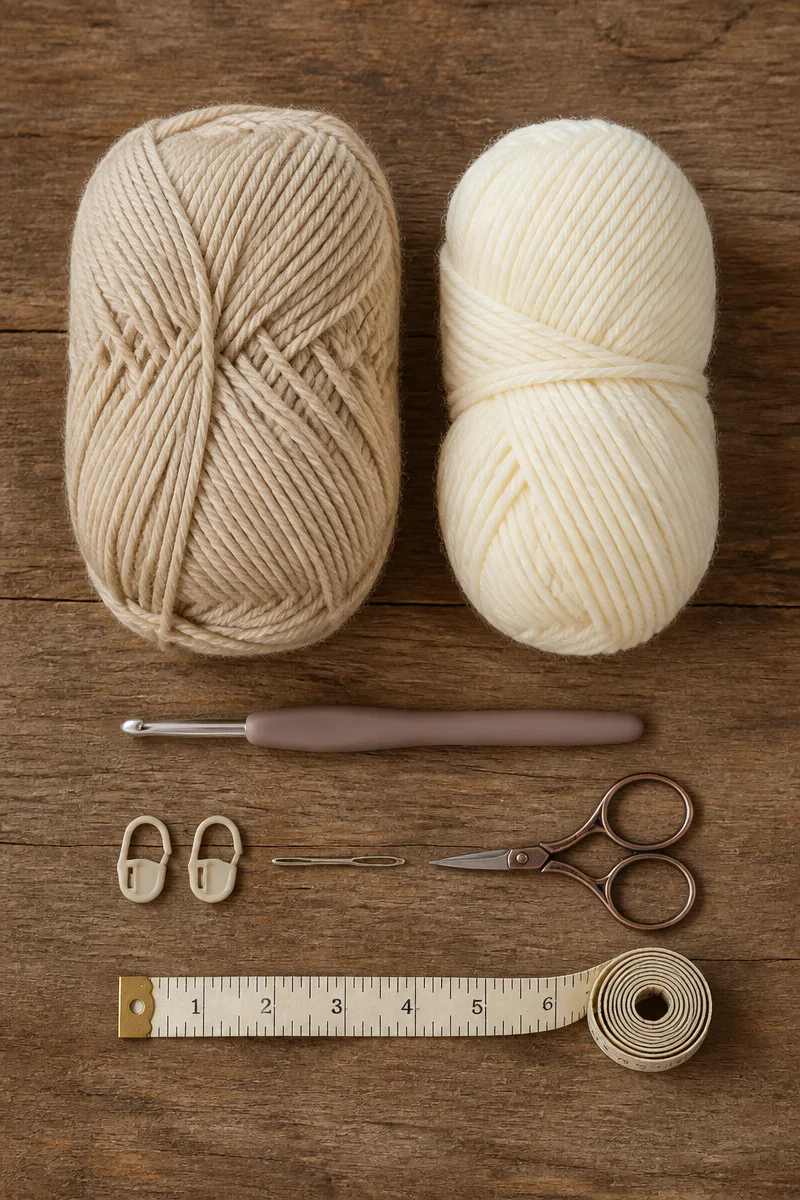
- Choose a soft, smooth yarn: A gentle yarn helps the arm warmer feel comfortable against delicate skin. Check the label and avoid scratchy fibers.
- Consider lightweight yarn: DK or light worsted yarn can make a warm but flexible fabric. The best weight depends on the baby’s size and the pattern’s gauge.
- Try a washable blend: Acrylic or cotton-acrylic blends are often practical because they can be easier to care for than delicate fibers.
- Use cotton with care: Cotton feels cool and breathable, but it may have less spring than wool or acrylic. A cotton blend can offer a useful balance.
- Match the hook to your yarn and gauge: A hook in the range suggested on the yarn label is a starting point, not a fixed rule. Make a small swatch and adjust if the fabric feels too stiff or too loose.
- Check for safe finishing details: Choose a yarn that can handle regular washing, and avoid buttons, beads, or other small decorations that could come loose.
Tips for Crochet Ribbing Success
First, make a small swatch with the stitch you plan to use. Ribbing can pull in more than ordinary crochet, so a swatch helps you judge the stretch and feel before you make the whole arm warmer. Keep your loops even, and try not to pull the working yarn too tightly.
Next, count your rows and stitches as you go. If you are working into the back loop, check that you use the same loop consistently. Also, measure the piece gently without stretching it. Since babies grow quickly, aim for a comfortable fit that allows movement rather than a snug fit.
Common Mistakes to Avoid
One common mistake is crocheting too tightly. Tight stitches can make ribbing stiff and reduce its natural stretch. If the fabric feels firm, try a larger hook or relax your grip.
It is also easy to miss a stitch at the end of a row. This can make the arm warmer narrower or slanted. Count the stitches regularly, and use a stitch marker at the row edge if that helps.
Another pitfall is choosing yarn based on color alone. A lovely oat-cream shade may look perfect, but the yarn should also feel soft and wash well. Check the fiber and care label before you begin.
Finally, avoid making the arm warmer too tight or adding loose decorations. Baby accessories should allow easy movement, and any finished item should be used with adult supervision. Follow current safe-sleep guidance, and do not use arm warmers as a substitute for proper clothing or a sleep layer.
Care and Washing Instructions
Washing: Follow the yarn label first. Many acrylic and washable blends can be machine washed on a gentle cycle, while some natural fibers need hand washing. Use mild detergent and avoid rough handling.
Drying: Gently press out extra water in a towel, then reshape the arm warmer. Lay it flat to dry, since hanging it may stretch the ribbing.
Blocking: A light block can help even the edges and smooth the shape. However, avoid stretching the fabric too much, because that may reduce the ribbing’s spring. Use a method that suits the yarn, and test it on a swatch when possible.
More Ideas to Try
Once you enjoy crochet ribbing, try a front-loop-only rib, a post-stitch rib, or a simple single crochet texture. You could also make matching baby booties, a soft headband, or a small stroller blanket in the same oat-cream shade.
Conclusion
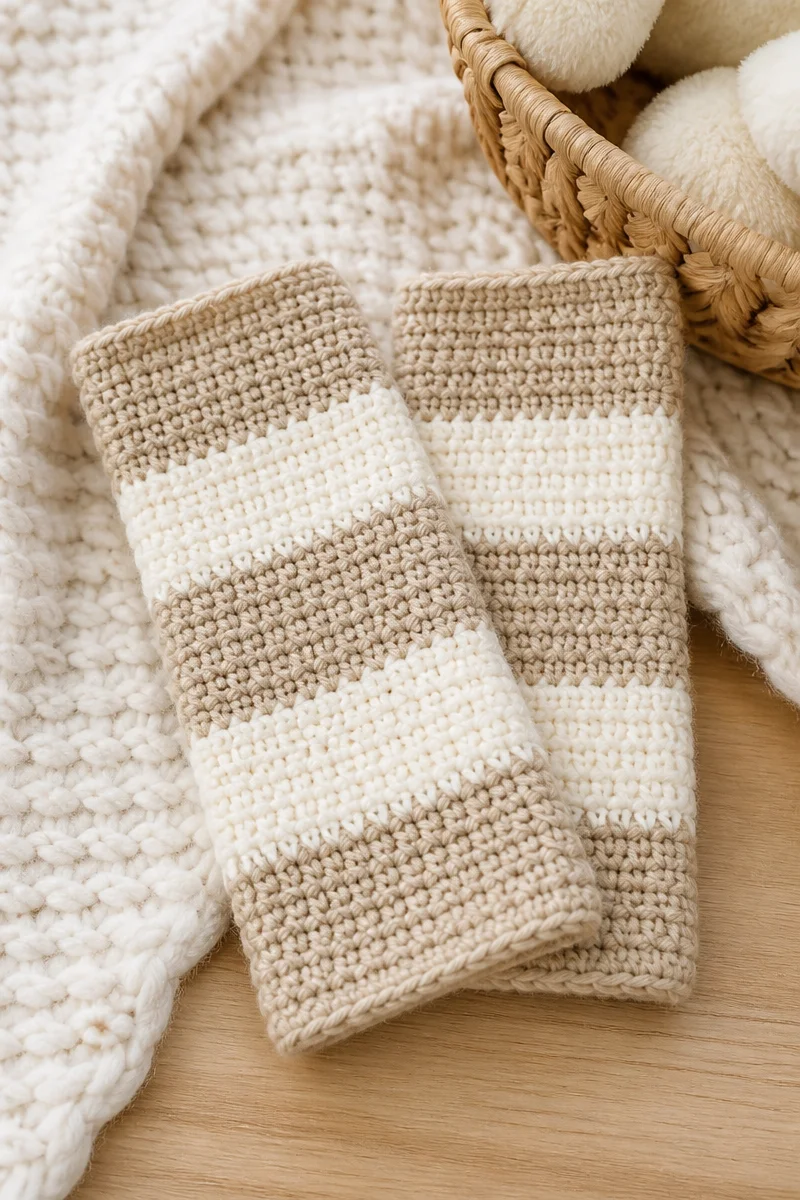
A Crochet Oat Cream Baby Arm Warmer brings together a soft neutral color, a useful shape, and the cozy stretch of crochet ribbing. Choose gentle, washable yarn, check your gauge, and keep the fit comfortable. Then make a small swatch and give the technique a try. Share how your arm warmers turn out, or explore another crochet guide on the blog for your next project.