Crochet Berry Red Baby Leg Warmer

Affiliate disclosure: This post may contain affiliate links. I may earn a small commission at no extra cost to you. See our Privacy Policy for details HERE.
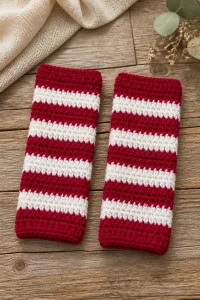
A crochet berry red baby leg warmer is a small project with a big payoff. I love how a rich berry shade adds a cheerful pop of color while keeping little legs cozy. These warmers are also easy to pair with dresses, rompers, and everyday outfits.
The project is usually made as a simple tube, often with ribbed cuffs that help it stay in place. It can suit beginners who know basic crochet stitches, and the finished fabric can be soft, stretchy, and comfortable when you choose suitable yarn.
In this guide, you’ll learn how ribbing works, how to choose yarn and a hook, and how to get a comfortable fit. You’ll also find practical tips for neat edges, common mistakes to avoid, and care advice for handmade baby leg warmers.
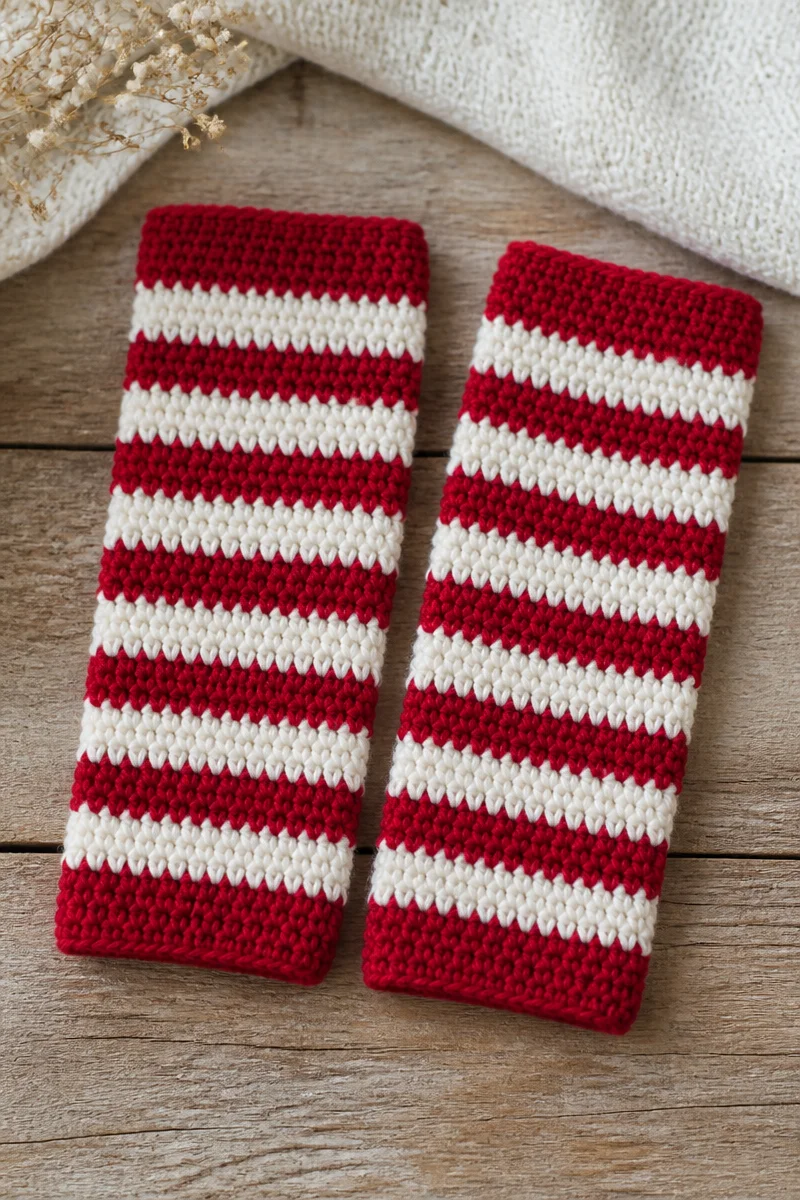
What Is the Crochet Ribbing Stitch?
Crochet ribbing is a textured fabric that looks like rows of raised ridges and recessed channels. One common way to make it is with front-post and back-post stitches, which wrap around the posts of stitches from the row below. Another simple approach is to work in the back loop only, often in rows that are joined to form a tube.
The raised and recessed stitches create a stretchy, fitted fabric. That makes crochet ribbing a popular choice for cuffs on baby leg warmers, hats, and sleeves. The texture also adds a neat finish without needing a complicated stitch pattern.
For a crochet berry red baby leg warmer, ribbing can make the top and bottom edges feel secure while still allowing room to move. However, ribbing can vary in stretch, so check the fabric as you work rather than assuming every method will fit the same way.
Why This Is a Great Choice for Baby Leg Warmers
- It stretches around the leg. Ribbing gives the fabric some flexibility, which helps a warmer fit without feeling stiff.
- It creates snug cuffs. The ridges help shape the openings at the top and bottom.
- It has a tidy look. The textured finish pairs nicely with a solid berry red yarn.
- It works well for small projects. Baby leg warmers use less yarn than larger garments, so they can be a manageable project.
- It offers room to customize. You can adjust the length, width, and cuff depth to suit the baby and the outfit.
Yarn and Hook Recommendations
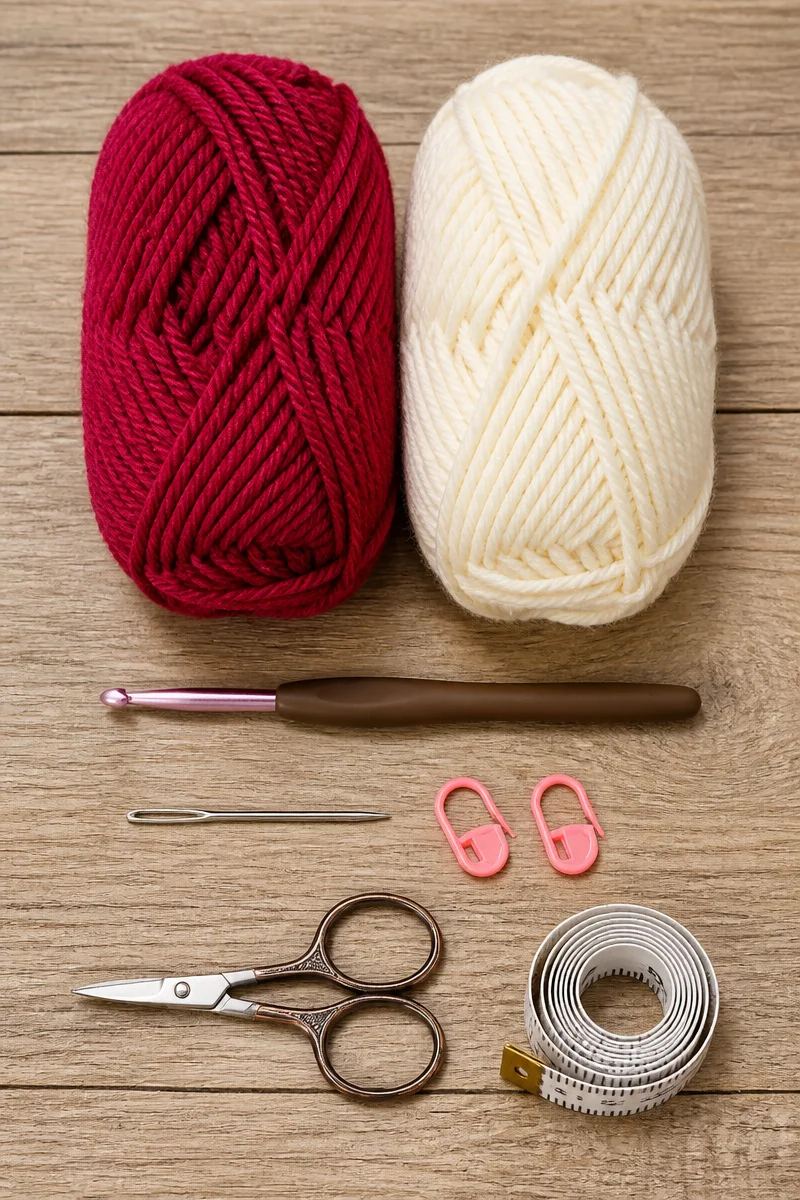
- Choose a soft, washable yarn. Baby items often need frequent laundering, so look for yarn labeled machine washable if that suits your care routine.
- Consider lightweight yarn. DK or light-worsted yarn can make a comfortable fabric without adding too much bulk.
- Try a smooth fiber. Soft acrylic, cotton blends, and other baby-friendly yarns are easier to care for and comfortable against skin. Check the yarn label for fiber and washing details.
- Use the hook recommended on the yarn label as a starting point. Then make a small swatch, because your personal tension can change the fit and stretch.
- Adjust the hook to suit the fabric. A slightly smaller hook may create firmer ribbing, while a larger hook may produce more drape. Keep the fabric soft, not tight or stiff.
- Check the stretch before you begin. Stretch your swatch gently and see whether it returns to shape. If it feels too loose or too firm, try a different hook size.
Tips for Crochet Ribbing Success
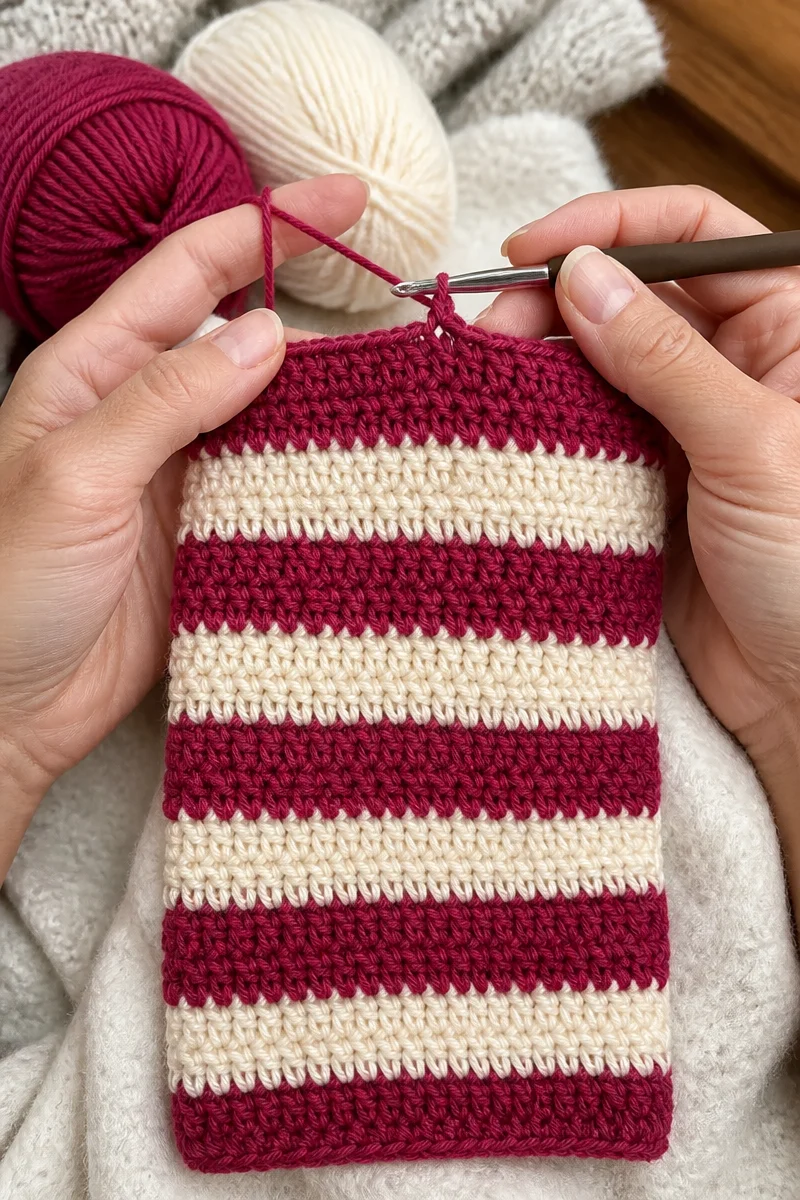
First, make a small swatch using the same yarn and hook you plan to use for the crochet berry red baby leg warmer. Ribbing can pull in more than plain crochet, so the swatch helps you judge both stretch and width. Also, measure the leg or compare the work with a well-fitting garment when possible. Aim for a gentle fit, not a tight squeeze.
Next, count your stitches and rows as you go. Post stitches can make the surface look uneven until you have worked several rows, so take your time and check that the ridges line up. If you are following a pattern, note whether it gives finished measurements or a gauge. Those details can help you adjust the length or circumference with care.
Common Mistakes to Avoid
A common issue is making the ribbing too tight. Tight stitches can reduce stretch and make the warmers hard to pull on. Instead, relax your grip and test the fabric as you work.
It is also easy to lose track of the stitch pattern. If you switch between front-post and back-post stitches, reversing them by mistake can change the texture. Therefore, use a stitch marker or pause at the end of each repeat to check your work.
Another pitfall is choosing yarn that feels rough or creates a stiff fabric. Since baby leg warmers sit close to the skin, softness and comfort matter. Make a swatch and feel it against your wrist before committing to the full project.
Finally, avoid guessing the fit from the stitch count alone. Yarn thickness, hook size, and personal tension all affect the finished width. Measure the work and compare it with the intended fit as you go.
Care and Washing Instructions
Washing: Follow the care label on your yarn. Many acrylic and cotton-blend yarns can be machine washed on a gentle cycle, but some fibers need hand washing. When in doubt, use cool water and a mild detergent.
Drying: Press out extra water gently with a towel, then lay the warmers flat to dry. Avoid wringing them, since that can stretch or twist the ribbing. Check the yarn label before using a dryer.
Blocking: Strong blocking is usually not needed for ribbed baby leg warmers. If the edges look uneven, lightly shape the warmers while damp and let them dry flat. Avoid stretching the ribbing too far, because it may lose some of its spring.
More Ideas to Try
Once you have made a crochet berry red baby leg warmer, try adding a simple shell edging or a contrasting cuff. You might also enjoy making matching baby boot cuffs, a ribbed hat, or a pair of fingerless mitts. For a different texture, explore moss stitch or half double crochet ribbing.
Conclusion
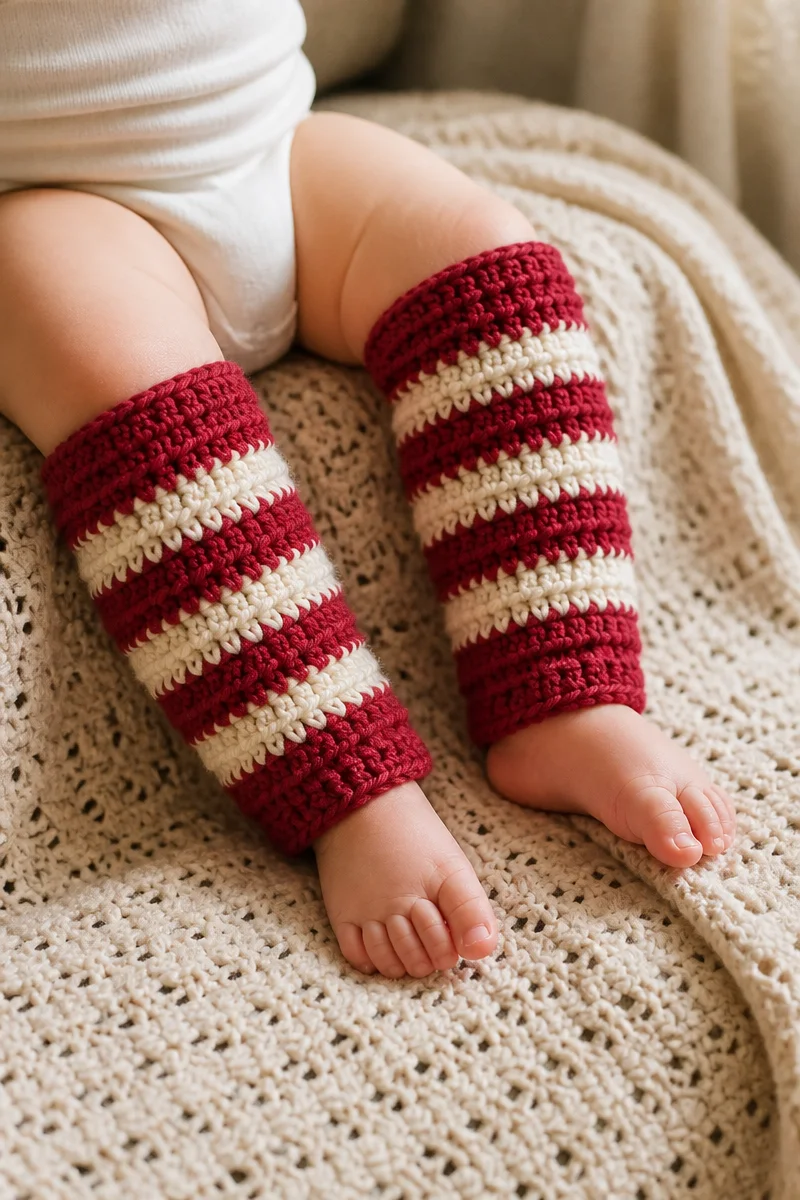
Crochet ribbing gives baby leg warmers a stretchy texture and a neat, fitted finish. With a soft, washable yarn, a suitable hook, and a quick swatch, you can make a crochet berry red baby leg warmer that feels comfortable and looks charming. Take your time, check the fit as you go, and enjoy choosing the details. When you finish, share your project or explore more crochet guides on the blog for your next cozy make.