Crochet Little Bee Baby Crinkle Square

Affiliate disclosure: This post may contain affiliate links. I may earn a small commission at no extra cost to you. See our Privacy Policy for details HERE.
A Crochet Little Bee Baby Crinkle Square is a sweet way to combine a handmade comfort toy with the gentle sound babies enjoy exploring. I love how this small project can feel playful and personal without asking for a large time commitment. It also makes a thoughtful baby shower gift when made with care and baby-safe materials.
The square usually pairs a soft crocheted fabric with a crinkle layer tucked inside, plus bee-inspired colors or details. The crochet itself can be beginner-friendly, though neat edges and secure finishing take patience. Since “crinkle square” describes the project rather than one required stitch, makers can choose a simple stitch pattern that feels soft and firm.
In this guide, you’ll learn how to think about the crochet fabric, choose suitable yarn and a hook, and make the square practical for everyday use. You’ll also find tips for even stitches, safe finishing, and care, along with common mistakes to avoid.
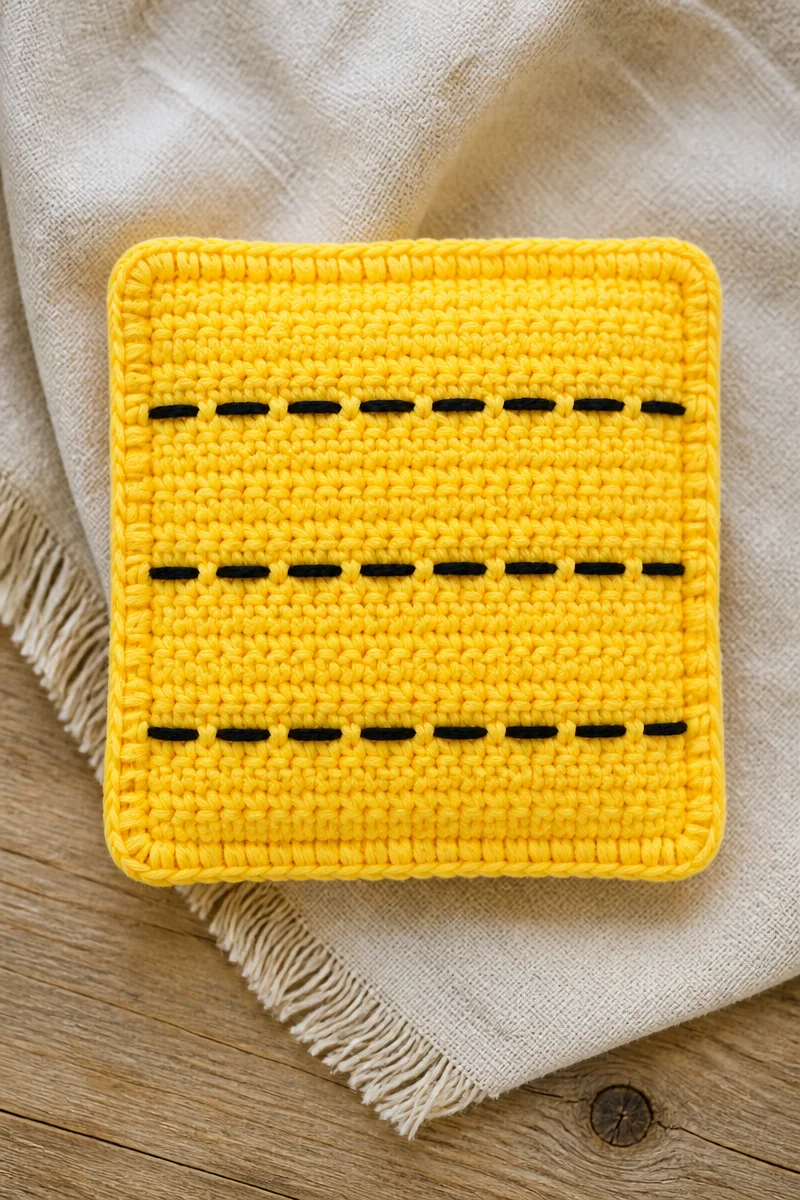
What Is the Crochet Crinkle Square Technique?
A crochet crinkle square is a small, flat fabric toy made by crocheting one or more panels and enclosing a crinkly insert inside. The insert may be a purpose-made material intended for baby toys. When a baby presses or moves the square, it makes a soft crackling sound.
There is no single required stitch for a crinkle square. Many makers choose single crochet because it creates a compact fabric with small gaps. Some use half double crochet or a simple textured stitch, provided the finished fabric stays secure and does not leave the insert exposed. A little bee design may use yellow and black stripes, a simple embroidered face, or crocheted wings.
The appeal is its mix of touch, sound, and color in a small project. However, because this item is intended for a baby, secure construction matters as much as appearance. Keep embellishments firmly attached, avoid small detachable parts, and follow the safety guidance provided with any crinkle material.
Why This Is a Great Choice for Baby Toys
- Small and portable: A crochet crinkle square is easy to tuck into a diaper bag for supervised play.
- Engaging to explore: The soft fabric, bright bee colors, and gentle crinkle sound offer different sensory features.
- Flexible in design: You can make a simple square or add bee-inspired stripes and securely embroidered details.
- A manageable project: The small size gives beginners a chance to practice even stitches and tidy edges without making a large blanket.
- Personal and giftable: A handmade square can be tailored to a nursery color palette, as long as the finished item remains safe and washable.
Yarn and Hook Recommendations
- Choose a smooth worsted-weight yarn: This common weight is easy to handle and can make a sturdy fabric. Check the yarn label and sample your stitches before starting.
- Consider a lighter yarn if you want a thinner square: DK-weight yarn can create a more delicate feel, but it may need a smaller hook to keep the fabric closed and secure.
- Look for a soft, washable fiber: Cotton is often easy to launder and has little stretch. A soft acrylic blend may feel lighter and dry faster. Always check the care label.
- Use a hook that makes a firm fabric: Start with the hook size suggested on the yarn label, then adjust if the stitches look too loose or stiff. A smaller hook can help close gaps, but it should still feel comfortable to use.
- Make a small swatch first: Test the yarn, hook, and stitch together. This helps you see whether the fabric feels soft while keeping the crinkle insert covered.
- Select colors with contrast: Yellow and black can suggest a little bee, while a pale background can make the colors stand out. Use color changes neatly, and secure every yarn end inside the work.
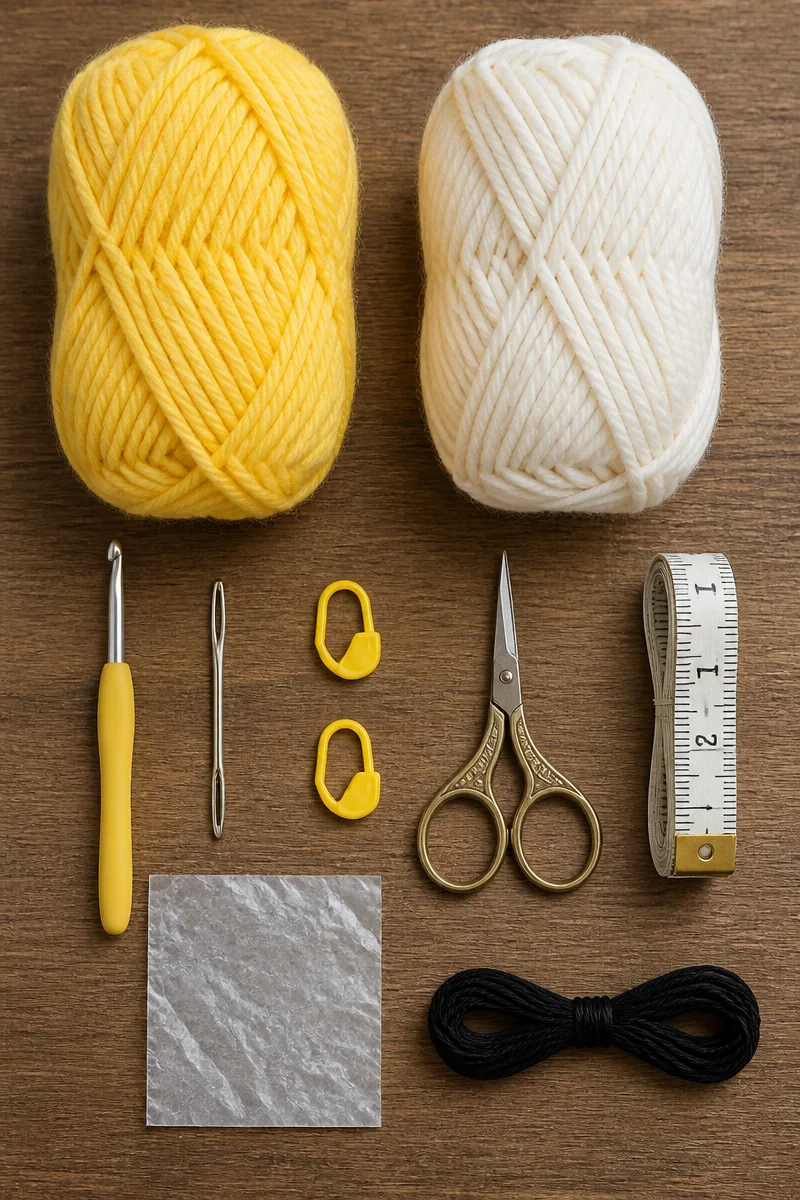
Tips for Crochet Crinkle Square Success
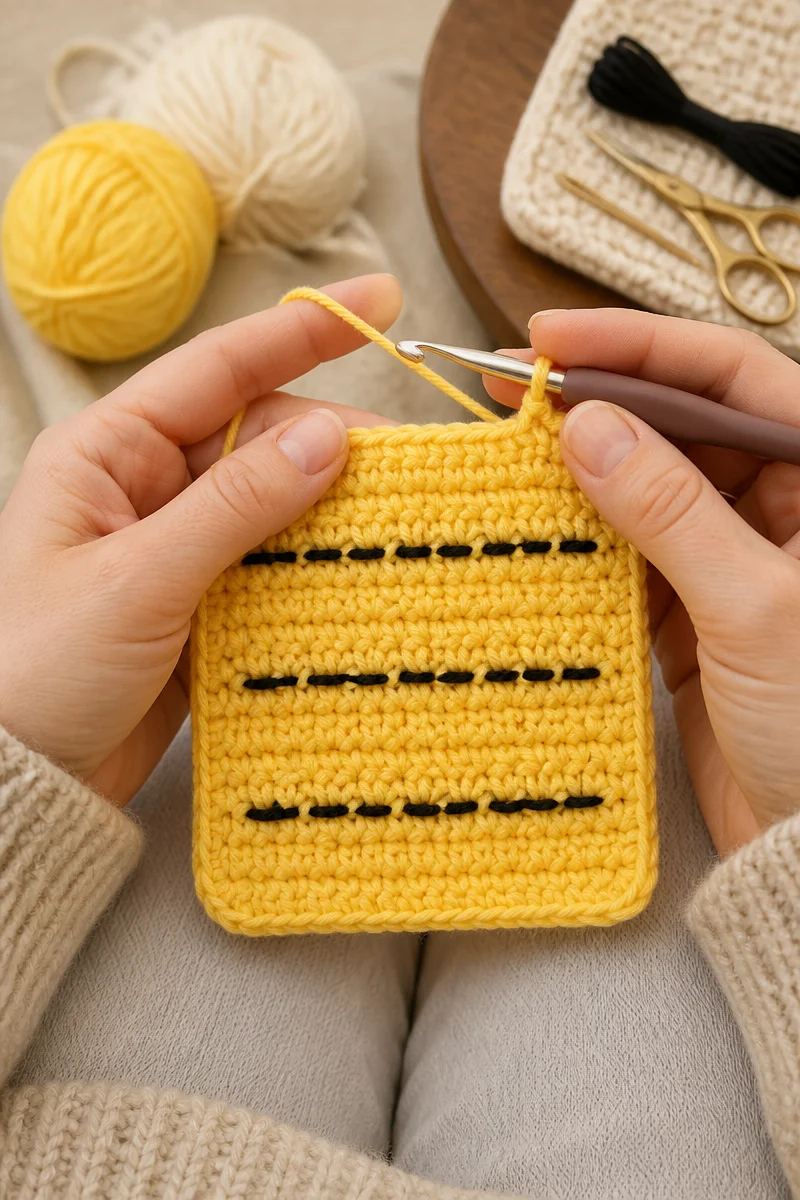
First, choose a simple stitch that creates a firm, even surface. Single crochet is a useful option because it is easy to count and gives good coverage. Keep your tension steady, and count stitches at the end of each row. If the edges start to widen or narrow, correcting the count early is easier than fixing the whole square later.
Next, test the crinkle material before assembling the toy. Use material made for this kind of project, and make sure the crochet fabric fully encloses it. Follow the supplier’s directions for use and cleaning. Then sew the panels together with a strong, secure seam, and weave in every yarn end. For a baby item, avoid buttons, beads, plastic eyes, and other small pieces that could come loose.
Common Mistakes to Avoid
A loose stitch pattern can leave the insert visible or reachable. Before you finish the square, check the fabric in good light and gently stretch it. If you can see large gaps, try a smaller hook or a denser stitch, then make another sample.
Uneven tension can make the square ripple or pull out of shape. It is common to crochet tightly when starting and more loosely as you relax. Take short breaks, keep your hands comfortable, and compare the first and last rows as you work.
Another mistake is choosing yarn only for its color or softness. A yarn that sheds, stretches too much, or needs special care may not suit a frequently handled baby toy. Check the label, and consider how the finished square will be washed and dried.
Finally, do not leave seams, tails, or decorations loose. A rushed finish can weaken the toy, even when the crochet looks neat. Secure the insert inside the panels, reinforce the seam, and inspect the whole square before use. Always supervise a baby during play, and remove the item if it becomes damaged.
Care and Washing Instructions
Washing: Follow the yarn label and the care instructions for the crinkle insert. If the materials allow machine washing, place the square in a laundry bag and use a gentle cycle with mild detergent. Otherwise, hand wash it gently. Do not soak it unless the insert’s instructions say that soaking is safe.
Drying: Press out extra water with a clean towel instead of wringing the square. Then reshape it and lay it flat to dry. Avoid high heat, which may affect the yarn or the enclosed insert.
Blocking: Heavy blocking is usually unnecessary for a small toy. If the square looks uneven, a light reshape while damp may help. Do not use pins that could damage the fabric, and do not apply heat or steam near the insert unless its maker says it is safe.
More Ideas to Try
If you enjoy making a Crochet Little Bee Baby Crinkle Square, try a simple cotton baby washcloth, a striped sensory square, a soft granny square comfort blanket, or a small bee-themed lovey with securely embroidered details. You can also explore textured stitches, such as moss stitch or lemon peel stitch, for a different feel. For any baby project, keep the fabric secure and skip loose parts.
Conclusion
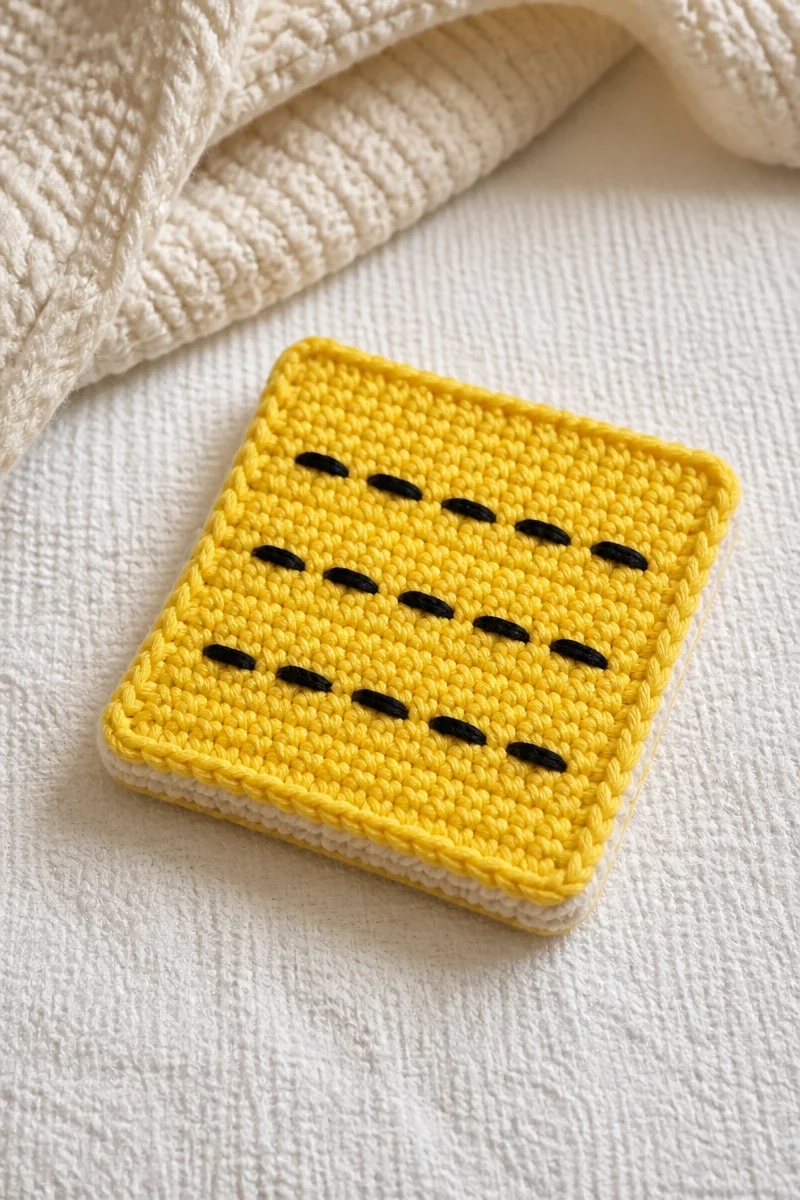
A Crochet Little Bee Baby Crinkle Square is a small, cheerful project that brings together soft crochet, bee-inspired color, and a gentle crinkle sound. Choose a dense stitch, use yarn that suits the baby’s care needs, and take time to secure the insert and seams. Then check the finished square often and supervise its use.
Pick your favorite bee colors and give the project a try. If you make one, share how it turned out, or explore another baby crochet guide on the blog for your next handmade gift.