Crochet Kitten Baby Soft Toy

Affiliate disclosure: This post may contain affiliate links. I may earn a small commission at no extra cost to you. See our Privacy Policy for details HERE.
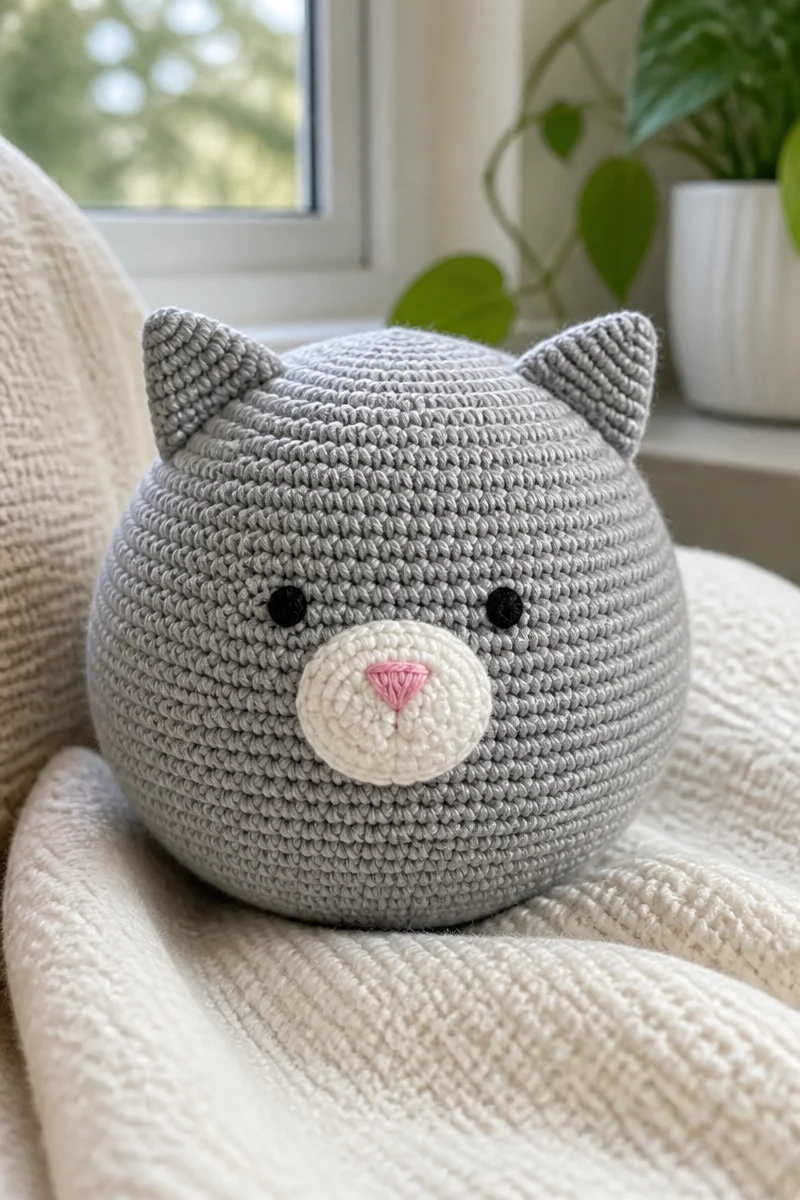
A crochet kitten baby soft toy makes a sweet handmade gift, and I love how a few simple stitches can bring a little cat’s face and shape to life. It can be cuddled, carried along on outings, or displayed in a nursery, so it is both charming and useful.
This project is usually made with amigurumi, the crochet technique for creating small, stuffed shapes. The finished toy has a soft, rounded look, and the basic stitches are approachable for many crocheters. Still, shaping and sewing the parts together may take patience, especially if you are new to making toys.
In this guide, you’ll learn how amigurumi works, which yarn and hook choices can suit a baby-friendly toy, and how to keep your stitches neat. You’ll also find practical tips for safer construction, care, and common mistakes to avoid.
What Is the Amigurumi Stitch?
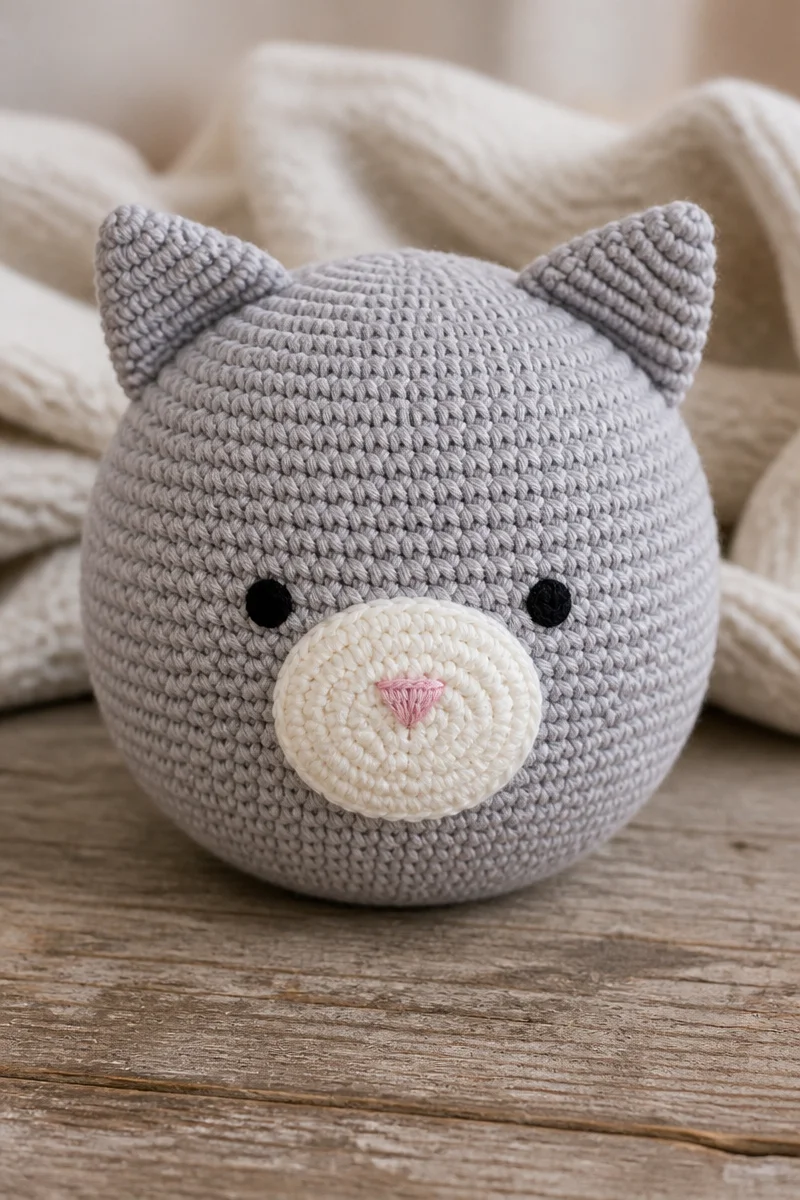
Amigurumi is a crochet technique for making small, three-dimensional shapes, often animals or dolls. It is not one special stitch. Instead, crocheters use basic stitches, usually single crochet, and shape the toy by adding or reducing stitches as they work.
For a kitten, the head and body are often crocheted in the round. The fabric forms a firm, close texture that can hold stuffing inside. Meanwhile, increases make a piece wider, and decreases make it narrower. Together, these simple steps create the kitten’s head, ears, paws, and body.
Crocheters enjoy amigurumi because it turns familiar stitches into a sculpted toy. Also, a small project is easy to carry and customize. You can change the yarn color, shape the ears, or embroider a different expression to give your kitten its own look.
Why Amigurumi Is a Great Choice for a Baby Soft Toy
- It creates a cuddly shape: The rounded forms suit a little kitten, while soft yarn gives the toy a gentle feel.
- It uses basic stitches: Single crochet is common, so newer crocheters can learn the technique as they go.
- It offers room to personalize: You can adjust the colors, facial details, and proportions to make a one-of-a-kind toy.
- It is a portable project: Small pieces are easy to take along, and you can work on them in short sessions.
- It makes a thoughtful gift: A handmade kitten can mark a new baby’s arrival or become a special keepsake.
For a toy intended for a baby, however, construction matters as much as appearance. Choose materials and features carefully, and always follow age-appropriate toy safety guidance.
Yarn and Hook Recommendations
- Worsted-weight yarn: This familiar medium weight is easy to find and gives the kitten a sturdy, substantial feel. Check the yarn label for washing guidance.
- DK-weight yarn: This lighter option can create a smaller, delicate-looking toy. Keep your stitches firm so stuffing does not show through.
- Cotton yarn: Cotton can make a defined stitch pattern and may be easy to wash, depending on the label. It can feel less stretchy than acrylic.
- Soft acrylic yarn: Many acrylic yarns come in a wide range of colors and are machine washable. Confirm care instructions before choosing.
- A hook smaller than the yarn label suggests: Amigurumi often uses a smaller hook than a flat fabric project, which helps create dense stitches. Make a small test piece to check for gaps.
- A smooth, comfortable hook: A hook that feels good in your hand can make repeated single crochet easier. Choose a size that lets you maintain even, close stitches.
Because yarn thickness and your personal tension affect the final fabric, test your hook and yarn together before starting. The right combination should feel comfortable to work with and keep stuffing from peeking through.
Tips for Amigurumi Success
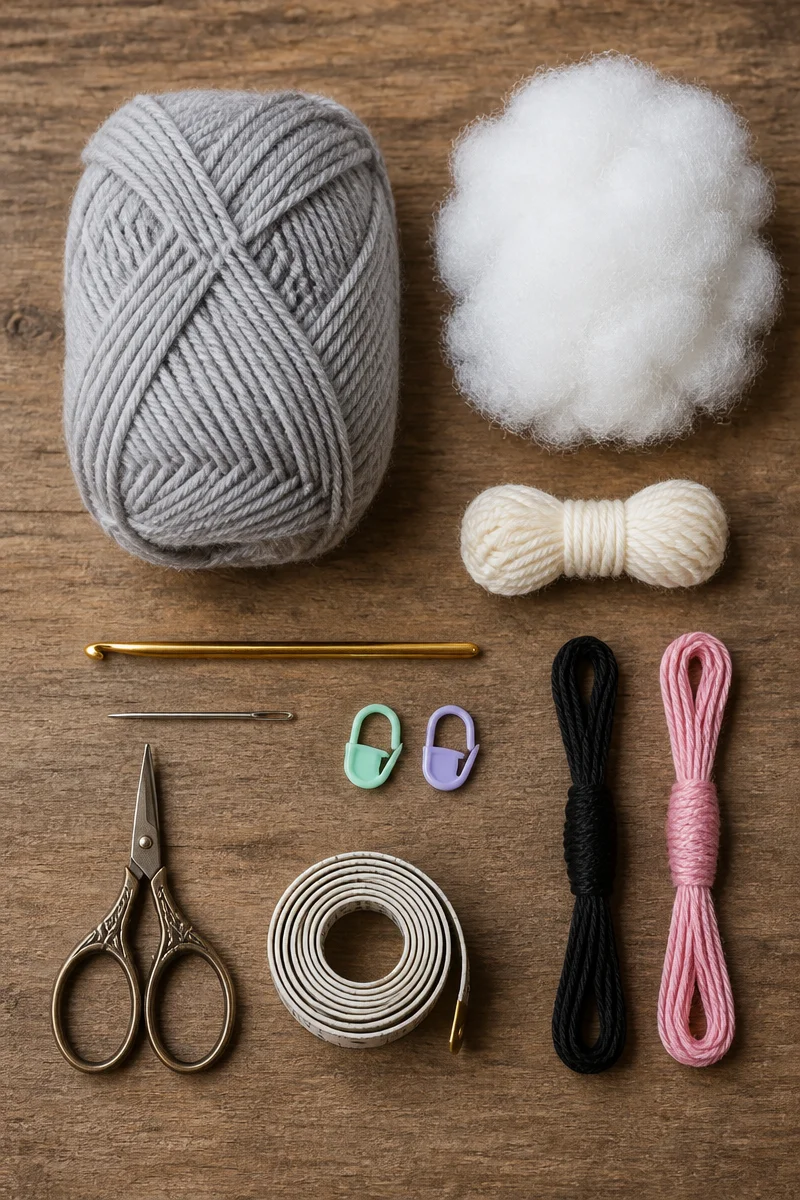
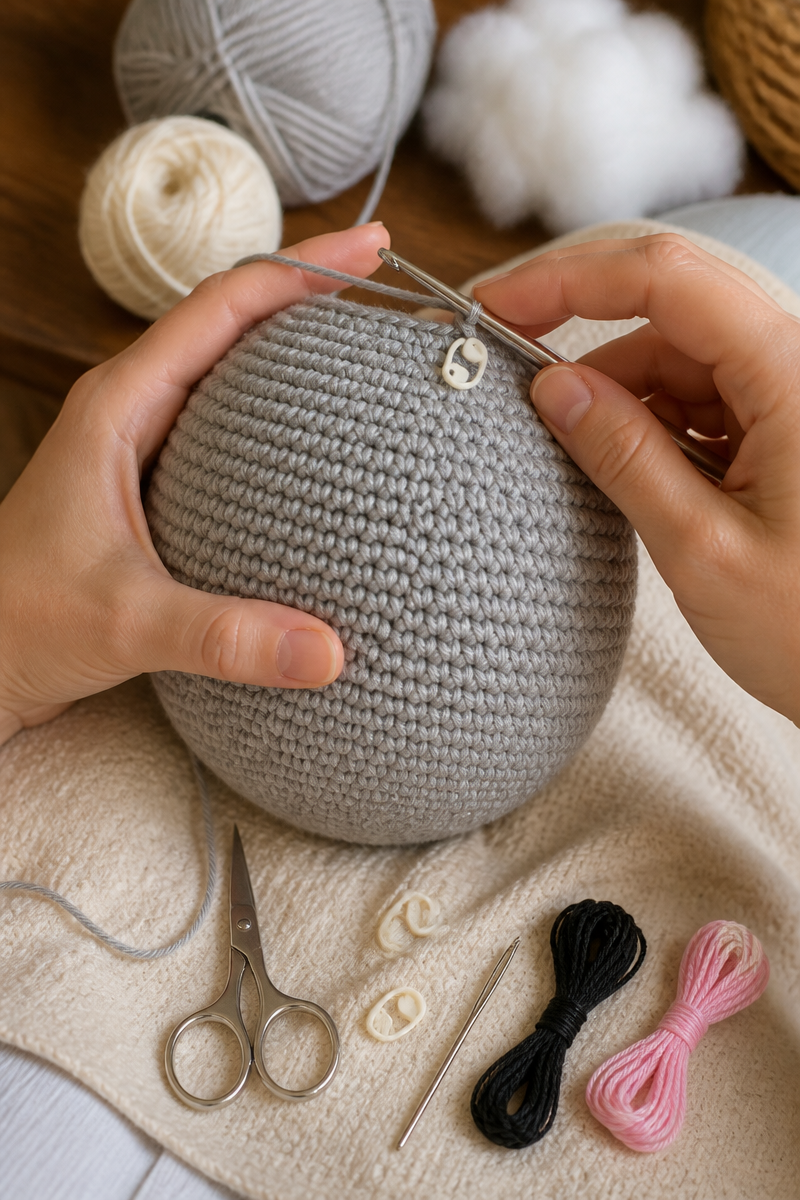
First, keep your tension even and firm, but not so tight that your hands become sore. Since amigurumi is often worked in continuous rounds, place a stitch marker at the first stitch of each round. Then count often, especially after increases and decreases, so the pieces keep their intended shape.
Also, read the pattern notes before you begin, and check whether the pattern uses US or UK crochet terms. Take your time when shaping the kitten and joining its parts. If you are making the toy for a baby, use securely embroidered facial features rather than small detachable pieces, and inspect all seams carefully.
Common Mistakes to Avoid
If your stitches are too loose, gaps may appear and stuffing can show through. Try a smaller hook or adjust your tension on a test swatch. However, do not pull the yarn so tightly that you cannot insert the hook easily.
It is easy to lose track of rounds when working in a spiral. As a result, the head or body may become uneven. Use a stitch marker, count at the end of each round, and check your work against the pattern as you go.
A yarn that feels soft in the skein may not suit a toy that needs frequent washing. Before you start, check the care label and consider how the finished kitten will be used. Also, avoid fuzzy fibers if they make it hard to see your stitches or could shed with handling.
Finally, take care when attaching ears, paws, and facial details. Loose parts can come away, so sew them firmly and check each join. For a baby’s toy, avoid buttons, beads, safety eyes, and other small parts that could pose a choking risk. Embroidered features are a safer choice, but they still need to be secure and suitable for the child’s age.
Care and Washing Instructions
Washing: Follow the yarn label first. Many acrylic and cotton yarns can be washed gently, but care instructions vary. If the toy contains stuffing, place it in a laundry bag when machine washing is allowed, or wash it by hand in cool water. Rinse gently and press out extra water without twisting.
Drying: Reshape the kitten and lay it flat on a clean towel to dry. Keep it away from direct heat, and make sure the stuffing dries fully before the toy is used again.
Blocking: Most stuffed amigurumi toys do not need blocking. Blocking is more useful for flat crochet pieces, while a stuffed kitten can be shaped by hand. If an unstuffed part needs a little tidying, check that the yarn label allows the method you plan to use.
More Ideas to Try
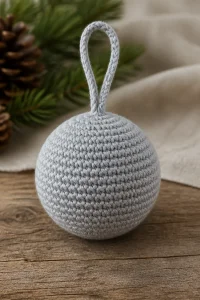
Once you enjoy making a crochet kitten baby soft toy, you might like to try a crochet bunny, a small amigurumi bear, or a simple crochet ball to practice shaping. You could also explore color changes, embroidered details, or a tiny blanket for the kitten, while keeping any baby-use safety needs in mind.
Conclusion
A crochet kitten baby soft toy is a lovely way to explore amigurumi and turn basic stitches into a soft, three-dimensional friend. Use a suitable yarn and hook, count your rounds, sew pieces securely, and choose baby-safe details. Most of all, enjoy taking your time as the kitten comes together. Try the technique, share your finished toy with fellow crocheters, and explore more amigurumi guides on the blog for your next project.