Crochet Pinecone Puff Baby Blanket

Affiliate disclosure: This post may contain affiliate links. I may earn a small commission at no extra cost to you. See our Privacy Policy for details HERE.
Crochet baby blankets have a special charm, and the Crochet Pinecone Puff Baby Blanket is one of those projects that feels cozy from the very first stitch. I love this style because it brings rich texture to a baby blanket without making it look busy or hard to enjoy. It has that soft, handmade look people notice right away, and it feels warm and comforting in the best way.
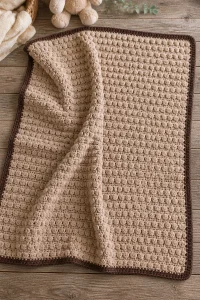
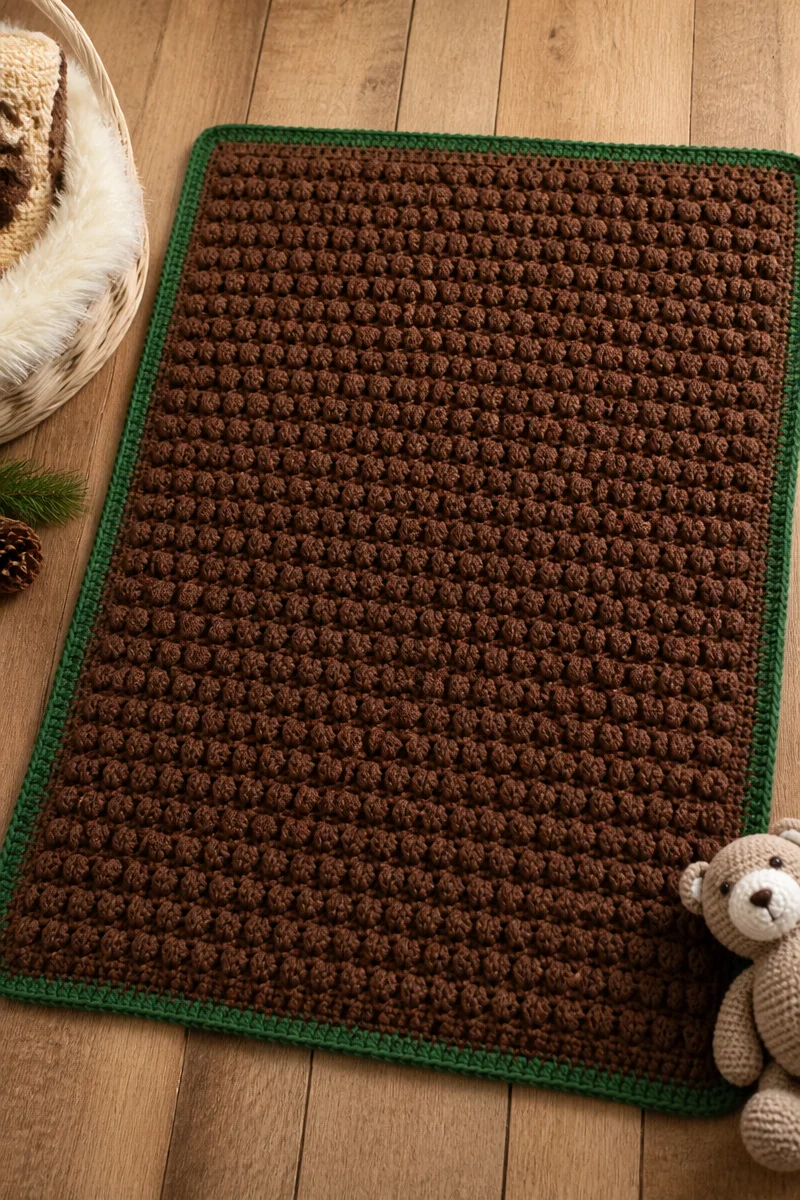
What makes this blanket special is the pinecone puff stitch texture. It creates little raised clusters that look a bit like pinecones, so the finished fabric has depth, warmth, and a lovely touchable surface. Even so, it does not have to be difficult. In fact, many crocheters enjoy this stitch because it is relaxing once you learn the repeat, and it works beautifully for baby gifts, nursery decor, and keepsake blankets.
In this guide, you will learn what the pinecone puff stitch is, why it works so well for baby blankets, and how to choose the right yarn and hook. You will also find practical tips, common mistakes to avoid, and simple care advice. So, if you want a blanket that feels special and looks beautiful, you are in the right place.
What Is the Pinecone Puff Stitch Stitch?
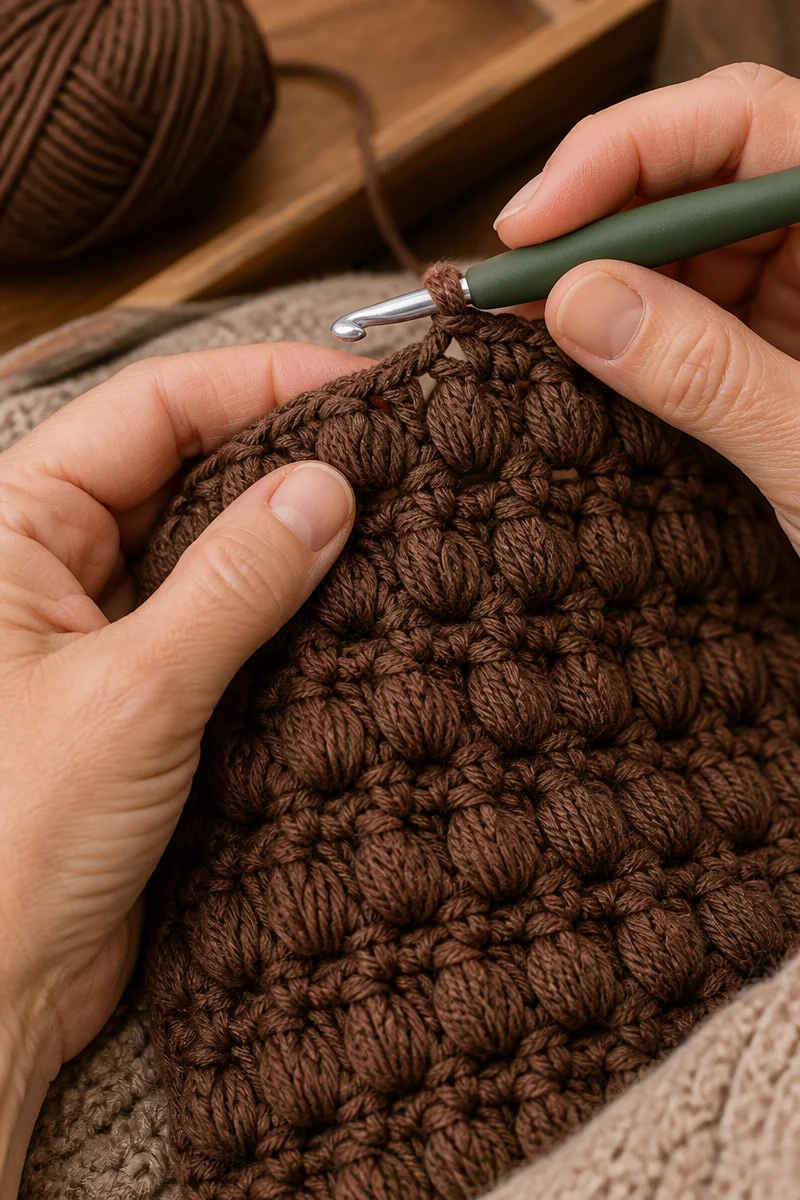
The pinecone puff stitch is a textured crochet stitch made by working several partial stitches into the same space, then closing them together to form a raised puff. As a result, the fabric gets a bumpy, plush look that stands out from flatter stitches. It is often used in blankets because it adds visual interest without needing fancy shaping.
This stitch usually has a repeating pattern of puffs and supporting stitches, which helps the texture stay even. In addition, the raised parts create a soft, cozy surface that feels nice in the hand. Many crocheters like it because it looks more advanced than it really is, once you get the rhythm.
The pinecone puff stitch is popular because it gives a blanket a rich, handmade feel. It also works well in solid colors, soft pastels, and gentle baby shades. So, whether you want a sweet nursery blanket or a gift for a new parent, this stitch delivers a polished look.
Why This Is a Great Choice for Baby Blankets
- Soft, cozy texture: The raised puffed surface makes the blanket feel warm and comforting, which is perfect for a baby blanket.
- Beautiful visual detail: The pinecone look gives the blanket a special design without needing extra colorwork.
- Great for gifts: Because it looks elegant and handmade, it makes a lovely baby shower or welcome-home gift.
- Works well in simple colors: Even one solid color shows off the stitch texture very nicely, so color choices stay easy.
- Comfortable for daily use: A baby blanket made with this stitch can be snuggled, displayed, or used in a stroller with ease.
Yarn and Hook Recommendations
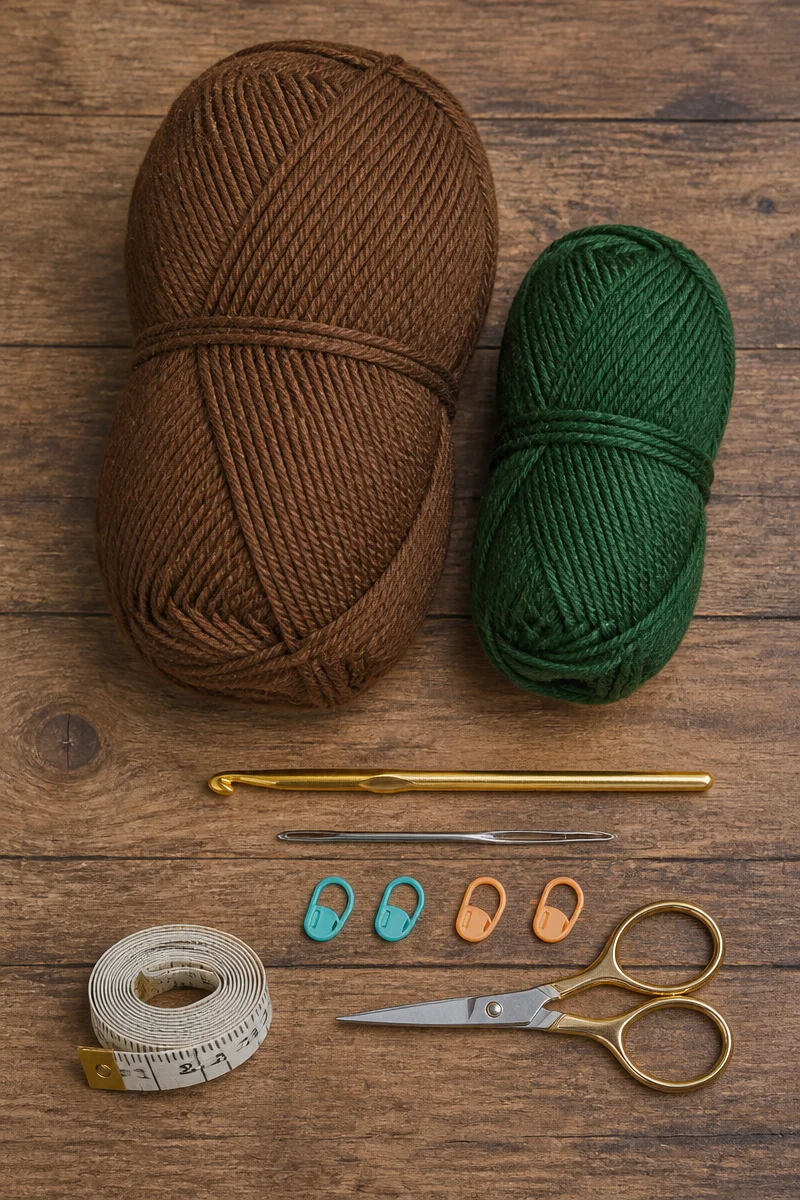
- Soft worsted weight yarn: This is a strong choice for a Crochet Pinecone Puff Baby Blanket because it gives good stitch definition and works up at a comfortable pace.
- Light worsted or DK yarn: If you want a lighter drape, this weight can create a gentler blanket that still shows the texture well.
- Acrylic yarn for easy care: Many parents appreciate washable yarn, and acrylic is often a practical choice for baby items.
- Cotton blend yarn: This can be a smart option if you want breathability and a smoother feel, especially for warmer climates.
- Plush baby-safe yarn: A soft chenille or velvety yarn can make the blanket extra cuddly, but test the stitch first because texture can get hidden.
- Hook size that matches the yarn and adds softness: A slightly larger hook than the yarn label suggests can help the puffs stay soft instead of tight, which is useful for a Crochet Pinecone Puff Baby Blanket.
Tips for Pinecone Puff Stitch Success
First, keep your tension even. Since the pinecone puff stitch uses repeated partial stitches, tight tension can make the fabric stiff and harder to work. Therefore, try to relax your hands and keep each puff consistent. If your stitches are too tight, the texture may lose its soft look.
Also, count carefully. Because puff stitches can hide the exact shape of each stitch, it is easy to lose track of your place. So, use stitch markers if needed, and check your rows often. In addition, read your pattern slowly the first time through, since the repeat may feel unusual at the start but becomes easier with practice.
Common Mistakes to Avoid
One common mistake is making the puffs too tight. When that happens, the blanket can feel stiff instead of soft. It may also pull the fabric inward, which can make the edges look uneven. For best results, give each stitch a little room so the texture can bloom.
Another issue is miscounting the stitch repeat. Since the pinecone puff stitch can hide the structure of the row, it is easy to miss a stitch or add one by mistake. As a result, the pattern may drift, and the blanket may not stay even. So, take a moment to check your count at the end of each row.
Edge curling can also happen, especially if the stitch pattern is dense. If you notice curling, the yarn may be too tight, or the hook may be too small. In that case, try a larger hook or add a border to help balance the fabric.
Finally, choosing the wrong yarn weight can change the whole feel of the project. A very bulky yarn may make the blanket heavy, while a yarn that is too thin may not show the texture well. Therefore, test a small swatch before starting the full Crochet Pinecone Puff Baby Blanket.
Care and Washing Instructions
For washing, follow the care label on your yarn first. In general, machine-washable acrylics and many cotton blends are the easiest choice for a baby blanket. However, if you use wool or delicate specialty yarn, gentle hand washing may be better. A mild detergent is usually the safest option.
For drying, lay the blanket flat if possible. This helps protect the shape of the textured stitches and keeps the edges from stretching. If your yarn label allows tumble drying, use a low setting only, and remove the blanket while it is still slightly damp if needed.
Blocking can help, especially if the blanket edges need shaping or the stitch texture looks uneven. Light blocking can smooth the fabric and help the design open up. However, do not force the shape too much. A Crochet Pinecone Puff Baby Blanket usually benefits most from gentle blocking rather than heavy stretching.
More Ideas to Try
If you enjoy the Crochet Pinecone Puff Baby Blanket, you may also like a textured basketweave blanket, a bobble stitch pillow, or a puff stitch scarf. In addition, you could try mixing the pinecone puff stitch with simple stripes, pastel gradients, or a matching baby hat for a coordinated handmade set.
Conclusion
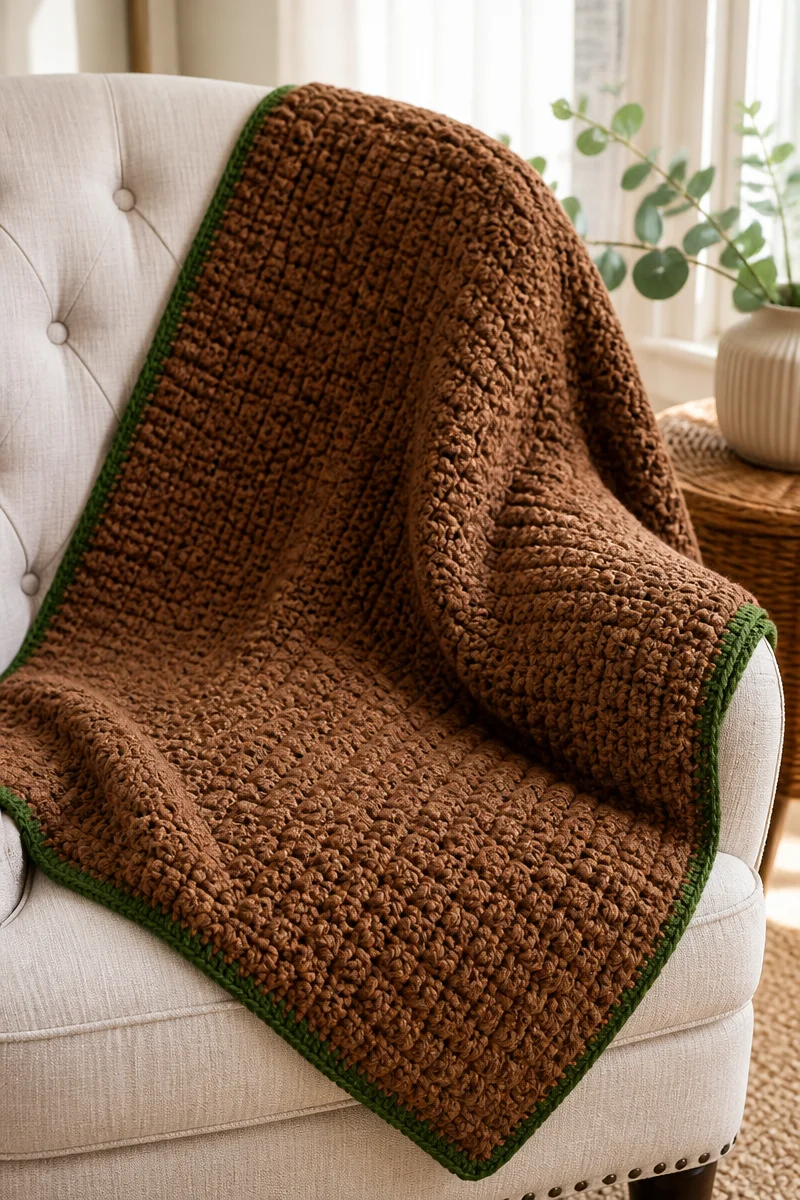
The Crochet Pinecone Puff Baby Blanket is a lovely choice when you want a blanket that feels soft, looks rich, and offers beautiful texture. The pinecone puff stitch gives it a cozy, raised design, and with the right yarn, hook, and tension, it can become a treasured handmade piece. So, take your time, enjoy the texture, and let the stitch do the work.
If this guide helped you, try the stitch on a small swatch first, then build your own blanket with confidence. Share your results with friends, save this guide for later, and keep exploring more crochet tips and textured blanket ideas on the blog.