Crochet Harvest Gold Baby Bandana Bib

Affiliate disclosure: This post may contain affiliate links. I may earn a small commission at no extra cost to you. See our Privacy Policy for details HERE.
A handmade bandana bib is a sweet way to add color to a baby’s everyday outfit. I especially love the crochet harvest gold baby bandana bib because its warm shade feels cozy and cheerful, while the bandana shape looks polished without being fussy. It can also make a thoughtful, useful gift for a new baby.
This project is a small crochet accessory with a triangle-shaped front and a fastening around the neck. The design is usually approachable for beginners who know a few basic stitches, and its fabric can be made soft and comfortable for daily wear. However, a bib needs to be practical as well as pretty, so yarn choice and secure finishing matter.
In this guide, you’ll learn what makes a crochet bandana bib distinctive, how to choose suitable yarn and a hook, and how to keep your stitches even. You’ll also find helpful care advice and common mistakes to avoid when making a crochet harvest gold baby bandana bib.
What Is the Crochet Bandana Bib Technique?
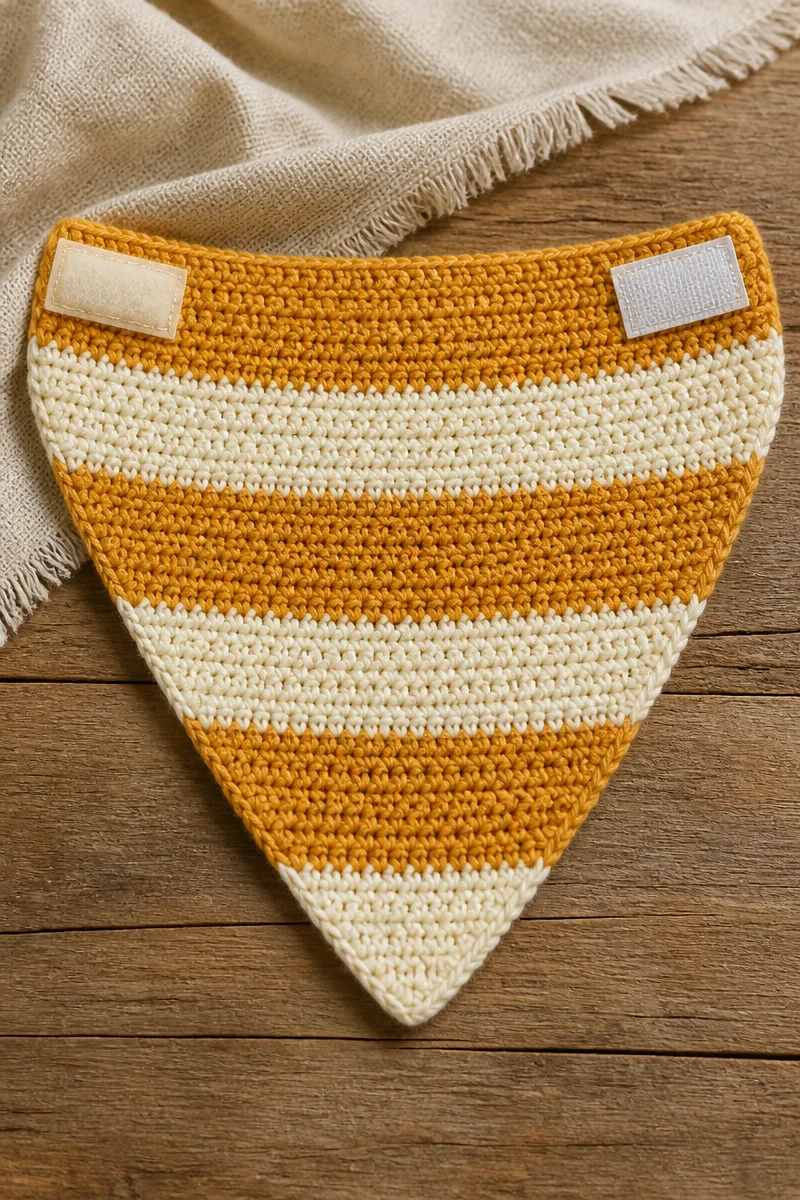
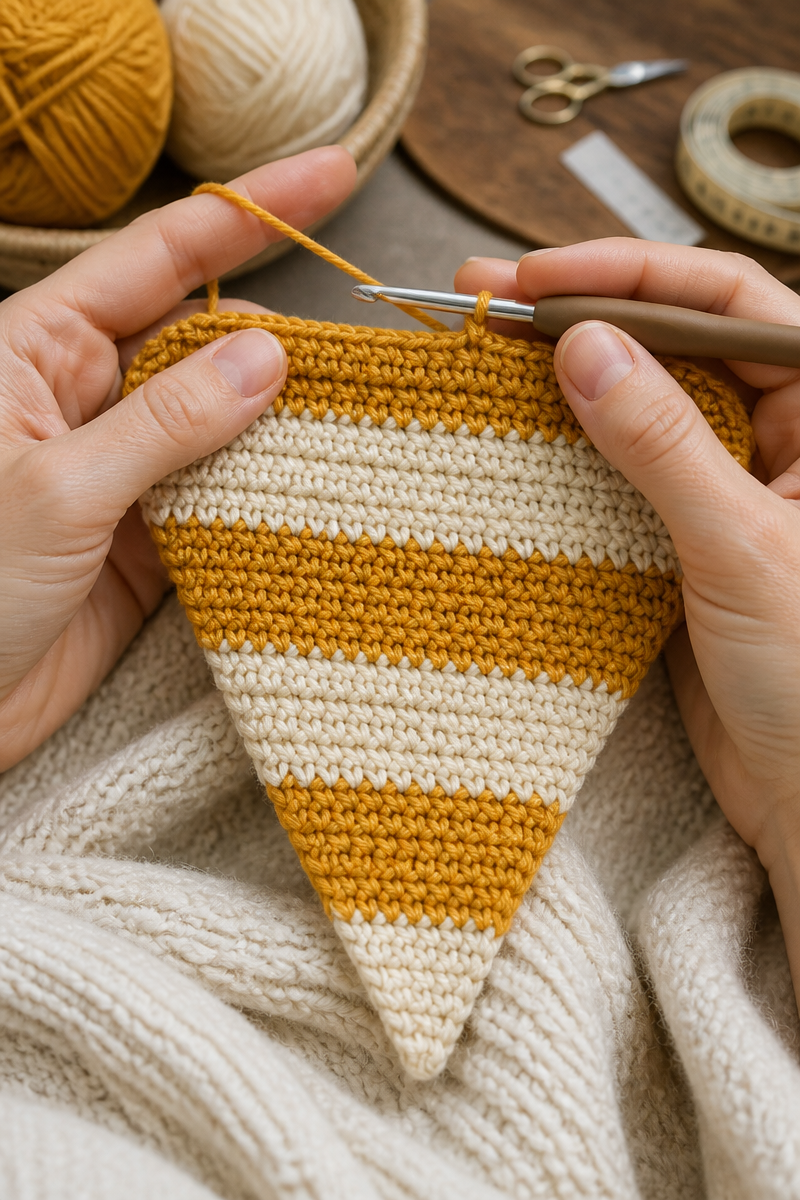
A crochet bandana bib is a small garment-style project shaped like a triangle or rounded triangle. Crocheters often work from the top edge toward the point, or begin at the point and increase stitches to form the wider bib. The exact shaping depends on the design.
The fabric can use basic stitches such as single crochet, half double crochet, or double crochet. In some designs, increases at the edges create the triangle shape; in others, rows of varied stitch heights form a gentle curve. The result is a soft, textured front that sits over a baby’s chest like a small bandana.
Crocheters enjoy this project because it is compact, easy to customize, and useful. A crochet harvest gold baby bandana bib can suit a fall outfit, but its simple shape also works in other colors throughout the year.
Why This Is a Great Choice for Baby Bandana Bibs
- It offers useful coverage. The triangular front rests over the chest and can help catch small drips during feeding or teething.
- It works up quickly. Since a bib is small, you can finish one without committing to a large project.
- It is easy to personalize. Adjust the color, edging, or fastening style to create a bib that feels special.
- It suits simple stitches. Basic crochet stitches can create a soft, attractive fabric, making the project a good choice for newer crocheters.
- It makes a practical gift. A handmade bib is small enough to pair with a blanket, hat, or other baby gift.
Yarn and Hook Recommendations
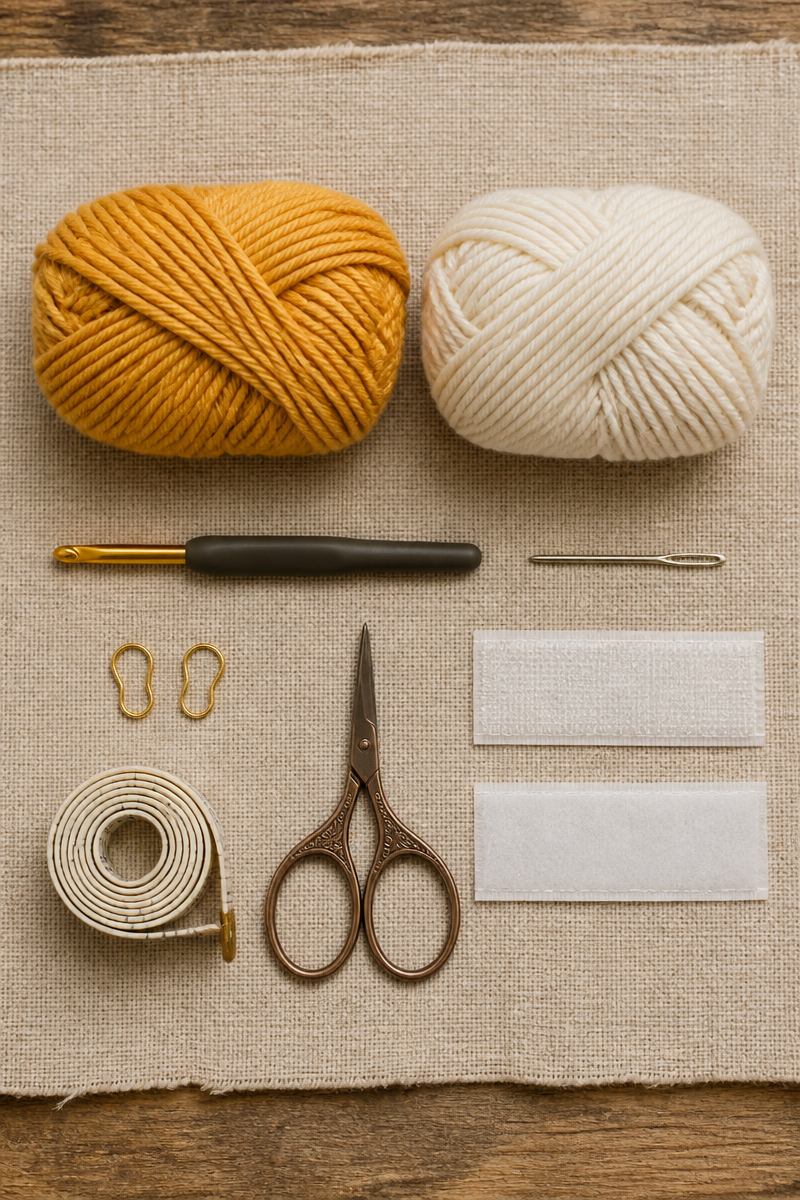
- Choose a smooth, washable yarn. A soft yarn that can handle frequent laundering is practical for a bib. Check the care label before you begin.
- Consider cotton or a cotton blend. Cotton often feels breathable and holds its shape well. However, it may feel less stretchy than some other fibers.
- Look at the yarn weight. Light worsted or DK yarn can make a comfortable fabric without feeling too bulky. Use the yarn weight called for by your chosen design when possible.
- Match your hook to the yarn and fabric. A hook in the range suggested on the yarn label is a useful starting point. Then make a small swatch and adjust if the fabric feels stiff or too loose.
- Aim for a soft, flexible texture. A bib should lie comfortably rather than stand away from the body. If your stitches feel tight, try a larger hook.
- Use harvest gold as an accent or main shade. This warm color pairs nicely with cream, rust, brown, and soft green. For a multicolor design, choose yarns with similar care instructions.
Tips for Crochet Bandana Bib Success
First, make a small swatch if you are unsure how your yarn and hook will work together. The fabric should feel soft and flexible, but it should not have large gaps. Also, check that the yarn feels comfortable against the skin, since a baby’s bib may touch the neck and chin.
Next, count stitches and increases at the end of each row. Even small shaping errors can make the bib lean to one side or develop an uneven edge. If you are following a pattern, read its notes before starting, especially any directions about turning chains and whether they count as stitches. Finally, take your time with the fastening and finishing. A neat edge helps the bib keep its shape, while secure closures are important for safe use.
Common Mistakes to Avoid
One common issue is uneven tension. If some rows are tight and others are loose, the bib may look lopsided or feel stiff. Instead, pause now and then to check the fabric and relax your hands if they feel tense.
Miscounting increases can also change the shape. As a result, the bib may not form a balanced triangle. Count each row carefully, and use a stitch marker at the edge if it helps you keep track.
Choosing yarn only for its color can lead to a bib that feels scratchy, bulky, or difficult to wash. Before making a crochet harvest gold baby bandana bib, check the fiber content and care label. Also, avoid very open stitches if you want a more substantial fabric for catching drips.
Finally, do not assume that every edge will lie flat without checking it. Curling can come from tight tension, an unsuitable hook size, or the way the stitches are shaped. A gentle adjustment to your hook or edging may help, but follow the design’s instructions before adding extra rows.
Care and Washing Instructions
Washing: Follow the yarn label first. Many cotton and cotton-blend yarns can be machine washed on a gentle cycle, but some fibers need hand washing. Use mild detergent, and place the bib in a mesh laundry bag if you want to reduce snags.
Drying: Reshape the bib while it is damp, then lay it flat on a clean towel to dry. Avoid high heat unless the yarn label specifically allows it, since heat can affect the fabric or fastening.
Blocking: Light blocking can help even the edges and settle the triangle into shape. However, heavy blocking is usually unnecessary for a small bib. Pin it gently into shape, and avoid stretching it wider or longer than intended.
More Ideas to Try
Once you finish a crochet harvest gold baby bandana bib, try another bib in a soft stripe or two-color edge, or explore a simple single crochet, half double crochet, or moss stitch texture. You might also enjoy making a matching baby hat or a small washcloth from the same washable yarn.
Conclusion
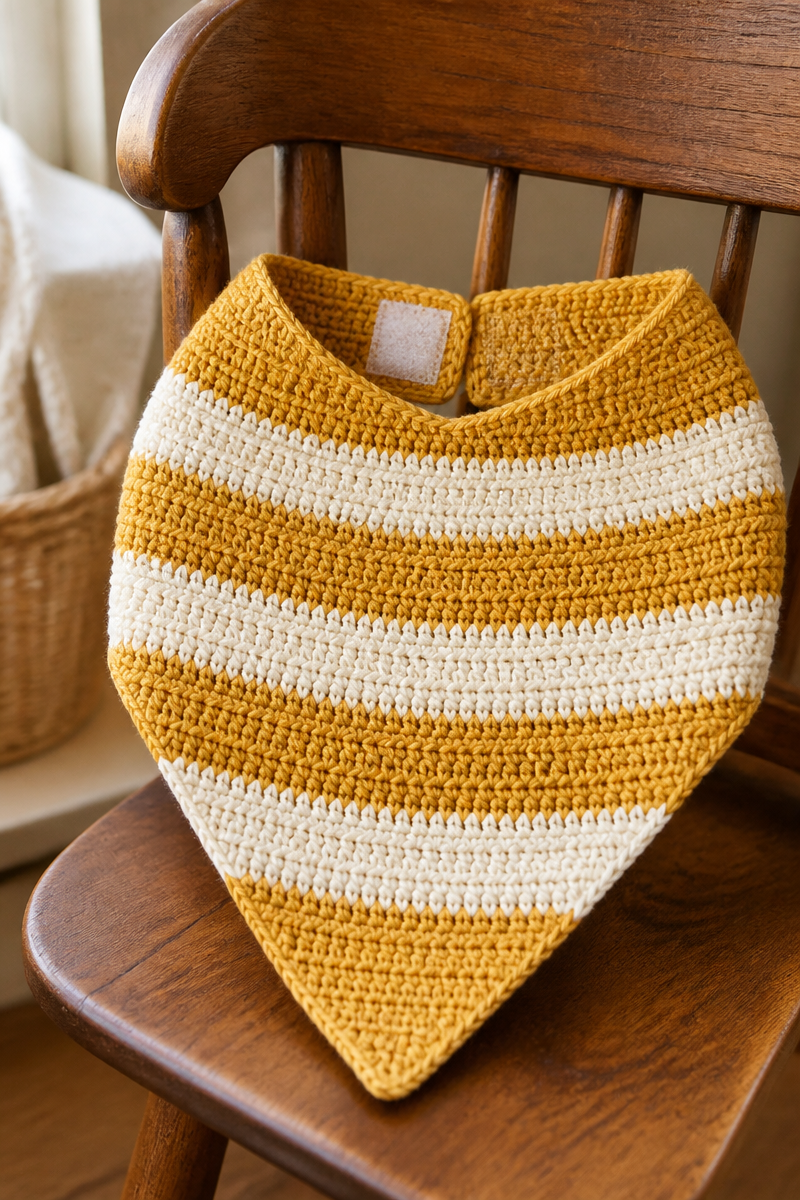
A crochet bandana bib is a small, useful project that gives you plenty of room to play with color and texture. Choose a soft, washable yarn, keep your shaping even, and finish the edges and fastening with care. Then your crochet harvest gold baby bandana bib can be both charming and practical.
Gather your yarn and try the project at your own pace. When you’re done, share your color choices and finished bib, or explore more beginner-friendly crochet guides on the blog.