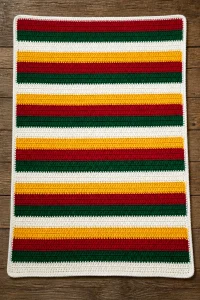
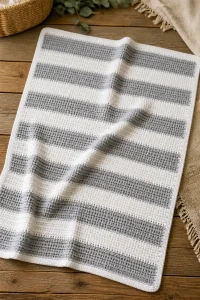
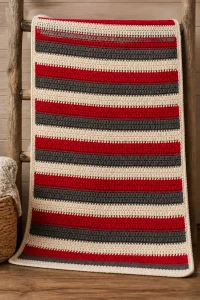
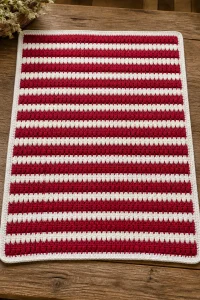
Crochet Brown Sugar Alternating Baby Blanket

Affiliate disclosure: This post may contain affiliate links. I may earn a small commission at no extra cost to you. See our Privacy Policy for details HERE.
Crochet baby blankets have a special way of feeling both practical and personal. That is one reason I love the Crochet Brown Sugar Alternating Baby Blanket style so much. It has a cozy look, a gentle rhythm, and a soft, comforting feel that makes it a joy to stitch and to gift.
What makes this kind of alternating blanket stand out is its balanced texture and calm, even look. Because the stitch pattern changes in a simple repeat, it creates visual interest without feeling busy. As a result, it works well for babies, for nursery decor, and for anyone who wants a blanket that looks sweet and feels comforting.
In this guide, you will learn what the alternating stitch idea means, why it works so well for a baby blanket, and how to choose yarn and hook choices that give you the best result. You will also find helpful tips, common mistakes to avoid, and care advice so your Crochet Brown Sugar Alternating Baby Blanket turns out soft, neat, and ready to love.
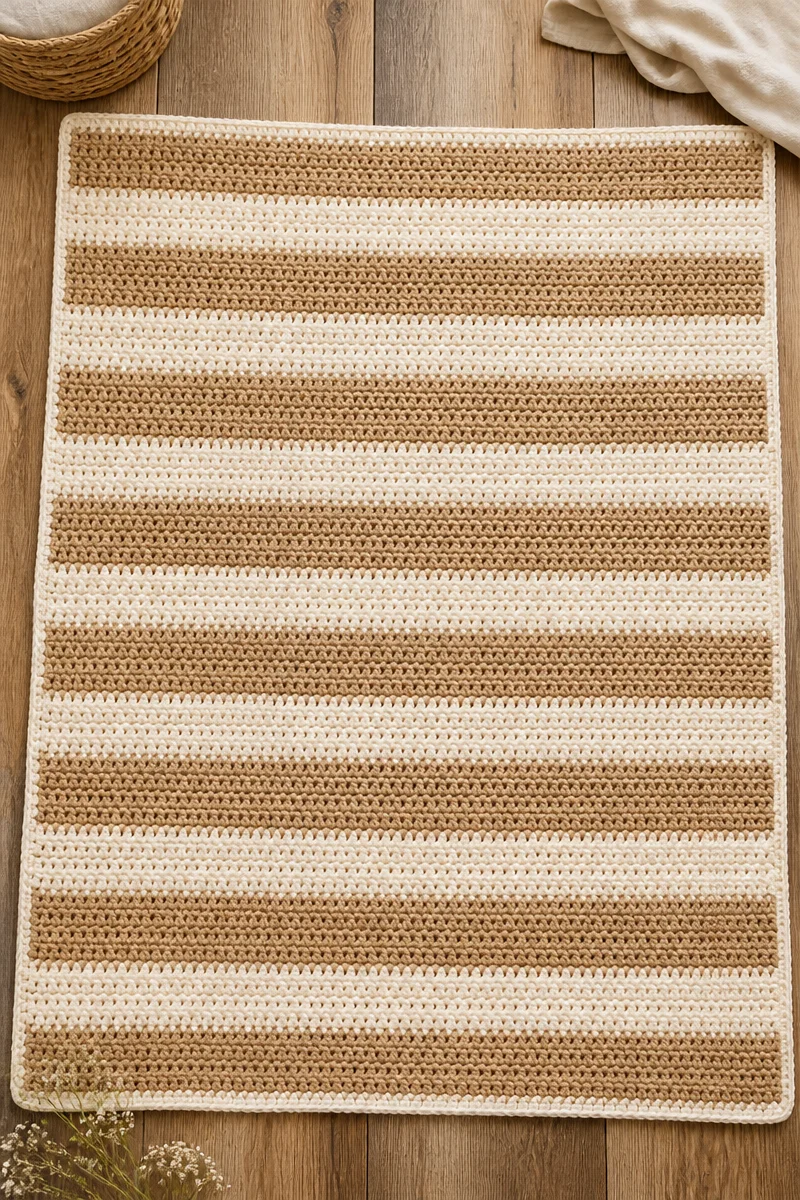
What Is the Alternating Stitch Technique?
The alternating stitch technique is a simple crochet method where one stitch or texture is worked, then another stitch or texture follows it in a repeat. Often, this means alternating between two stitch types, two heights, or two visual textures. Because of that, the fabric develops a gentle pattern that feels more interesting than plain rows, yet it still stays easy to follow.
In a Crochet Brown Sugar Alternating Baby Blanket, the word “alternating” usually points to this back-and-forth rhythm. For example, a row may switch between basic stitches and textured stitches, or between front-facing and back-facing details. This gives the blanket a warm, layered look, while still keeping it smooth enough for everyday use.
Crocheters like this technique because it is relaxing, predictable, and forgiving. Also, it works well for many skill levels. Beginners can enjoy the repeat, while more experienced makers can use the same structure to create rich texture and color changes.
Why This Is a Great Choice for Baby Blankets
- Soft, comforting texture: The alternating stitch style creates a gentle surface that feels cozy without being too heavy.
- Pretty without being fussy: It adds visual charm, and yet it does not need complicated shaping or hard-to-read rows.
- Works well with baby yarn: This project looks beautiful in soft fibers, so it suits blankets meant for everyday snuggling.
- Good drape: The fabric often hangs nicely, so the blanket feels flexible and comfortable rather than stiff.
- Easy to customize: You can change colors, stitch repeats, or border styles, and still keep the same calm baby blanket feel.
Yarn and Hook Recommendations
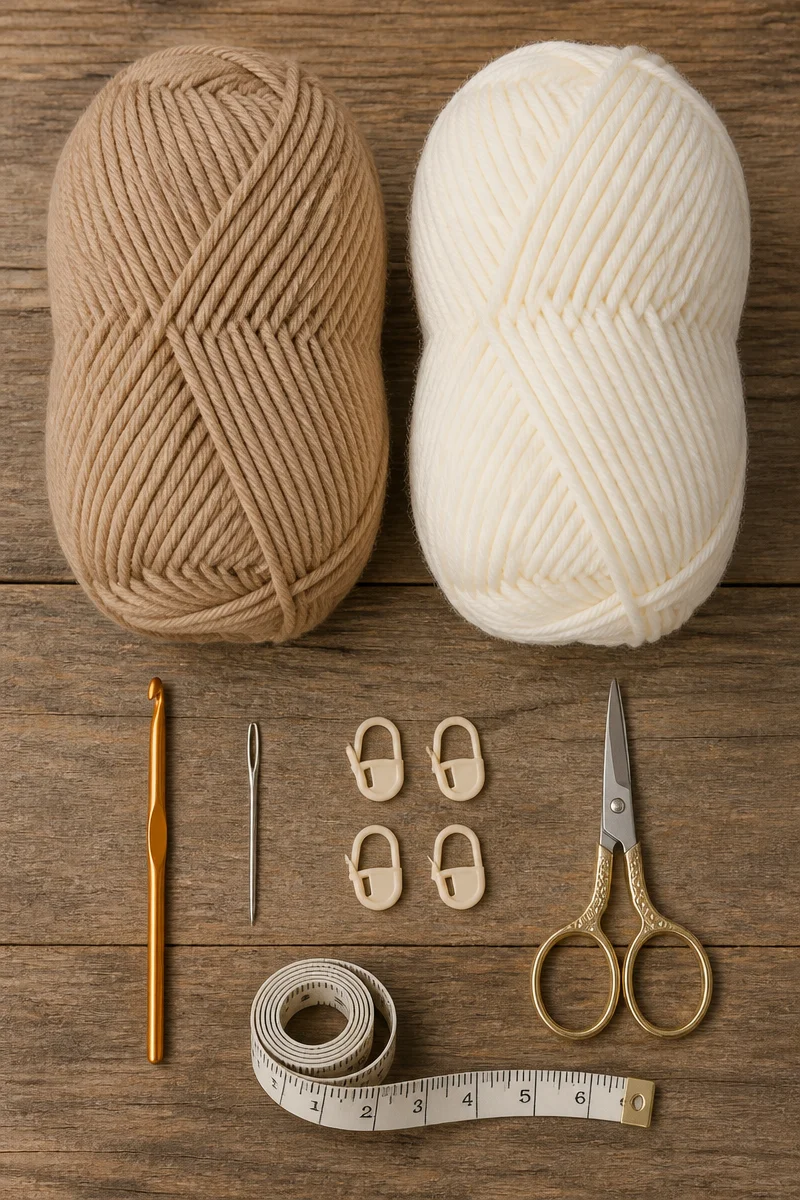
- Light worsted or DK yarn: These weights often give a baby blanket the right balance of warmth, softness, and drape.
- Baby-safe acrylic yarn: This is a practical choice because it is usually soft, washable, and easy for parents to care for.
- Cotton or cotton blend yarn: If you want a cooler feel, cotton can be a smart pick, especially for warmer climates.
- Wool blend yarn: A soft wool blend can add warmth, but make sure it feels gentle against the skin.
- A hook size that matches the yarn label: This is a good starting point, and it helps keep the stitches even.
- Try a slightly larger hook if needed: Many crocheters size up a little for baby blankets because it often improves drape and softness.
Tips for Alternating Stitch Success
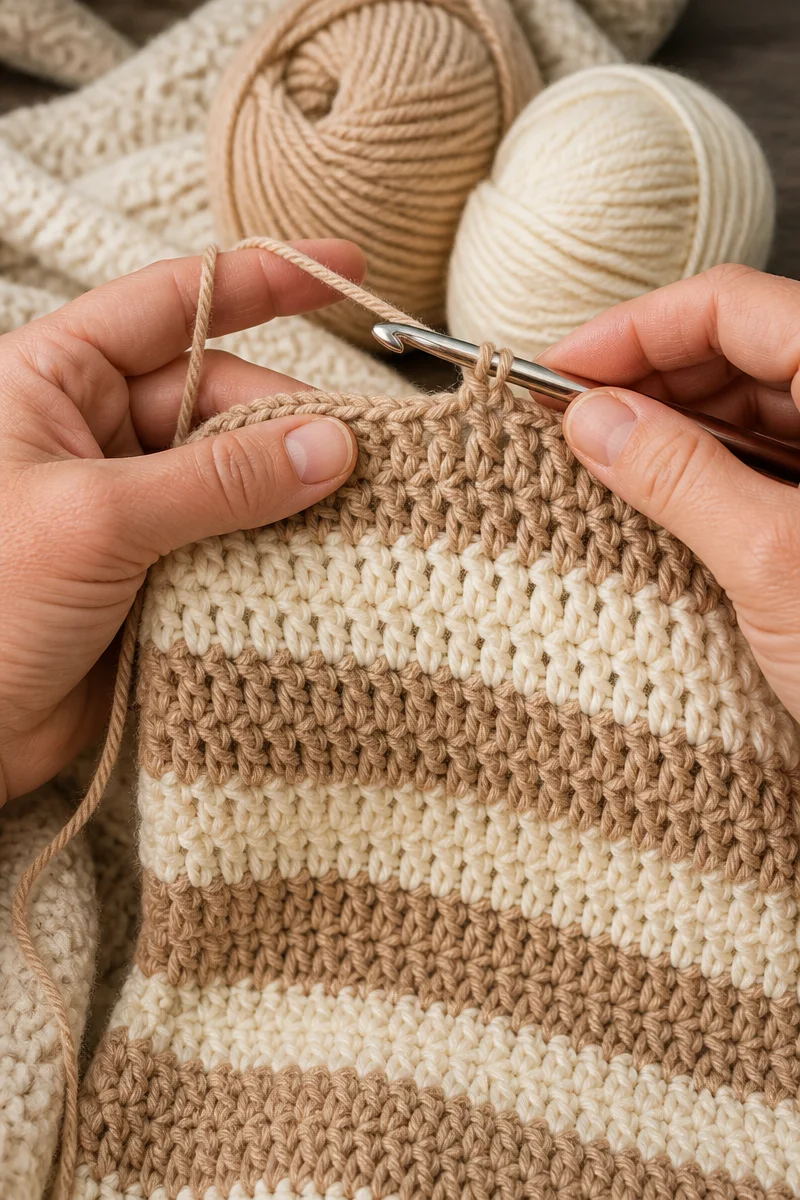
First, keep your tension even. Since the alternating stitch pattern depends on balance, tight spots can make the blanket pull in, while loose spots can make it look uneven. Therefore, try to crochet in a steady rhythm and relax your hands often.
Next, count your stitches at the end of each row or repeat section. This matters because alternating patterns can hide small mistakes at first. Also, use stitch markers if you tend to lose your place. They can save time and reduce stress, especially on larger blankets.
Finally, read the pattern notes carefully if you are following a written design. Some alternating stitch patterns use chains, skips, or special stitches that change from row to row. So, take your time at the beginning. Once the repeat clicks, the project often becomes wonderfully soothing.
Common Mistakes to Avoid
One common mistake is uneven tension. If one stitch type is worked tightly and another more loosely, the fabric may ripple or look lumpy. To avoid this, slow down and keep each row as steady as you can.
Another issue is miscounting the repeat. Because the blanket depends on a repeated structure, even one missed stitch can throw off the pattern. For that reason, check your count often, especially after the first few rows or when you pause and come back later.
You may also notice curled or wavy edges if the stitch ratio is not balanced. This can happen when one stitch pulls more than another. However, a proper border often helps smooth things out, and blocking may help too if the yarn allows it.
Finally, choosing the wrong yarn weight can change the whole look of the project. A yarn that is too thick may make the blanket heavy, while yarn that is too thin may not show the texture well. So, choose a yarn that supports softness, drape, and clear stitch definition.
Care and Washing Instructions
Washing: In general, follow the yarn label first. Most baby blankets made with acrylic or cotton blend yarn can be machine washed on a gentle cycle with mild detergent. However, if you use wool or a delicate fiber, hand washing may be safer.
Drying: Lay the blanket flat to dry when possible. This helps keep the shape neat and protects the texture. If the yarn label allows machine drying, use low heat and remove the blanket while it is still slightly damp.
Blocking: Blocking can help the Crochet Brown Sugar Alternating Baby Blanket look more polished, especially if the edges need help settling. In addition, blocking can improve stitch definition and even out the shape. Still, always check the yarn fiber first, since some fibers respond better to blocking than others.
More Ideas to Try
If you enjoy this style, you may also like a granny stitch baby blanket, a simple ripple blanket, a seed stitch blanket, or a textured striped throw. Each one offers a lovely mix of rhythm and texture, and each can help you build confidence with repeated crochet patterns.
Conclusion
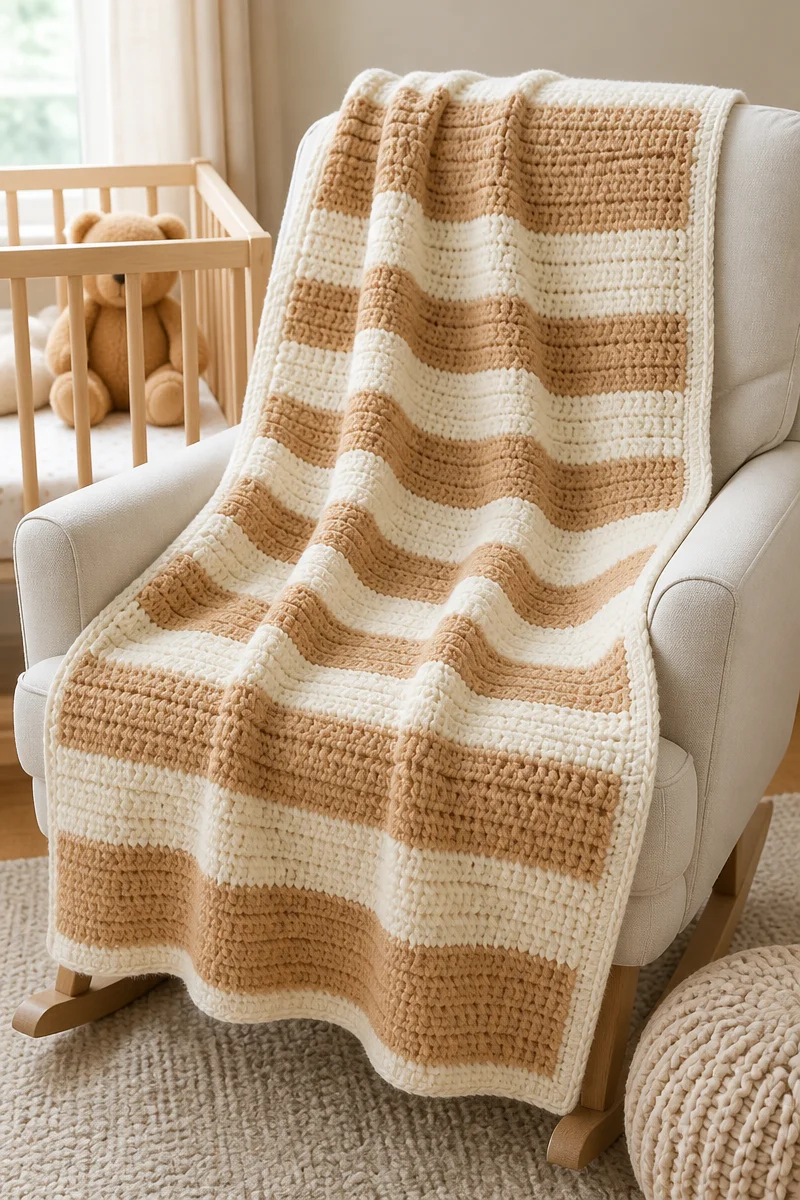
The Crochet Brown Sugar Alternating Baby Blanket is a beautiful example of how a simple repeating stitch can create something warm, useful, and full of charm. It offers texture, softness, and a calm working rhythm, so it is a lovely choice for both new and experienced crocheters. Plus, with the right yarn, hook, and a little attention to tension, you can make a baby blanket that feels special from the first row to the last.
If you are ready for your next cozy project, give the alternating stitch style a try. Then, share your finished blanket, compare yarn choices, or explore more crochet guides to keep your hook moving and your ideas growing.