Crochet Frosty Blue Baby Arm Warmer
Affiliate disclosure: This post may contain affiliate links. I may earn a small commission at no extra cost to you. See our Privacy Policy for details HERE.
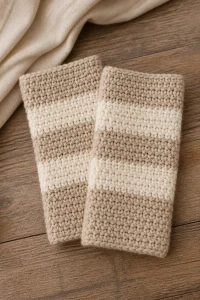
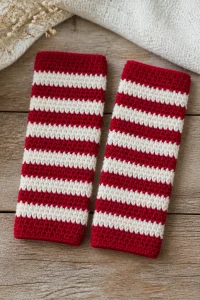
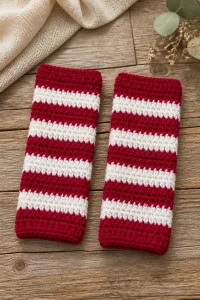
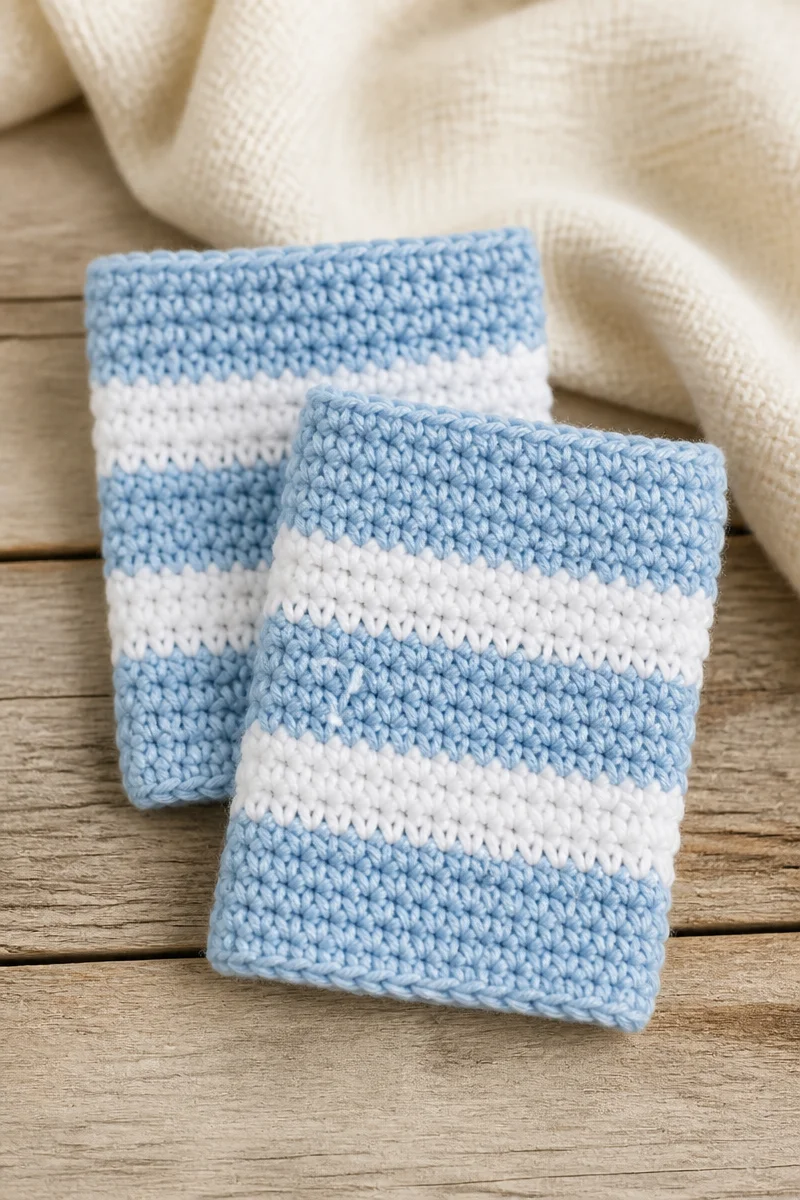
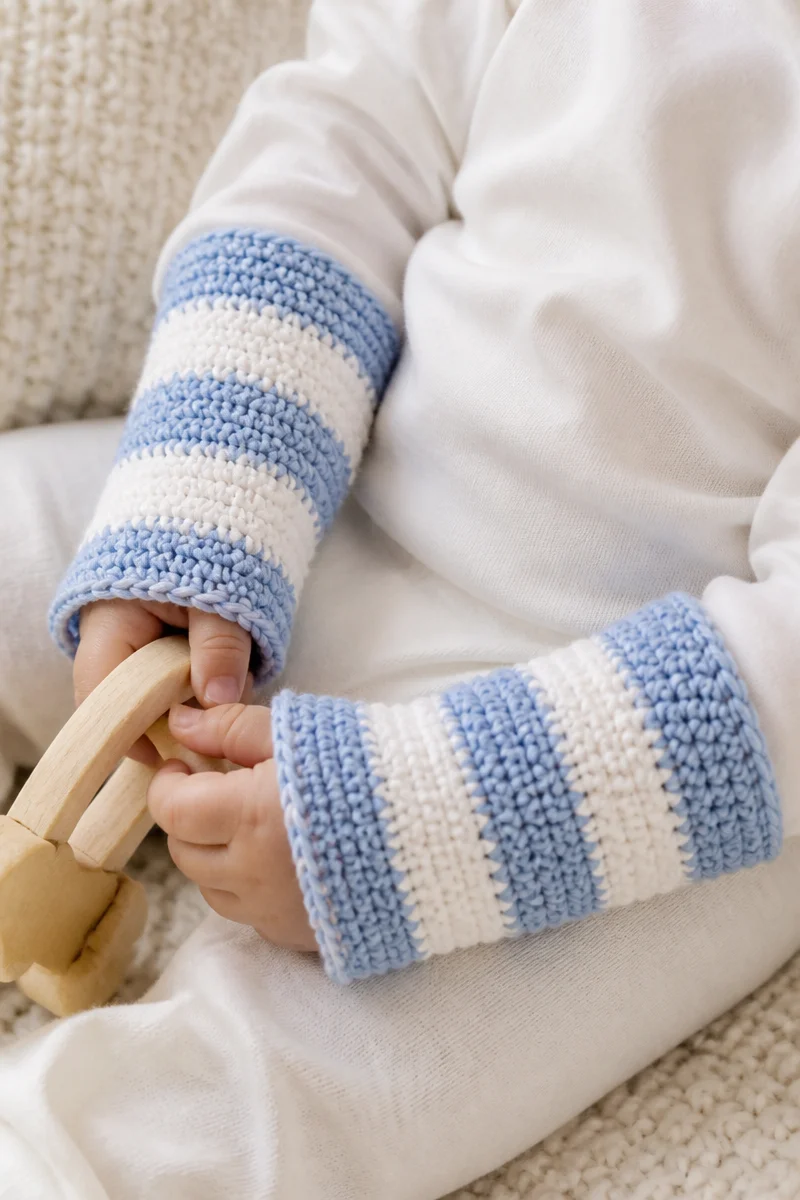
A crochet frosty blue baby arm warmer is a sweet little project with a practical purpose. I love how a pair can add a cozy layer for a baby while leaving little fingers free to move. The cool blue shade also gives the finished warmers a calm, wintry look that feels lovely for everyday wear or as a handmade gift.
Baby arm warmers are usually simple tubes that cover the wrist and forearm. They can be worked in a stretchy ribbed stitch or a smooth basic stitch, so the fabric stays soft and easy to put on. The project is small, portable, and a good choice for beginners who are ready to practice working in rounds and making a comfortable fit.
In this guide, you will learn how the crochet baby arm warmer style is shaped, which yarn and hook choices work well, and how to make the fabric comfortable for a baby. You will also find tips for even stitches, care advice, and common mistakes to watch for.
What Is the Crochet Baby Arm Warmer Stitch?
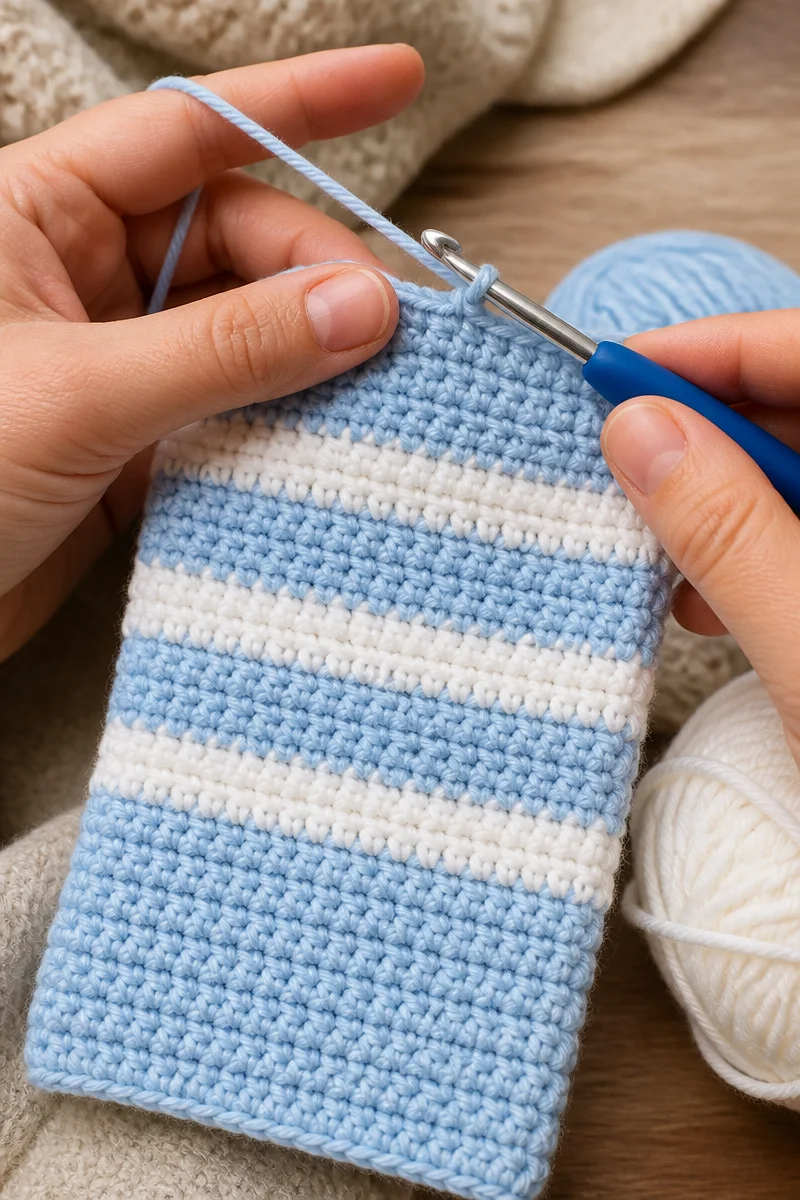
A crochet baby arm warmer is a small wearable project, rather than the name of one particular stitch. Many designs use single crochet, half double crochet, or double crochet for the main fabric. They may also use front-loop-only stitches to create ribbing at the cuffs.
To work ribbing, a crocheter makes stitches into the front loop of the stitches in the previous row or round. This leaves the back loop free and forms soft raised lines. As a result, the fabric can stretch around the wrist and forearm while keeping a neat, textured look.
For a simple, smooth arm warmer, basic stitches can be worked in joined or continuous rounds. Either way, the fabric should feel soft and flexible, not tight or stiff. Because babies have delicate skin, choose a comfortable stitch pattern with no rough edges or loose details.
Why This Is a Great Choice for Baby Arm Warmers
- It adds a light layer: Baby arm warmers can help cover the arms without enclosing the hands.
- It works up quickly: The small size makes this a manageable project, even if you crochet in short sessions.
- It offers room for texture: Ribbing gives the cuffs a cozy look and can help them sit comfortably.
- It uses simple stitches: Single crochet and half double crochet are easy to learn and keep the fabric tidy.
- It makes a thoughtful gift: A pair in frosty blue can be a charming addition to a handmade baby set.
Yarn and Hook Recommendations
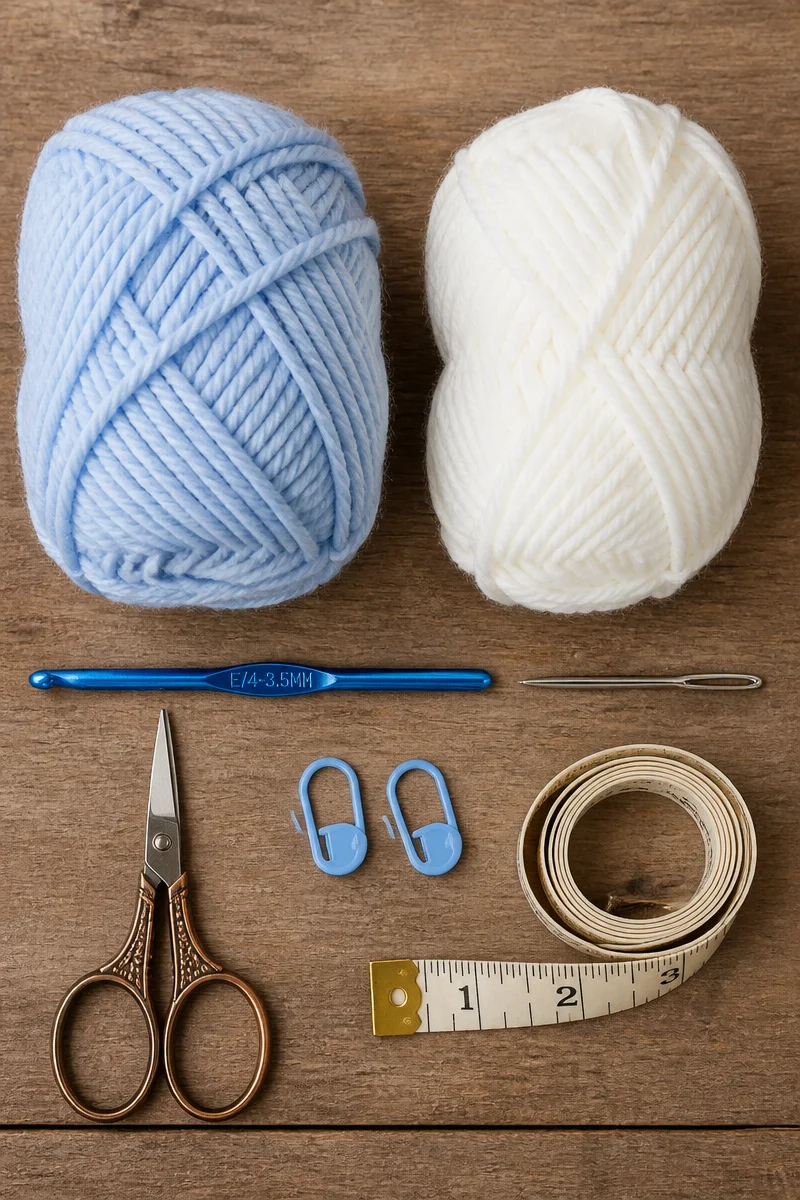
- Choose a soft, washable yarn: Baby-safe acrylic or a soft cotton blend is often practical because it is gentle and easy to care for.
- Consider a lightweight yarn: DK or light-worsted yarn can make a warm but flexible fabric. Check the pattern’s suggested yarn weight before you begin.
- Use a hook suited to the yarn: Many designs use a hook around 4 mm to 5.5 mm, but the yarn label and your gauge matter more than a general size.
- Make a small swatch first: A test piece shows whether your stitches feel too tight or too loose for a comfortable fit.
- Look for smooth fibers: Smooth yarn is easier to work with and less likely to create scratchy seams or bulky spots.
- Pick a color that is easy to maintain: Frosty blue looks lovely, and a washable yarn helps keep the finished arm warmers ready for regular use.
Tips for Crochet Baby Arm Warmer Success
First, check the intended size and fit before you start. Baby clothing needs to feel comfortable and should never restrict movement or circulation. If you are adapting a design, measure the baby’s arm only when appropriate, and leave enough ease for a gentle fit. Also, keep the fabric stretchy rather than relying on a tight cuff to hold it in place.
Next, count your stitches regularly, especially when working in rounds. Mark the start of each round so you can spot where it begins. If you use front-loop-only ribbing, look closely at the top of each stitch before inserting your hook. A small swatch can also help you settle into an even rhythm before making both warmers.
Common Mistakes to Avoid
One common mistake is crocheting too tightly. Tight stitches can make the arm warmer stiff and hard to put on. If the fabric feels firm, try a larger hook or loosen your grip slightly.
Another pitfall is losing track of the round count. This can make one warmer longer than the other or create a slanted edge. Use a stitch marker, and compare the two pieces as you work.
Yarn choice can also affect comfort. A thick, scratchy, or heavily textured yarn may feel rough against a baby’s skin. Instead, choose a soft yarn and check the care label so you know how to wash it safely.
Finally, avoid adding buttons, beads, ties, or other small decorations that could come loose. Keep baby wearables simple, secure, and suitable for supervised use. Check the finished piece for loose yarn ends and rough seams before use.
Care and Washing Instructions
Washing: Follow the yarn label first. Many acrylic and cotton-blend yarns can be washed on a gentle cycle with mild detergent. For delicate fibers, hand washing may be the better choice. Rinse well, and avoid harsh products that could irritate sensitive skin.
Drying: Gently press out extra water without twisting the fabric. Then lay the arm warmers flat on a clean towel to dry. This helps them keep their shape.
Blocking: Small arm warmers usually need little or no blocking. If the edges look uneven, lightly shape the damp pieces and let them dry flat. Avoid stretching the cuffs, since they need to keep their comfortable fit.
More Ideas to Try
Once you have made a pair of frosty blue baby arm warmers, try a matching ribbed baby hat or booties. You could also explore a moss stitch cowl, a pair of simple fingerless mitts for an adult, or arm warmers in a different color with a contrasting cuff. These small projects let you practice texture while making useful handmade gifts.
Conclusion
A crochet frosty blue baby arm warmer is a small, useful project that can be made with simple stitches and soft yarn. Choose a gentle fiber, check your stitch count, and aim for a flexible fit. Most of all, keep the finished piece comfortable and secure for the baby.
Pick a favorite shade of blue, make a small swatch, and enjoy creating a cozy pair. When you finish, share your results or explore more baby crochet guides on the blog for your next project.