Crochet Fall Feather Shell Baby Blanket

Affiliate disclosure: This post may contain affiliate links. I may earn a small commission at no extra cost to you. See our Privacy Policy for details HERE.
If you have spent any time around baby blankets, you already know why the feather shell stitch gets so much love. It has that soft, graceful look that feels timeless, yet it still feels fresh and cozy. For a Crochet Fall Feather Shell Baby Blanket, that matters a lot, because the fabric should feel warm, gentle, and pretty without looking too busy.
What makes this style special is the texture. The feather shell stitch gives you a lovely mix of open spaces and full, layered shapes. As a result, the blanket has a soft drape and a delicate look that works well for babies. It is also a great choice for crocheters who want a project that looks polished but does not feel too complicated.
In this guide, you will learn what the feather shell stitch is, why it works so well for a baby blanket, and how to choose the best yarn and hook. You will also get practical tips, common mistakes to avoid, and simple care advice. So, whether you are making one for a baby shower or just enjoying a seasonal project, this guide will help you feel more confident.
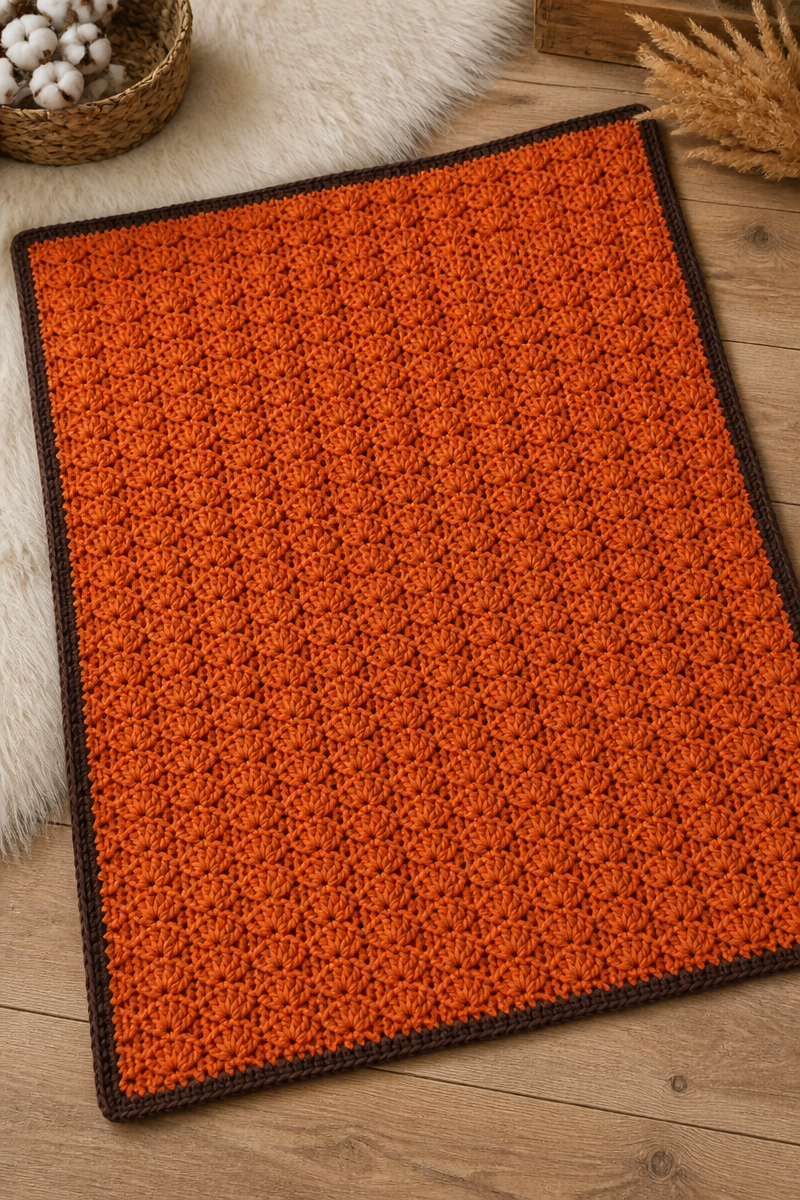
What Is the Feather Shell Stitch?
The feather shell stitch is a pretty crochet stitch that combines tall stitches, spacing, and shell-like clusters to create a light, flowing texture. In many versions, it uses groups of stitches worked into the same space, then followed by chain spaces or taller stitches that help the design stretch and move. Because of that, the stitch often looks airy, soft, and a little lacy, while still feeling substantial enough for a blanket.
Crocheters like the feather shell stitch because it gives a lot of beauty without needing a complicated skill level. It creates a graceful row pattern, and once you understand the repeat, it becomes soothing to work. Also, the stitch has a nice rhythm, which many makers find relaxing, especially on longer projects like a baby blanket.
Why This Is a Great Choice for Baby Blankets
- Soft and cozy feel: The feather shell stitch creates a gentle fabric that feels nice for a baby blanket.
- Beautiful texture: It adds visual interest, so the blanket looks special without needing extra decoration.
- Nice drape: The stitch often falls well, which helps the blanket wrap comfortably.
- Works well for seasonal colors: A Crochet Fall Feather Shell Baby Blanket looks lovely in warm autumn shades like rust, gold, cream, and sage.
- Good for gifting: Because the stitch looks refined, it makes the blanket feel thoughtful and handmade.
- Flexible for different yarns: You can adjust the look by using cotton, acrylic, or soft blends, depending on the finish you want.
Yarn and Hook Recommendations
- Light worsted or DK yarn: These weights often give the best balance of softness and stitch detail for a baby blanket.
- Baby acrylic yarn: This is a practical choice because it is soft, washable, and easy to care for.
- Cotton blends: If you want a cooler feel and a clean stitch definition, cotton blends can work very well.
- Soft bamboo blends: These offer a smooth touch and a gentle drape, which suits the flowing look of the stitch.
- Hook size one step up if needed: A slightly larger hook can help the fabric feel softer and less tight, which is useful for blankets.
- Medium hook for structure: If you want the shells to stand out more, use the hook size suggested on the yarn label, then check your gauge and adjust from there.
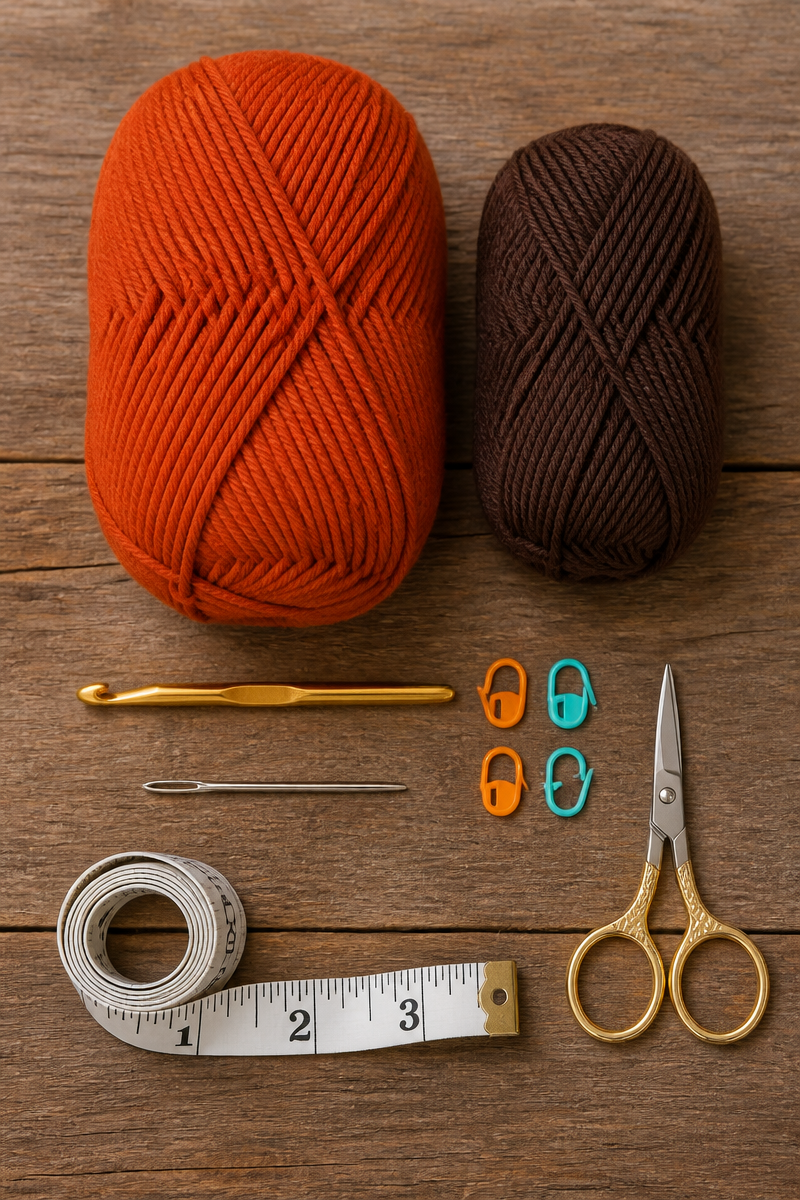
Tips for Feather Shell Stitch Success
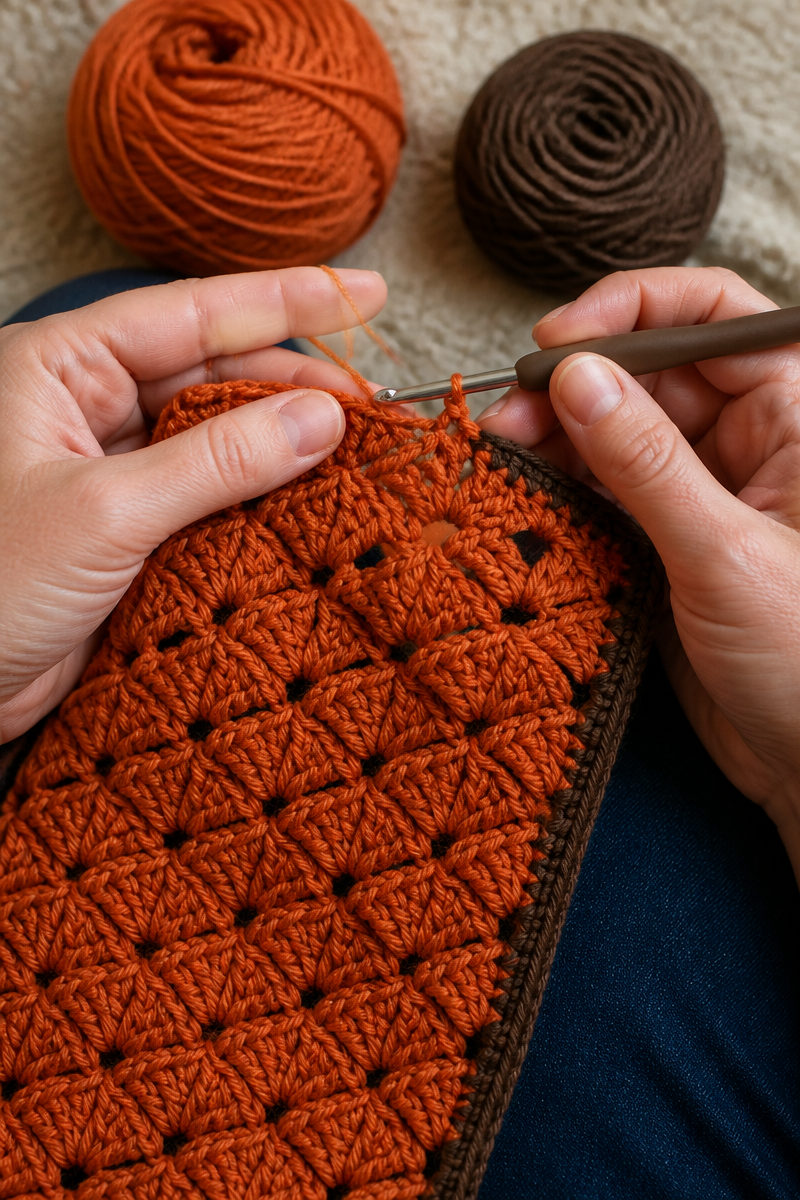
The feather shell stitch looks best when your tension stays even. So, try to keep your stitches relaxed, not tight. If your hands tend to get stiff, take short breaks. This can help you keep the blanket soft and smooth from edge to edge. Also, a looser tension often makes the fabric drape better, which is important for a baby blanket.
Counting is another helpful habit. Since shell-style stitches often rely on chain spaces and repeated stitch groups, it is easy to lose your place if you rush. Therefore, mark your starting point and check your rows often. In addition, read through the pattern before you begin so you understand how the repeat works. That way, the process feels calmer and more enjoyable.
Common Mistakes to Avoid
One common mistake is using a yarn that is too thick. A bulky yarn can hide the lovely detail of the feather shell stitch, and it may also make the blanket feel heavy. Instead, choose a softer, lighter yarn that lets the texture show.
Another issue is uneven tension. If some rows are tight and others are loose, the blanket may look wavy or pulled in spots. So, try to keep your stitch size steady. If your tension changes as you crochet, pause and reset your grip.
Miscounting is also easy with this style. Because the stitch pattern often has chain spaces and repeated groups, one missed stitch can change the whole row. Therefore, use stitch markers if needed, and check your count at the end of each row. That small habit can save a lot of frogging later.
Finally, some crocheters notice curling or uneven edges. This can happen if the foundation row is too tight or if the stitches on the sides are not kept consistent. To help with that, keep your edges neat and consider adding a simple border when the blanket is done. A border can help square off the edges and give the project a finished look.
Care and Washing Instructions
For washing, follow the yarn label first. In most cases, a Crochet Fall Feather Shell Baby Blanket made with baby acrylic or a soft blend can be machine washed on a gentle cycle with mild detergent. If you use cotton or a more delicate fiber, hand washing may be the safer choice. Also, avoid strong bleach or harsh cleaners, since those can weaken the fibers.
For drying, laying the blanket flat is usually best. This helps it keep its shape and prevents stretching. If the yarn label allows tumble drying, use low heat and remove the blanket while it is still slightly damp. Then smooth it flat and let it finish drying naturally.
Blocking can be helpful, especially if you want the feather shell stitch to look more even. Light blocking can open the stitch pattern and improve the drape. However, be gentle. Since this is a baby blanket, you do not need a stiff or overly stretched finish. A soft block is often enough.
More Ideas to Try
If you enjoy this look, you may also like a shell stitch baby blanket, a feather and fan afghan, a crochet baby shawl, or a lightweight lap blanket using the same soft, flowing stitch style. In addition, you could try changing the yarn weight or mixing in fall colors for a new seasonal version. Each variation gives the same lovely texture in a fresh way.
Conclusion
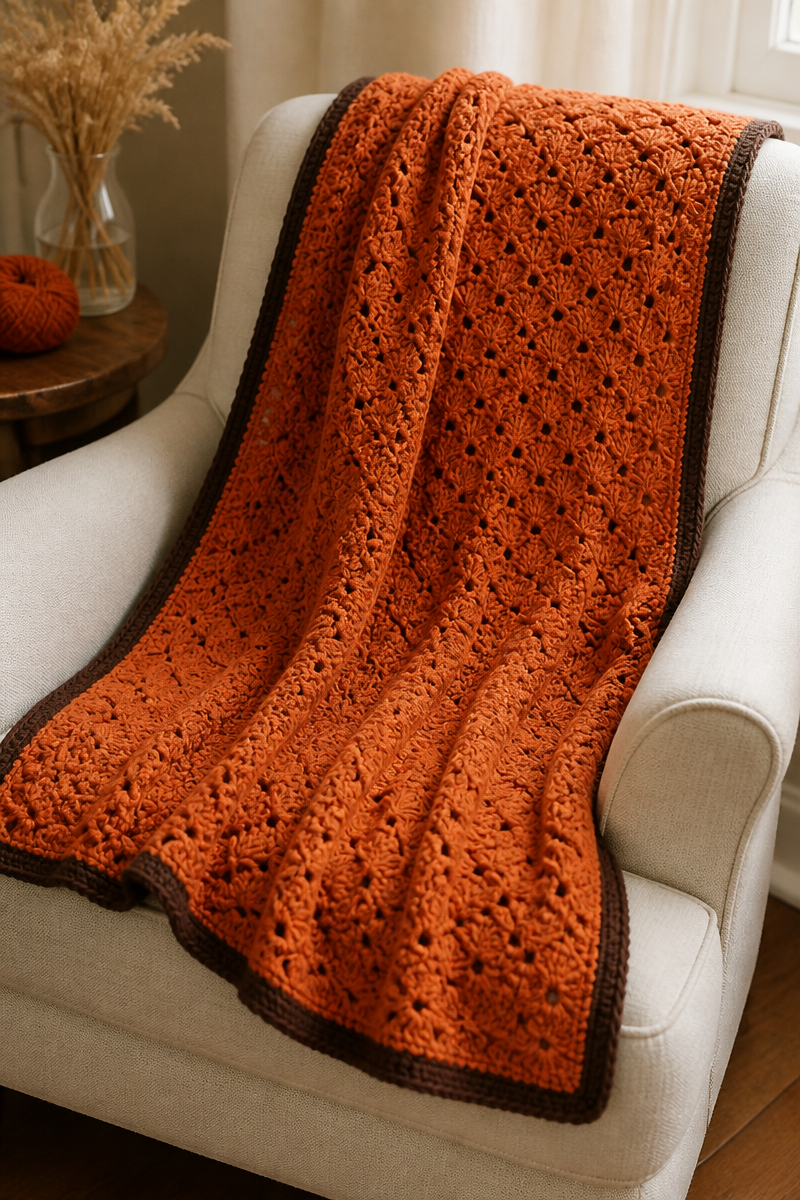
A Crochet Fall Feather Shell Baby Blanket is a beautiful project because it combines softness, texture, and a gentle handmade look. The feather shell stitch is elegant, yet it is still friendly enough for many crocheters to enjoy. With the right yarn, a comfortable hook, and a little attention to tension and counting, you can make a blanket that feels special and lasts well.
If this style speaks to you, I hope you will give it a try. Share your blanket when it is finished, and explore more crochet guides on the blog for even more cozy ideas.