Crochet Raccoon Baby Stuffed Toy

Affiliate disclosure: This post may contain affiliate links. I may earn a small commission at no extra cost to you. See our Privacy Policy for details HERE.
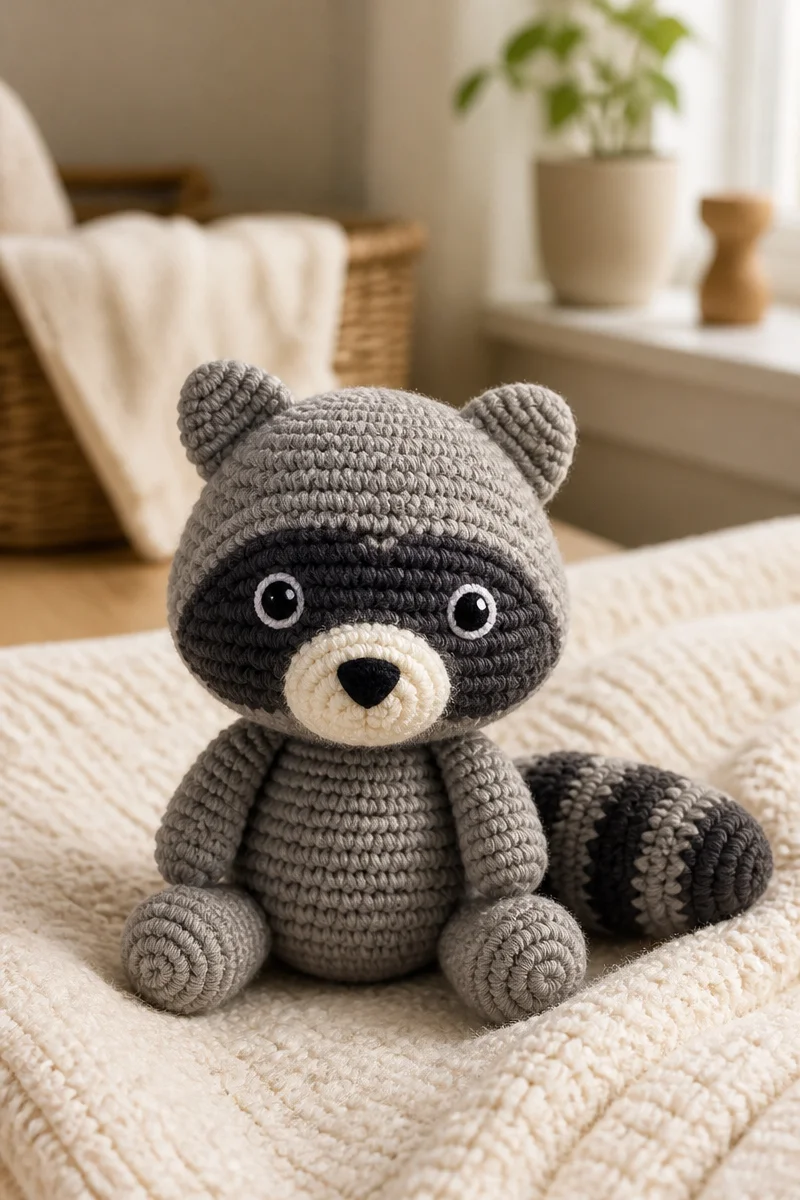
Crochet baby toys have a special charm, and a crochet raccoon baby stuffed toy is one of those projects that feels both playful and sweet. I have always loved how stuffed animals bring comfort, while also giving a maker the joy of shaping something soft and lasting with yarn. In addition, a raccoon design has a cozy, woodland feel that many crafters enjoy making for babies and young children.
What makes a crochet raccoon baby stuffed toy stand out is the mix of gentle texture, simple shaping, and cute detail. Usually, this kind of amigurumi-style project uses tight, neat stitches so the filling stays inside and the toy keeps its form. It is often a medium-level project, although careful beginners can still enjoy it with patience and practice. Because of that, it is a popular choice for baby gifts, nursery decor, and keepsake toys.
In this guide, you will learn what the main stitch and technique are, why this project type works so well, and how to choose the best yarn and hook. You will also find practical tips, common mistakes to avoid, and care advice so your finished crochet raccoon baby stuffed toy looks lovely and lasts well.
What Is the Amigurumi Stitch Technique?
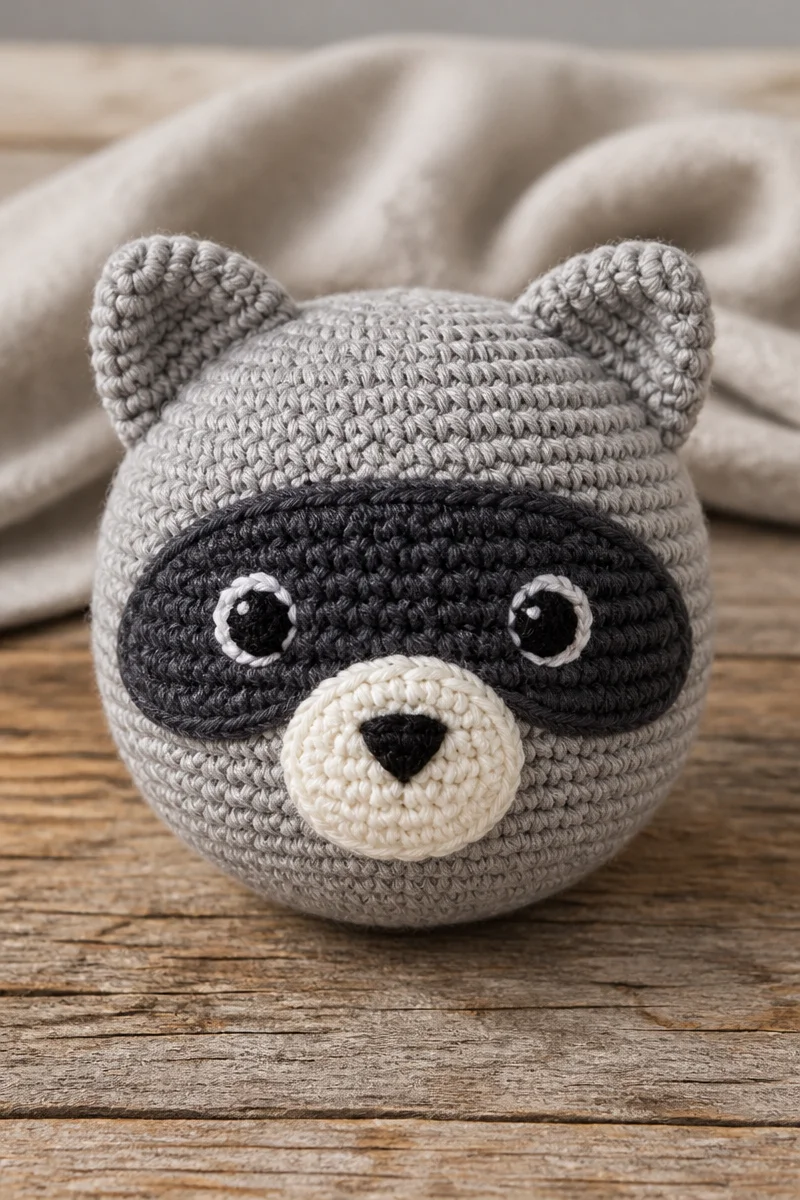
The main technique behind a crochet raccoon baby stuffed toy is amigurumi, which is the art of crocheting small stuffed toys. Most amigurumi pieces use single crochet, worked in the round, because this stitch creates a tight fabric with very small gaps. As a result, the stuffing stays neatly inside, and the toy looks smooth and firm.
A single crochet stitch is made by inserting the hook into the stitch, pulling up a loop, and then pulling yarn through both loops on the hook. It is simple, but when you repeat it many times, it builds a dense fabric that is ideal for toys. In addition, crocheters like this technique because it gives good shape control, which is important for details like ears, paws, a snout, and the raccoon’s face markings.
Why This Is a Great Choice for Baby Stuffed Toys
- Soft and cuddly feel: When made with baby-safe yarn, a crochet raccoon baby stuffed toy feels gentle in little hands.
- Strong shape: The tight amigurumi fabric helps the toy hold its form, even after lots of play.
- Baby-friendly size: This project can be made small enough for easy handling, yet large enough to be noticeable and cute.
- Easy to personalize: You can change colors, stripe placement, or facial details to make each toy unique.
- Great for gifts: A handmade crochet raccoon baby stuffed toy makes a thoughtful present for showers, birthdays, and nursery themes.
Yarn and Hook Recommendations
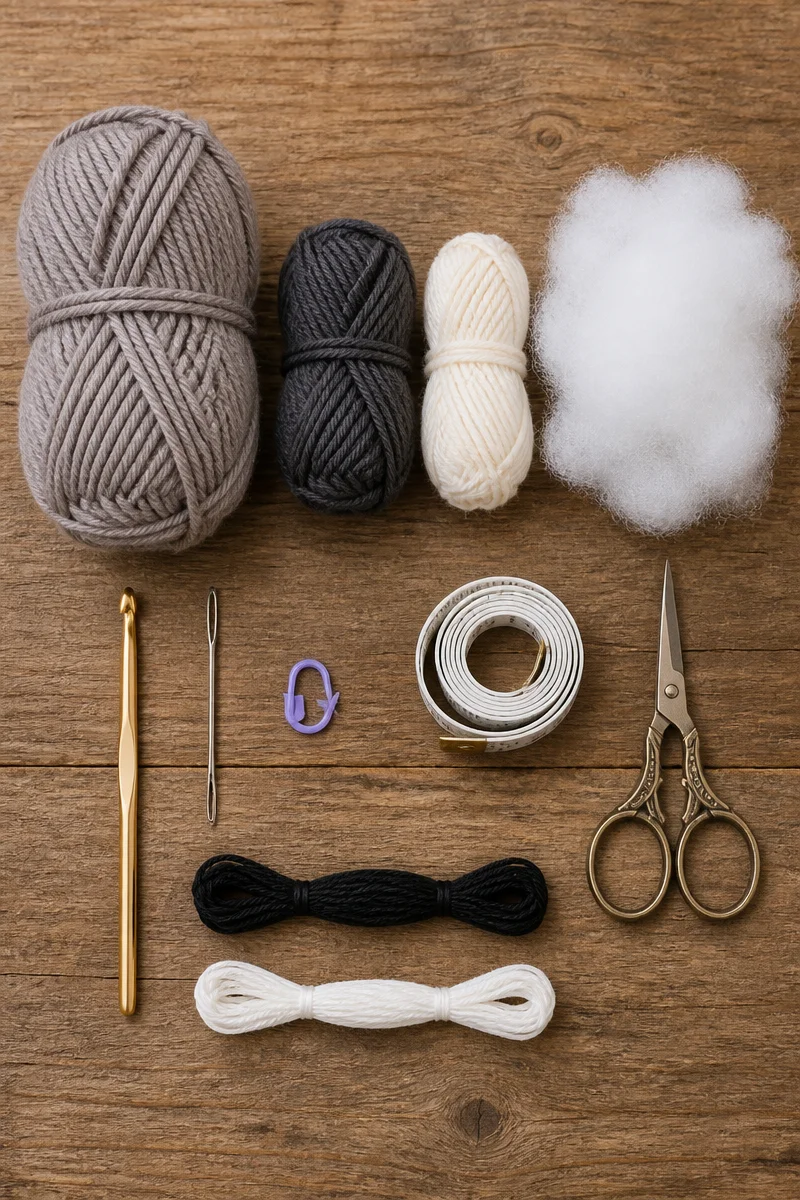
- Soft acrylic yarn, worsted weight: This is a practical choice because it is easy to wash, widely available, and often affordable for baby items.
- Cotton yarn, light worsted or DK weight: Cotton gives a clean finish and feels smooth, so it works well if you want a crisp-looking toy.
- Baby-safe plush yarn: For a very soft stuffed toy, plush yarn can create a cozy finish, although it may hide stitch details more than smoother yarn.
- Smaller hook than the yarn label suggests: Many amigurumi makers choose a hook size below the yarn recommendation so the stitches stay tight and the stuffing does not show through.
- 3.0 mm to 4.0 mm hook range: This size range often works well for a crochet raccoon baby stuffed toy, especially when using worsted or DK yarn.
- Safety eyes or embroidered features: For baby toys, embroidered eyes are often the safer choice, since small parts can be a choking risk.
Tips for Amigurumi Success
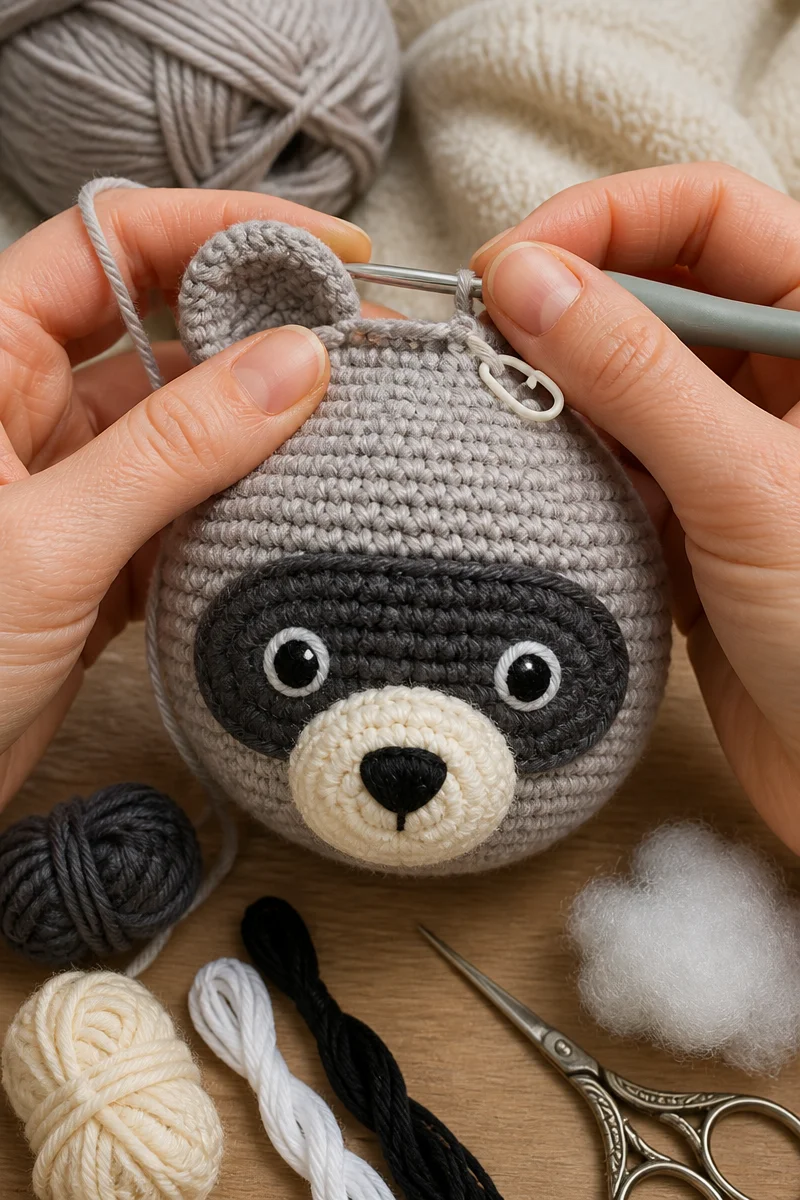
For a crochet raccoon baby stuffed toy, the best results usually come from steady tension and careful counting. Keep your stitches even, but do not pull so tightly that the hook becomes hard to use. In addition, use a stitch marker when working in rounds, because it is very easy to lose your place in amigurumi. This small habit saves time and helps the toy stay symmetrical.
It also helps to pause often and check the shape as you go. For example, if the head or body starts to lean, you may need to adjust your stuffing or review your stitch count. Furthermore, read the pattern notes with care if you are following a design, since toy patterns often use short rounds, invisible decreases, and color changes. Slow, steady work usually gives the neatest finish.
Common Mistakes to Avoid
One common mistake is using a hook that is too large. When that happens, the fabric may look loose, and the stuffing can peek through the stitches. For a crochet raccoon baby stuffed toy, a tighter fabric is usually better, so choose your hook carefully and test a small swatch if needed.
Another issue is uneven tension. If some stitches are loose and others are tight, the toy may look lumpy or misshapen. Therefore, try to keep your yarn hold and hook movement steady from start to finish. Even small changes in tension can affect the final look of amigurumi.
Miscounting stitches is also very common, especially in the round. Because amigurumi pieces are often small, one missed stitch can change the shape of the whole toy. So, use a marker, count regularly, and check your work after each round when possible.
Finally, stuffing too early or too much can cause problems. If you add filling before the shape is mostly formed, it may get in the way of your hook. On the other hand, if you overstuff, the seams can stretch and show gaps. Instead, add stuffing slowly and shape the toy as you go.
Care and Washing Instructions
Washing: For most crochet raccoon baby stuffed toy projects, gentle washing is best. If you used acrylic or cotton yarn, a mild hand wash or a delicate machine cycle in a laundry bag may work well. However, always check the yarn label first, and avoid harsh soap or very hot water.
Drying: Lay the toy flat to dry so it keeps its shape. If you used safety eyes, embroidery, or glued parts, extra care is wise. In addition, reshape the arms, ears, and body while the toy is still damp so it dries neatly.
Blocking: Most stuffed toys do not need heavy blocking, but light shaping can help. If the pieces curl or look uneven, gentle steam shaping or a little damp blocking can improve the finish. Still, avoid soaking the toy too much, since stuffing inside can take a long time to dry.
More Ideas to Try
If you enjoy making a crochet raccoon baby stuffed toy, you may also like other amigurumi animals such as a bear, fox, or bunny. In addition, you could try a matching baby rattle, a small woodland mobile, or a mini lovey blanket with the same raccoon face. These related projects let you practice the same stitch technique while building a sweet handmade gift set.
Conclusion
A crochet raccoon baby stuffed toy is a charming project that blends simple stitches, soft texture, and a lovable finished look. It is a great example of how amigurumi can turn basic single crochet into something special. With the right yarn, a suitable hook, and careful shaping, you can make a toy that feels safe, cozy, and gift-worthy.
So, if you are ready for your next handmade baby project, give this technique a try. Then, share your finished raccoon, compare color ideas, or explore more crochet toy guides on the blog for your next cozy make.