Crochet Evergreen Baby Bandana Bib

Affiliate disclosure: This post may contain affiliate links. I may earn a small commission at no extra cost to you. See our Privacy Policy for details HERE.
A Crochet Evergreen Baby Bandana Bib is a sweet, useful project that can turn a small amount of yarn into a handmade gift. I love that a bandana bib adds a cozy touch to a baby’s outfit while helping catch drips and drool. It is also a satisfying project for crocheters who want to make something thoughtful without taking on a large blanket or garment.
The special feature is its triangular bandana shape, often worked in rows from the top down or from one point outward. The fabric can be simple and smooth, or it can have a leafy, textured look that suits an evergreen-inspired design. Most versions use basic stitches, so the project can suit a confident beginner, though shaping and even edges take a little care.
In this guide, you’ll learn what makes a crochet bandana bib work, how to choose yarn and a hook, and how to keep the shape neat. You’ll also find practical tips for comfort, care, and avoiding common problems. Since patterns vary, use these notes alongside the instructions for your chosen bib.
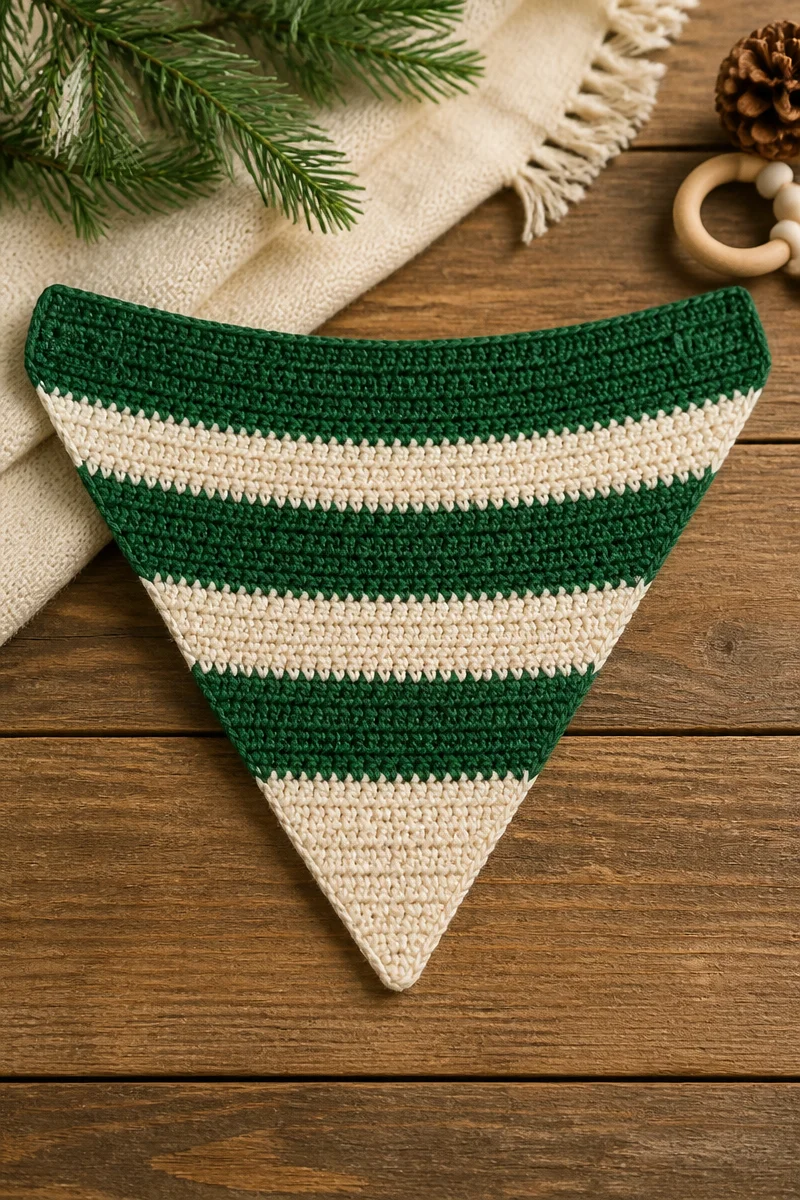
What Is the Evergreen Texture Stitch?
The name Evergreen does not point to one universal crochet stitch. For a crochet evergreen baby bandana bib, it usually describes a leafy or nature-inspired look created with the stitches and shaping in a particular pattern. The fabric may use familiar stitches, such as single crochet, half double crochet, or combinations that form small ridges and raised details.
In plain terms, the stitch pattern builds a fabric row by row, while increases help create the bib’s triangular shape. The result can look gently textured and handmade without being overly thick. Crocheters like this style because it gives a simple baby accessory a special, woodland-inspired finish. Check your pattern’s stitch key, since “Evergreen” may refer to a design name rather than a standard stitch with one fixed method.
Why This Is a Great Choice for Baby Bandana Bibs
- It makes a useful gift. A handmade bandana bib is practical for everyday wear and easy to pair with baby clothes.
- The shape is simple to customize. You can adjust the width and length by following the pattern’s increase instructions.
- It can use a small amount of yarn. As a result, leftover baby-friendly yarn may be enough for a small bib.
- Texture adds visual interest. An evergreen-inspired stitch pattern can make a plain color feel special.
- It offers room to practice shaping. The project gives you a manageable way to work on even edges and consistent increases.
Yarn and Hook Recommendations
- Choose a yarn weight that matches the pattern. Many bibs use lightweight or DK yarn for a soft fabric that is not too bulky. However, the pattern’s gauge matters more than the weight label alone.
- Look for a smooth, washable fiber. Cotton is a popular choice because it is breathable and easy to care for. Cotton blends can feel softer and may drape more easily.
- Check the yarn label for care guidance. Babies’ accessories need regular washing, so a machine-washable yarn can make life easier for caregivers.
- Use the hook size listed in your pattern as a starting point. A smaller hook can make the fabric firmer, while a larger hook can create a looser drape. Make a small sample if the pattern calls for one.
- Avoid yarn that sheds or feels scratchy. Soft, smooth yarn is more comfortable against a baby’s skin and less likely to leave fibers behind.
- Keep safety and fit in mind. Follow the pattern’s guidance for fastening and sizing. Avoid adding small decorations that could come loose, and never leave a baby unattended while wearing a bib.
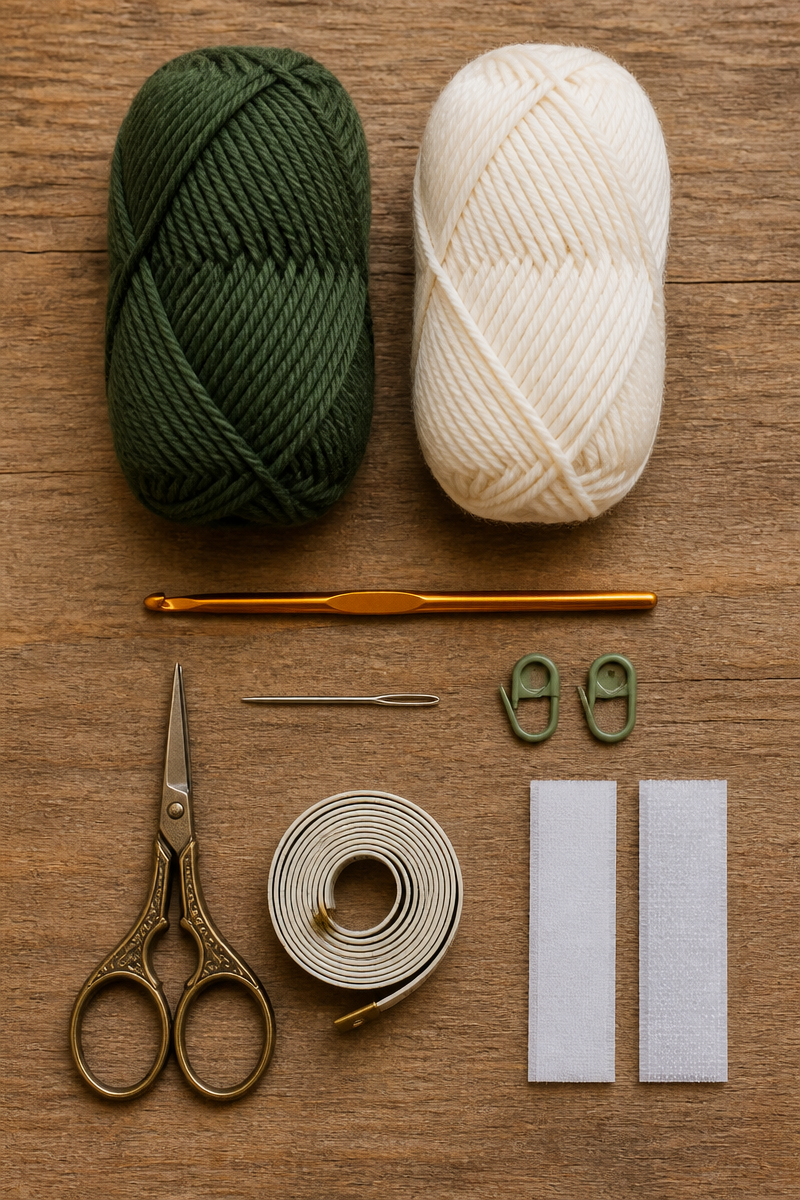
Tips for Evergreen Texture Stitch Success
First, read the pattern all the way through before you begin. Since the evergreen look is pattern-specific, note which stitches form the texture and where the increases go. Then, use a stitch marker at the center point or edge if it helps you track the shaping. Count your stitches at the end of each row, because one missed increase can make the triangle lean or grow unevenly.
Next, aim for relaxed, even tension. A tight fabric may feel stiff, while a very loose fabric may stretch out of shape. If your sample feels too firm or too floppy, try a different hook size before making the full bib. Also, take breaks and compare both sides as you work. Small checks are easier than fixing several uneven rows later.
Common Mistakes to Avoid
One common problem is miscounting increases. If the bib’s edges look uneven, pause and check the row count against your pattern. Also, place a marker where the instructions make increases, so you can spot the shaping more easily.
Another pitfall is changing the stitch pattern without checking how it affects the shape. A different stitch can use a different amount of yarn and may change the width or drape. Therefore, follow the pattern’s stitch repeat unless you are comfortable adjusting the design.
Yarn choice can cause trouble, too. Very bulky yarn may make a bandana bib thick and warm, while a scratchy or fuzzy yarn may feel uncomfortable. Instead, choose a soft, washable yarn that suits the pattern and the intended use.
Finally, do not assume every bib fastener is equally secure or suitable. Follow the pattern’s directions, check that ties or closures fit well, and inspect the finished bib before use. Keep loose parts and small embellishments away from babies.
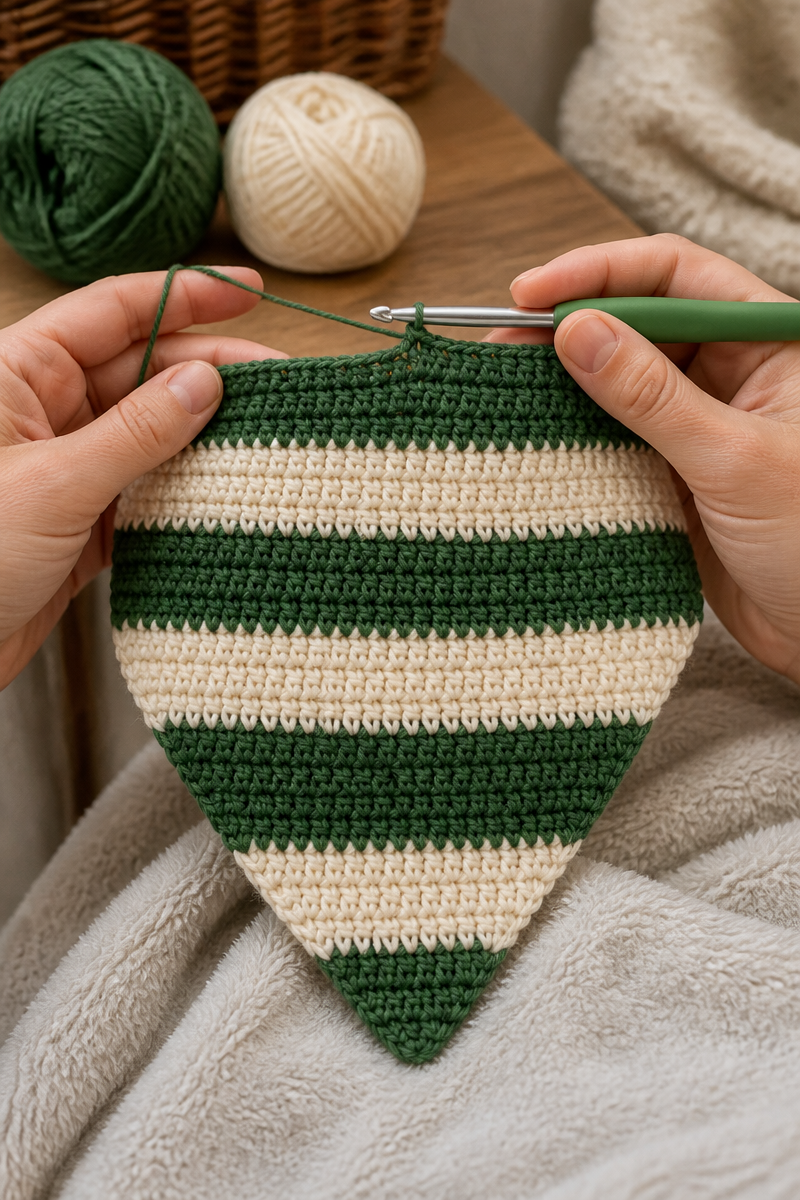
Care and Washing Instructions
Washing: Follow the yarn label and the pattern’s care notes. Cotton and many cotton blends can often go in the washing machine, but a gentle cycle and mild detergent can help the bib keep its shape. If you are making the bib as a gift, include the yarn-care details for the recipient.
Drying: After washing, gently press out extra water without twisting the fabric. Then reshape the bib and lay it flat to dry. This helps prevent the triangle from stretching or becoming lopsided.
Blocking: Light blocking can help even the edges and define the shape, especially if the bib has textured rows. However, use a method that suits the fiber. For example, avoid high heat on fibers that may shrink or melt, and follow the yarn label before using steam.
More Ideas to Try
If you enjoy the crochet evergreen baby bandana bib, try a simple single crochet bandana, a textured washcloth, or a small baby blanket with a leafy stitch design. You could also explore a striped bib or a version with a contrasting border, as long as the yarn and finishing details remain comfortable and safe for a baby.
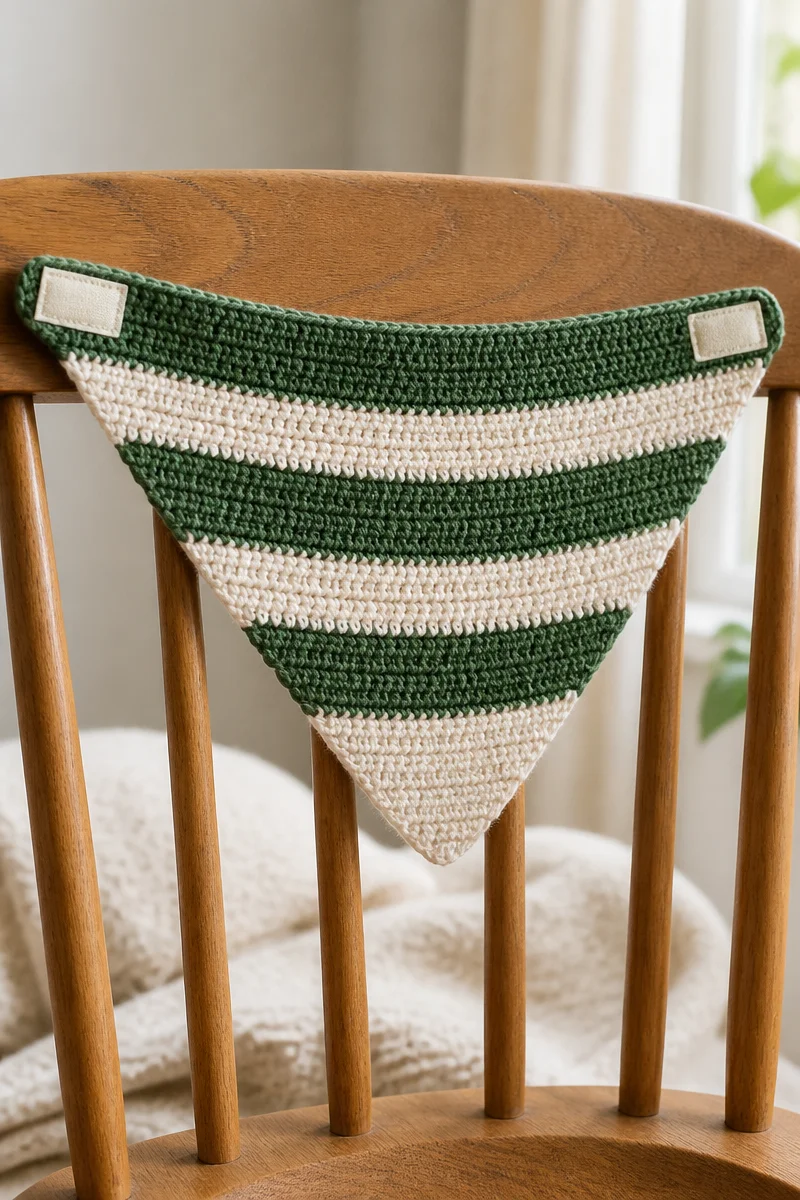
Conclusion
A crochet evergreen baby bandana bib combines a useful shape with a charming, nature-inspired texture. Choose soft, washable yarn, follow the pattern’s shaping, and count your stitches as you go. Then, finish and care for the bib according to the yarn and pattern guidance.
Ready to make one? Pick a pattern that suits your skill level, gather a baby-friendly yarn, and enjoy seeing the triangle take shape. When you finish, share your color choices and results, or explore more crochet guides on the blog for your next cozy project.