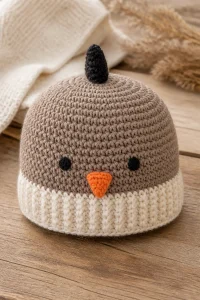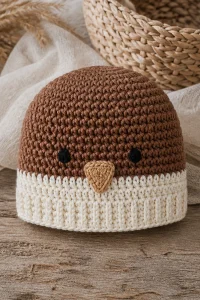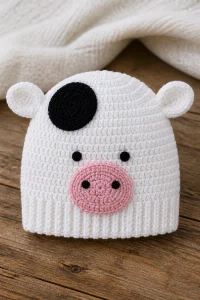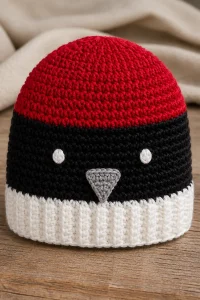
Crochet Elephant Baby Hat Beanie

Affiliate disclosure: This post may contain affiliate links. I may earn a small commission at no extra cost to you. See our Privacy Policy for details HERE.
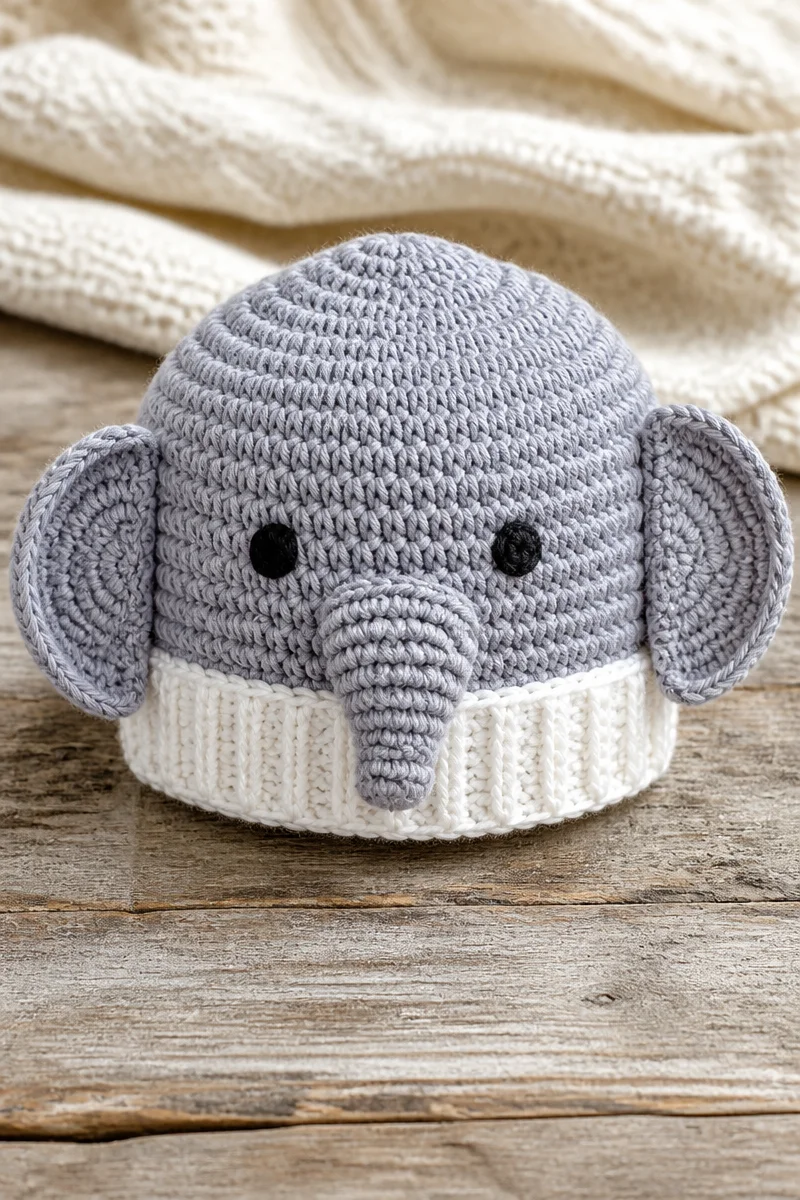
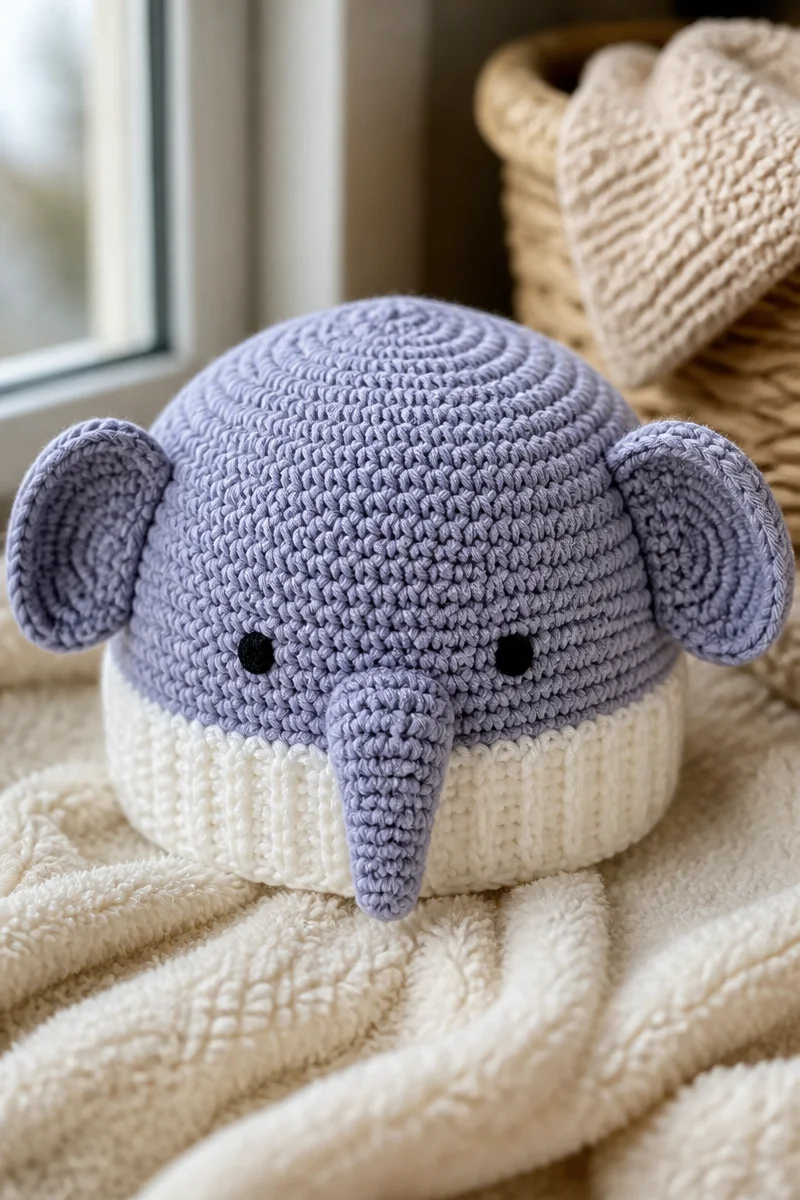
A crochet elephant baby hat beanie is a sweet way to turn a cozy handmade hat into a keepsake. I love how a simple beanie can become extra special with floppy ears, a little trunk, and soft colors. It can also make a thoughtful baby shower gift or a charming accessory for a baby’s first photos.
This project combines a basic crocheted hat with small elephant features. Most beanies use familiar stitches, such as single crochet or half double crochet, while the ears and trunk are made separately and sewn on. As a result, the hat can suit beginners who are comfortable with basic crochet, though shaping and attaching the details may take a little patience.
In this guide, you’ll learn how the elephant beanie is put together, which yarn and hook choices work well, and how to get a neat fit. You’ll also find practical tips for attaching the features and avoiding common problems. Because this is a baby item, we’ll cover safety and care, too.
What Is the Crochet Elephant Baby Hat Beanie Technique?
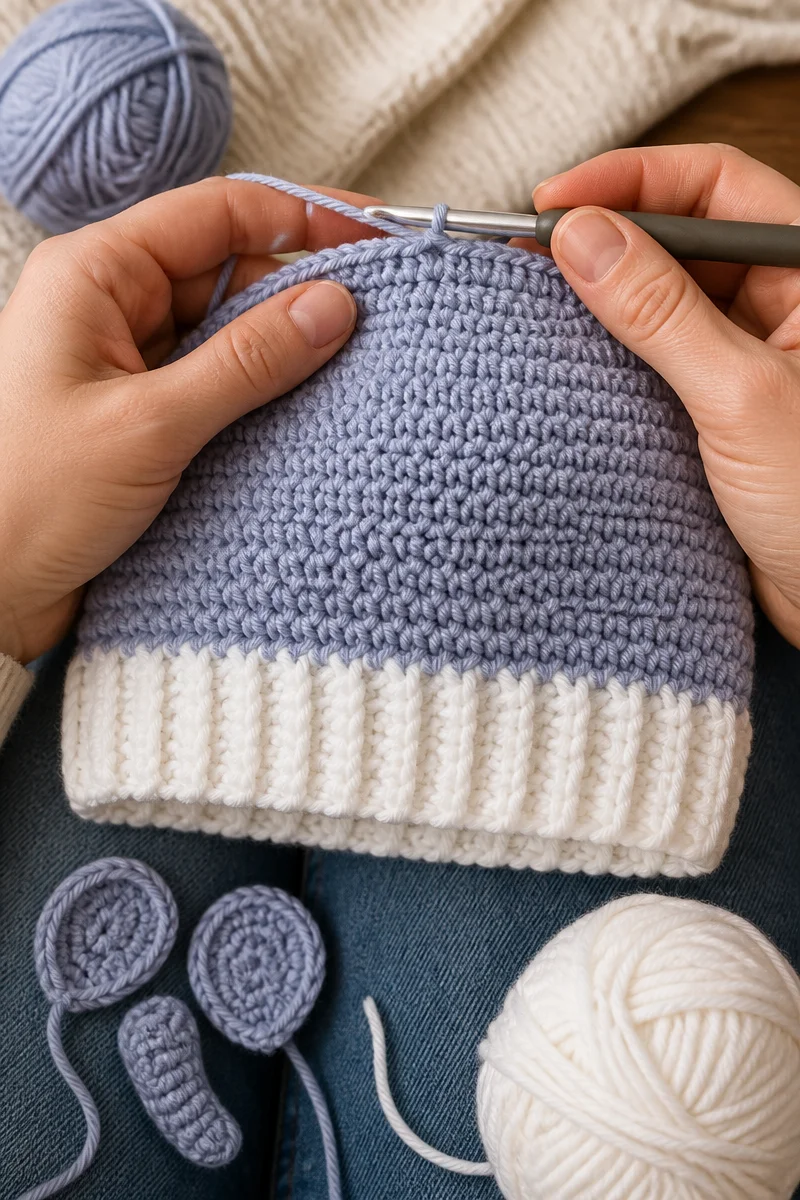
A crochet elephant baby hat beanie is a project style, not one specific stitch. The hat usually starts at the crown and grows in rounds, or it may be worked from the brim upward. Crocheters use basic stitches to create a soft, close-fitting cap, then add features such as round ears and a short trunk.
The hat’s texture depends on the stitch chosen. Single crochet makes a dense, sturdy fabric, while half double crochet creates a little more drape and works up faster. Meanwhile, the elephant details add dimension and make the beanie easy to recognize. Many crocheters enjoy this design because it lets them practice shaping and finishing while creating a useful, personal gift.
Why This Is a Great Choice for Baby Hats
- It makes a memorable gift. The elephant details give a simple beanie a playful, personal look.
- It can be made in many colors. Gray is classic, but cream, blue, pink, or other soft shades can suit different tastes.
- It uses familiar crochet skills. The hat often relies on basic stitches, and the smaller details offer a gentle chance to practice shaping.
- It is easy to customize. You can adjust the colors, ear shape, or brim style to create a different look.
- It works well for photos and everyday wear. A soft, well-fitting beanie can keep a baby cozy while adding a cheerful touch.
Yarn and Hook Recommendations
- Choose a soft, washable yarn. Baby-friendly acrylic or a soft acrylic blend is often easy to care for and widely available.
- Consider cotton or a cotton blend. These fibers can feel breathable, though they may have less stretch than acrylic.
- Use the yarn weight called for by your chosen pattern. Light or medium-weight yarns are common for baby hats. A different weight can change the size and feel.
- Check the yarn label for a hook range. Many baby-hat projects use a hook in the range suggested for their yarn, but the pattern and your gauge should guide your final choice.
- Make a small gauge sample when fit matters. If your stitches are too tight or too loose, adjust the hook size before making the full beanie.
- Pick smooth yarn for clear details. A yarn with little fuzz makes it easier to see the stitches and gives the ears and trunk a tidy shape.
Tips for Crochet Elephant Baby Hat Beanie Success
First, check the intended baby size and compare it with the pattern’s finished measurements. Babies grow quickly, so a hat that fits today may not fit for long. Also, remember that sizing can vary by yarn, hook, and personal tension. A gauge sample can help you make a more reliable fit.
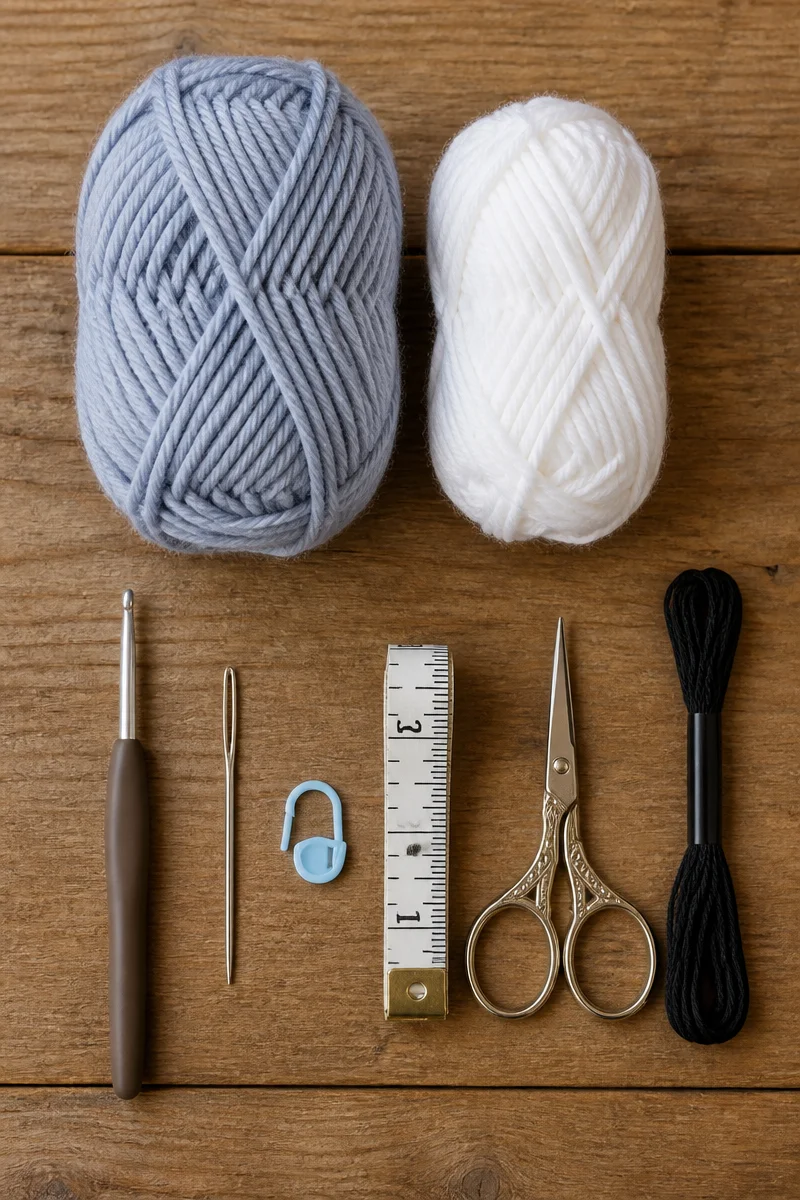
Next, use a stitch marker to keep track of the start of each round, and count stitches regularly. When you finish the hat, lay out the ears and trunk before sewing them on. Then check that both ears sit at the same height and that the trunk stays clear of the baby’s face. Take your time with the finishing, since neat placement helps the design look balanced.
Common Mistakes to Avoid
Uneven tension can make the hat widen or narrow unexpectedly. If your stitches feel much tighter or looser as you work, pause and check your hook grip. Also, measure the hat as you go instead of relying only on the number of rounds.
Miscounting stitches can change the shape of the crown or brim. Therefore, mark the beginning of each round and count after increases. If the pattern calls for a particular number of stitches, do not assume the count is correct just because the hat looks close.
Choosing yarn that is too heavy or stiff may make the beanie uncomfortable for a baby. A fuzzy yarn can also hide the stitch pattern and make small details harder to shape. Instead, choose a soft yarn that suits the pattern and is comfortable against delicate skin.
Finally, take care when attaching the elephant features. Loose parts or long strands can pose a safety risk, so sew them securely and weave in the ends well. For a baby item, avoid small buttons, beads, and other pieces that could come loose. Always inspect the finished hat before use.
Care and Washing Instructions
Washing: Follow the yarn label first. Many acrylic yarns can be washed gently in a machine, while cotton and blended yarns may have different care needs. Use a mild detergent, and place the hat in a mesh laundry bag if machine washing is allowed.
Drying: Reshape the hat and let it dry flat on a clean towel. Avoid hanging it, since the weight of wet yarn can stretch the fabric. Also, keep it away from high heat unless the yarn label says that heat is safe.
Blocking: A baby beanie usually needs little or no blocking. If the brim or ears look uneven, lightly shape the hat while it is damp and let it dry flat. However, avoid stretching it beyond the intended size.
More Ideas to Try
If you enjoy making a crochet elephant baby hat beanie, you might also like a plain ribbed baby beanie, a bear-ear hat, a simple crochet bonnet, or a soft baby blanket made with half double crochet. These projects let you reuse familiar skills while trying new shapes, textures, and finishing details.
Conclusion
A crochet elephant baby hat beanie pairs a simple hat with charming ears and a trunk. Choose soft yarn, check the fit as you work, and attach every detail securely. With careful finishing, you can make a cozy gift that feels personal and looks delightful.
Give the project a try, and take your time with the little details. Then share your finished beanie or explore another baby crochet guide on the blog for your next handmade project.