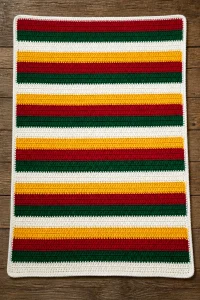
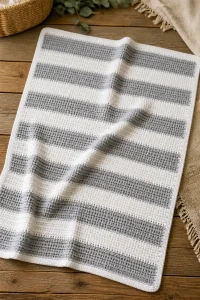
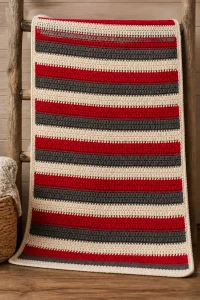
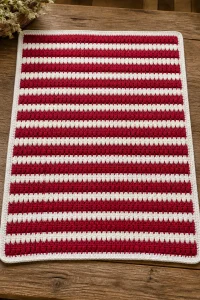
Crochet Butternut Squash Hdc Baby Blanket

Affiliate disclosure: This post may contain affiliate links. I may earn a small commission at no extra cost to you. See our Privacy Policy for details HERE.
Crocheters often fall in love with a project that feels simple, soft, and useful all at once. That is exactly why the Crochet Butternut Squash Hdc Baby Blanket idea is so appealing. It brings together a cozy look, an easy stitch rhythm, and a sweet, nursery-friendly feel that many makers enjoy from the first row.
What makes this style special is the half double crochet, or Hdc fabric. It has a soft texture, gentle height, and nice drape, so it works well for blankets that should feel warm without being too heavy. In addition, the stitch is friendly for many skill levels, which makes it a smart choice for both new and experienced crocheters.
In this guide, you will learn what the Hdc stitch is, why it works so well for a baby blanket, and how to choose the right yarn and hook. You will also find practical tips, common mistakes to avoid, and care advice, so your Crochet Butternut Squash Hdc Baby Blanket project starts on the right foot.
What Is the Half Double Crochet Stitch?
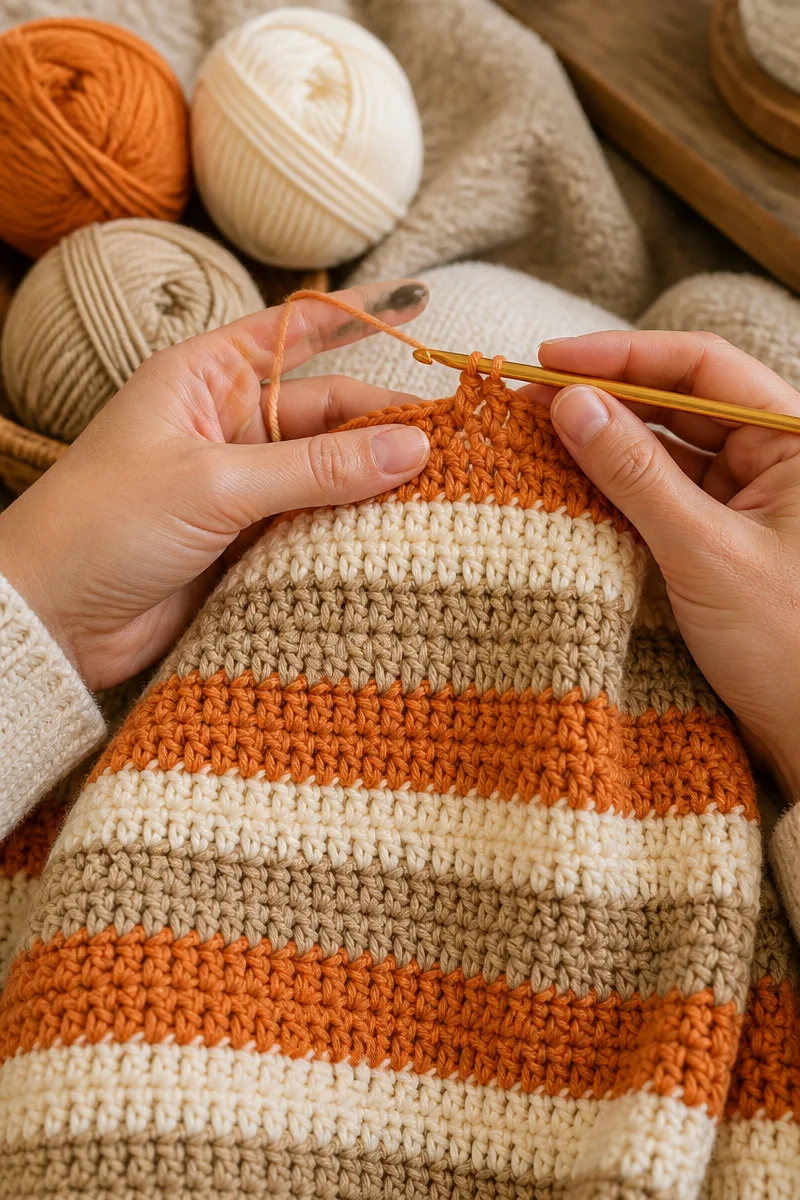
The half double crochet stitch, often shortened to Hdc, is one of the most useful stitches in crochet. It sits right between a single crochet and a double crochet, so it gives you a fabric that is soft, sturdy, and not too holey. To make it, you yarn over, insert the hook, yarn over again, pull up a loop, then yarn over and pull through all three loops on the hook.
Because of that simple motion, the Hdc stitch is easy to repeat and easy to learn. At the same time, it creates a smooth, slightly textured surface that looks neat and feels comfortable. Many crocheters like it because it works quickly, but still gives a polished finish.
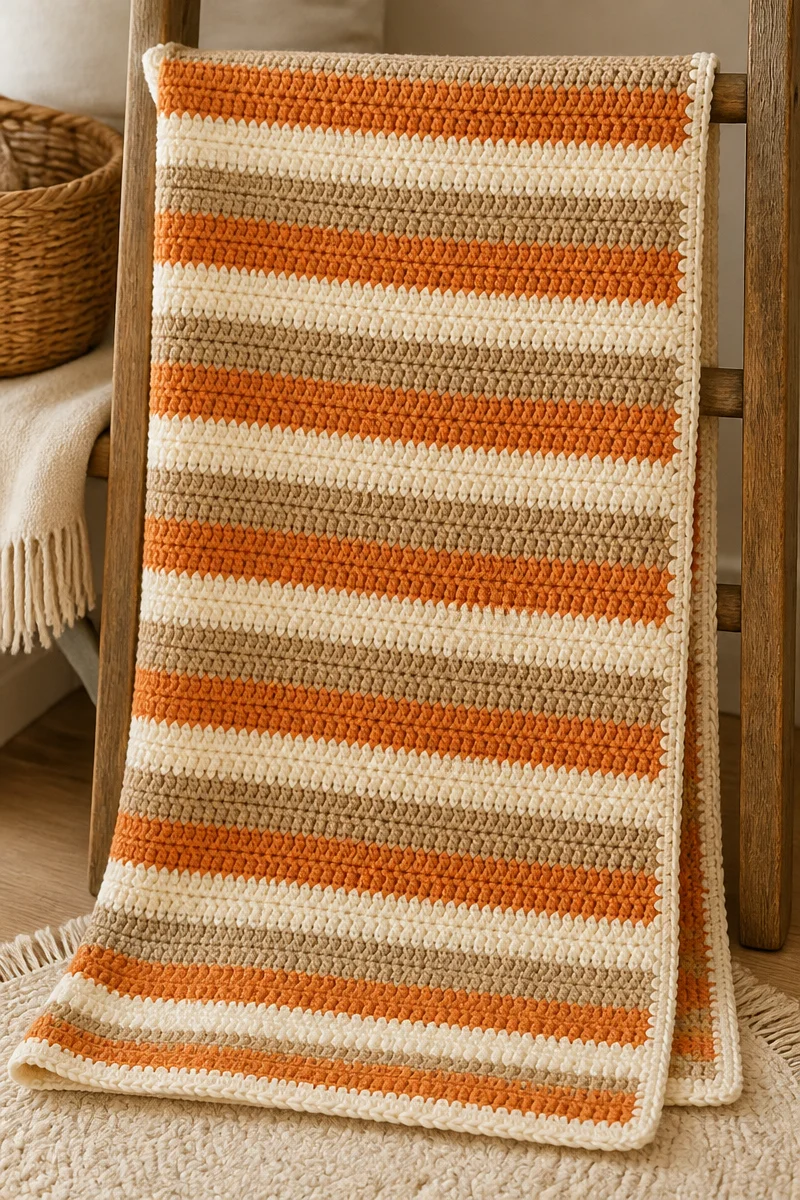
For a Crochet Butternut Squash Hdc Baby Blanket, the stitch is a strong choice because it makes a warm, soft fabric with gentle drape. Also, it shows off solid colors and cozy autumn shades very well, which fits the butternut squash name beautifully.
Why This Is a Great Choice for Baby Blankets
- Soft and cozy fabric: The Hdc stitch creates a blanket that feels gentle against a baby’s skin, which is very important for comfort.
- Nice drape: Because it is not too stiff, the finished blanket hangs and folds well, so it feels lovely in a crib, stroller, or nursery chair.
- Quick to work up: Since the stitch is taller than single crochet, you can finish a baby blanket faster, which is helpful when making a gift.
- Beginner friendly: The repeat is simple, so it is a great project if you want a calm, steady crochet rhythm without too much stress.
- Easy to customize: You can change colors, size, or yarn type and still keep the same warm, classic look.
- Works well with texture: The stitch gives enough surface interest to look pretty, but it is still smooth enough for everyday use.
Yarn and Hook Recommendations
- Light worsted or worsted weight yarn: This is a popular choice for a Crochet Butternut Squash Hdc Baby Blanket because it gives a balanced mix of warmth, softness, and speed.
- Baby-safe acrylic yarn: Acrylic is easy to wash, budget friendly, and often a practical pick for blankets that will be used often.
- Cotton yarn: Cotton can be a smart choice if you want a breathable blanket with a clean feel, especially for warmer climates.
- Cotton-acrylic blend: This blend can give you the softness of acrylic and the fresh feel of cotton, so it is a nice middle ground.
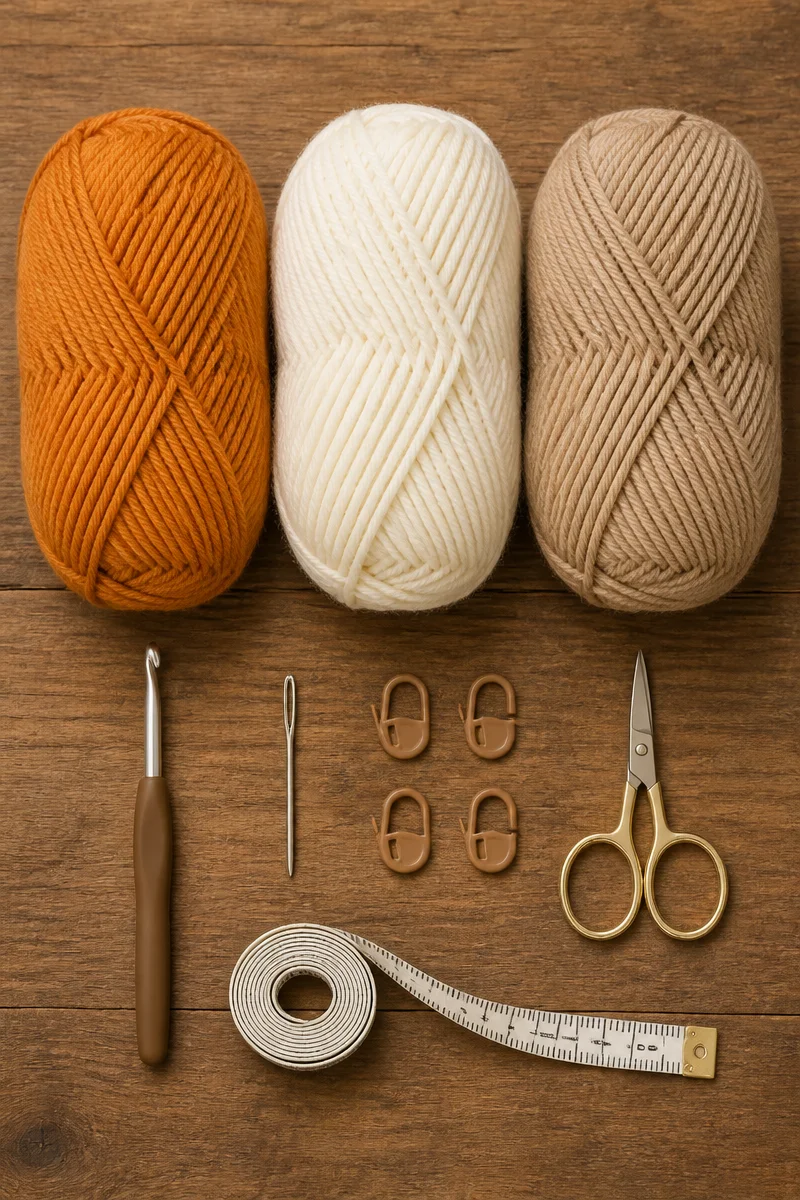
- Hook size matched to the yarn label: Start with the size suggested on the yarn band, then adjust if you want a looser or denser fabric.
- Slightly larger hook for extra drape: If the blanket feels too stiff, going up one hook size can help the Hdc fabric feel softer and more flexible.
Tips for Half Double Crochet Success
When working the Hdc stitch, keep your tension even. If your stitches are too tight, the blanket may feel stiff and your hands may get tired. On the other hand, if your tension is too loose, the fabric may look uneven and the edges may lose shape. So, try to settle into a calm, steady pace.
Also, count your stitches often, especially at the start of each row. That is because the turning chain can make it easy to miss the first stitch or add one by mistake. As a result, your blanket may become wider or narrower over time. Therefore, using stitch markers at the ends can save a lot of trouble.
If you are making a Crochet Butternut Squash Hdc Baby Blanket, it also helps to read the fabric as you go. The Hdc rows should look neat and even, so take a quick look every few rows to catch small errors early. In addition, short breaks can help keep your shoulders and hands relaxed.
Common Mistakes to Avoid
One common mistake is using the wrong yarn weight for the feel you want. A very bulky yarn can make a baby blanket too heavy, while a very fine yarn can make it take longer than expected. So, choose a yarn that matches the soft, cozy feel you want for a baby blanket.
Another issue is uneven tension. If your first few rows are tight and later rows are loose, the blanket may ripple or pull in strange ways. To avoid that, try to keep the same hand pressure from start to finish. Also, if you notice the fabric changing, pause and adjust before the problem grows.
Miscounting stitches is another trouble spot, especially with a long project like a blanket. Because the rows are repeated many times, it is easy to drift off track. Therefore, count at the end of each row and use markers on the first and last stitch whenever possible.
Edge curling or bowing can also happen if the turning chain does not match the stitch height well. In some cases, a chain that is too tight or too loose can affect the whole side of the blanket. So, make a small swatch first if you are trying a new yarn, and check whether the edge lies flat.
Care and Washing Instructions
Washing: For most Crochet Butternut Squash Hdc Baby Blanket projects, gentle machine washing on a delicate cycle works well if the yarn label allows it. However, always check the yarn care tag first. For baby items, mild soap is usually best, and it is wise to avoid harsh detergents or fabric softeners unless the yarn instructions say they are safe.
Drying: Lay the blanket flat to dry when possible, especially if it is made with cotton or a blend that may stretch. If the yarn is machine safe, a low heat tumble dry may be okay, but low heat is best to protect the shape and softness.
Blocking: A Hdc blanket can benefit from light blocking, especially if the edges are a little uneven or the blanket needs a cleaner shape. Blocking helps the stitches settle and can improve the overall look. However, with very easy-care yarns, a gentle wash and flat dry may be enough.
More Ideas to Try
If you enjoy the feel of a Crochet Butternut Squash Hdc Baby Blanket, you may also like a simple single crochet baby blanket, a granny stripe blanket, a corner-to-corner baby throw, or a textured Hdc ribbed blanket. In addition, you could try changing the yarn color into soft cream, mustard, sage, or peach for a fresh seasonal look. These projects use the same calm crochet rhythm, yet each one gives you a slightly different finish.
Conclusion
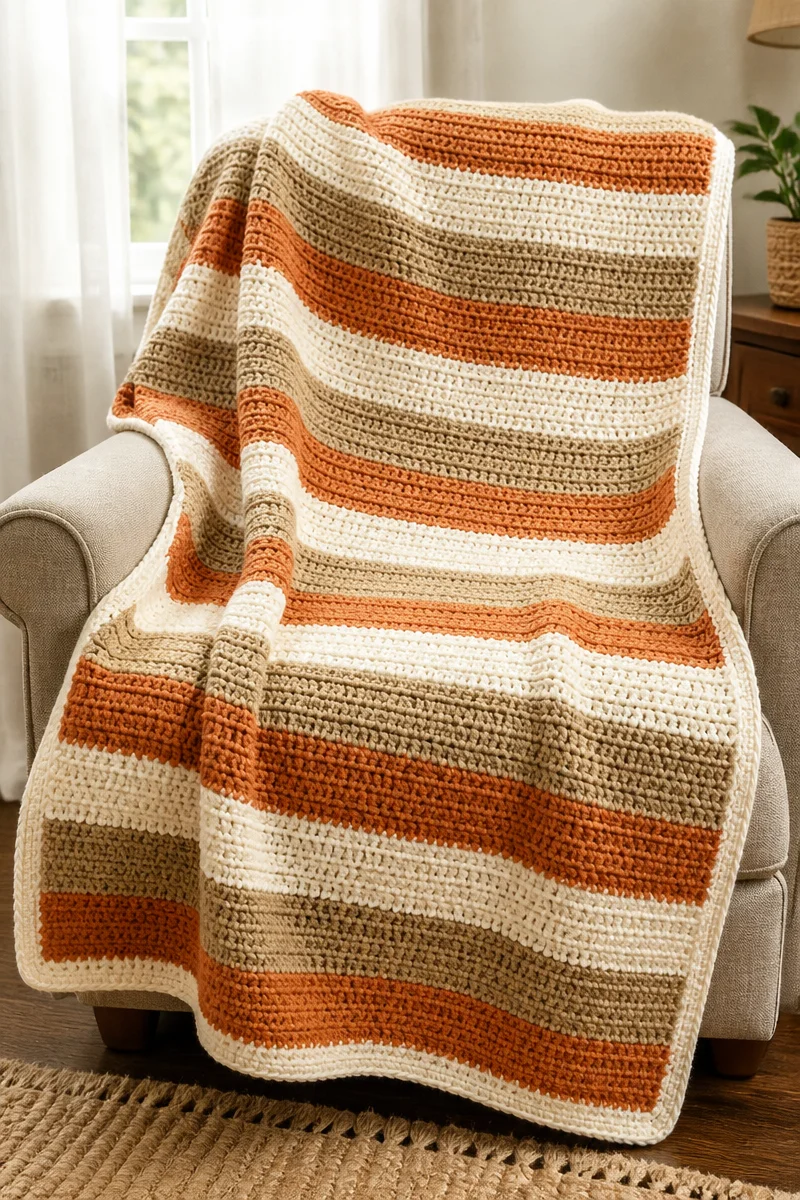
The Crochet Butternut Squash Hdc Baby Blanket is a lovely project because it blends comfort, beauty, and ease. The half double crochet stitch gives you soft texture, good drape, and a blanket that works well for everyday use. Plus, it is simple enough for many crocheters to enjoy without feeling rushed or overwhelmed.
So, if you want a warm and thoughtful blanket project, this is a great place to begin. Try the stitch, choose a yarn that feels good in your hands, and make a fabric that is both practical and pretty. Then come back and share your results, or explore more crochet guides on the blog for your next cozy project.