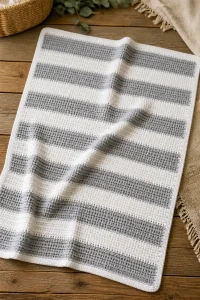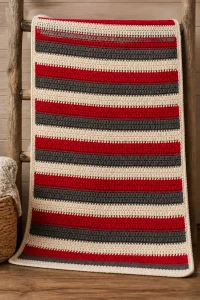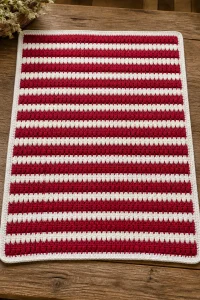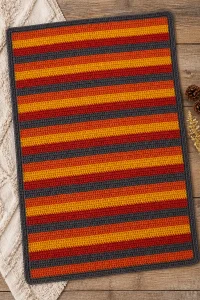
Crochet Christmas Lights Alternating Baby Blanket
Affiliate disclosure: This post may contain affiliate links. I may earn a small commission at no extra cost to you. See our Privacy Policy for details HERE.
When I think about a Crochet Christmas Lights Alternating Baby Blanket, I picture a cozy project that feels cheerful right away. The idea of mixing colors in a soft, playful way makes this style so charming. And because it brings a holiday feel without needing anything fussy, it is easy to love for both new and seasoned crocheters.
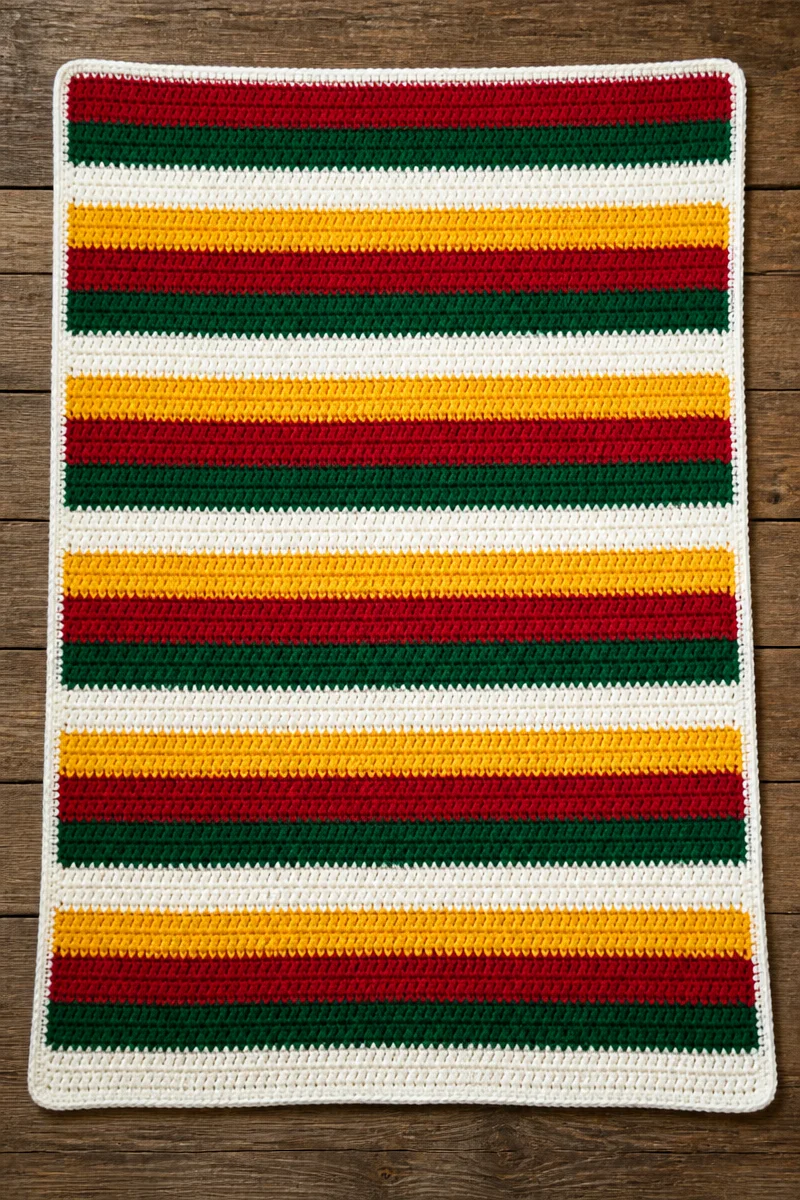
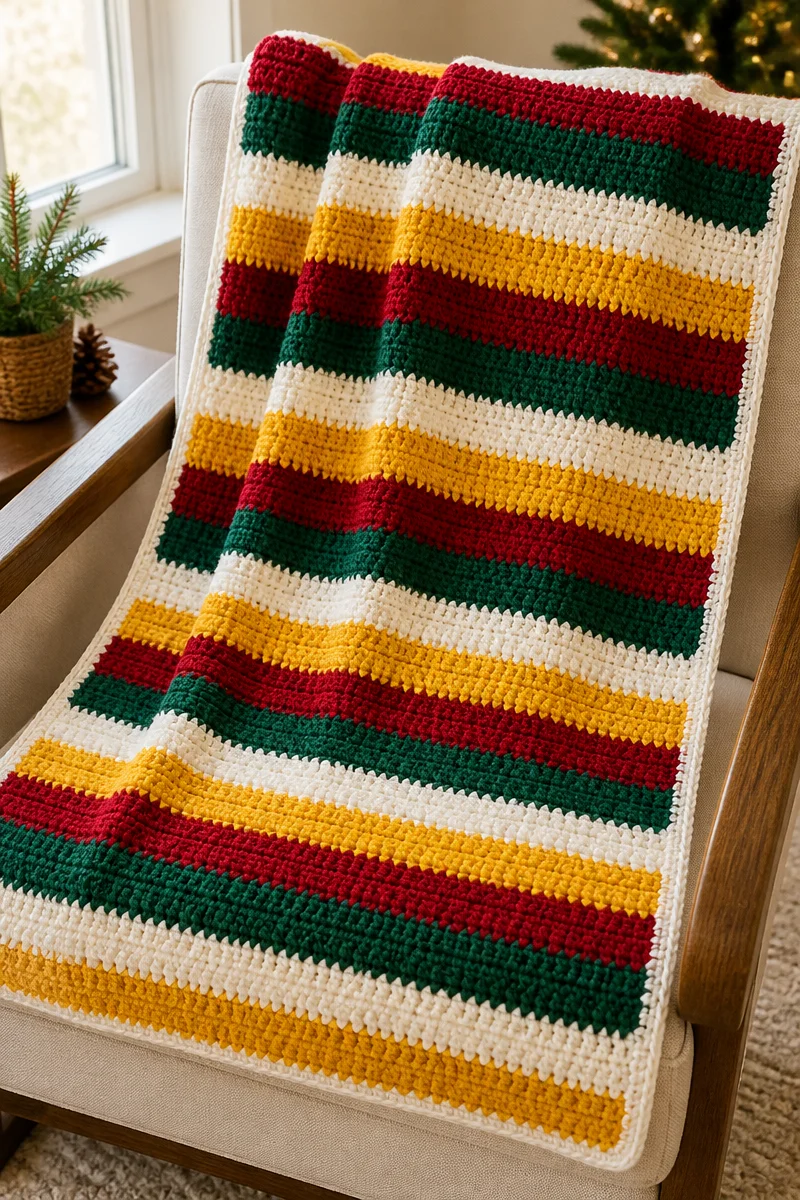
What makes this blanket style special is the alternating color layout. It creates a lively look, much like a string of Christmas lights glowing across the fabric. At the same time, the blanket can stay soft, warm, and very usable. Most often, this kind of project works well with simple stitches, so it is friendly for beginners and relaxing for more experienced makers too.
In this guide, you will learn what the alternating crochet technique means in a baby blanket, why it works so well, and how to choose the right yarn and hook. You will also get practical tips, common mistakes to avoid, and care advice, so your Crochet Christmas Lights Alternating Baby Blanket turns out beautiful and useful.
What Is the Alternating Crochet Technique Stitch?
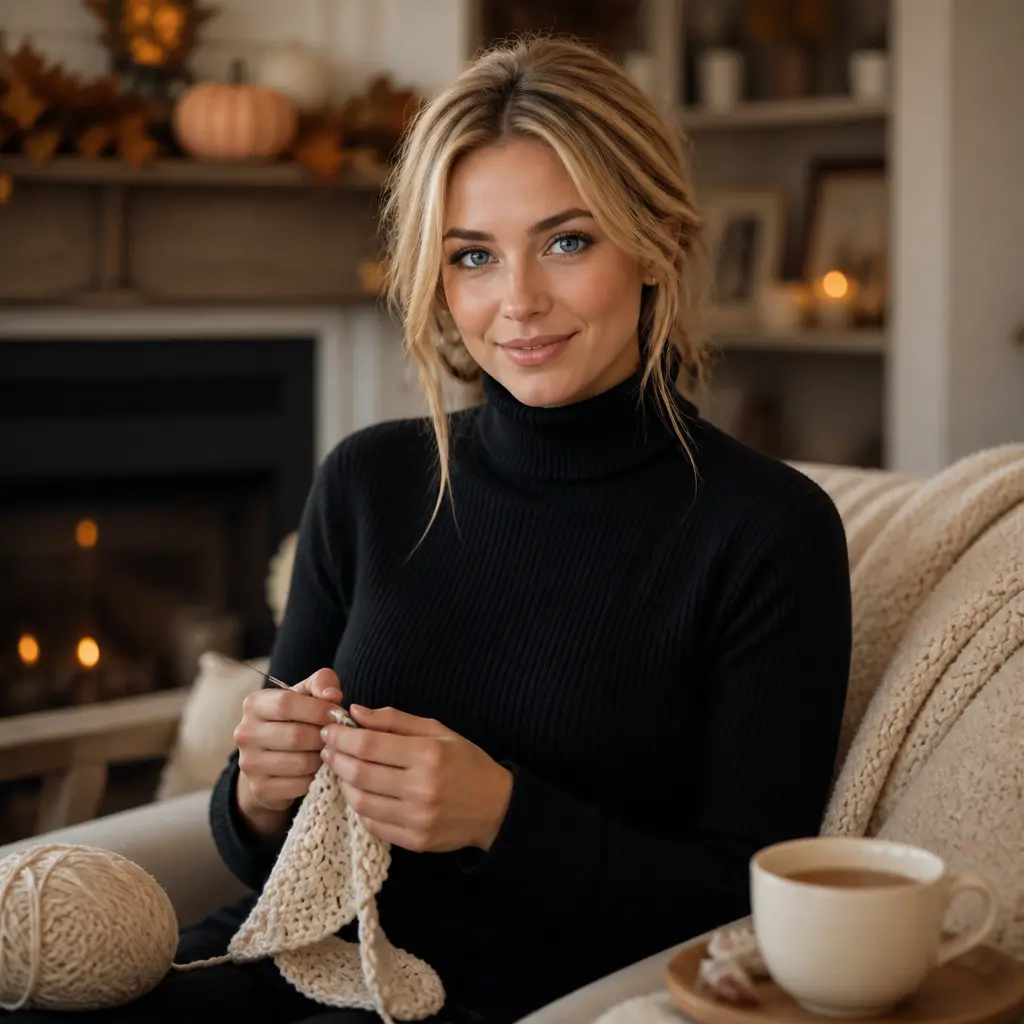
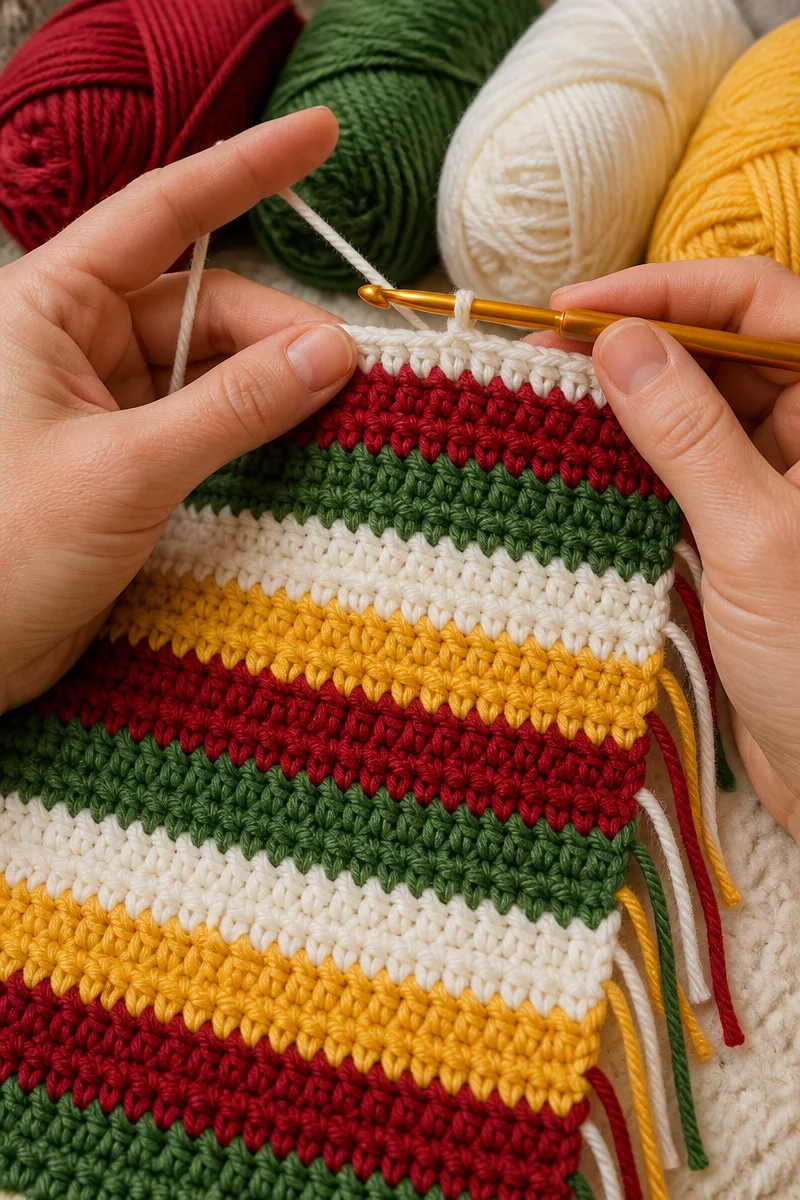
The alternating crochet technique is not one single fancy stitch. Instead, it is a colorwork method where you switch yarn colors or shades in a planned sequence. In a Crochet Christmas Lights Alternating Baby Blanket, this usually means repeating bright and soft colors in rows, blocks, or sections so the blanket looks festive and balanced.
This technique can be worked with simple stitches like single crochet, half double crochet, or double crochet. Because of that, the fabric often looks neat and easy to read. Also, the repeating color changes make the blanket feel lively without making the project too hard.
Crocheters like this technique because it gives a lot of style with very little stress. In addition, it is a smart way to use leftover yarn or create a themed design that still feels soft enough for a baby item. So, the look is cheerful, the method is simple, and the results are very appealing.
Why This Is a Great Choice for Baby Blankets
- Soft and comforting: A baby blanket should feel gentle, and this style works well with smooth yarns that stay cozy without feeling heavy.
- Visually engaging: The alternating colors create interest, so the blanket looks special and sweet.
- Easy to customize: You can make it bold, soft, holiday themed, or classic by changing the color mix.
- Works with beginner stitches: Since the design often uses basic stitches, it is a good choice if you want a project that is simple to follow.
- Great gift appeal: A Crochet Christmas Lights Alternating Baby Blanket makes a thoughtful present because it feels handmade and personal.
Yarn and Hook Recommendations
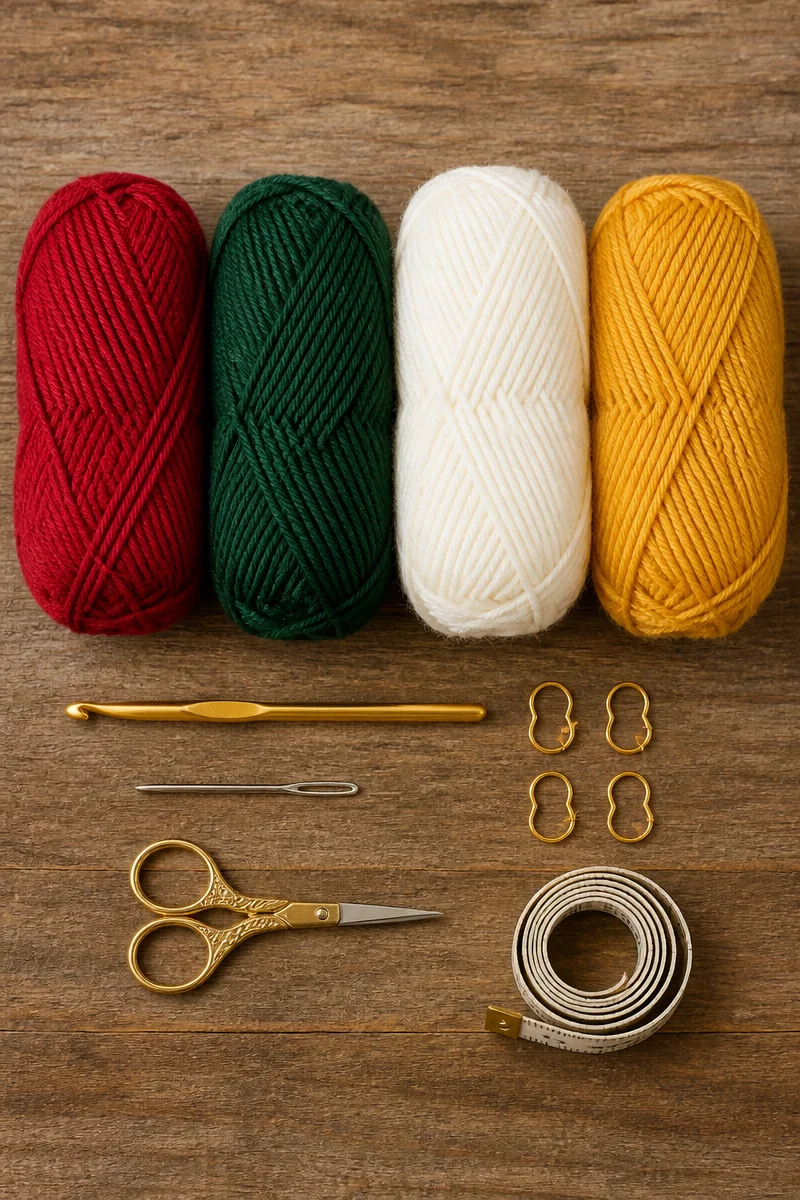
- Worsted weight acrylic yarn: This is a practical choice because it is soft, washable, and easy to find in many colors for a Crochet Christmas Lights Alternating Baby Blanket.
- Cotton yarn blends: These can be a good option if you want a breathable blanket with a little structure, especially for milder weather.
- Baby acrylic yarn: This works well when you want extra softness and easy care, which is helpful for baby items that need frequent washing.
- Light worsted or DK yarn: These weights create a lighter blanket, and they are useful if you want a drapier feel.
- Hook size that matches the yarn label: Start with the suggested hook on the yarn band, then adjust if your fabric feels too tight or too loose.
- One size up for extra softness: If you want a looser, more flexible fabric, a slightly larger hook can help the blanket drape better.
Tips for Alternating Crochet Success
When working a Crochet Christmas Lights Alternating Baby Blanket, keep your tension steady. That matters a lot, because color changes can make a project look uneven if some rows are tighter than others. So, try to relax your hands, especially if you are working for a long time.
Also, count your stitches often. Since color changes can distract you, it is easy to miss a stitch near the edge or in the middle of a row. Therefore, it helps to pause now and then, check your row count, and make sure the blanket is staying square.
Finally, read the color sequence before you begin. If you know where each color is supposed to go, the project feels calmer and more enjoyable. Plus, when you plan ahead, you can avoid confusion and keep the alternating look clean and even.
Common Mistakes to Avoid
One common mistake is using yarn that is too thick or too thin for the look you want. If the yarn is heavy, the blanket may feel bulky. However, if it is too fine, the blanket may not feel warm enough for a baby item. So, always think about softness, drape, and comfort together.
Another issue is uneven tension during color changes. This can leave loose loops or tight spots in the fabric. As a result, the blanket may look wavy or pulled at the edges. To prevent this, keep your hand movement calm and try to switch colors the same way each time.
Miscounting rows is also easy to do, especially in a repeating pattern. Because the design often looks simple, it can be tempting to crochet without checking. Still, a quick stitch count every few rows can save you from needing to fix a large section later.
Finally, some crocheters choose colors that do not contrast enough. In a Crochet Christmas Lights Alternating Baby Blanket, the alternating effect works best when the colors are clearly different but still pleasant together. So, test your color choices before you start, and make sure the final look feels bright, balanced, and easy to see.
Care and Washing Instructions
Washing: For most baby blankets, gentle machine washing works well if you use acrylic or a washable yarn blend. However, always check the yarn label first. If you use cotton or wool, the care may be different. For the safest routine, wash in cool or lukewarm water with mild detergent.
Drying: Air drying is usually the best choice. Lay the blanket flat on a clean towel or drying rack so it keeps its shape. If the yarn label allows machine drying, use low heat and remove the blanket while it is still slightly damp to help protect the fibers.
Blocking: Blocking can help if the blanket needs shape correction or if the stitches need to relax a little. This is especially useful for cotton or for blankets with edges that want to curl. However, many acrylic baby blankets only need light shaping after washing, so blocking is helpful but not always required.
More Ideas to Try
If you enjoy this style, you may also like a striped baby blanket, a corner-to-corner Christmas blanket, or a simple granny square holiday throw. In addition, you could try changing the stitch texture with half double crochet or moss stitch for a different feel. These variations keep the same cheerful spirit while giving you new ways to play with color and comfort.
Conclusion
A Crochet Christmas Lights Alternating Baby Blanket is a lovely project because it blends color, comfort, and simple crochet skills in one sweet design. It is easy to personalize, and it can be made soft, warm, and gift ready. Just remember to choose the right yarn, keep your tension steady, and count carefully as you go.
So, if you are ready for a project that feels cheerful and relaxing, give this style a try. Then share your results, save your favorite color ideas, or explore more crochet guides on the blog for your next cozy make.