Crochet Dusty Rose Newborn Photo Wrap

Affiliate disclosure: This post may contain affiliate links. I may earn a small commission at no extra cost to you. See our Privacy Policy for details HERE.
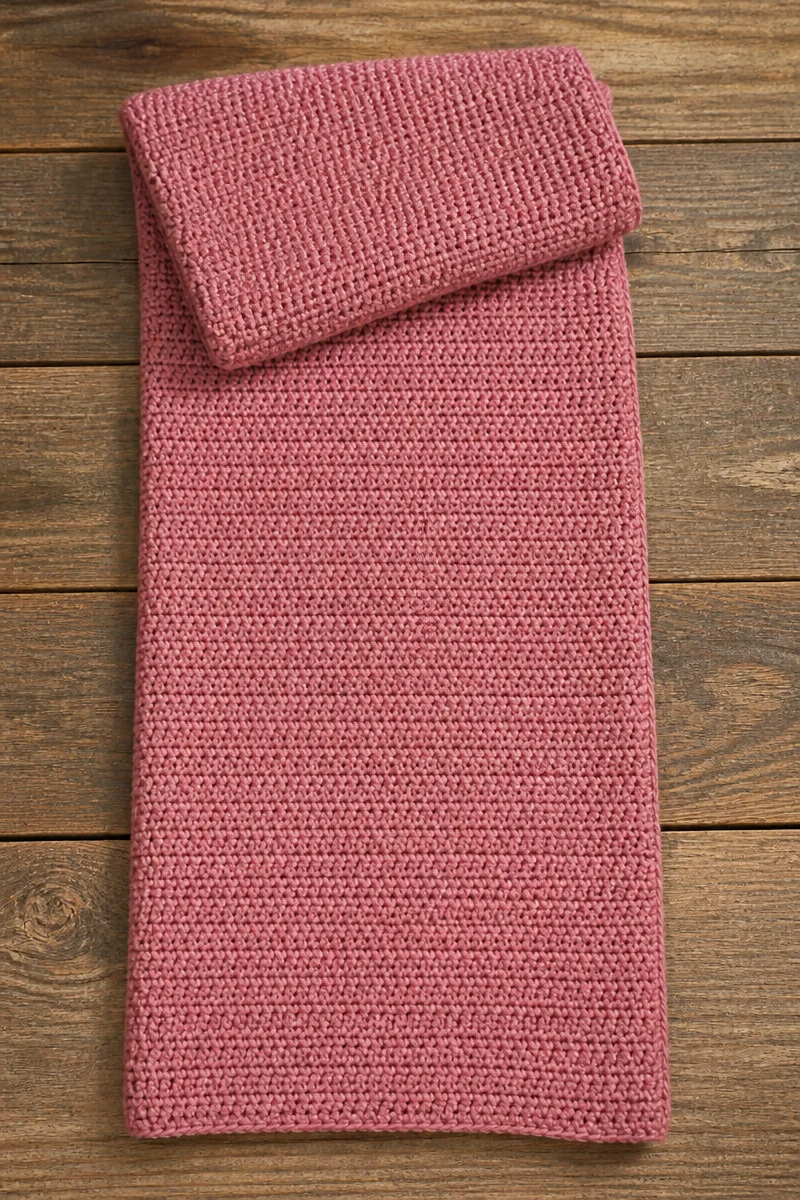
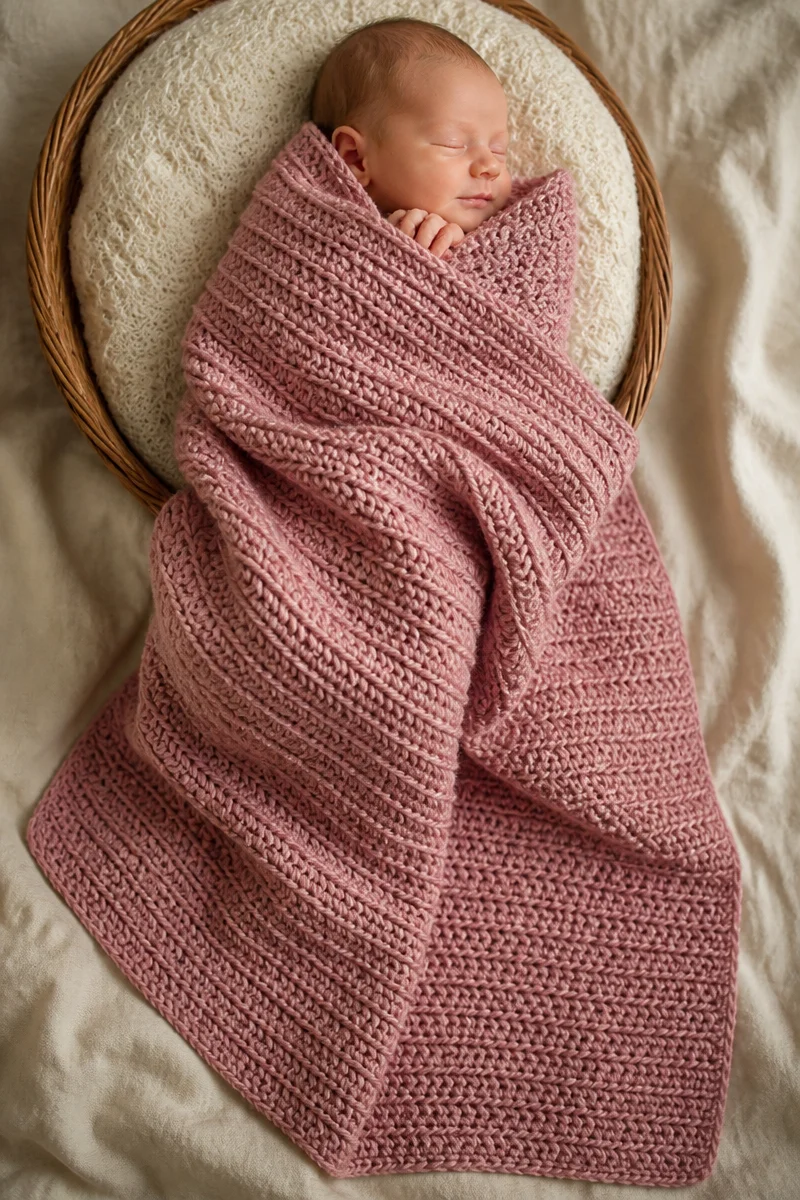
A dusty rose newborn photo wrap is a sweet way to add warmth and softness to a baby’s first portraits. I love how this simple crochet project can make a photo feel personal without taking attention away from the newborn. The muted pink shade also pairs beautifully with cream, ivory, and other gentle colors.
This project is a soft, narrow wrap made to drape around a newborn during a supervised photo session. Its appeal comes from the cozy fabric, the gentle folds, and the calm look of dusty rose. The basic idea is approachable for many crocheters, although the finished fabric should stay soft and flexible rather than tight or bulky.
In this guide, you’ll learn what stitch style works well for a newborn photo wrap, how to choose yarn and a hook, and how to keep the fabric smooth and comfortable. You’ll also find practical tips, common mistakes to avoid, and simple care advice.
What Is the Crochet Newborn Photo Wrap Stitch?
A newborn photo wrap does not rely on one required stitch. Instead, it is a project type that works well with simple, flexible stitches. Single crochet, half double crochet, and double crochet are all useful choices. For a soft, even fabric, many crocheters favor half double crochet.
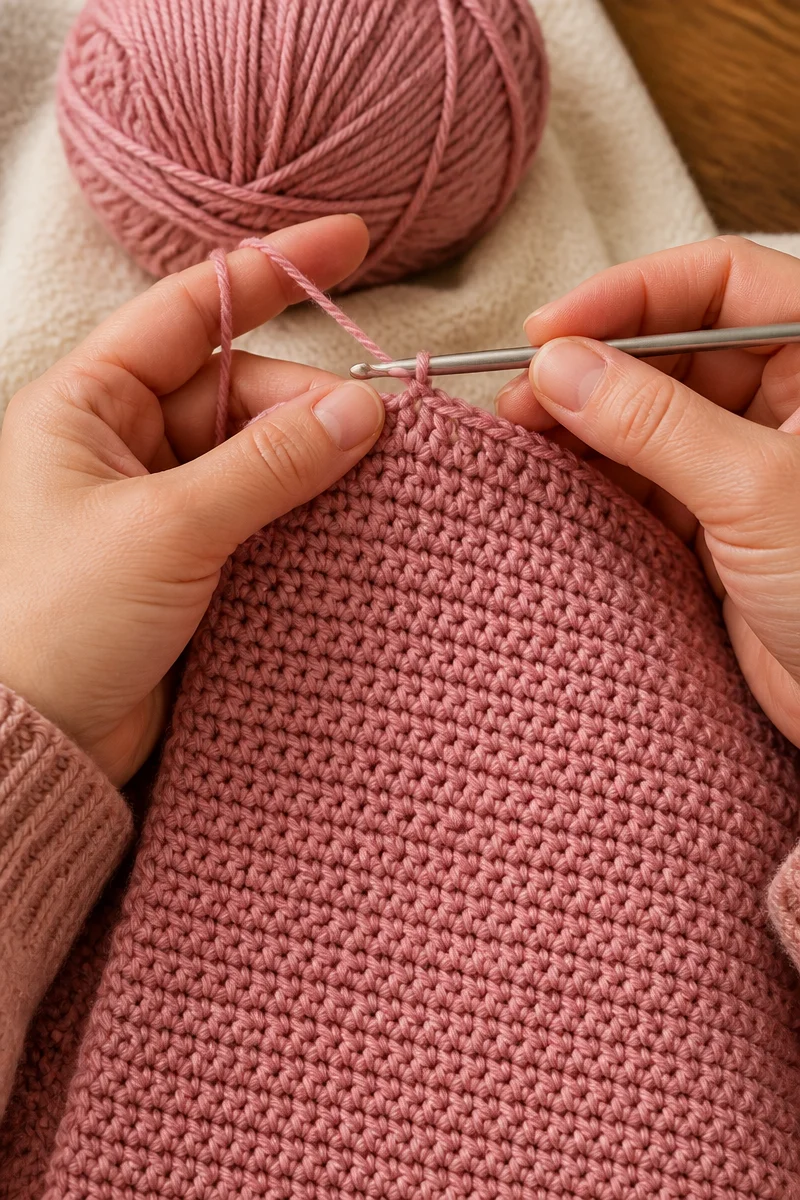
To make a half double crochet, yarn over, insert the hook into a stitch, yarn over and pull up a loop, then yarn over and draw through all three loops on the hook. The stitch creates a low, slightly textured fabric. It is taller than single crochet but less open than double crochet.
That balance makes half double crochet a practical option for a photo wrap. It can create a smooth surface that folds and drapes nicely. However, the best stitch depends on your yarn, hook, and preferred look. Before making the full wrap, crochet a small swatch to check the texture and flexibility.
Why This Is a Great Choice for Newborn Photo Wraps
- Soft drape: A flexible stitch helps the wrap form gentle folds around the baby during a supervised portrait session.
- Simple texture: A smooth or lightly textured fabric keeps the focus on the newborn’s face.
- Easy to customize: You can adjust the length and width to suit your photo setup.
- Friendly for newer crocheters: Basic stitches are easy to practice and repeat.
- Lovely in dusty rose: The muted shade feels warm and gentle, while also pairing well with neutral photo props.
Yarn and Hook Recommendations
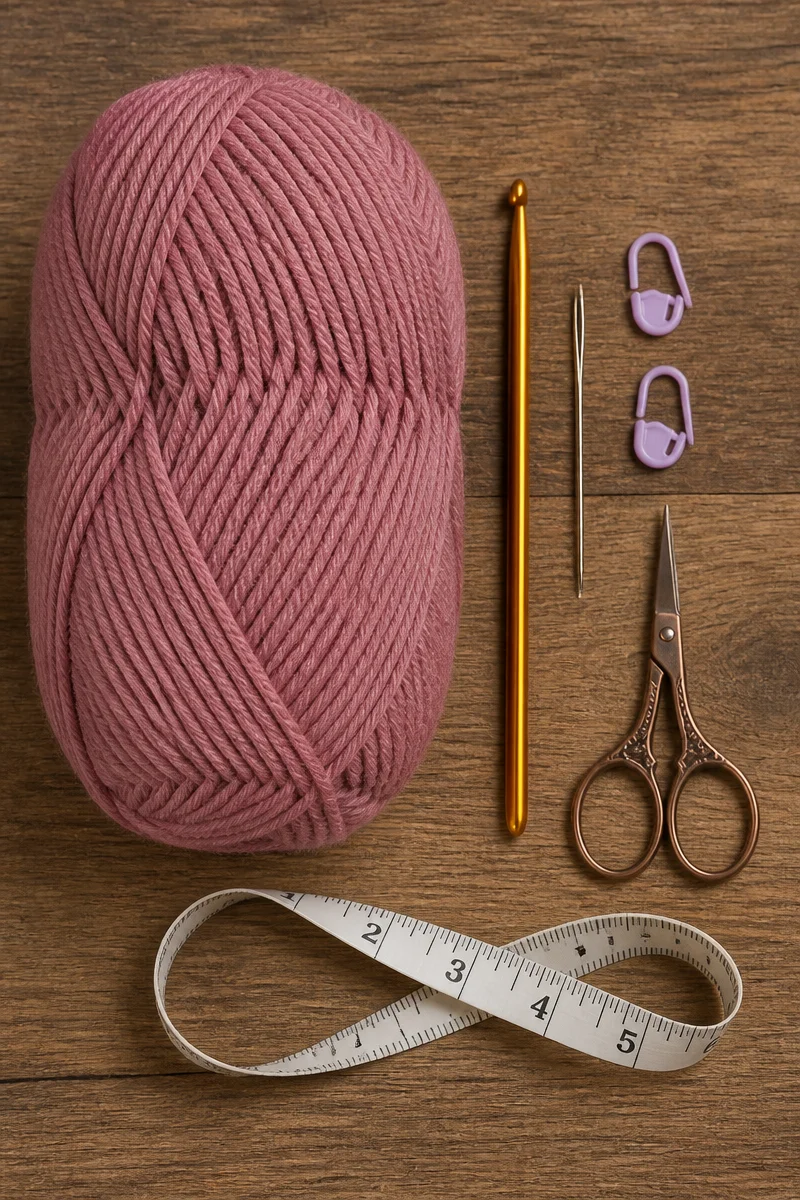
- Choose a soft, smooth yarn: A gentle texture helps the wrap sit comfortably and look tidy in close-up photos.
- Consider a light or medium-light yarn: Lighter yarn can create a delicate drape. Check the yarn label and make a swatch before choosing your hook.
- Look for a baby-friendly fiber: Soft acrylic, cotton blends, and washable merino can work well, depending on the care needs and the intended photo use.
- Use the label’s hook range as a starting point: Then test a swatch to see whether the fabric feels flexible rather than stiff.
- Try a slightly larger hook if the fabric feels firm: A larger hook may improve drape, but avoid making the stitches so loose that the wrap becomes unstable.
- Check the care label before buying: Since photo props can need frequent cleaning, machine-washable yarn may be a practical choice.
Tips for a Newborn Photo Wrap
First, crochet a small swatch with your chosen yarn and hook. Then feel the fabric in your hands and let it hang over your wrist. If it feels stiff, try a larger hook or a softer yarn. If it feels too loose or develops large gaps, try a smaller hook. Keep notes so you can repeat the combination you like.
Next, count your stitches at the end of each row. A simple project can still widen or narrow if you miss the first or last stitch. Also, place a stitch marker in the first or last stitch of a row if that helps you see where to work. Most importantly, make the wrap for supervised photography only, and follow safe posing guidance from the photographer or caregiver.
Common Mistakes to Avoid
Uneven tension can make the wrap look lumpy or cause its edges to curve. Try to keep a relaxed grip, and pause now and then to let your hands rest. If the fabric begins to feel tight, check whether you are pulling the working yarn too firmly.
Miscounting stitches is another common issue. A missing stitch may make one edge slope inward, while an extra stitch may make it flare outward. Count each row, especially near the beginning and end, where stitches can be easy to overlook.
Choosing yarn by color alone can also lead to a disappointing result. Some yarns feel scratchy, shed fibers, or create a fabric that is too heavy for a photo wrap. Check the texture and care instructions, and make a swatch before starting the full project.
Finally, avoid treating a photo wrap as a sleep blanket or leaving a newborn unattended with it. Keep fabric away from the baby’s face and airway, and use the wrap only under close adult supervision during the photo session.
Care and Washing Instructions
Washing: Follow the yarn label first. Washable acrylic and many cotton blends can usually be machine washed on a gentle cycle, while wool may need hand washing or a wool-safe cycle. Use mild detergent, and place the wrap in a mesh bag if the yarn label allows machine washing.
Drying: Gently press out extra water without twisting the fabric. Then lay the wrap flat on a clean towel or drying rack, reshape it, and let it air-dry fully. Avoid high heat unless the yarn label specifically allows it.
Blocking: Light blocking can help even the edges and smooth the fabric. However, a soft photo wrap usually does not need firm blocking. Use a method that suits the fiber, and avoid stretching the fabric until it loses its natural drape.
More Ideas to Try
If you enjoy making a newborn photo wrap, try a moss stitch version for a pebbled texture, a v-stitch wrap for a more open look, or a simple ribbed crochet wrap for extra stretch. You might also make a matching baby hat or a small textured blanket, always choosing soft yarn and following safe-use guidance for newborns.
Conclusion
A dusty rose newborn photo wrap can be a lovely, simple crochet project when you choose soft yarn, test your stitch and hook, and aim for a flexible fabric. Half double crochet is one friendly option, but other basic stitches can work well too. Keep the wrap for supervised photography, and follow the yarn label when caring for it.
Ready to begin? Make a small swatch, choose the texture you like best, and enjoy creating a thoughtful photo prop. When your wrap is finished, share your results or explore more crochet guides on the blog.