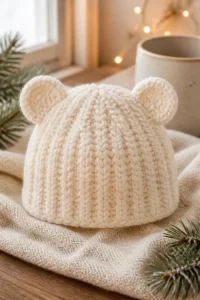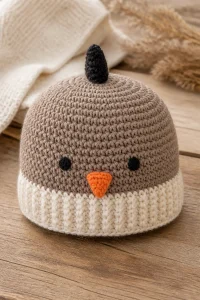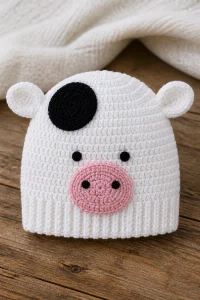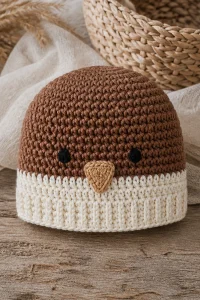
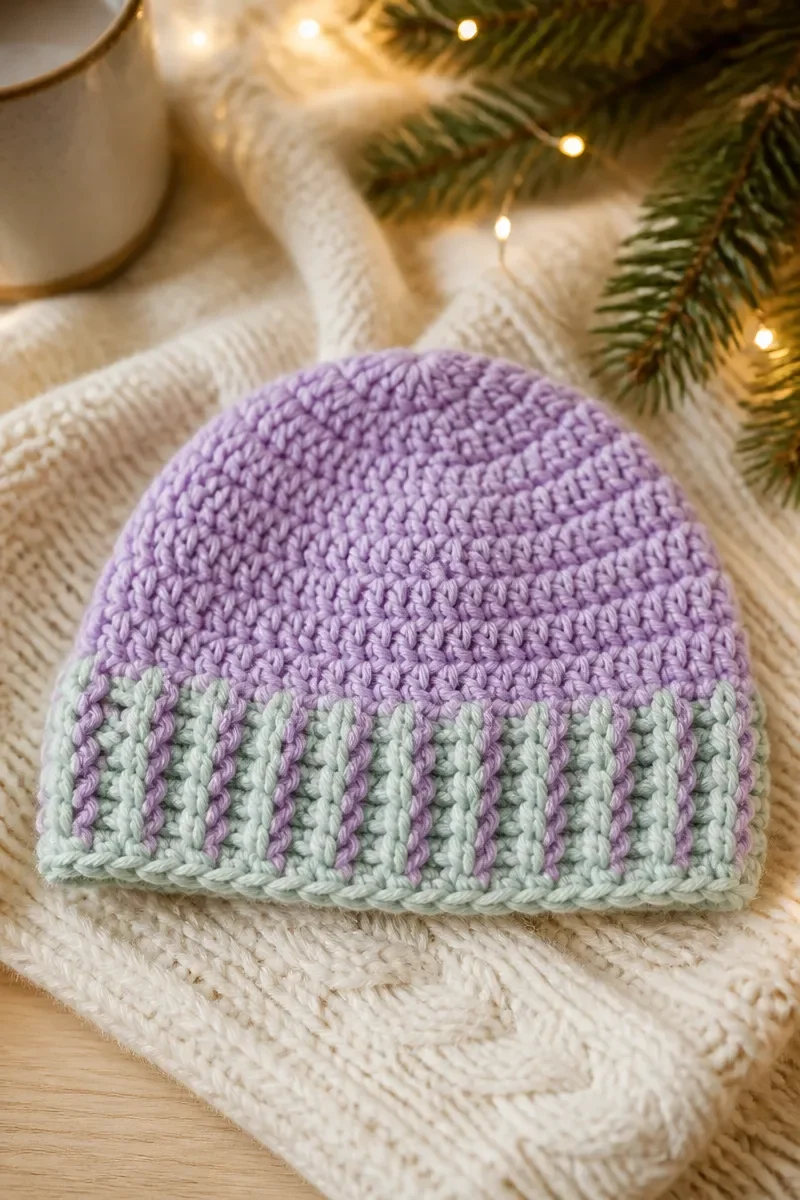
Speedy Preemie and Newborn Crochet Hat
Affiliate disclosure: This post may contain affiliate links. I may earn a small commission at no extra cost to you. See our Privacy Policy for details HERE.
- What Is a Crochet Hat?
- Why This Is a Great Choice for a Crochet Hat
- Before You Start
- Yarn and Hook Recommendations
- Materials
- Speedy Preemie and Newborn Crochet Hat Instructions
- Tips for a Crochet Hat Success
- Common Mistakes to Avoid
- Ways to Make It Your Own
- Care and Washing Instructions
- Frequently Asked Questions
- More Ideas to Try
- Conclusion
The Speedy Preemie and Newborn Crochet Hat is a crochet hat project for makers who enjoy creating a useful handmade item. It offers a focused way to work with yarn and build a finished piece through a clear sequence of crochet tasks.
This project may appeal to crocheters who want to make a thoughtful item for a new baby or prepare a handmade gift for a family. A finished hat can be given on its own or included in a small welcome present.
Making a project from start to finish can encourage patience, careful attention, and confidence in your crochet routine. It also gives you practice preparing materials, keeping track of your progress, and completing a handmade gift with care.
What Is a Crochet Hat?
A crochet hat is a handmade covering designed to sit on the head. It can be made in many styles, from close-fitting everyday wear to relaxed pieces for warmth, and its appearance depends on the yarn and overall design. Crochet hats are popular because they combine a useful purpose with room for personal choices.
The fabric of a crochet hat can feel soft, firm, stretchy, or lightweight depending on the fiber, yarn, and way it is made. A well-chosen yarn can help the finished item feel comfortable while keeping its shape through ordinary use. Crocheters can explore different textures and looks without changing the basic purpose of the project.
People make crochet hats for themselves, for family members, and as gifts. They can be useful additions to seasonal wardrobes or thoughtful handmade presents for someone welcoming a new baby. Their manageable scale also makes them a satisfying project for someone who wants to create a practical item without taking on a large piece of fabric.
Why This Is a Great Choice for a Crochet Hat
- Practical purpose: A hat is an everyday item with a clear use, so making one can feel rewarding from the first few moments of work through completion.
- Handmade gifting: A crocheted hat can be a personal present for a family member or friend, with the time and care behind it adding meaning.
- Portable project: A compact crochet project is convenient to carry between home and other places, making it easier to enjoy a few calm moments of crafting.
- Personal style: Yarn choices offer many ways to create a distinctive look, from understated and classic to playful, while keeping the item useful.
- Confidence builder: Completing a wearable project can help a crocheter feel more assured about planning, maintaining steady work, and preparing future handmade gifts.
Before You Start
- Make a gauge swatch using the yarn and hook you plan to use. Measuring it before beginning helps you see whether your working style is likely to produce the intended fabric.
- Read through every part of the project before picking up your hook. A complete first look helps you anticipate changes in approach and gather anything you may need.
- Keep a notebook or tally sheet nearby for brief notes about your progress. A written record can make it easier to resume after a pause without relying on memory.
- Organize your yarn and wind it into a manageable ball or cake before beginning. Keeping it ready can prevent tangles and reduce interruptions while you work.
Yarn and Hook Recommendations
- Choose a fiber that feels comfortable for the intended wearer. Acrylic is often easy to care for, while cotton and wool offer different textures and qualities.
- Match the yarn weight to the kind of fabric you want. A lighter yarn can create a delicate feel, while heavier yarns generally make a denser fabric.
- Look for smooth yarn when you want the stitches to be easy to see and handle. Highly textured yarn can hide stitch definition and make counting more challenging.
- Consider how the yarn feels against sensitive skin. A soft, non-scratchy fiber is a considerate choice for items intended for babies or anyone with delicate skin.
- Pick shades with enough contrast from the surrounding light to make the yarn comfortable to work with. Clear visibility can help you notice individual stitches and avoid missed loops.
- Use the recommended hook as a starting point, then compare your swatch with the target gauge. If your fabric is too tight or loose, adjust the hook and swatch again.
Materials
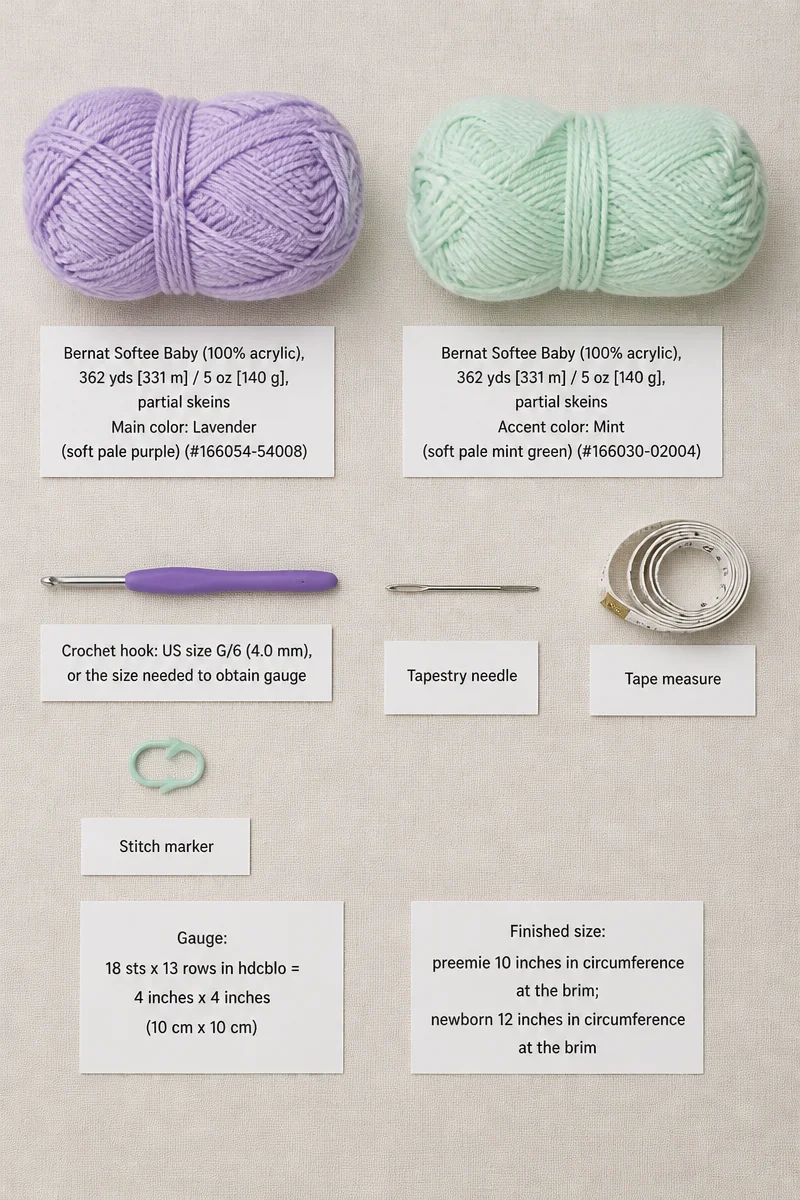
- Yarn: DK weight (#3 light), about 50 yards for preemie or 70 yards for newborn
- Yarn shown: Bernat Softee Baby (100% acrylic), 362 yds [331 m] / 5 oz [140 g], partial skeins
- Main color: Lavender (soft pale purple) (#166054-54008)
- Accent color: Mint (soft pale mint green) (#166030-02004)
- Crochet hook: US size G/6 (4.0 mm), or the size needed to obtain gauge
- Tapestry needle
- Tape measure
- Stitch marker
- Gauge: 18 sts x 13 rows in hdcblo = 4 inches x 4 inches (10 cm x 10 cm)
- Finished size: preemie 10 inches in circumference at the brim; newborn 12 inches in circumference at the brim
Speedy Preemie and Newborn Crochet Hat Instructions
Color key: Lavender (main color) = soft pale purple; Mint (accent color) = soft pale mint green.
-
Abbreviations: ch(s) = chain(s); hdc = half double crochet; hdcblo = half double crochet in the back loop only; fpdc = front post double crochet; bpdc = back post double crochet; rep = repeat; rnd = round; st(s) = stitch(es).
-
Notes: Sizes are written as preemie (newborn).
-
Notes: The hat is worked from the top down in continuous rounds. Do not join with a sl st before going on to the next round.
-
Notes: Use a stitch marker in the first st of each round and move it up as you go.
Crown (both sizes)
-
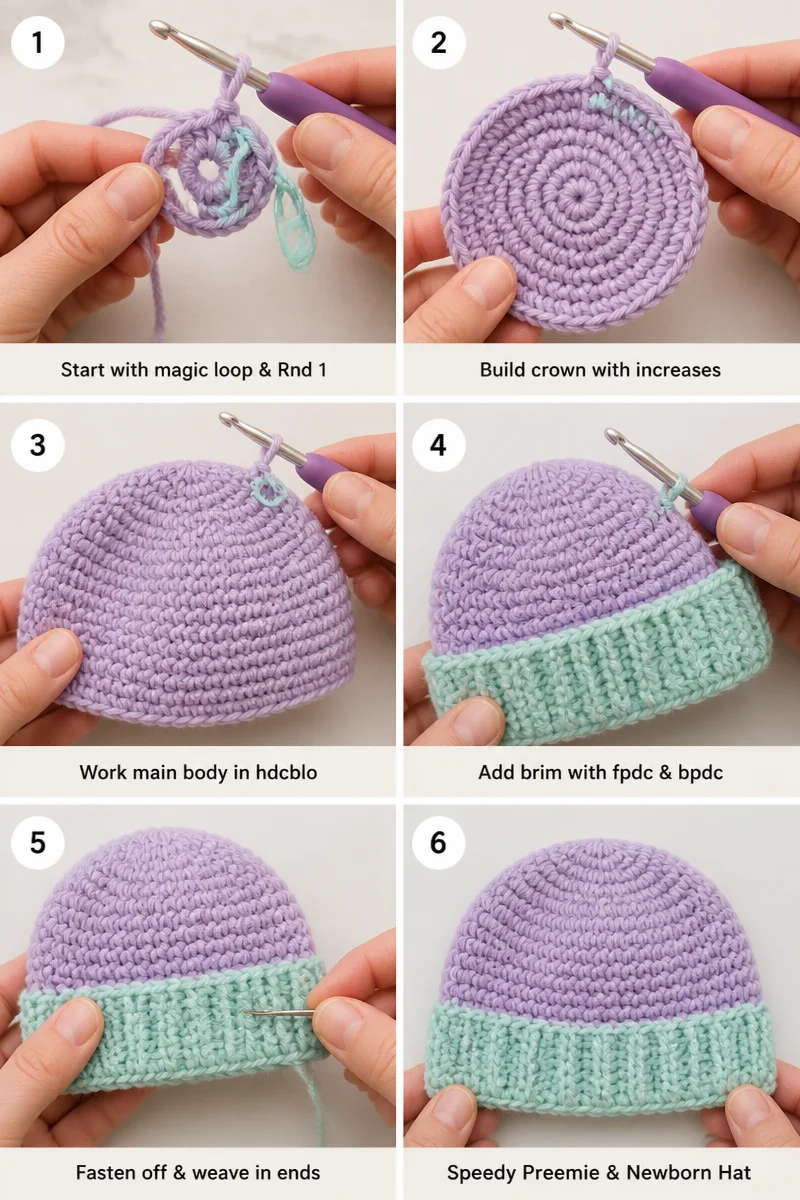
Start with a magic loop.
-
Rnd 1: Ch 1 (does not count as a st), work 8 hdc in the magic loop. Tighten the loop. (8 hdc)
-
Rnd 2: Work 2 hdcblo in each st of the previous rnd. (16 hdcblo)
-
Rnd 3: *2 hdcblo in the next st, hdcblo in the next st; rep from * around. (24 hdcblo)
-
Check gauge: the circle should now be 2 inches across.
-
Rnd 4: *2 hdcblo in the next st, hdcblo in each of the next 2 sts; rep from * around. (32 hdcblo)
-
Rnd 5: *2 hdcblo in the next st, hdcblo in each of the next 3 sts; rep from * around. (40 hdcblo)
-
Rnd 6: *2 hdcblo in the next st, hdcblo in each of the next 4 sts; rep from * around. (48 hdcblo)
-
Preemie: go straight to the main body. Newborn: work the next rnd before the main body.
Crown (newborn size only)
- Rnd 7: *2 hdcblo in the next st, hdcblo in each of the next 5 sts; rep from * around. (56 hdcblo)
Main body
-
Rnd 1: Hdcblo in each st around. (48 (56) hdcblo)
-
Rnds 2 to end of main body: Repeat Rnd 1 2 (3) more times.
Brim (both sizes)
-
Rnd 1: *Fpdc, bpdc; rep from * around. (24 (28) fpdc, 24 (28) bpdc)
-
Rnd 2: Repeat Rnd 1.
-
Finishing: Fasten off with an invisible join. Weave in the ends.
Tips for a Crochet Hat Success
Comfortable Setup
Sit with your back supported and shoulders relaxed. Rest your forearms comfortably so they do not need to carry the weight of the project, and take a short pause when your hands feel tired.
Choose a place with enough light to see the yarn clearly without straining. A lamp aimed toward your work can make close details easier to distinguish and help reduce eye fatigue.
Even Tension
Let the yarn glide through your fingers without gripping it tightly. A relaxed hold makes it easier to form consistent loops and reduces unnecessary strain in your hand.
Pay attention to how your hands feel as you work. If the fabric begins to feel stiff or your fingers are clenching, pause, loosen your grip, and continue at a comfortable pace.
Track Your Place
Use a stitch marker to keep track of a location you need to recognize as you work. Move it carefully when your progress passes that point, so it remains a useful visual reminder.
A tally sheet can help you note completed sections without interrupting your flow. Mark each one as soon as it is complete, rather than trying to recall your place later.
Check As You Go
Pause occasionally to look over the fabric for skipped loops, uneven tension, or an unexpected gap. Finding a small issue early can make it easier to correct than discovering it much later.
Set the work down on a flat surface for a clear view. Check that its overall appearance remains consistent, and compare its measurements with your intended result when appropriate.
Common Mistakes to Avoid
Skipping the Swatch
It can be tempting to begin right away, especially when the yarn feels familiar. Yet different yarns and hooks can produce noticeably different fabric, even when the label gives a similar description.
Make a swatch with the yarn and hook you plan to use, then measure it after it has settled. If the gauge differs from the target, adjust your hook and try again before continuing.
Pulling Too Tightly
New crocheters sometimes tighten each loop in an effort to make the work look neat. Excessively tight tension can make the hook difficult to insert and produce fabric that feels rigid or uneven.
Try to keep the working yarn moving smoothly rather than pulling hard after every stitch. If your hands begin to ache or the fabric resists the hook, pause and reset your grip.
Miscounting
It is easy to lose track when conversation, noise, or a short break interrupts concentration. A missed or added stitch can shift the fabric and make later counting more confusing.
Count at natural stopping points and use a tally sheet to record completed sections. If the count seems wrong, recount carefully from a place you can identify rather than guessing and continuing.
Leaving Ends Too Short
A very short yarn tail can be difficult to secure neatly and may slip free during handling. This mistake often happens when someone cuts the yarn before considering how much is needed to weave it in.
Leave a comfortable tail when cutting yarn, then use a tapestry needle to work it securely through the fabric. Avoid trimming close until the end is tucked in and stable.
Changing Yarn or Hook Midway
Switching to a different yarn or hook partway through can change the fabric’s thickness, drape, or dimensions. Even yarns with similar labels may behave differently because of their fiber and construction.
For a consistent result, keep the same yarn and hook throughout the project. If a replacement becomes necessary, make a fresh swatch first and compare its feel and gauge before proceeding.
Ways to Make It Your Own
- Choose a different color palette to suit the recipient or the season. A coordinated mix can feel calm and classic, while brighter combinations bring a more playful character.
- Try a different yarn of the same weight if its texture and care needs suit the recipient. A smooth, soft option can keep the finished item comfortable and practical.
- Make a matching second project for a coordinated set. Similar yarn choices can tie the pieces together without making them identical, giving the gift a thoughtful, collected feel.
- Add a handwritten note explaining why you chose the gift. A personal message can make a handmade present feel especially meaningful to the person receiving it.
- Present the finished piece in a reusable gift bag or a small keepsake box. Neat packaging protects your work and gives the recipient a pleasant first look.
Care and Washing Instructions
Washing: Follow the care guidance on the yarn label, since fiber content affects the best washing method. Use gentle handling and avoid rough agitation, which can distort handmade fabric or cause unwanted wear.
Drying: Press out excess water carefully rather than twisting the fabric. Lay the item flat on a clean, dry surface and reshape it gently, allowing it to dry fully before putting it away.
Storing: Keep the hat clean and dry in a drawer or storage container. Avoid placing heavy objects on top, and store it away from damp areas so it stays fresh between uses.
Frequently Asked Questions
Can I use a different yarn?
Yes, another yarn can work if it produces a fabric with a similar weight and feel. Fiber content affects softness, stretch, care needs, and how the finished fabric hangs. Make a swatch first and compare its gauge and texture before committing to a substitute.
How can I keep my stitches even?
Try to maintain a relaxed grip and let the yarn feed smoothly through your fingers. Work at a comfortable pace instead of tightening each loop to make it look uniform. Taking occasional pauses can help you notice tension changes before they become pronounced.
What is a reliable way to count my progress?
Count at planned stopping points and record completed sections on a tally sheet or in a notebook. A stitch marker can also help you identify a place as you work. If you lose track, recount from a clearly recognizable point instead of relying on memory.
What if my finished project looks different than expected?
First consider whether the yarn, hook, and your personal tension changed while you worked. Compare the fabric with your gauge swatch and measure it calmly before deciding what to adjust. Small differences in texture can be normal when materials or working styles vary.
How long should yarn tails be?
Leave enough tail to thread comfortably through a tapestry needle and weave through the fabric securely. The amount needed can vary with yarn thickness and the way the fabric is made. Avoid cutting too close before checking that the tail is stable and tucked away.
More Ideas to Try
If you enjoy making practical handmade gifts, consider exploring crochet baby blankets, booties, soft toys, or a small stroller blanket. These related project types offer different ways to practice planning and enjoy yarn, while giving you options for building a coordinated present or choosing a new idea for your next quiet crafting session.
Conclusion
Give the Speedy Preemie and Newborn Crochet Hat a try when you are ready to make a thoughtful handmade gift. Take your time, enjoy the process, and celebrate the care you put into your work. Explore more crochet ideas on the blog whenever you are looking for another project to inspire your next creative afternoon.