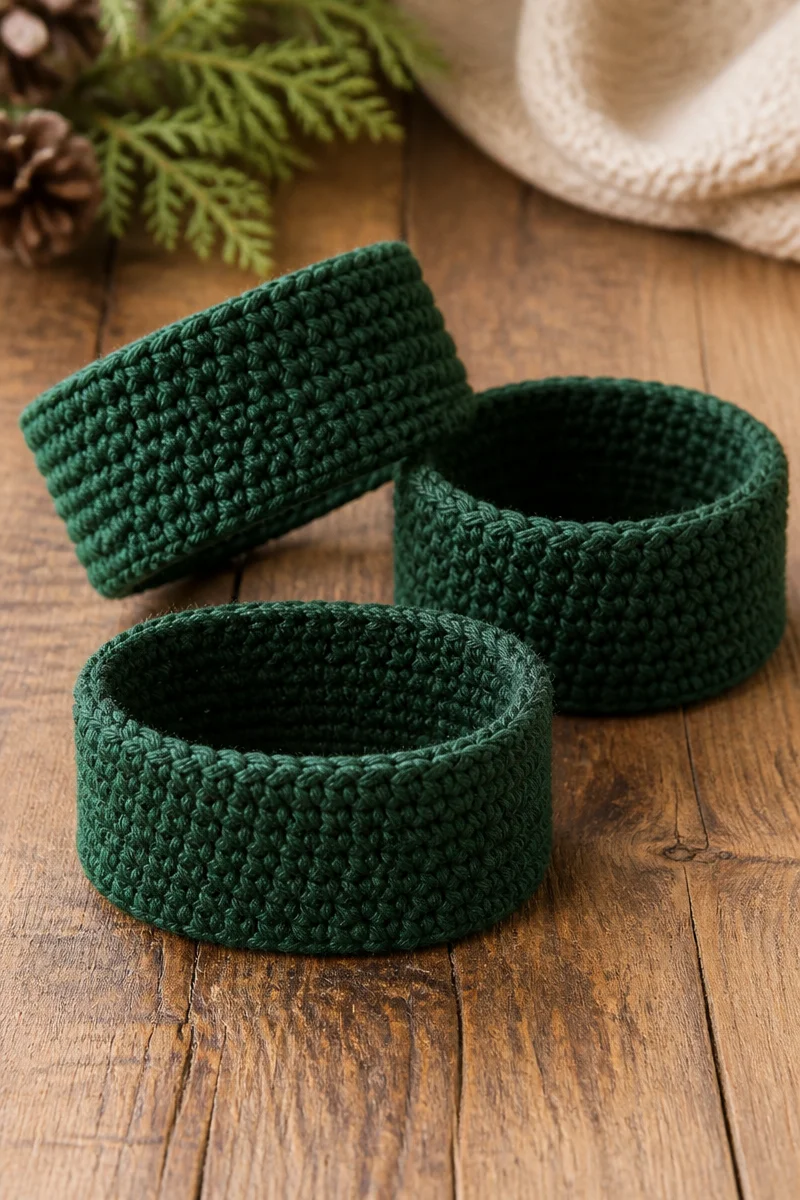
Crochet Forest Green Ponytail Cuff Set
Affiliate disclosure: This post may contain affiliate links. I may earn a small commission at no extra cost to you. See our Privacy Policy for details HERE.
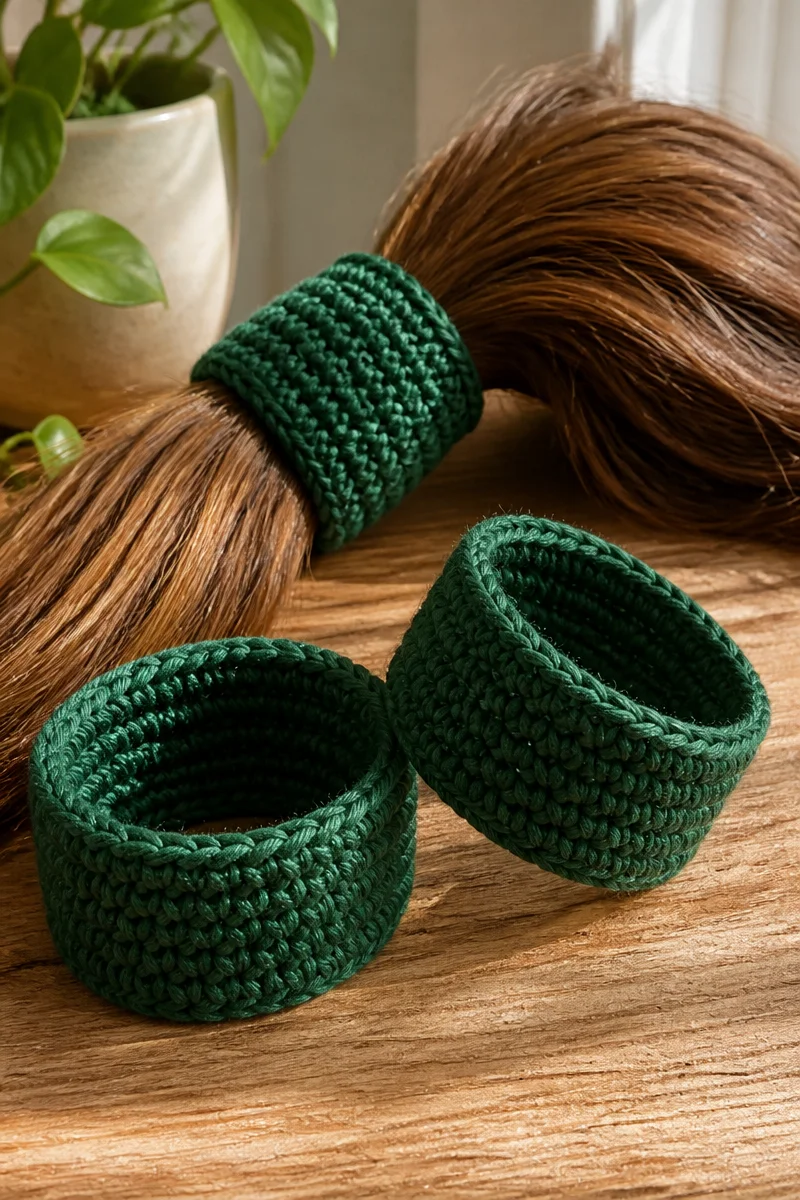
A forest green ponytail cuff set is a lovely way to add a handmade touch to an everyday hairstyle. I especially like this small crochet project because it uses a little yarn yet can make a simple ponytail feel polished and personal. The deep green shade brings to mind pine trees and cool autumn days, but it also works beautifully all year.
A crochet ponytail cuff usually wraps around a hair elastic, with a button or another simple closure holding it in place. The stitches create a soft, textured fabric that covers the elastic while leaving room for a ponytail or bun. This is generally a beginner-friendly project, though neat finishing and a comfortable fit take a little care.
In this guide, you’ll learn how the crochet ponytail cuff technique works, what yarn and hooks to consider, and how to make the cuff feel secure without pulling on your hair. You’ll also find practical tips for even stitches, common mistakes to avoid, and simple care advice for a forest green ponytail cuff set.
What Is the Crochet Ponytail Cuff Technique?
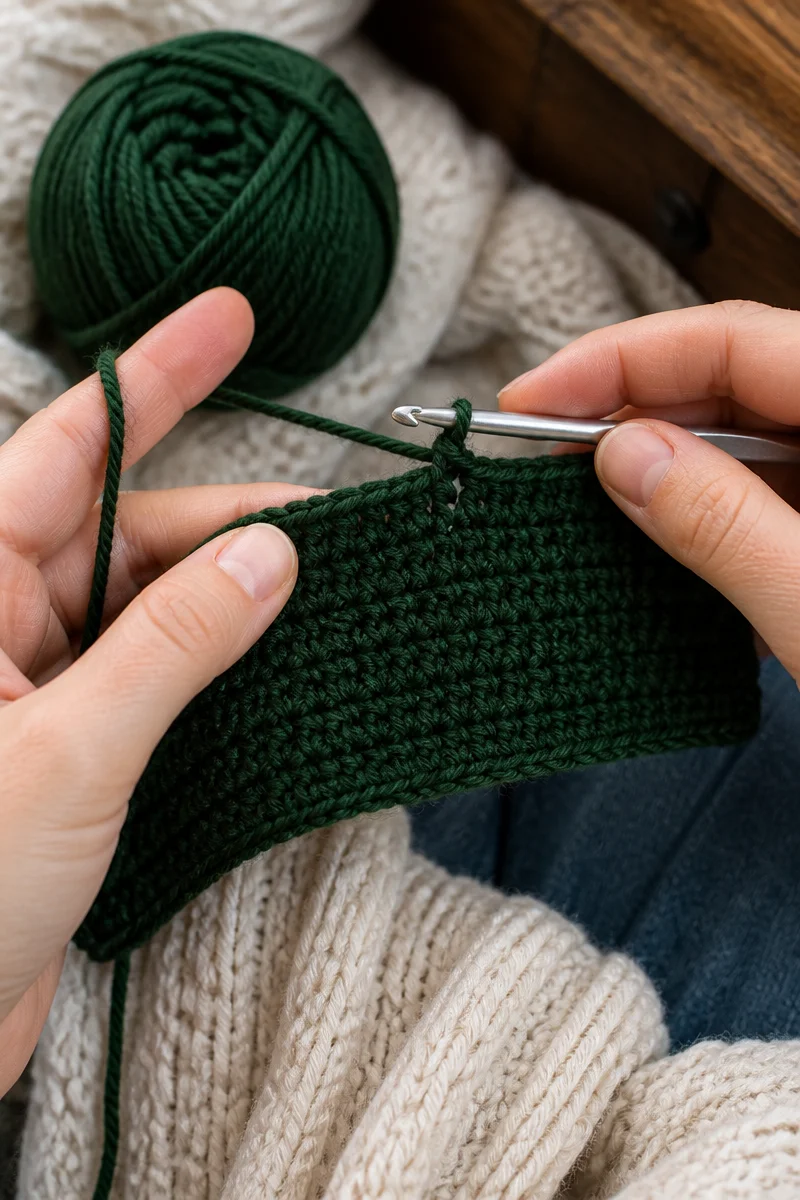
The crochet ponytail cuff technique makes a small band of crocheted fabric that fastens around a hair elastic or a gathered ponytail. Depending on the design, you might crochet a flat strip and join its ends, or work a short tube that slides around an elastic. A button, loop, or tie can help keep the cuff in place.
The stitch itself can vary. Many cuffs use single crochet for a firm, compact fabric, while half double crochet makes a slightly taller, softer texture. Some designs add ribbing, a shell edge, or a simple textured stitch. Crocheters enjoy this technique because it is quick to make, easy to customize, and useful for small amounts of yarn.
Why This Is a Great Choice for Ponytail Cuffs
- It uses little yarn. A cuff is small, so it is a handy way to use leftover yarn from a larger project.
- It works up quickly. Since the fabric is compact, you can often finish a cuff in one sitting.
- It adds a neat finishing touch. The cuff covers a plain elastic and gives a ponytail or bun a more finished look.
- It is easy to personalize. Try a different button, edging, or stitch texture to create a style that suits you.
- It makes a thoughtful small gift. A forest green cuff set can be paired with other hair accessories or made in several colors.
Yarn and Hook Recommendations
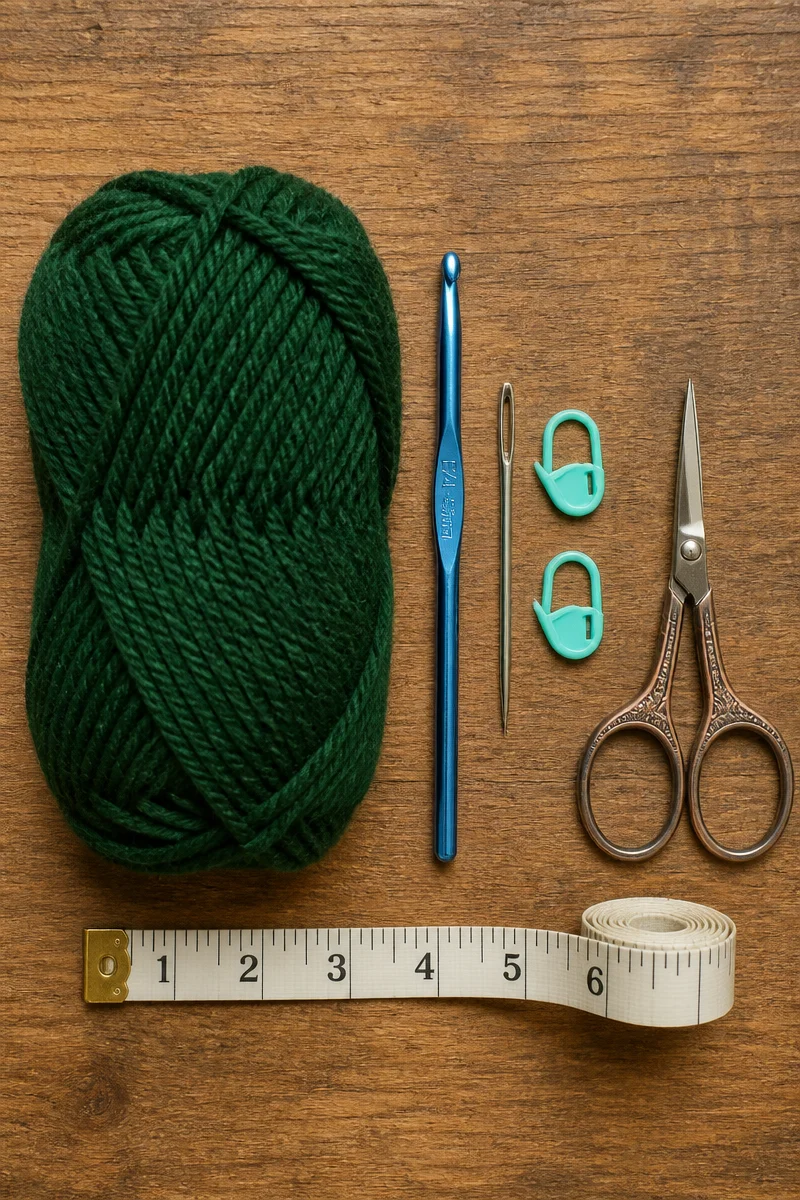
- Choose a smooth worsted-weight yarn for a fuller cuff. It is easy to handle and gives the accessory good coverage without adding much bulk.
- Try DK-weight yarn for a lighter, finer look. It can feel less bulky around a ponytail, though you may need more stitches or rows for the desired size.
- Use cotton for a crisp, sturdy finish. Cotton can show stitch details clearly, but it has less stretch than many acrylic yarns.
- Consider acrylic or an acrylic blend for easy care. These fibers are widely available and often hold color well. Check the yarn label for washing guidance.
- Select a hook that creates firm but flexible fabric. A hook around 3.5 to 5 mm may suit many DK- or worsted-weight yarns, but check the yarn label and make a small test.
- Pick a smooth yarn in forest green. Smooth strands make it easier to see your stitches and create an even finish. If you are new to crochet, avoid highly textured or fuzzy yarn until you feel comfortable.
Tips for Crochet Ponytail Cuff Success
First, make a small test swatch with your chosen yarn and hook. The fabric should cover the elastic, yet still bend comfortably around it. If your stitches feel stiff, try a larger hook. If the fabric looks loose or gapes, use a smaller hook or adjust your tension.
Next, count stitches as you work, especially near the edges. It is easy to add an extra stitch at the end of a short row, so use a stitch marker if that helps. Also, check the fit around the hair elastic before fastening off. A cuff should stay in place without feeling tight or pulling at your hair. Finally, weave in yarn ends securely so they do not catch on hair or clothing.
Common Mistakes to Avoid
A common issue is making the cuff too tight. Tight stitches can make the fabric stiff and difficult to wrap around the elastic. Instead, aim for a flexible fabric, and check the fit before you finish the piece.
Another pitfall is miscounting stitches. Even a small change in stitch count can make a narrow cuff look uneven or skewed. Therefore, count each row and look at the edge before starting the next one.
The wrong yarn can also affect the result. Very bulky yarn may make the cuff feel heavy, while a slippery or loosely spun yarn may not hold its shape well. Check the yarn’s texture and thickness, and test it with your hook before making the full accessory.
Finally, take care when attaching a button or loop. A closure that sits too close to the edge may pull the fabric out of shape. Sew it on firmly, but avoid pulling the thread so tight that the cuff puckers.
Care and Washing Instructions
Washing: Follow the care label on your yarn. Many acrylic cuffs can be washed gently by hand or in a mesh laundry bag on a delicate cycle. For cotton, use cool or lukewarm water and mild detergent. If the cuff has a button or other trim, check that it is securely attached before washing.
Drying: Gently press out excess water with a towel, without wringing or twisting the cuff. Then reshape it and lay it flat to dry. Keep it away from high heat, especially if the yarn contains acrylic.
Blocking: Most ponytail cuffs do not need full blocking. However, if the edges curl or the fabric looks uneven, lightly dampen it and shape it flat. Let it dry fully before using it. Avoid stretching the cuff too much, since a snug fit helps it stay in place.
More Ideas to Try
Once you have made a forest green ponytail cuff set, try a ribbed cuff, a shell-stitch hair tie cover, or a small crochet headband in a matching shade. You could also make cuffs in seasonal colors, add a simple flower, or use a contrasting button for a playful detail.
Conclusion
A forest green ponytail cuff set is a quick, useful crochet project that can turn leftover yarn into a thoughtful hair accessory. With a comfortable fit, even stitches, and a secure finish, your cuff can look neat and feel easy to wear. Try one in your favorite green, then make another in a different stitch or color. Share your finished cuff with fellow crocheters, and explore more small crochet projects on the blog.