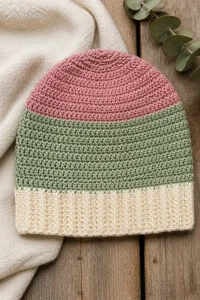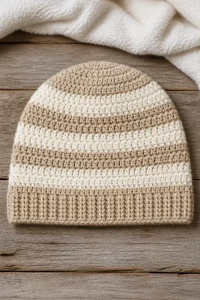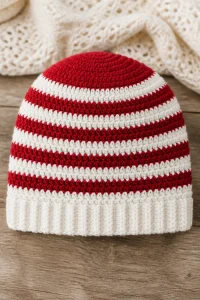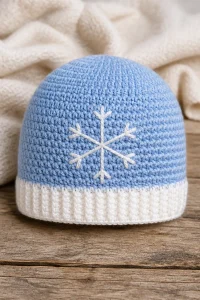
Crochet Robin Baby Hat Beanie

Affiliate disclosure: This post may contain affiliate links. I may earn a small commission at no extra cost to you. See our Privacy Policy for details HERE.
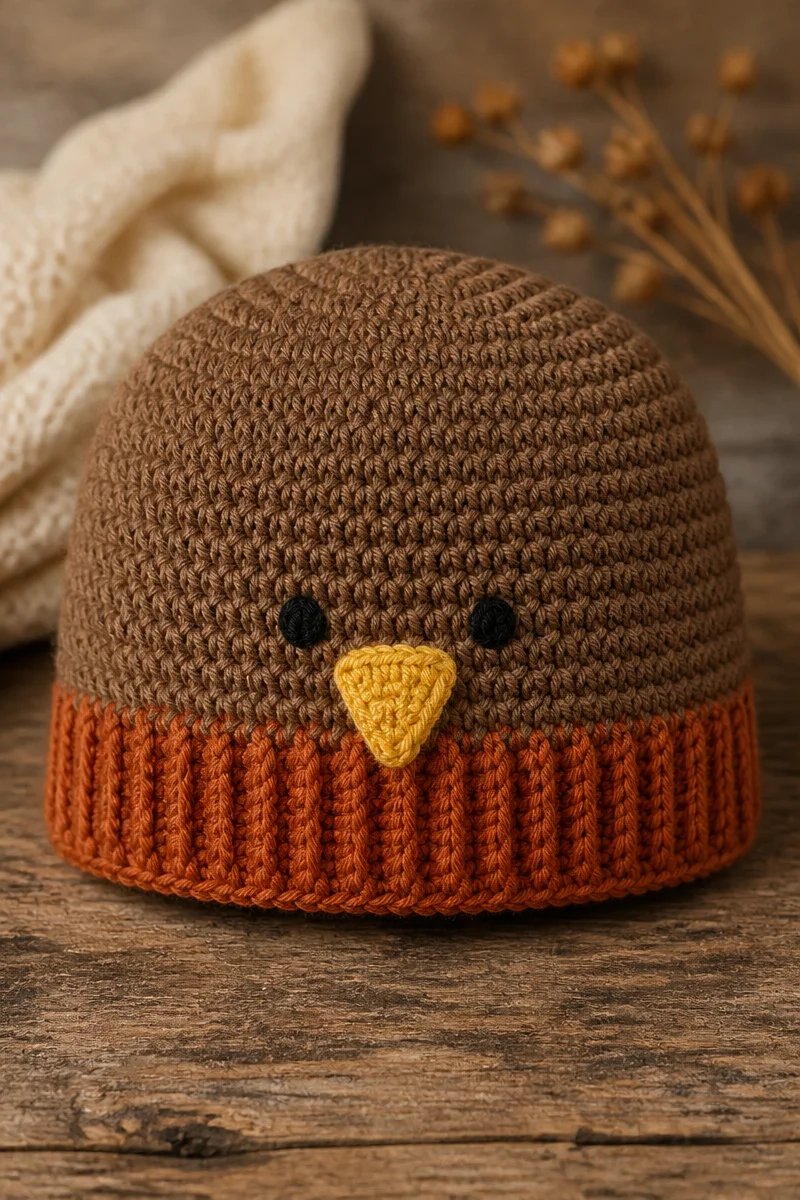
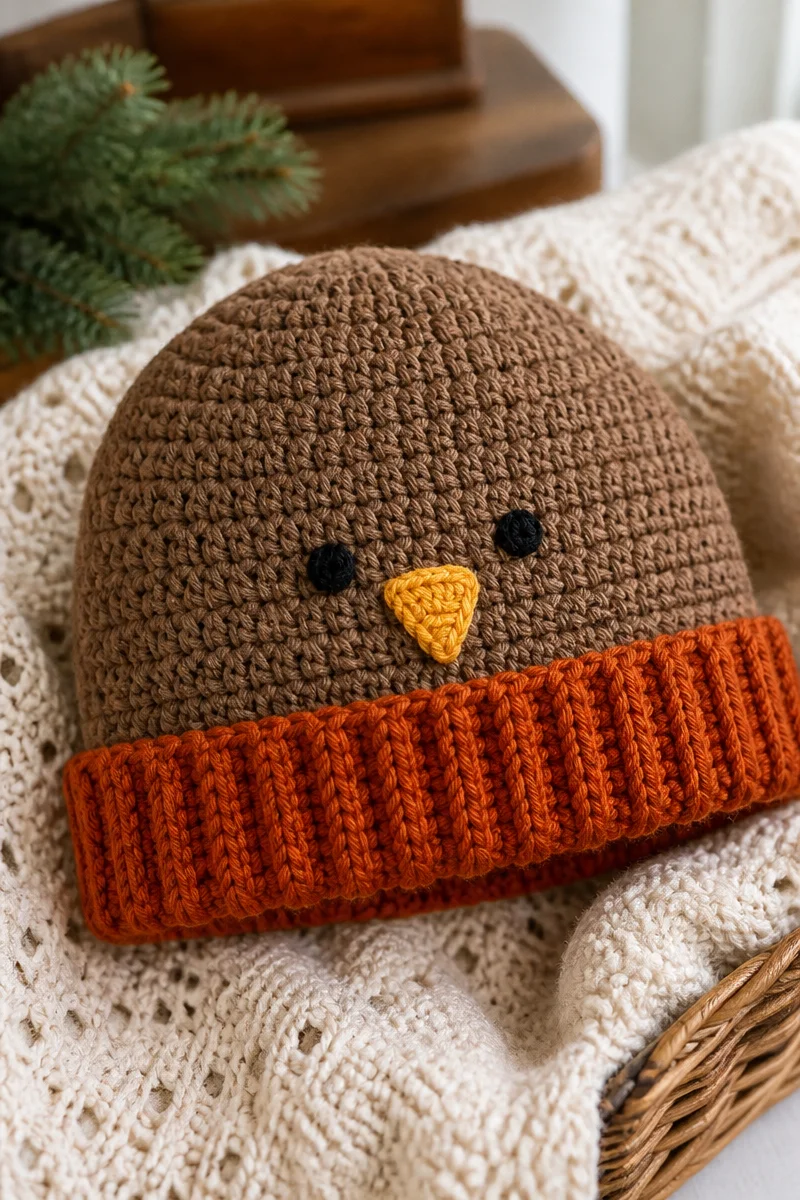
If you have ever looked at a Crochet Robin Baby Hat Beanie and thought, “That is just too sweet for words,” you are not alone. I feel the same way. A robin-inspired baby hat has a soft charm that feels cozy, cheerful, and handmade in the best possible way. It is one of those crochet projects that can make you smile before you even put it on a little head.
What makes a Crochet Robin Baby Hat Beanie so special is its gentle shape and playful bird-inspired look. Usually, it combines a snug baby beanie fit with simple color changes or small detail work that gives it a robin feel. Because of that, it often looks cute without being complicated. So, it is a lovely choice for gift making, photo props, keepsakes, and everyday baby wear.
In this guide, you will learn what the main crochet baby beanie technique is, why it works so well for this project, and how to choose the right yarn and hook. You will also get useful tips, common mistakes to avoid, and care advice. So, whether you are newer to crochet or have years of experience, this post will help you make smarter choices and enjoy the process more.
What Is the Baby Beanie Crochet Stitch?
The baby beanie crochet stitch is not one single stitch in the strict sense. Instead, it usually means a simple stitch pattern used to shape a soft, rounded baby hat. Most often, crocheters use stitches like single crochet, half double crochet, or double crochet in rounds or rows to build the beanie. Then, they shape the crown and body so the hat fits a baby’s head comfortably.
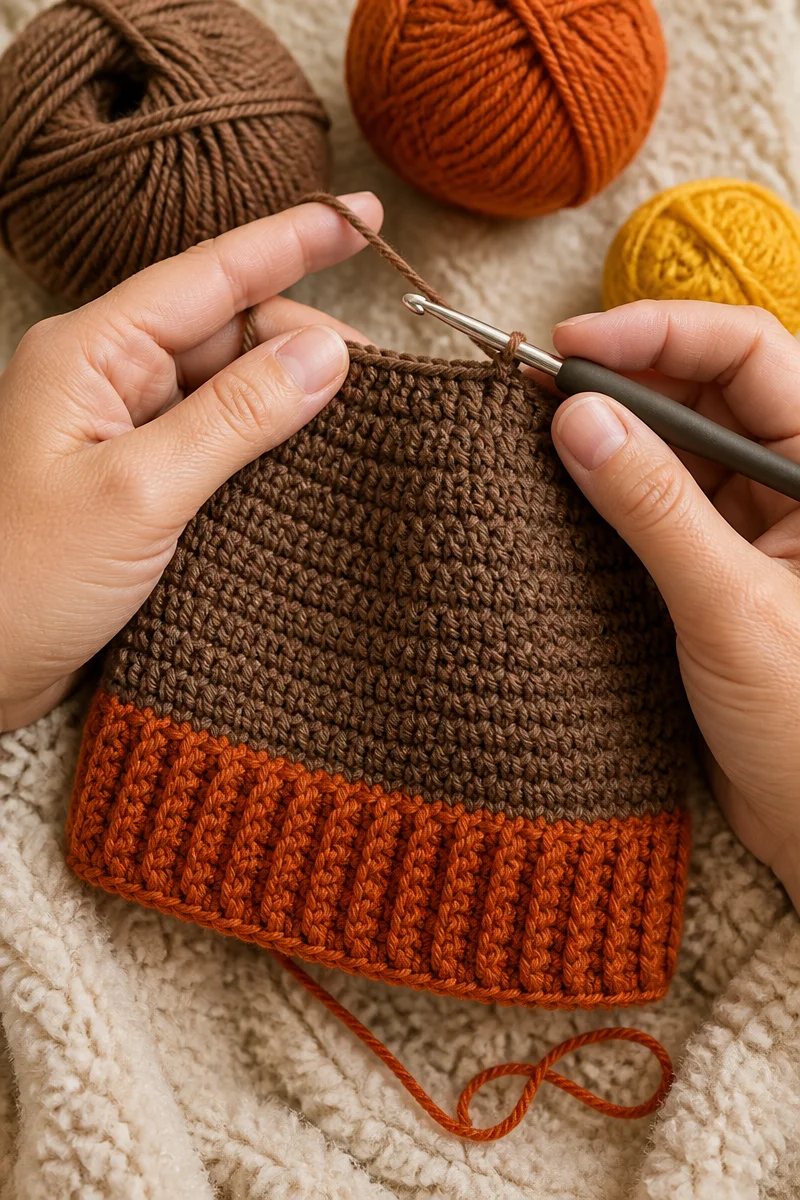
This type of stitch work creates a smooth, flexible fabric. It can look neat and tidy, yet still stay soft enough for a baby. Also, it tends to hold its shape well, which is helpful for hats. Many crocheters like it because it is easy to adjust, easy to size, and easy to decorate with small details like ears, color stripes, or robin-inspired features.
Why This Is a Great Choice for Baby Hats
- Soft and comfortable: A baby beanie needs to feel gentle on delicate skin, and this stitch style helps create a soft fabric.
- Easy to customize: You can change colors, add shaping, or adjust the brim to suit a robin-themed baby hat.
- Works up fairly fast: Baby hats are small, so this project is a good choice when you want a quick and satisfying make.
- Good fit and stretch: The stitch structure can offer enough stretch for comfort, while still keeping the hat secure.
- Great for gifts: A Crochet Robin Baby Hat Beanie feels personal and handmade, so it makes a lovely baby shower or newborn gift.
Yarn and Hook Recommendations
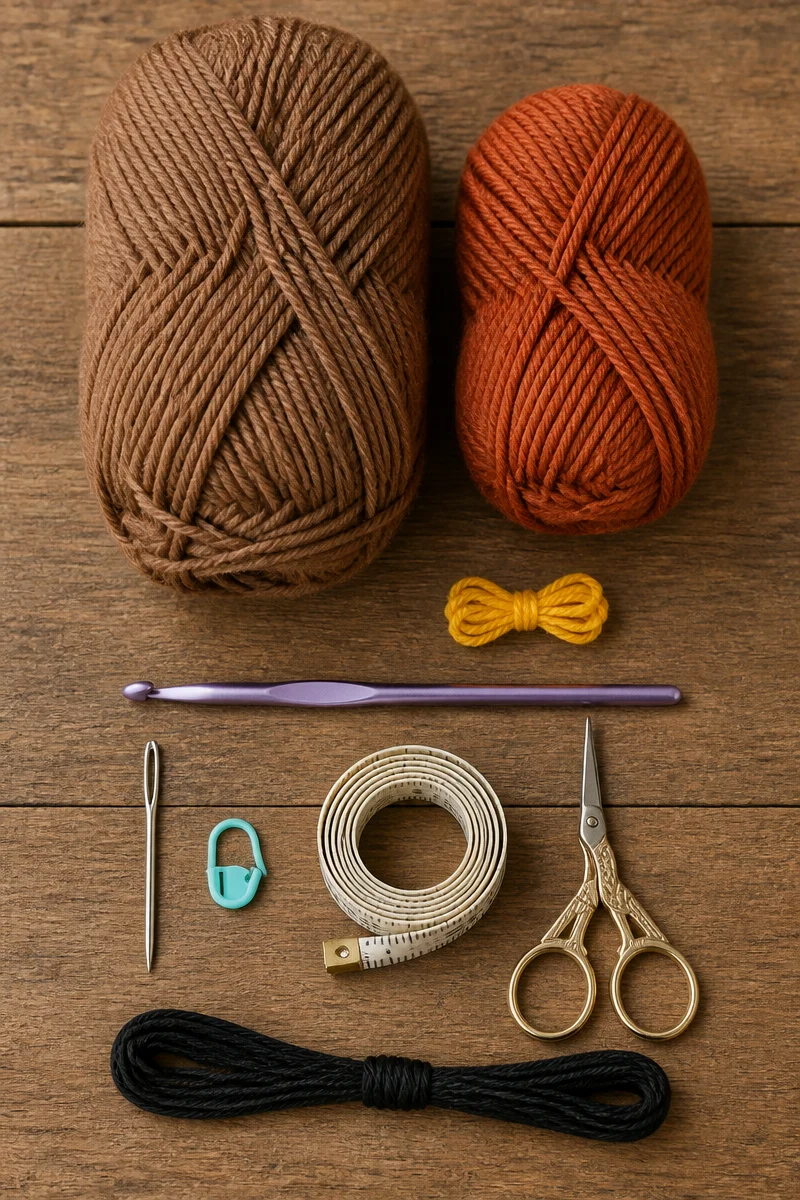
- Light worsted or DK yarn: This weight is often ideal for baby hats because it gives a soft, smooth result without feeling bulky.
- Baby-safe acrylic yarn: Acrylic is easy to wash, budget-friendly, and often a practical choice for baby items.
- Cotton yarn: Cotton can be a good option if you want a breathable hat with a firmer feel, especially for mild weather.
- Bamboo or bamboo blend yarn: This fiber feels soft and smooth, and it often has a gentle drape that works well for baby wear.
- Hook size matched to yarn label: A hook in the range suggested on the yarn label usually helps you get the right balance of softness and structure.
- Slightly smaller hook for a snug fit: If you want the hat to hold shape better, a hook one size smaller can help, as long as your tension stays comfortable.
Tips for Baby Beanie Crochet Stitch Success
First, keep your tension steady. This matters a lot for baby hats because uneven stitches can change the fit. If your hands feel tight, pause for a moment and relax your grip. Then continue at a smooth pace. Also, try to use the same stitch height throughout the project so the fabric stays even and neat.
Next, count carefully as you go, especially when working in the round. Baby hats often depend on small increases or shaping rows, and one missed stitch can change the whole crown. So, mark your rounds if needed, and check your stitch count often. In addition, read the full pattern or design notes before you begin. That simple step can save time and help you understand where the robin details fit into the hat.
Common Mistakes to Avoid
One common mistake is uneven tension. If some stitches are tighter than others, the hat may look lopsided or feel uncomfortable. This can happen when you rush or when you change hooks without meaning to. So, try to keep your hands relaxed and your movement even.
Another issue is miscounting stitches in the crown. Since baby hats are small, even one missed increase can affect the shape. As a result, the beanie may become too pointy, too flat, or too narrow. Therefore, it helps to use stitch markers and stop to check your count after each round.
Choosing the wrong yarn weight can also cause trouble. If the yarn is too thick, the hat may feel stiff or oversized. If it is too thin, the beanie may not give enough warmth or shape. So, match the yarn to the baby size and the look you want.
Finally, watch for curling or tight edges. This can happen if the stitch pattern pulls in too much or if the brim is too snug. To avoid that, test your gauge early and make sure the finished edge has a soft, gentle stretch.
Care and Washing Instructions
Washing: For most baby hats, gentle care is best. If you use acrylic, cotton, or a baby-safe blend, a mild machine wash on a delicate cycle may work well. However, always check the yarn label first. If you use wool or a special fiber, hand washing may be the safer choice.
Drying: Lay the hat flat to dry whenever possible. This helps protect the shape and keeps the fabric from stretching. In addition, avoid high heat, since that can damage some fibers or shrink the hat.
Blocking: Light blocking can help, especially if the hat needs a cleaner shape around the brim or crown. However, baby hats usually do not need heavy blocking. A gentle shape adjustment after washing is often enough.
More Ideas to Try
If you enjoy the look and feel of a Crochet Robin Baby Hat Beanie, you might also like a bird-themed bonnet, a striped newborn beanie, or a simple textured baby cap. In addition, you may enjoy learning stitch patterns like half double crochet, shell stitch, or moss stitch, since each one creates a different feel for baby accessories and gifts.
Conclusion
A Crochet Robin Baby Hat Beanie is a sweet project that blends comfort, charm, and simple crochet skill. Because it uses an easy baby beanie structure, it can be a practical make for gifts, photos, or everyday wear. Also, when you choose the right yarn, keep your tension steady, and avoid common shaping mistakes, you give the hat a better fit and finish.
So, if this project has caught your eye, now is a great time to try it. Make one for a baby gift, share your results with friends, or explore more crochet guides for baby hats and beginner-friendly stitch ideas.