Crochet Dusty Blue Baby Bandana Bib

Affiliate disclosure: This post may contain affiliate links. I may earn a small commission at no extra cost to you. See our Privacy Policy for details HERE.
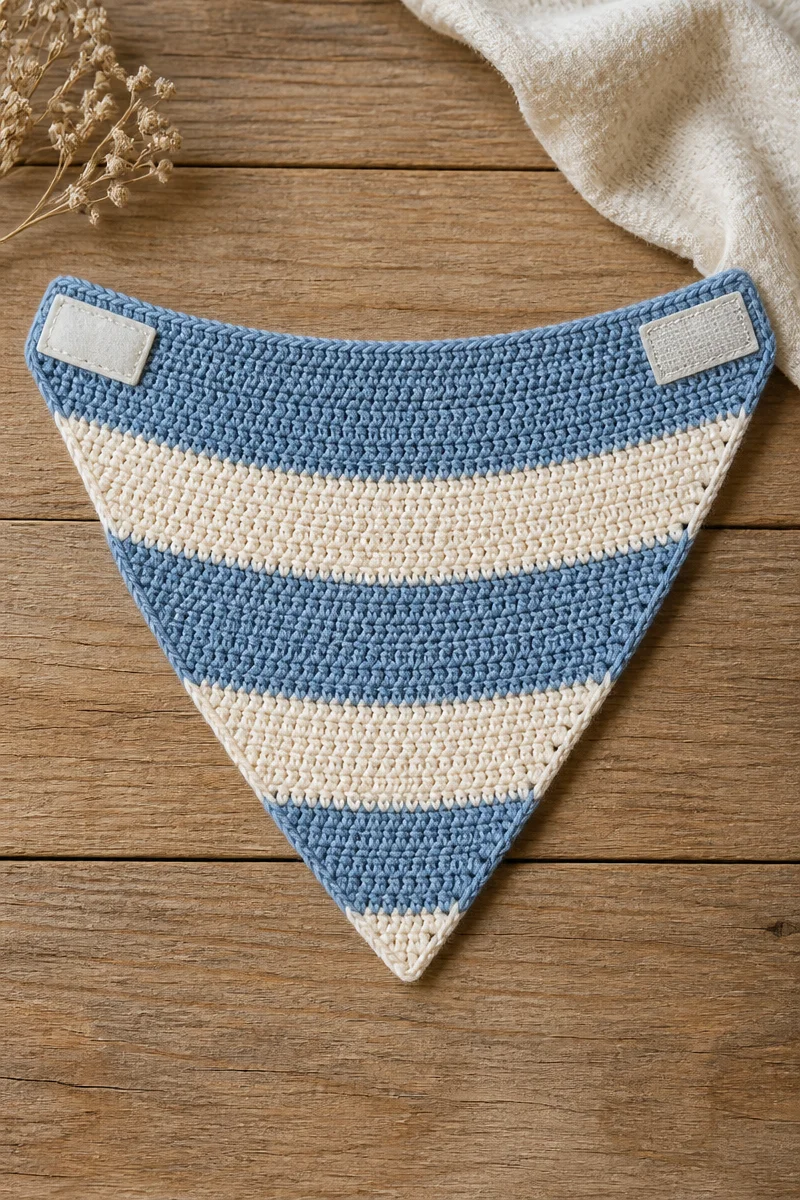
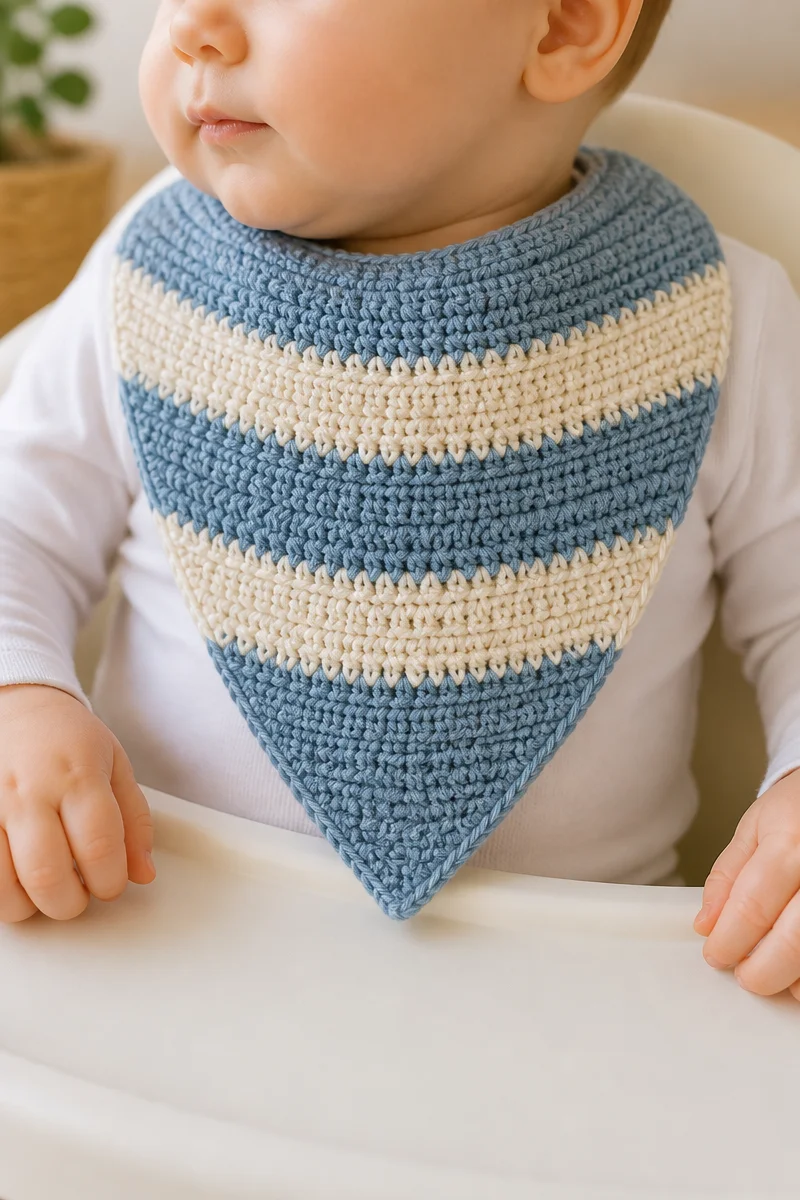
A crochet dusty blue baby bandana bib is a sweet, useful project that can make everyday outfits feel a little more special. I love how a simple crocheted triangle adds handmade charm while helping catch small drips and spills. The dusty blue shade is soft and easy to pair with many colors, too.
This project is usually made as a small triangular bib, often with a simple stitch such as single crochet for a firm, close fabric. That makes it a comfortable choice for a beginner, though neat shaping and a gentle fit take a little care. Most importantly, the bib should feel soft against a baby’s skin and be easy for a caregiver to fasten and wash.
In this guide, you’ll learn what makes the bandana bib style work, how to choose yarn and a hook, and how to get a tidy finish. You’ll also find practical tips for shaping, avoiding common problems, and caring for the finished bib.
What Is the Single Crochet Stitch?
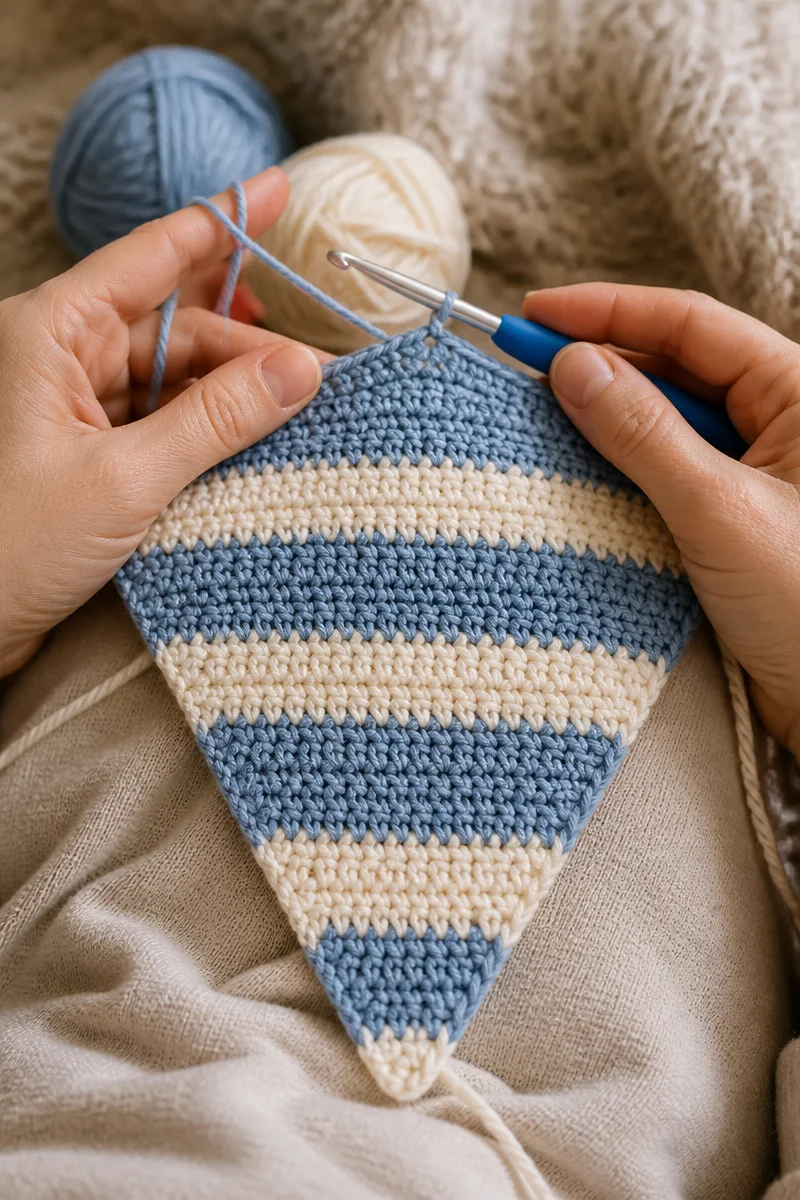
The single crochet stitch is a compact stitch that creates a close, sturdy fabric. To make one, insert the hook into a stitch, yarn over and pull up a loop, then yarn over again and draw through both loops on the hook. Repeating this stitch forms a neat row of small, even bumps.
For a bandana bib, crocheters often work single crochet in rows and increase at the edges to create a triangle. The exact shaping depends on the pattern, but the basic idea is simple: added stitches gradually widen the fabric. Crocheters like single crochet because it is easy to learn, holds its shape well, and leaves fewer large gaps than many taller stitches.
Why This Is a Great Choice for a Baby Bandana Bib
- It creates a close fabric. The small stitches help make a practical layer for catching everyday drips.
- It supports a clear triangular shape. With careful increases, the bib can widen smoothly from its starting point.
- It is beginner friendly. Single crochet uses a simple motion, so new crocheters can focus on counting and shaping.
- It works well in a small project. A bib is compact, which makes it a manageable project to carry and finish.
- It suits a soft, simple look. In dusty blue, the stitch texture adds gentle detail without making the bib feel busy.
Yarn and Hook Recommendations
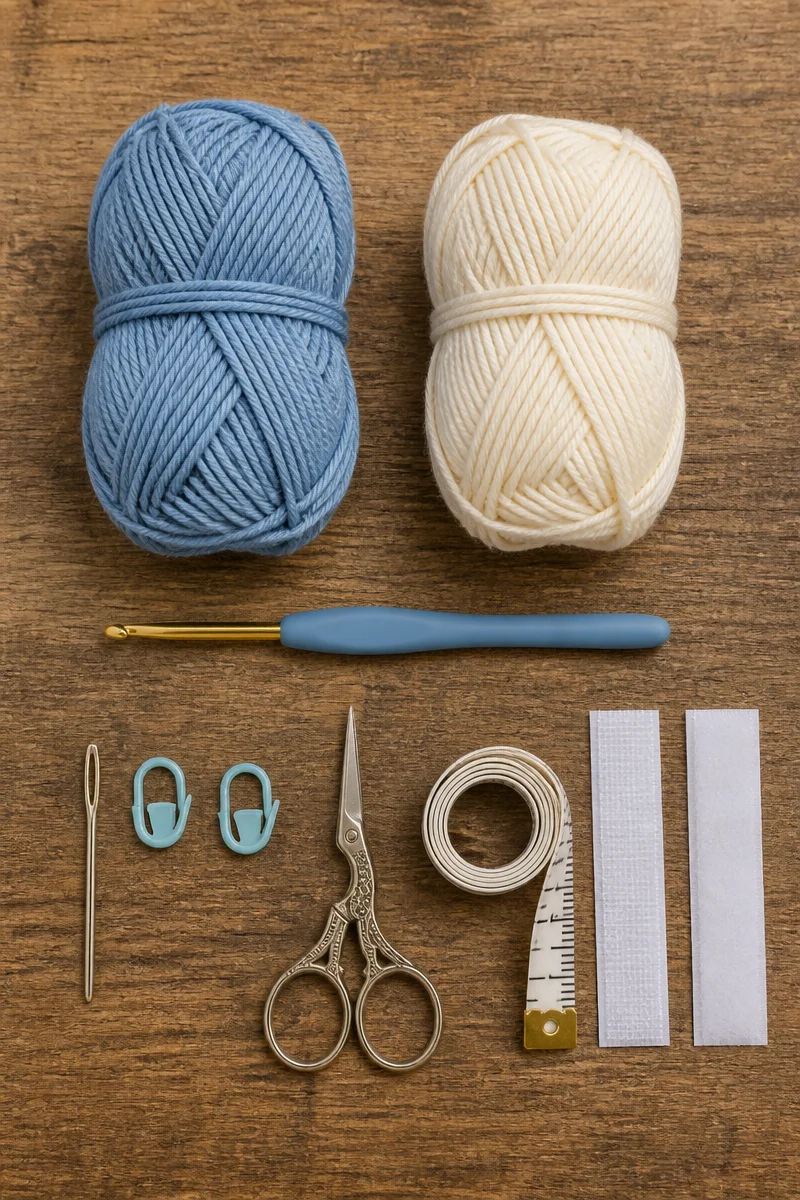
- Choose a soft, washable yarn. Baby items need frequent cleaning, so check the yarn label for care instructions before you begin.
- Consider cotton or a cotton blend. These fibers are often breathable and absorbent, which can be useful for a bib. However, cotton may feel less stretchy than acrylic.
- Look for light or medium yarn, if the pattern calls for it. A thinner fabric can sit comfortably under the chin, while a heavier yarn may feel bulky.
- Use the hook size suggested by your pattern or yarn label as a starting point. Then make a small test swatch to see whether the fabric feels soft and flexible.
- Adjust the hook if your stitches feel too tight or stiff. A slightly larger hook can loosen the fabric, while a smaller one can make it denser. Keep the finished fabric comfortable, not board-like.
- Check the yarn for loose fibers and care needs. Smooth, durable yarn is often easier to wash and less likely to shed than a fuzzy novelty yarn.
Tips for Single Crochet Success
First, keep your tension relaxed and steady. If you pull every loop very tight, the bib can become stiff and difficult to shape. On the other hand, very loose stitches may leave larger gaps. A small swatch helps you check the feel before you commit to the full project.
Next, count your stitches at the end of each row, especially where the pattern calls for increases. Use a stitch marker at an edge or turning point if it helps you keep track. Also, read the pattern notes before starting, since patterns may use different methods for shaping the triangle or adding ties. Finally, take breaks and check the bib against the intended size as you work.
Common Mistakes to Avoid
Uneven tension can make one side of the triangle look longer or more flared than the other. Therefore, try to work each stitch with a similar amount of slack, and pause to compare the edges as the bib grows. A small difference is easier to fix early than after several rows.
Miscounting stitches can change the shape. In particular, it is easy to miss an increase near the edge or accidentally add an extra stitch when turning. So, count each row and use markers to show where the shaping happens.
Choosing yarn only for its color can lead to a bib that feels scratchy, heavy, or difficult to clean. Instead, check the fiber and washing instructions before you start. Also, avoid very bulky yarn unless the pattern specifically calls for it, since a thick bib may sit awkwardly around a baby’s neck.
Finally, do not assume that every bib fastener or tie will suit every baby. Follow the pattern’s guidance for the closure, and make sure the finished item fits comfortably. Never leave a baby unattended while wearing a bib, and remove it during sleep.
Care and Washing Instructions
Washing: Follow the yarn label first. Many cotton and acrylic yarns can be washed by hand or on a gentle machine cycle, but care instructions vary. Use a mild detergent, and wash the bib often enough to keep it clean after use.
Drying: Press out extra water gently without twisting the fabric. Then lay the bib flat on a clean towel or drying rack and smooth it into shape. Avoid high heat unless the yarn label says it is safe.
Blocking: Light blocking can help even the edges and settle the triangle into a neat shape. However, use a gentle method that suits the fiber. Cotton and acrylic may respond differently, so check the label and avoid stretching the bib out of shape.
More Ideas to Try
Once you enjoy making a bandana bib, try a half double crochet version for a slightly taller texture, or a moss stitch bib for a woven look. You could also make a matching washcloth, a small stroller blanket, or a set of bibs in soft shades that coordinate with a baby’s clothes.
Conclusion
A crochet dusty blue baby bandana bib brings together a simple shape, a useful purpose, and a calm handmade look. With soft, washable yarn, steady single crochet stitches, and careful row counting, you can make a bib that looks neat and feels comfortable. Try the project at your own pace, share your finished work with fellow crocheters, or explore another baby-friendly crochet guide on the blog.