Crochet Puppy Baby Stuffed Toy

Affiliate disclosure: This post may contain affiliate links. I may earn a small commission at no extra cost to you. See our Privacy Policy for details HERE.
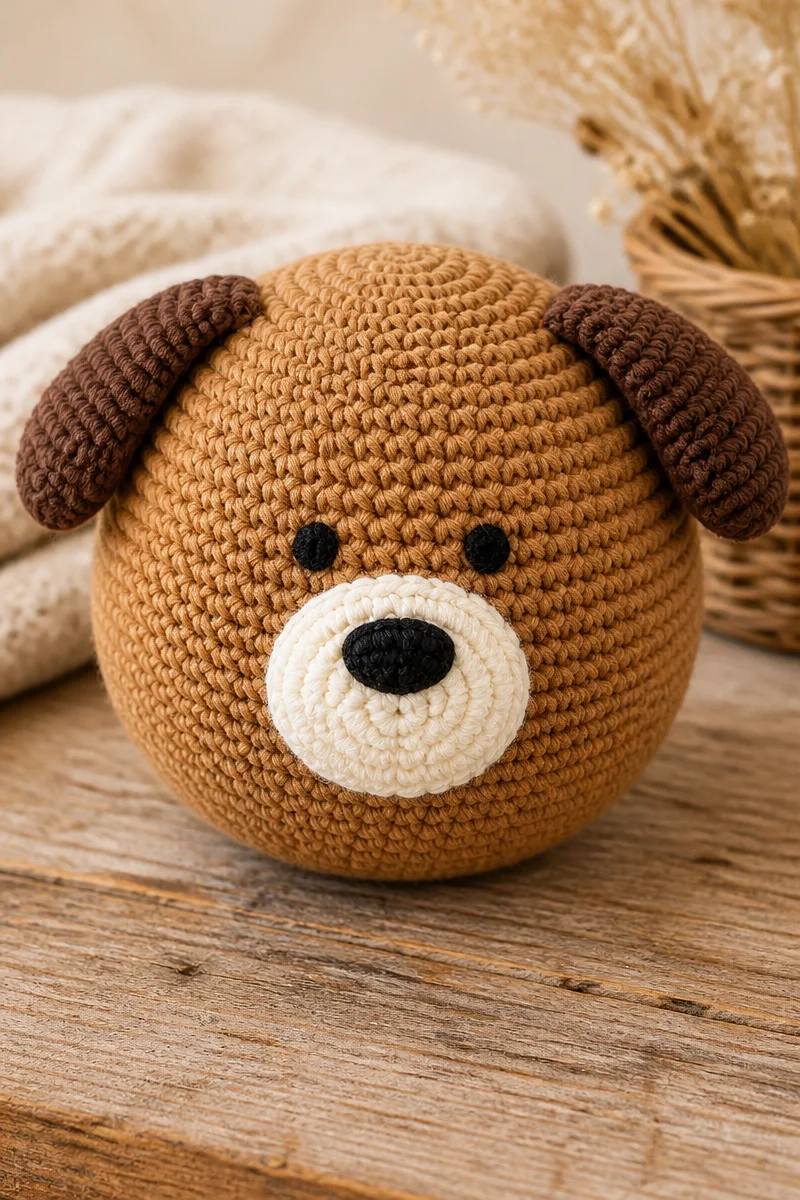
A crochet puppy baby stuffed toy can be a sweet first handmade friend for a little one. I love how a few simple shapes can become a soft, playful puppy with its own personality. It also makes a thoughtful baby shower gift or nursery keepsake.
This project is usually made with amigurumi, the Japanese-inspired technique of crocheting small stuffed figures in the round. The finished puppy has a firm, smooth shape, and its floppy ears, nose, and colors can be changed to suit your taste. The basic stitches are beginner-friendly, although shaping and sewing the pieces together take patience.
In this guide, you’ll learn how amigurumi works, which yarn and hook choices suit a baby toy, and how to keep the puppy sturdy and neat. You’ll also find helpful care advice and common mistakes to avoid before you begin.
What Is the Amigurumi Technique?
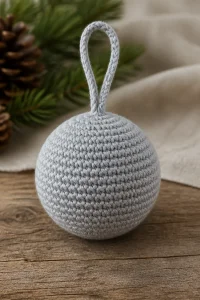
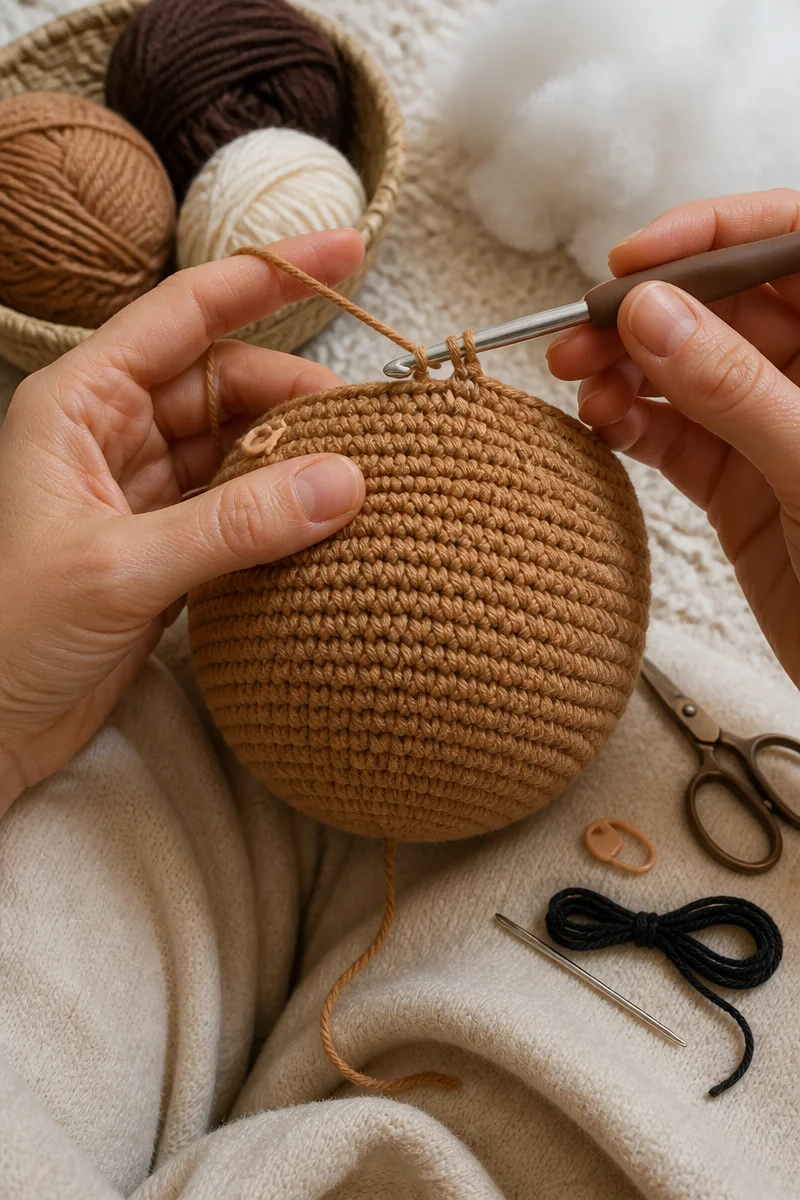
Amigurumi is the technique used to crochet small stuffed toys and figures. Most pieces are worked in continuous rounds, so the maker does not join each round with a slip stitch. Instead, the fabric grows in a spiral as stitches are added.
For a crochet puppy baby stuffed toy, the head and body are often made from simple rounded shapes. Increases add stitches to widen a shape, while decreases bring it in again. As a result, the toy can have a firm, even surface that holds its shape when lightly stuffed.
Crocheters enjoy amigurumi because it turns basic stitches into a wide range of characters. A puppy can have long ears, a rounded muzzle, or a patch of contrasting color. However, tight, even stitches matter because they help keep the stuffing inside.
Why This Is a Great Choice for Baby Toys
- Soft and cuddly: With a suitable yarn and gentle stuffing, a crochet puppy baby stuffed toy can feel comforting in little hands.
- Easy to personalize: You can change the puppy’s colors, ears, and facial details to make each toy unique.
- Small and portable: The project fits in a bag, so you can work on it during quiet moments or while traveling.
- Built from basic stitches: Single crochet, increases, and decreases create many of the rounded shapes, making the technique approachable for newer crocheters.
- A thoughtful handmade gift: A crocheted puppy can become a keepsake for a baby shower, birthday, or nursery.
For a toy intended for a baby, safety comes first. Choose securely attached, embroidered facial details instead of small plastic parts, and check the finished toy for loose ends, gaps, or pieces that could come off.
Yarn and Hook Recommendations
- Smooth worsted-weight yarn: This familiar medium weight is easy to find and gives the puppy a sturdy shape. Check the yarn label for care instructions.
- DK-weight yarn: A lighter yarn makes a smaller toy. It can also show details clearly, although it may take more time to crochet.
- Soft acrylic yarn: Acrylic is often washable and comes in many colors. Choose a smooth, soft variety rather than a scratchy or fuzzy yarn.
- Cotton yarn: Cotton can create a firm, defined stitch, but it may feel less springy than acrylic. Consider how the finished toy will feel in a baby’s hands.
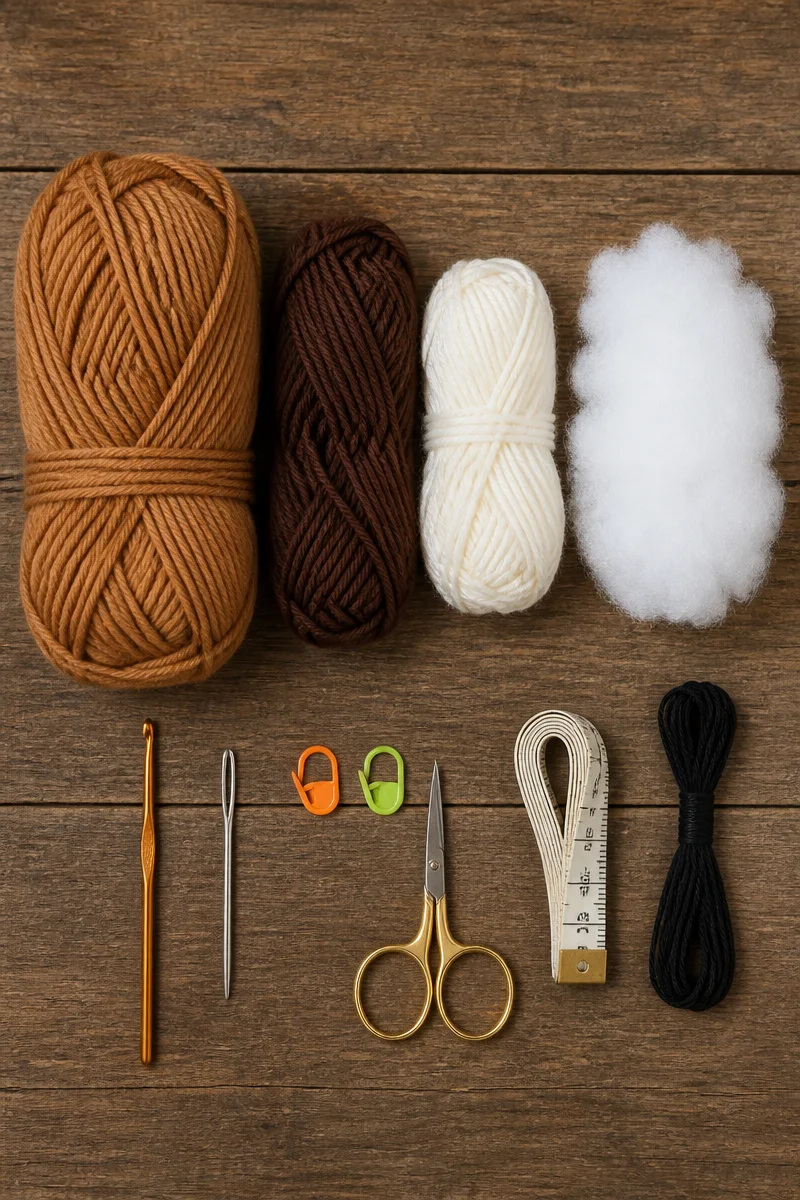
- A hook smaller than the yarn label suggests: Amigurumi often needs a tighter fabric than a scarf or blanket. Use a hook that helps close the gaps between stitches, and make a small test piece first.
- A comfortable hook handle: A handle that feels good in your hand can make a difference during longer sessions. Try an ergonomic hook if your fingers tire easily.
The best hook size depends on your yarn, your tension, and the fabric you want. If stuffing shows through the stitches, try a smaller hook. If the fabric feels stiff and difficult to work, move up slightly and check your tension.
Tips for Amigurumi Success
First, use a stitch marker to mark the start of every round. Because amigurumi is commonly worked in a spiral, it can be easy to lose track of where a round begins. Count your stitches often, especially after increases and decreases, so the puppy’s shape stays balanced.
Next, keep your tension firm and consistent, but do not pull the yarn so tightly that your hands ache. Add stuffing in small amounts as you go, spreading it gently into the shape. Then check the piece from several angles before closing it. A little extra care during shaping can help the head and body look smooth and even.
Common Mistakes to Avoid
Loose stitches can leave small gaps where stuffing may show through. If that happens, try a smaller hook or adjust your tension. However, avoid pulling too tightly, since very tight stitches can make the project hard to work and uncomfortable for your hands.
It is also easy to miscount rounds or increases. As a result, the head or body may lean, bulge, or become uneven. Use a stitch marker and pause to check your stitch count at the end of each round.
Adding too much stuffing at once can stretch the stitches and change the puppy’s shape. Instead, use small tufts and distribute them evenly. The toy should feel soft and firm, not stretched or overly hard.
Finally, take time when sewing the pieces together. A muzzle or ear placed slightly off center can change the puppy’s expression. Pin the pieces in place first, then look at the toy from the front and sides before sewing them securely.
Care and Washing Instructions
Washing: Check the yarn label first, since care needs vary by fiber. Many acrylic yarns can be washed gently, while cotton may need a cooler, more delicate wash. For a baby toy, use a mild detergent and avoid strong fragrance. If the toy has any parts that could loosen, inspect it carefully before and after washing.
Drying: Press out extra water with a clean towel, but do not wring the toy. Then reshape it and lay it flat to dry. Keep it away from direct heat, which can damage some fibers or affect the stuffing.
Blocking: A stuffed amigurumi toy usually does not need traditional blocking. Instead, shape the puppy by hand while it dries. If a separate crocheted piece looks uneven, gently adjust it before attaching it to the toy.
More Ideas to Try
Once you have tried a crochet puppy baby stuffed toy, you might enjoy making a crocheted kitten, bear, or bunny with the same amigurumi technique. You could also explore color changes for a spotted puppy, embroidered details for a sleepy face, or a simple crochet baby blanket to match the toy.
Conclusion
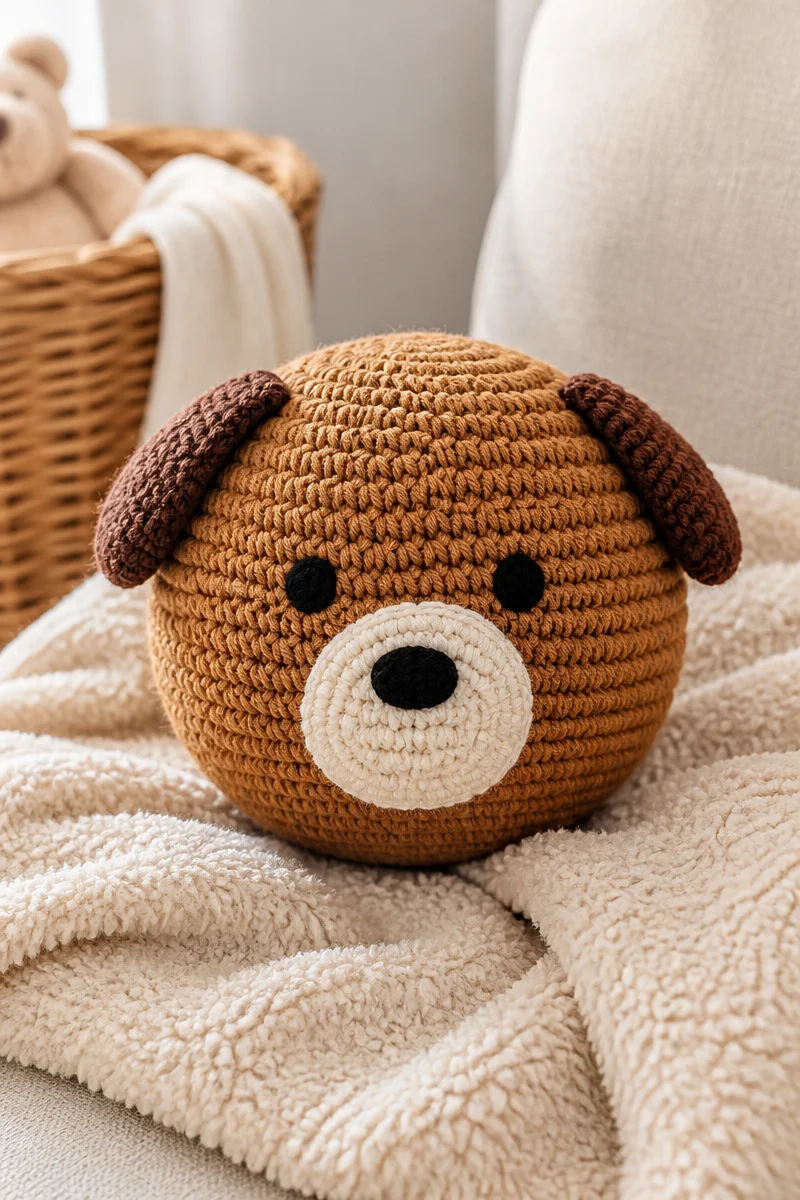
A crochet puppy baby stuffed toy is a charming project built from basic stitches, careful shaping, and a little patience. Choose soft, washable yarn, keep your stitches close, and use secure embroidered details for a baby-safe finish. Most of all, enjoy giving your puppy its own look and personality. Try the project, share your finished toy with fellow crocheters, and explore more amigurumi guides on the blog.