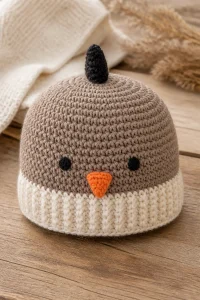
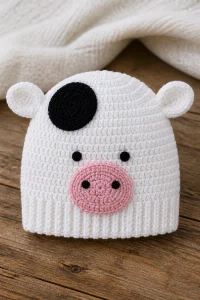
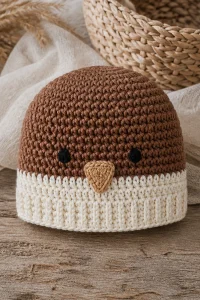
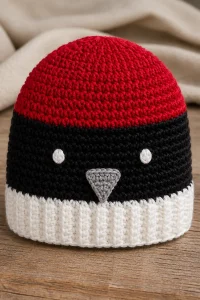
Crochet Unicorn Baby Hat Beanie

Affiliate disclosure: This post may contain affiliate links. I may earn a small commission at no extra cost to you. See our Privacy Policy for details HERE.
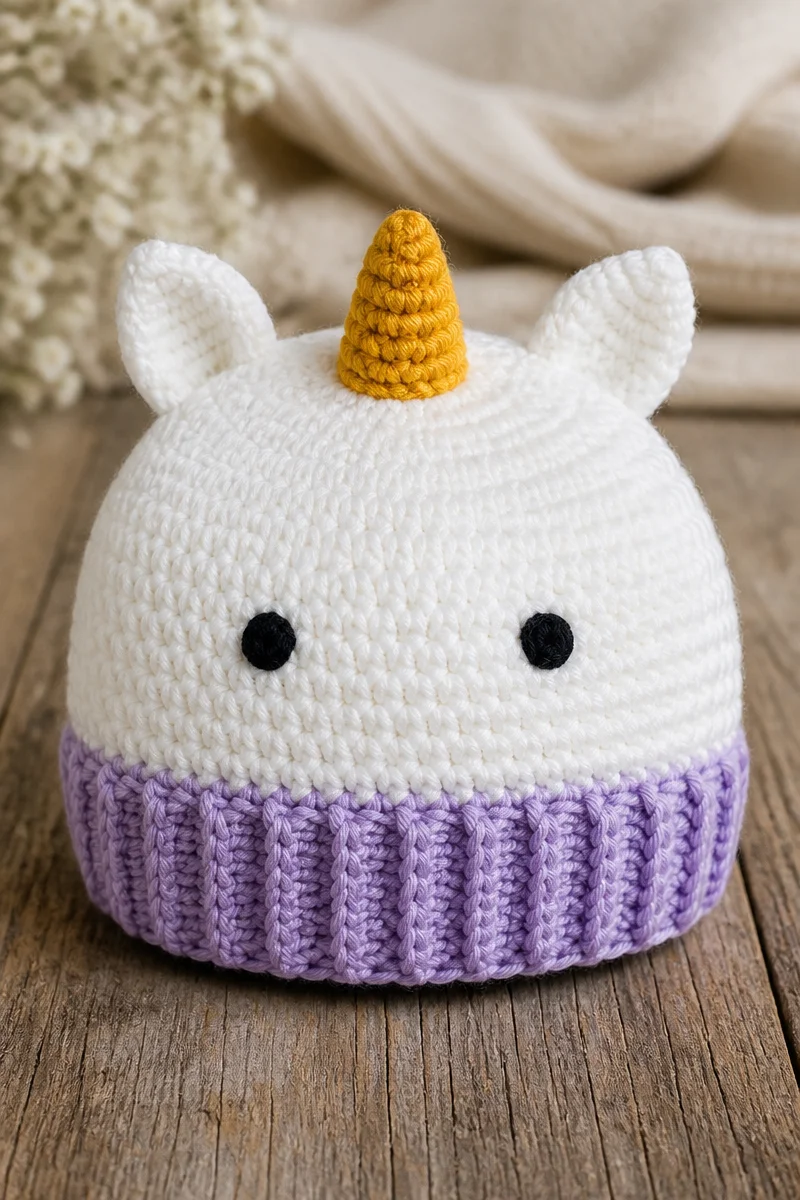
A crochet unicorn baby hat beanie is a sweet way to turn a simple handmade hat into a playful keepsake. I love how a soft brim, colorful mane, and little ears can give a baby hat so much character without making it feel fussy.
The project usually starts with a basic crocheted beanie, shaped to fit a baby’s head. Then, you add details such as a unicorn horn, ears, and a yarn mane. The hat often uses familiar stitches, so it can suit a confident beginner, although attaching the decorations takes a little care. Most of all, a crochet unicorn baby hat beanie makes a charming gift or photo prop.
In this guide, you’ll learn how the beanie and its decorative parts come together, how to choose yarn and a hook, and how to make the finished hat comfortable. You’ll also find practical tips and common mistakes to avoid, so you can enjoy the project from the first stitch to the final detail.
What Is the Crochet Unicorn Baby Hat Beanie Technique?
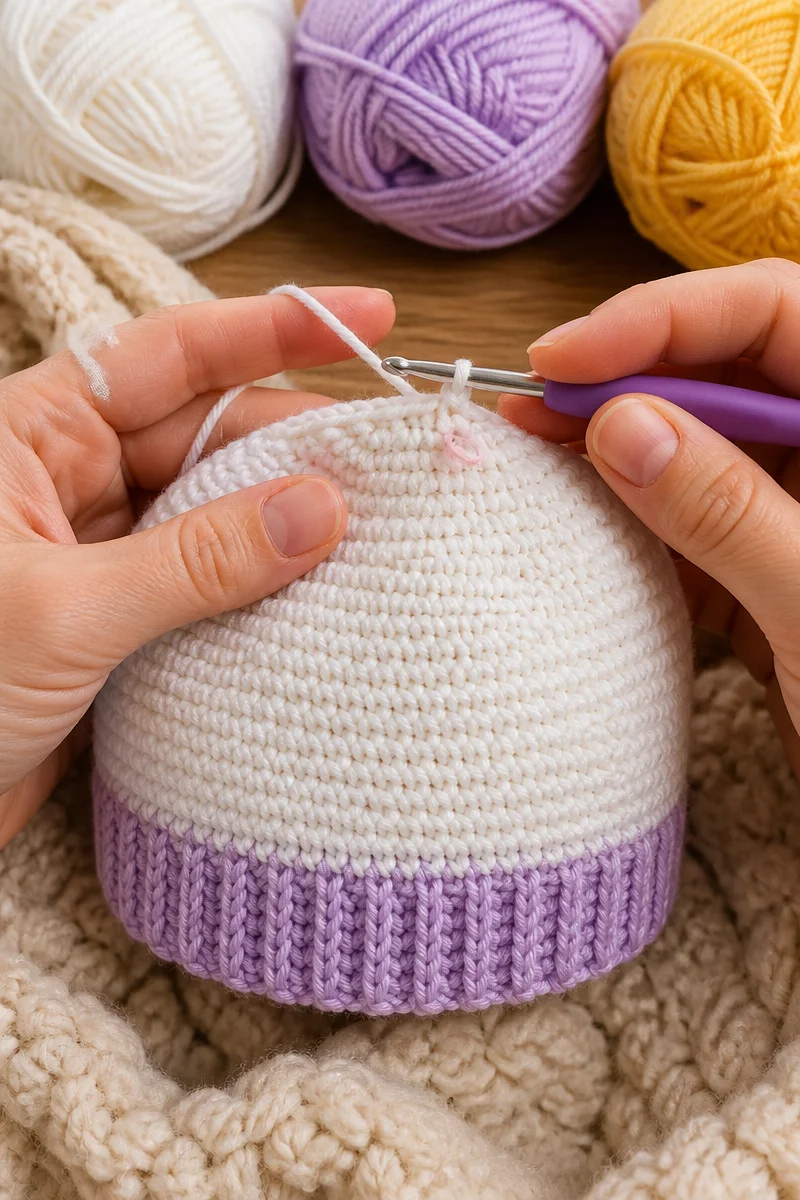
A crochet unicorn baby hat beanie is a project style, not one special stitch. The main hat is often worked in rounds with basic stitches, such as single crochet or half double crochet. Increases shape the crown, while even rounds create the sides and brim. The exact stitch and construction depend on the pattern.
After the beanie is made, you add the unicorn features. A small crocheted horn may be shaped with increases and decreases, while the ears are made as separate pieces. Then, yarn strands or crocheted strips create the mane. Together, these details make the hat look like a tiny unicorn while keeping the base practical and wearable.
Crocheters enjoy this project because it blends useful construction with playful design. You can change the colors, mane length, and facial details to make each crochet unicorn baby hat beanie your own.
Why This Is a Great Choice for Baby Hats
- It makes a memorable gift: A handmade unicorn beanie feels personal for a baby shower, birthday, or first photo session.
- It invites color play: Choose soft pastels, bright shades, or a simple white hat with a colorful mane.
- It uses familiar crochet skills: Many versions rely on basic stitches and simple shaping, so you can build on what you already know.
- It offers room to personalize: Adjust the horn, ears, and mane to suit the baby’s outfit or a family’s favorite colors.
- It can be made in stages: First, crochet the beanie. Then, add each decoration one at a time, which makes the project easier to manage.
Yarn and Hook Recommendations
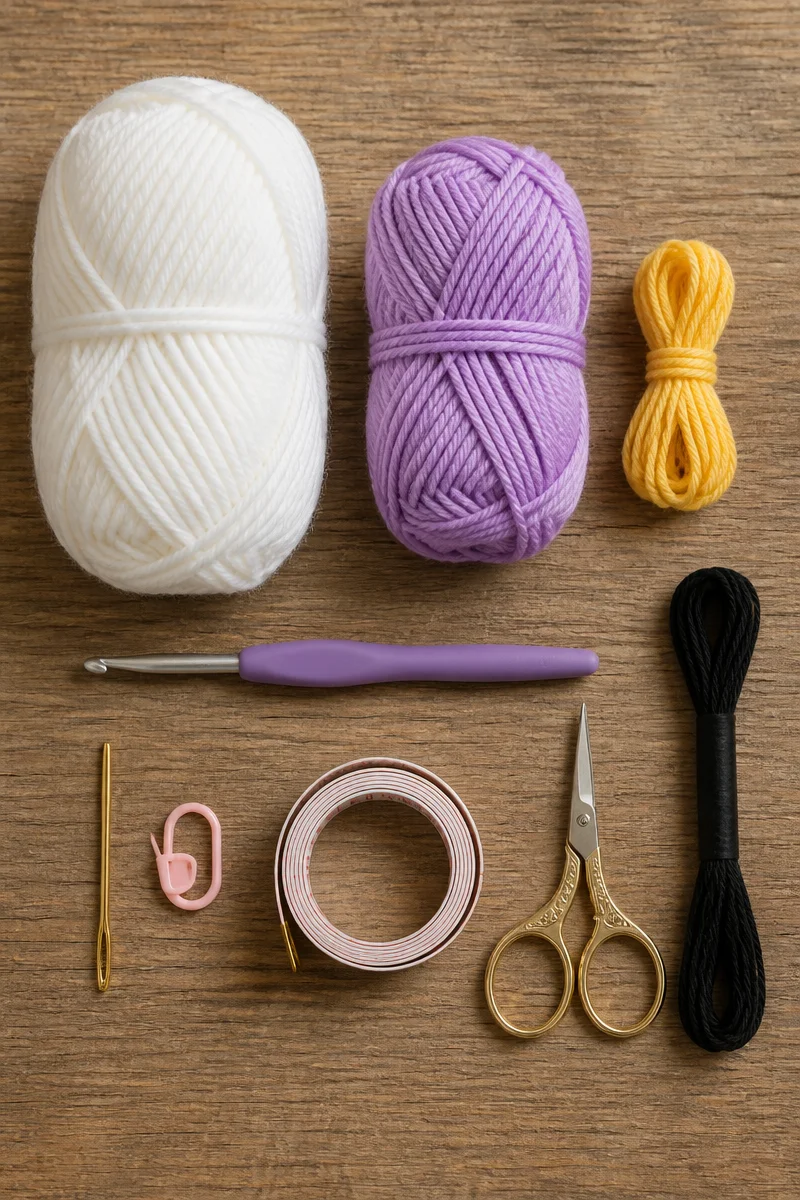
- Choose a soft, washable yarn: Baby hats need gentle yarn that feels comfortable against the skin. Machine-washable options also make care easier.
- Consider a lightweight yarn: DK or light worsted yarn can make a soft hat without too much bulk. However, always follow the pattern’s yarn recommendation.
- Use worsted-weight yarn when the pattern calls for it: This common weight can make a warm, sturdy beanie and a clearly defined horn or ear.
- Check the fiber content: Acrylic, cotton blends, and washable wool blends are popular choices. Still, check the yarn label and consider the baby’s skin sensitivity.
- Match the hook to your yarn and pattern: The pattern’s hook size is a useful starting point. If your stitches look loose, try a smaller hook; if they feel tight, try a larger one.
- Make a small gauge sample: Even when a pattern does not require a swatch, a sample can help you check the fabric and fit before you crochet the full hat.
Tips for Crochet Unicorn Baby Hat Beanie Success
First, check the pattern’s size guidance and intended age range. Babies grow quickly, so do not assume that a newborn size will fit for long. Also, use the pattern’s gauge and measurements when available. A hat should feel secure but not tight, and the brim should not press hard against the baby’s head.
As you work, count stitches at the end of each round, especially while shaping the crown. Use a stitch marker to show the start of a round, and pause if the stitch count changes unexpectedly. Next, sew the horn, ears, and mane on firmly, but keep knots and ends away from areas that could rub the baby’s skin. Above all, follow safe-use guidance from the pattern maker, and supervise babies whenever they wear handmade accessories.
Common Mistakes to Avoid
One common problem is choosing yarn by color alone. A yarn may look lovely but feel scratchy, shed, or need special washing. So, check its texture and care label before you start. If you are unsure, test a small piece against your own skin.
Another mistake is skipping the size check. A hat that is too small can feel tight, while an oversized hat may slip over the baby’s eyes. Therefore, compare the finished measurements with the pattern and use a gauge sample when possible.
It is also easy to miscount crown increases or lose track of the round start. As a result, the hat may develop a pointed crown or uneven sides. Use a stitch marker, count regularly, and review the pattern before moving to the next round.
Finally, take care with the decorations. A loosely attached horn, ear, or strand of mane can come free with use. Sew each piece securely, weave in the yarn ends, and inspect the hat before each wear. Keep the design simple if the finished hat will be used by a very young baby.
Care and Washing Instructions
Washing: Follow the yarn label first. Many acrylic and cotton-blend hats can be washed gently, but some fibers need hand washing. Use mild detergent, and avoid harsh products that may irritate sensitive skin.
Drying: Press out extra water with a clean towel, but do not wring the hat. Then, reshape it and lay it flat to dry. This helps the beanie keep its shape and protects the horn and mane from stretching.
Blocking: A simple beanie may not need full blocking. However, gentle reshaping while damp can smooth the brim and even out the fabric. Avoid stretching the hat, and do not press or flatten raised details such as the horn and ears.
More Ideas to Try
Once you finish a crochet unicorn baby hat beanie, you might enjoy making a matching baby blanket, a simple animal-ear beanie, or a striped hat with a pom-pom. You could also try a textured stitch, such as the half double crochet in the back loop, or make a soft matching headband for an older child.
Conclusion
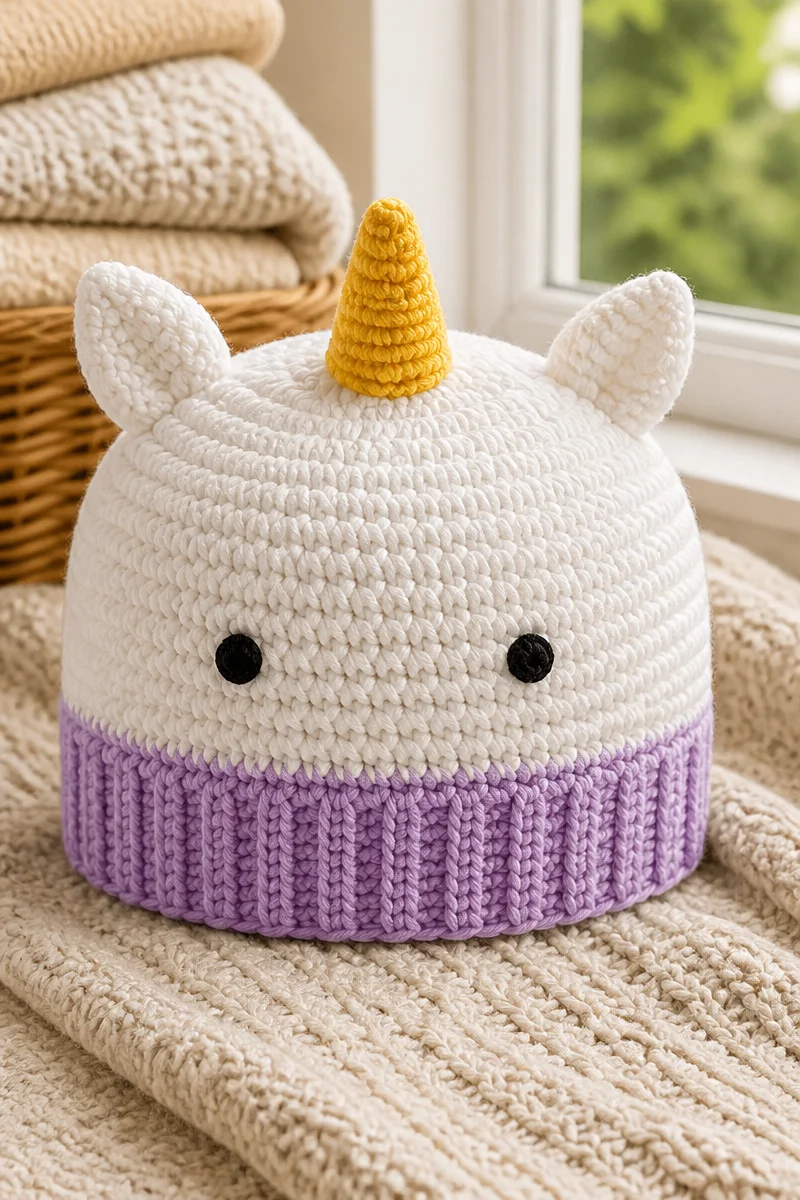
A crochet unicorn baby hat beanie brings together a useful handmade hat and fun, personal details. Choose soft yarn, check the fit, count your stitches, and attach each decoration securely. With a little care, you can create a cheerful piece that feels special to make and give.
Pick your favorite colors and try the project at your own pace. Then, share your finished hat with a fellow crocheter or explore more baby crochet guides on the blog.