Crochet Soft Sage Baby Washcloth Set

Affiliate disclosure: This post may contain affiliate links. I may earn a small commission at no extra cost to you. See our Privacy Policy for details HERE.
A Crochet Soft Sage Baby Washcloth Set makes a thoughtful handmade gift and a useful addition to a baby’s bath time. I love washcloths like these because they are small, practical projects that let you enjoy crochet without committing to a large blanket or garment.
The charm comes from the mix of a gentle sage color, a soft cotton fabric, and a simple, textured stitch. The design can suit beginners, especially when it uses an easy stitch such as single crochet. These cloths are useful for everyday washing, wiping little faces, and packing in a diaper bag.
In this guide, you’ll learn about the stitch that works well for a soft sage baby washcloth set, why it suits baby care, and how to choose yarn and a hook. You’ll also find helpful advice on even edges, washing, and common mistakes to avoid.
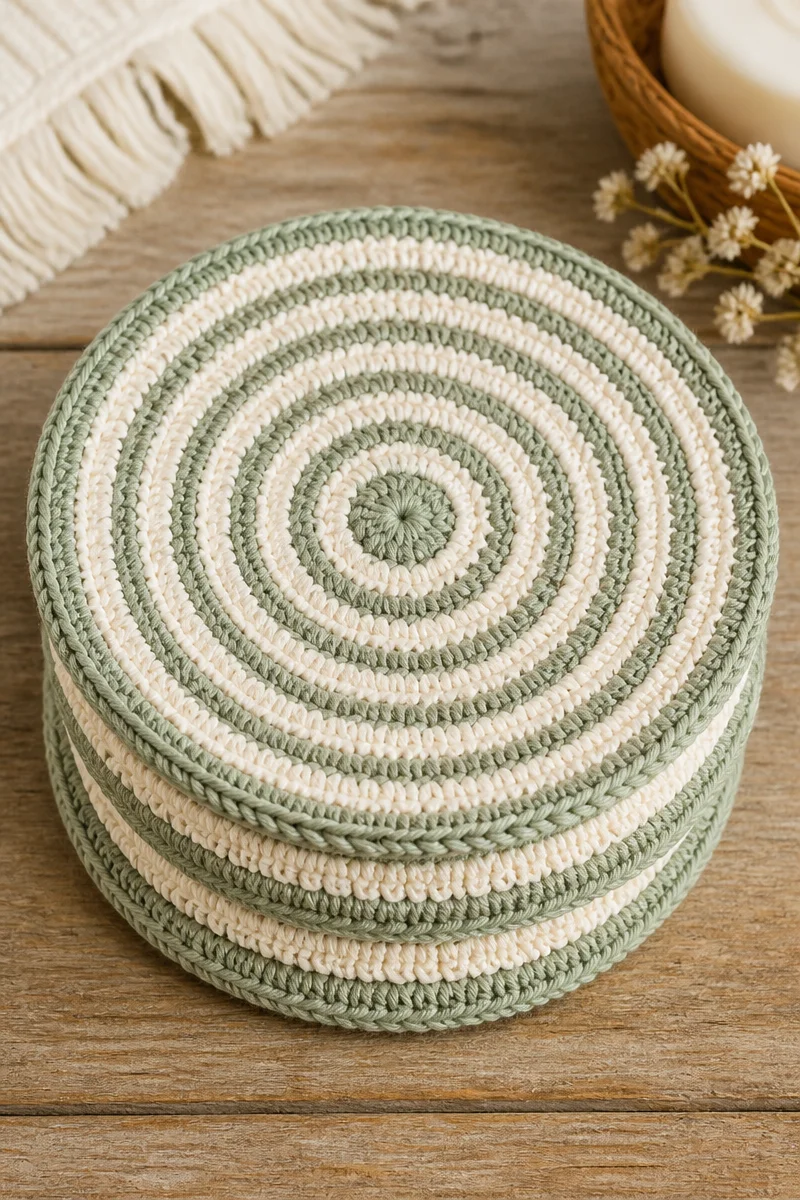
What Is the Single Crochet Stitch?
The single crochet stitch is a basic stitch that creates a firm, even fabric. To make one, insert your hook into a stitch, yarn over, and pull up a loop. Then yarn over again and pull through both loops on the hook.
As a result, single crochet has a close, tidy texture that can feel gentle against the skin when made with soft cotton yarn. Crocheters like it because it is easy to learn, sturdy, and useful for small items such as washcloths. For a softer, more open fabric, you can use a slightly larger hook or choose a simple variation, such as alternating rows of single crochet and chain spaces.
Why This Is a Great Choice for Baby Washcloth Sets
- Soft and gentle: Smooth cotton yarn and neat stitches make a comfortable cloth for delicate skin.
- Absorbent: Cotton can soak up water well, so the cloth works for baths and quick cleanups.
- Durable: The close single crochet fabric holds up to regular use and washing.
- Beginner-friendly: Single crochet is easy to practice, and small cloths make a manageable first project.
- Easy to personalize: Sage green pairs well with cream, white, or soft yellow, and you can vary the size or add a simple border.
Yarn and Hook Recommendations
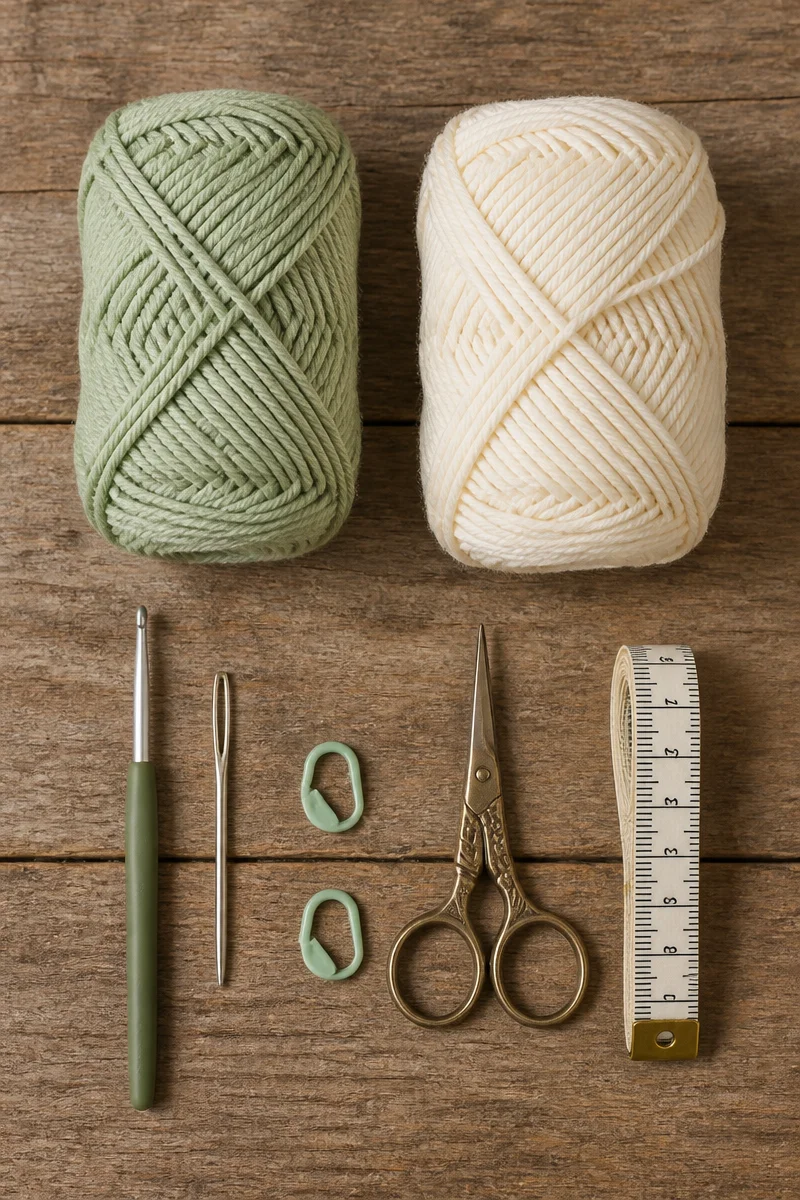
- Choose cotton yarn: A soft, 100% cotton yarn is a popular choice for baby washcloths because it absorbs water and handles frequent washing. Check that the yarn feels smooth, not scratchy.
- Try worsted-weight yarn: Worsted-weight cotton is easy to find and makes a cloth with good coverage. For a lighter washcloth, choose a lighter cotton yarn and adjust the hook to suit.
- Consider cotton blends carefully: A cotton blend may feel soft and dry more quickly. However, check the care label and make sure the yarn is suitable for frequent washing.
- Select a comfortable hook: A hook around 4.0 to 5.0 mm often works with worsted-weight cotton. Still, use the hook size that gives you a fabric that feels soft, not stiff.
- Make a small swatch: Crochet a few rows before starting the set. Then check whether the fabric feels comfortable and absorbs water as you would like.
- Choose washable yarn: Look for clear care instructions. Since baby washcloths need regular cleaning, easy-care yarn saves time and guesswork.
Tips for Single Crochet Success
First, keep your tension relaxed and steady. Cotton can feel less stretchy than some other yarns, so pulling each stitch too tight may make the cloth stiff. Instead, let the yarn move smoothly and check the fabric after a few rows.
Next, count your stitches at the end of each row. It is easy to skip the last stitch or add an extra one at the edge. To help, place a stitch marker in the first and last stitch of a row. Also, make a small test piece before crocheting the full washcloth, so you can adjust the hook or yarn if the fabric feels too dense.
Common Mistakes to Avoid
A common problem is tight tension. When stitches sit too close together, the cloth can feel firm and may not drape or absorb as well. If that happens, try a larger hook or pause to relax your grip.
Another pitfall is losing or adding stitches at the edges. This can make the washcloth gradually wider or narrower. Therefore, count each row and mark the edge stitches until your rows look even.
The wrong yarn can also affect how the cloth feels and wears. Some yarns may be too rough for a baby washcloth, while others may not handle frequent washing well. Check the fiber and care label, and feel the yarn before you begin.
Finally, avoid making the fabric too dense. A very tight cloth can take longer to dry. Work a swatch first, then choose a hook that creates a fabric with a comfortable balance of softness, thickness, and absorbency.
Care and Washing Instructions
Washing: Follow the yarn label first. In general, cotton washcloths can be machine-washed with mild detergent and similar colors. For baby items, wash them before use, and avoid strong fabric softeners if you want the cotton to stay absorbent.
Drying: Check the yarn care instructions before using a dryer. Many cotton cloths can be tumble-dried on low, but laying them flat or hanging them to air-dry can help them keep their shape.
Blocking: Blocking is usually optional for a washcloth. If the edges look uneven, lightly dampen the cloth, shape it on a flat surface, and let it dry. Avoid stretching it too much, since a washcloth needs to stay thick and useful.
More Ideas to Try
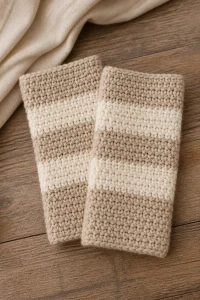
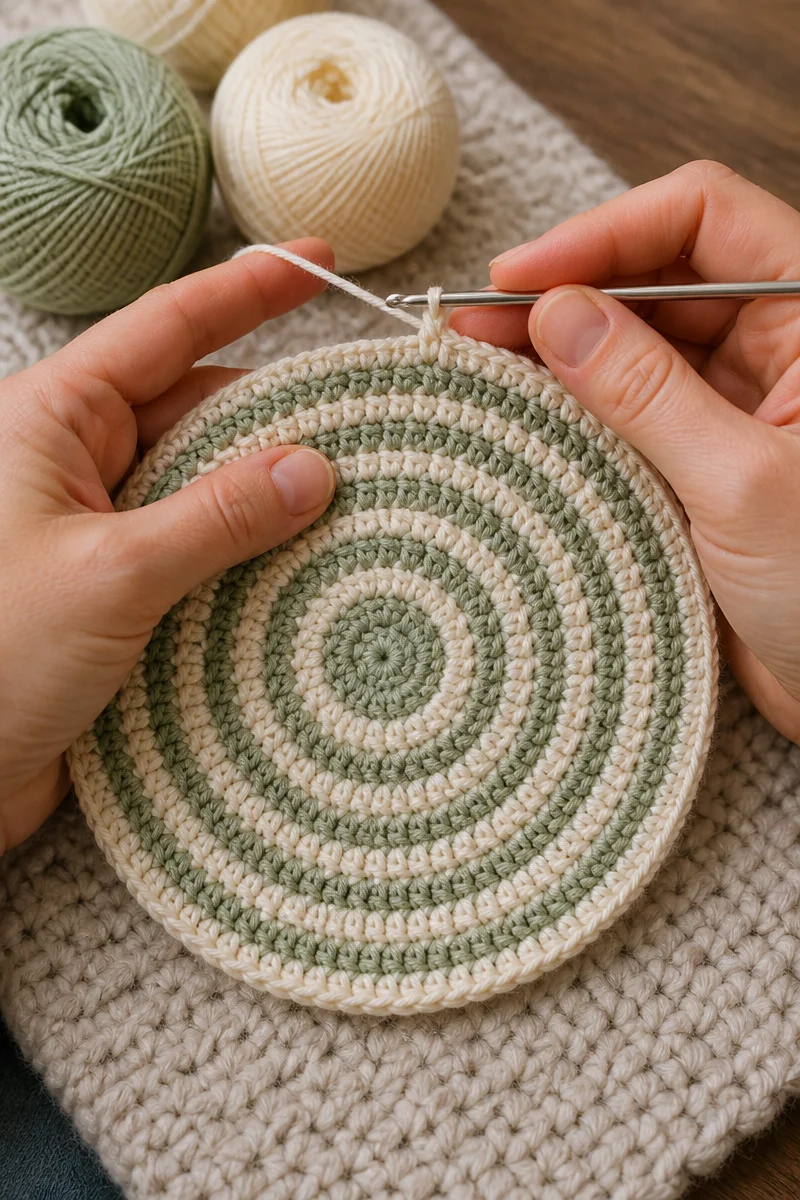
Once you’ve made a Crochet Soft Sage Baby Washcloth Set, try a striped version with cream and sage, or add a simple single crochet border in a second color. You might also enjoy a moss stitch washcloth for a pebbled texture, a half double crochet cloth for quicker coverage, or a matching cotton bath mitt.
Conclusion
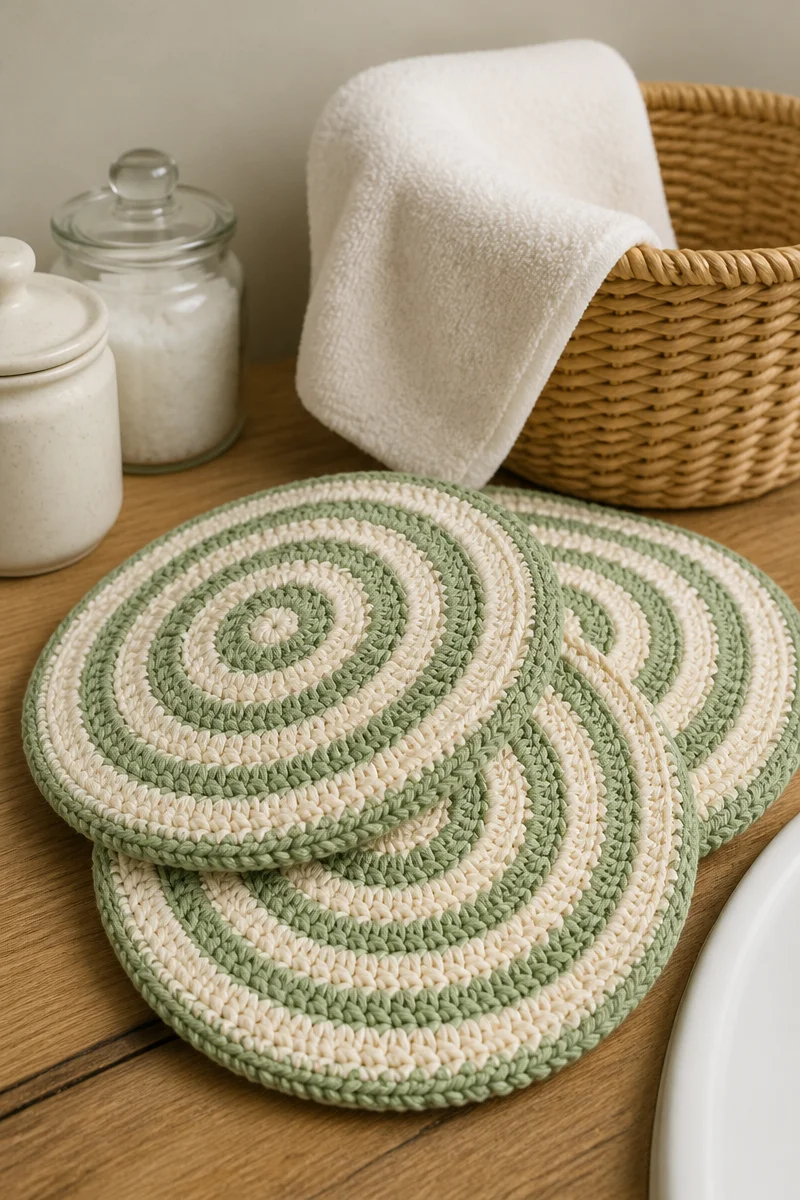
A Crochet Soft Sage Baby Washcloth Set combines a calm color, washable cotton, and a simple stitch to create a practical handmade gift. With steady tension, careful stitch counting, and yarn suited to frequent washing, you can make soft, sturdy cloths for everyday use. Try a small swatch, choose a sage shade you love, and enjoy making your set. Then share your finished cloths or explore more crochet guides on the blog.