Crochet Quince Flower Mini Table Runner

Affiliate disclosure: This post may contain affiliate links. I may earn a small commission at no extra cost to you. See our Privacy Policy for details HERE.
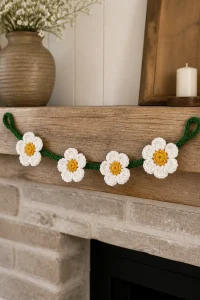
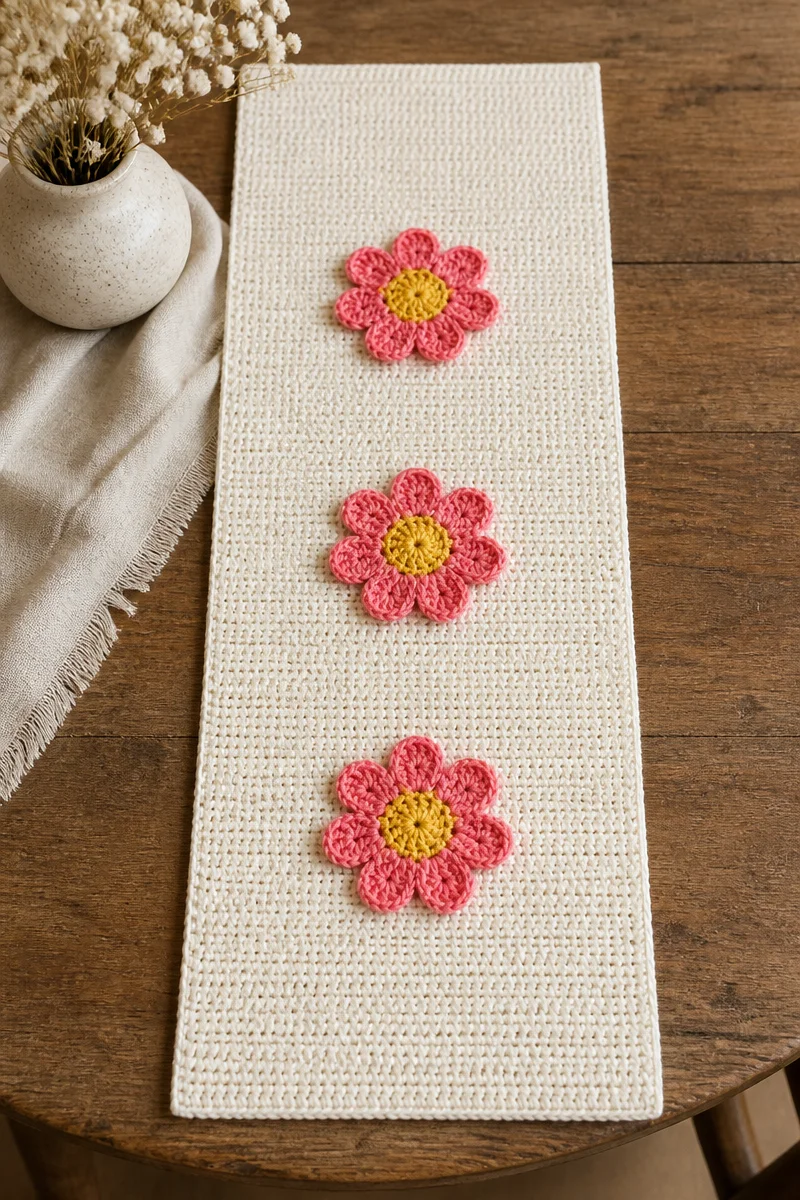
A Crochet Quince Flower Mini Table Runner brings a touch of garden charm to a small table, shelf, or dining nook. I love how floral crochet can make an everyday space feel special without taking over the room. This project also makes a thoughtful handmade gift.
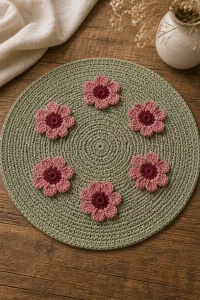
The runner combines crocheted quince flowers with a narrow, decorative table piece. Its appeal comes from the contrast between the flower’s layered texture and the flatter fabric around it. Depending on the pattern, the flowers may use simple stitches arranged in petals, so the project can suit crocheters with basic skills who are ready to try a little shaping.
In this guide, you’ll learn how quince flowers are formed, how to choose yarn and a hook, and how to get a neat finish. You’ll also find practical tips for keeping the runner flat, avoiding common issues, and caring for your finished piece.
What Is the Crochet Quince Flower Technique?
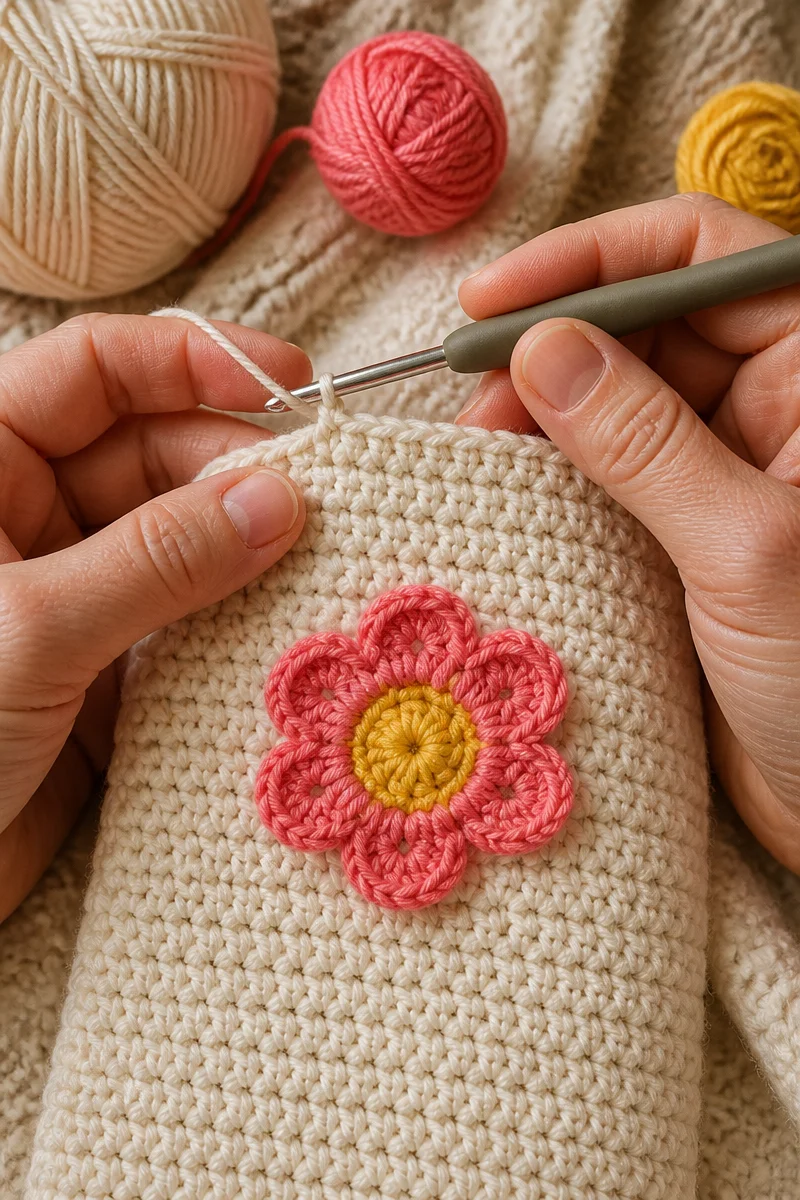
The crochet quince flower technique uses stitches worked in groups or layers to create a small, flower-shaped motif. A center forms the base, while stitches around it shape the petals. Depending on the design, petals may look rounded, pointed, or slightly ruffled.
Crocheters often enjoy this technique because a few well-placed stitches can create a lot of visual detail. The flower can stand alone as an embellishment or join other motifs to form part of a Crochet Quince Flower Mini Table Runner. Since patterns vary, check the designer’s stitch instructions and abbreviations before you begin.
Why This Is a Great Choice for a Mini Table Runner
- It adds a floral accent. Quince flowers bring a soft, garden-inspired look to a small table.
- It makes a useful decorative piece. A mini runner can dress up a side table, entry table, or dining centerpiece.
- It offers room for color play. Use one shade for a quiet look or contrasting flower and background colors for more definition.
- It lets you practice shaping. Flower petals can help you learn how stitch placement changes the fabric’s shape.
- It can be made to fit your space. Depending on the pattern, you may adjust the number of motifs or the joining arrangement.
Yarn and Hook Recommendations
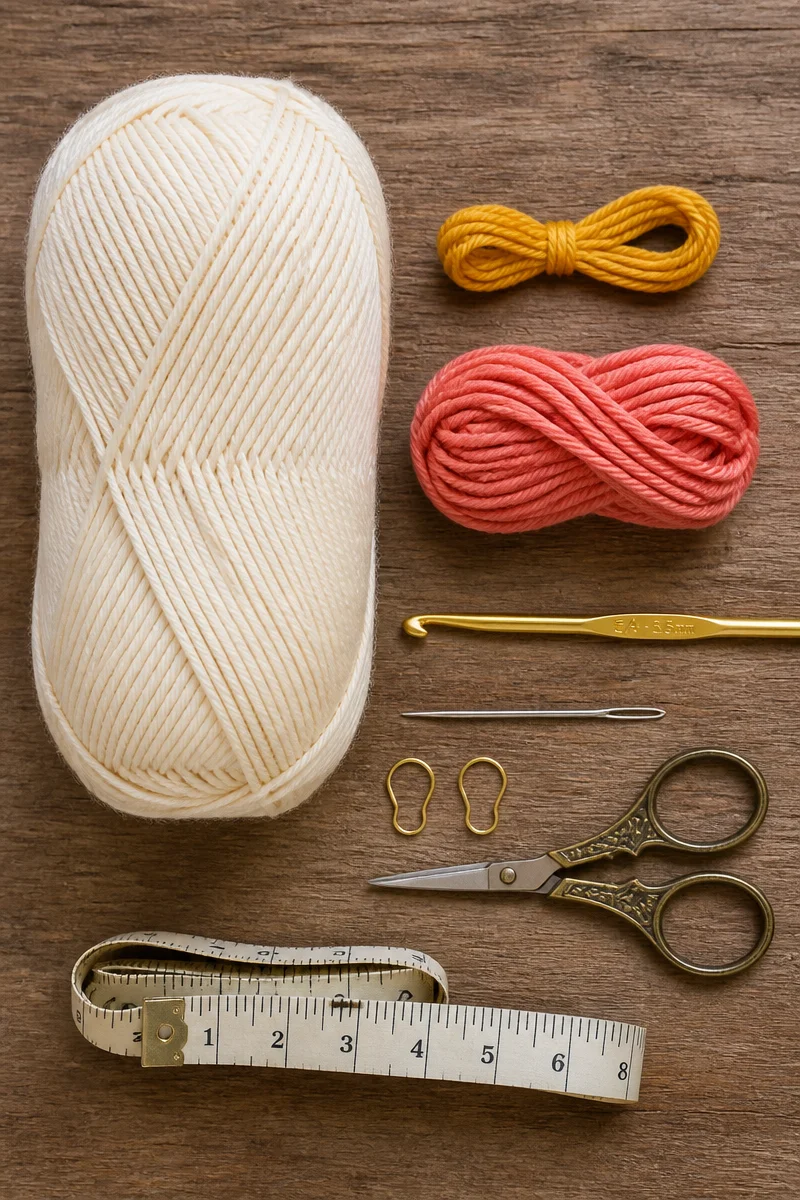
- Cotton yarn: Cotton gives the runner a crisp look and holds its shape well. It is a popular choice for table linens.
- Light or medium yarn: Choose the weight recommended by the pattern. A thinner yarn creates delicate flowers, while a heavier yarn makes a bolder piece.
- A smooth fiber: Smooth yarn makes it easier to see stitches and count around flower petals.
- A hook suited to your yarn: Start with the size listed in the pattern, then make a small sample to check your fabric.
- A comfortable hook handle: Since flower motifs involve repeated, careful stitches, a handle that feels good in your hand can make crocheting more pleasant.
- Colorfast yarn: For a table runner that may need washing, choose yarn with reliable care guidance and colors that are less likely to bleed.
Tips for Crochet Quince Flower Success
First, read the full pattern before starting your Crochet Quince Flower Mini Table Runner. Flower instructions often use repeats, increases, or special stitch placements. Keep track of each round, and use a stitch marker if the pattern calls for a clear starting point.
Next, crochet at a steady pace and check your tension as you go. If the petals look crowded, loose, or uneven, compare your work with the pattern before making more motifs. Also, test your yarn and hook with one flower or a small swatch. That way, you can check the size and texture before joining the full runner.
Common Mistakes to Avoid
Uneven tension can make some petals larger than others. Try to keep your loops consistent, and avoid pulling the working yarn too tightly. If a flower looks noticeably different from the first one, pause and compare your stitch placement.
Miscounting stitches can change the flower’s shape. In addition, missing an increase or working into the wrong space may make a petal shift. Count each round or repeat as the pattern directs, especially when you are still learning the motif.
Choosing yarn that is too thick or too fuzzy can hide the flower details. A bulky yarn may make the runner larger and stiffer than expected, while a fuzzy yarn can make stitch placement harder to see. Instead, choose a yarn that suits the pattern and gives the petals a clear outline.
Finally, joining motifs too tightly can pull the Crochet Quince Flower Mini Table Runner out of shape. Follow the pattern’s joining method, and check that the piece lies flat as you work. If the edges begin to curl or the motifs buckle, review your tension and joining stitches before continuing.
Care and Washing Instructions
Washing: Check the yarn label first. Cotton pieces often handle gentle washing well, but dyed yarn may bleed, so test a small area if you are unsure. Use cool or lukewarm water and mild detergent when hand-washing.
Drying: Press out extra water gently. Do not wring the runner, since twisting can stretch its flowers and joins. Then lay it flat on a clean towel and reshape it.
Blocking: Blocking can help the runner lie flat and make the flower motifs look more even. Pin it to the shape and size you want on a blocking mat, then let it dry fully. Follow the fiber’s care instructions, especially if you plan to use steam.
More Ideas to Try
If you enjoy making a Crochet Quince Flower Mini Table Runner, try a simple daisy motif, a small floral coaster set, or a runner made with joined squares. You could also explore shell stitch for a softly scalloped edge or a textured flower center for extra detail. Choose one idea that matches your skill level, then build on what you learned.
Conclusion
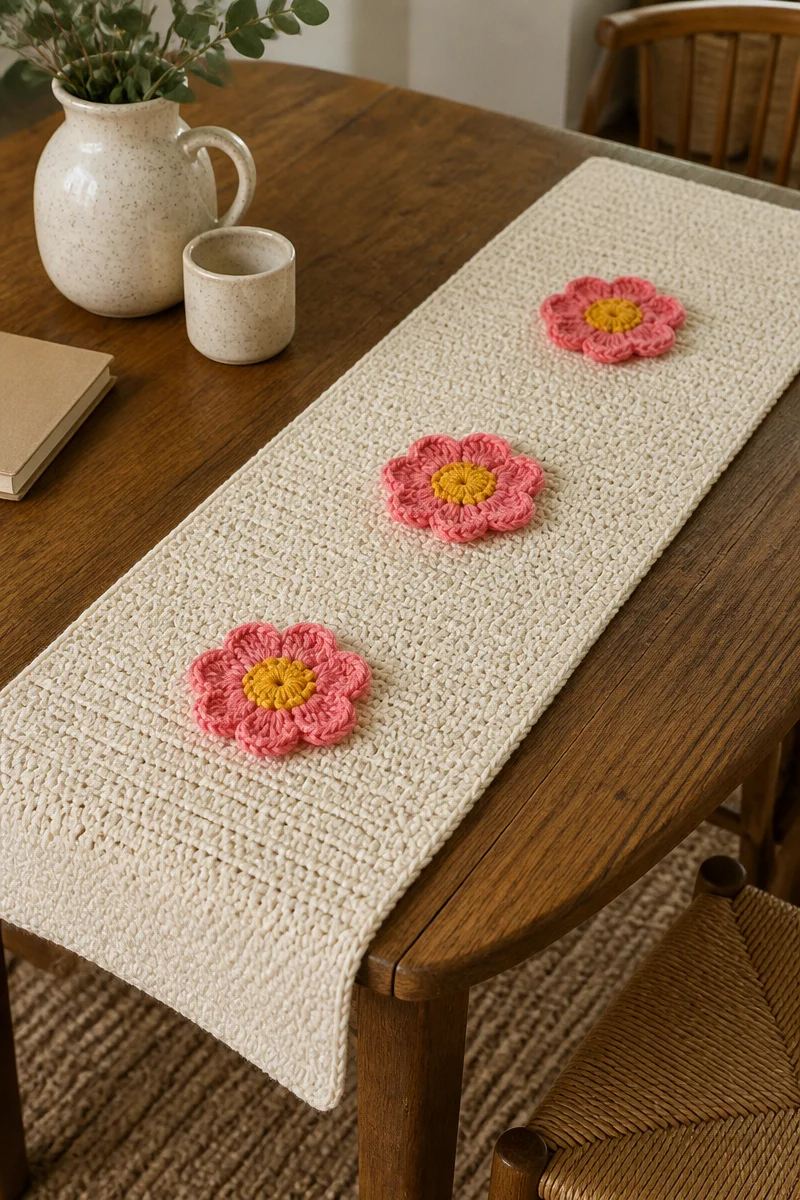
A Crochet Quince Flower Mini Table Runner pairs floral texture with a practical, easy-to-display shape. With suitable yarn, steady tension, careful stitch counting, and gentle blocking, you can create a piece that feels personal and sits neatly in your home.
Try the flower technique with a small sample, then see how it looks in your favorite colors. When your runner is ready, share your finished work or explore another crochet guide on the blog for your next project.