Crochet Winter Sage Wide Headband

Affiliate disclosure: This post may contain affiliate links. I may earn a small commission at no extra cost to you. See our Privacy Policy for details HERE.
A crochet winter sage wide headband is a lovely project when you want something warm, useful, and easy to wear. I especially like wide headbands because they cover the ears without the bulk of a full hat. In a soft sage shade, this handmade accessory also adds a calm touch of color to a winter outfit.
The special appeal comes from the combination of a broad shape, cozy yarn, and a flexible texture. A wide crochet headband can suit beginners who know a few basic stitches, yet it still gives experienced crocheters room to try new textures. You can wear it on a brisk walk, during outdoor errands, or whenever you want to keep your hair away from your face.
In this guide, you’ll learn about the stitch and construction choices that work well for a crochet winter sage wide headband. You’ll also find yarn and hook tips, ways to keep the fabric even, and common mistakes to avoid. With a little care, you can make a comfortable headband that fits well and holds its shape.
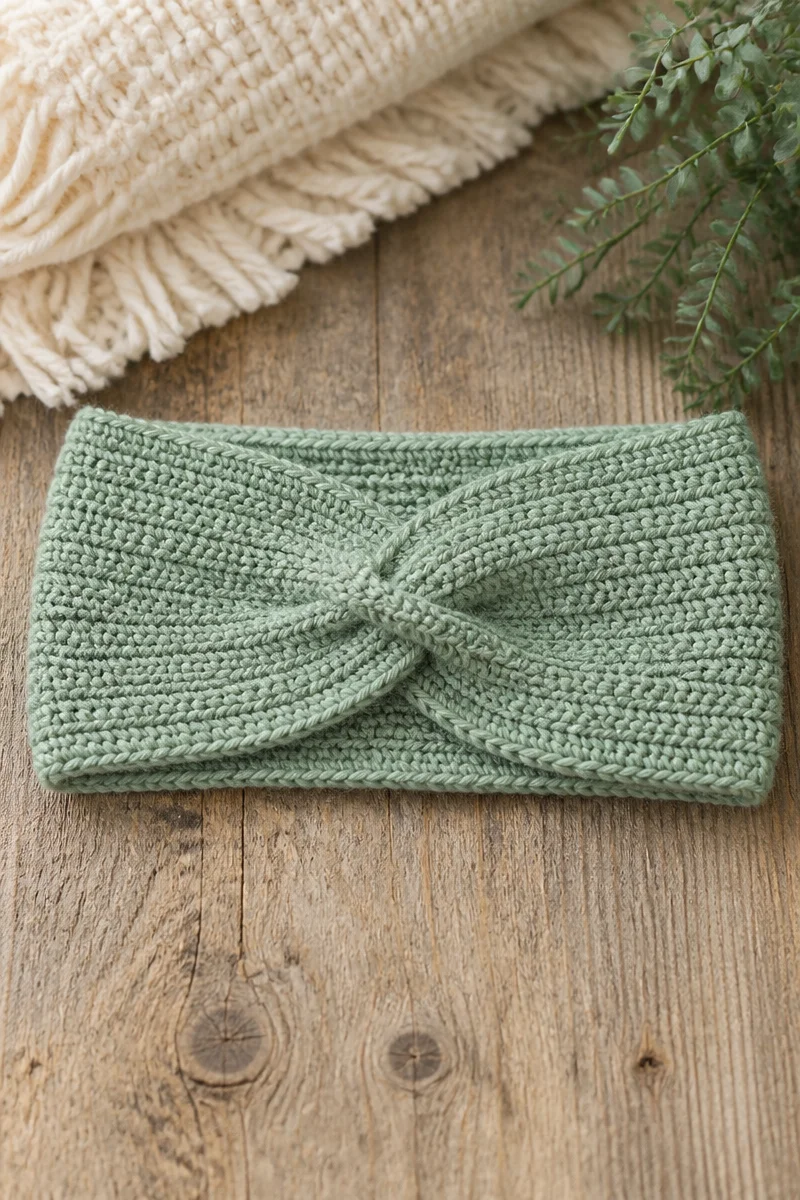
What Is the Ribbed Crochet Stitch?
For a crochet winter sage wide headband, crochet ribbing is a popular technique. It creates raised and recessed lines that resemble the ribs in knitted fabric. One common method is to work stitches into the back loop only, which leaves the front loop visible and forms a row of ridges.
The exact look depends on the stitch used. Single crochet, half double crochet, and slip stitch can all create ribbed fabric. Half double crochet ribbing offers a balance of texture and stretch, while single crochet ribbing makes a denser fabric. Because the ridges run across the rows, they can also create a flexible band when the rows are worked in the direction of the headband’s width.
Why This Is a Great Choice for Winter Headbands
- It stretches comfortably: Ribbed fabric can give as you put on the headband, then settle gently around your head.
- It covers the ears: A wide shape adds warmth where you need it most on chilly days.
- It has a tidy texture: The raised ribs give a simple headband more visual interest, even in a solid sage color.
- It works well with basic skills: Once you know how to make the chosen stitch and identify its loops, the repeated rows are easy to follow.
- It is easy to personalize: You can adjust the width, length, yarn, or finishing style to suit your taste.
Yarn and Hook Recommendations
- Choose worsted-weight yarn for a warm, practical band: This common weight works well for a crochet winter sage wide headband and is easy to find in many fiber types.
- Try bulky yarn for extra warmth: Bulky yarn can make a cozy headband more quickly, but check that the finished fabric does not feel stiff.
- Consider wool or a wool blend: Wool holds warmth well. A blend may feel softer or be easier to care for, depending on the fibers.
- Pick acrylic for simple care: Acrylic yarn is widely available and often machine washable. Still, check the care label before washing.
- Use cotton with care: Cotton makes a smooth, breathable fabric, but it may have less spring than wool or acrylic. A cotton blend can offer a useful middle ground.
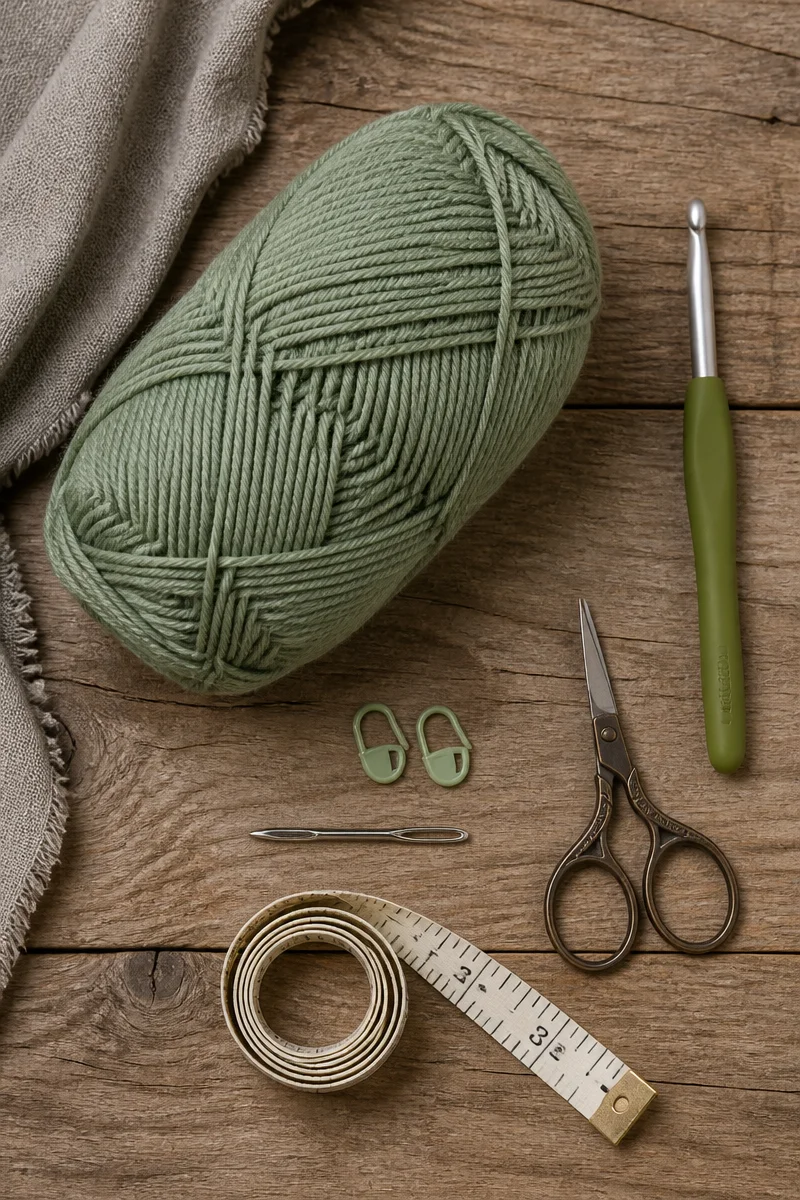
- Start with the hook suggested on the yarn label: Then make a small swatch. If the ribbing feels too firm, try a larger hook; if it feels loose and floppy, try a smaller one.
Tips for Ribbed Crochet Success
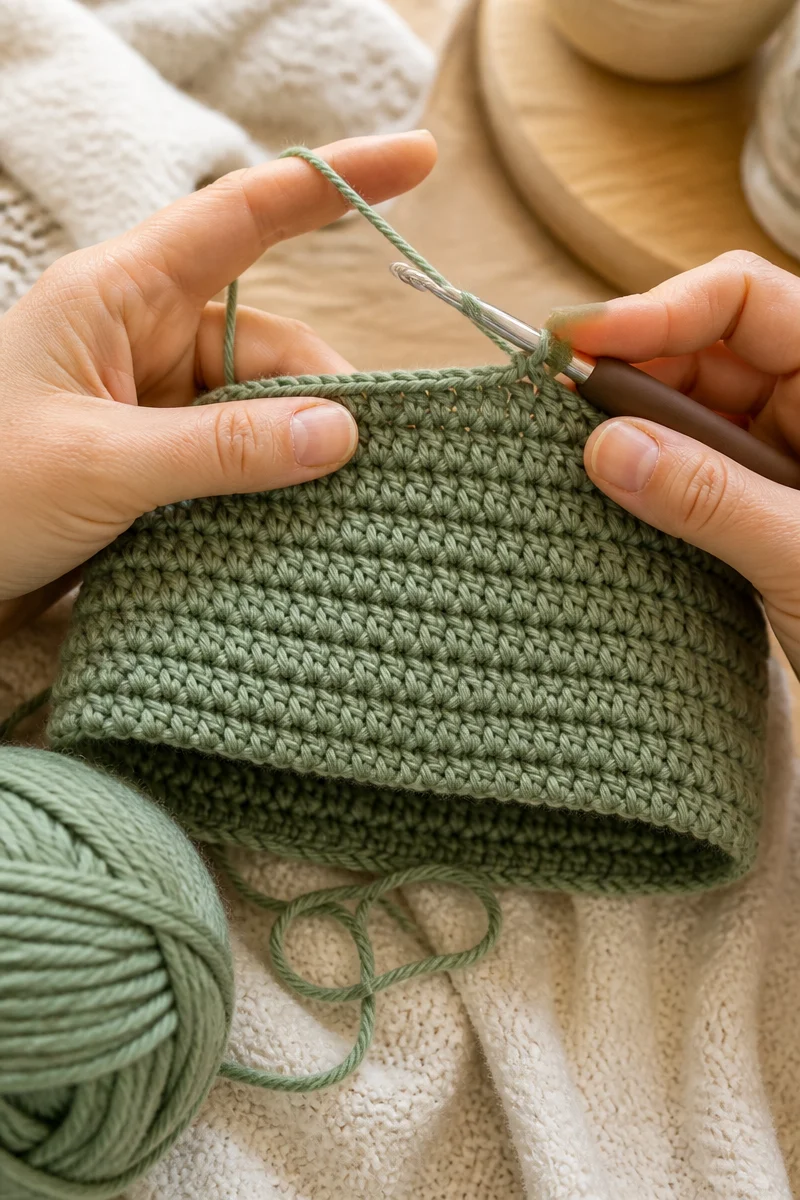
First, make a small swatch in your chosen ribbed stitch. This helps you check the fabric’s stretch and feel before you commit to the full headband. Keep your tension relaxed, since tight stitches can make ribbing less stretchy and harder to pull over your head.
Next, count your stitches at the end of each row. It is easy to skip the first or last stitch when working into back loops, especially if the edge looks narrow. Use a stitch marker in the edge stitch if that helps. Also, measure the band as you work, and remember that stretchy fabric may fit differently from a firm fabric.
Common Mistakes to Avoid
Working too tightly is a common problem. Tight ribbing can feel stiff and may not stretch enough for a comfortable fit. If your fabric feels dense, try loosening your tension or using a larger hook.
It is also easy to confuse the back loop with the front loop. Check the top of each stitch before you insert the hook, and look for the loop that sits farther from you. Consistent placement helps keep the ribs neat.
Uneven edges can happen when you miss the first or last stitch in a row. Count regularly, and take a moment to identify the turning chain or edge stitch used in your chosen method. Clear edges make seaming much easier.
Finally, avoid choosing yarn by color alone. A beautiful sage yarn may still be too scratchy, too heavy, or too stiff for a headband. Feel the yarn against your skin when possible, and consider how its fiber and weight will work with the ribbed texture.
Care and Washing Instructions
Washing: Follow the yarn label first. Many acrylic yarns can be washed in cool water on a gentle cycle, while wool may need hand washing with a suitable wool wash. When in doubt, hand wash the headband gently.
Drying: Press out extra water with a towel instead of wringing the fabric. Then lay the headband flat to dry, reshaping it as needed. This helps protect its stretch and shape.
Blocking: A crochet winter sage wide headband may benefit from gentle blocking if the edges look uneven. Wet or steam block only if the yarn label allows it. Avoid stretching the band too far, since that can reduce its ability to fit snugly.
More Ideas to Try
Once you’ve enjoyed making a crochet winter sage wide headband, try a twisted-front headband, a simple ear warmer in half double crochet ribbing, or a textured cowl using the same yarn. You might also explore basketweave stitch or moss stitch for a different look and feel. Each option lets you practice familiar skills while making a useful cold-weather accessory.
Conclusion
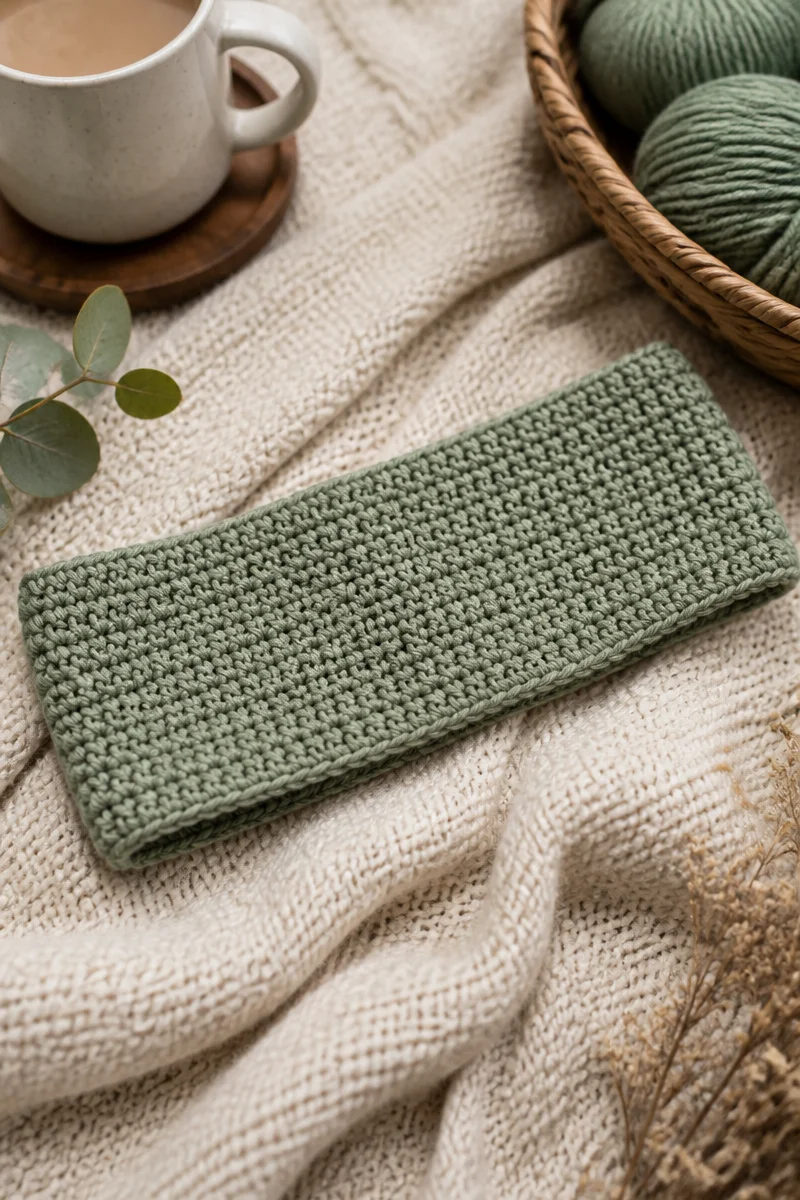
A crochet winter sage wide headband pairs a useful shape with cozy yarn and appealing ribbed texture. Choose a comfortable fiber, make a swatch, and keep an eye on your stitch count as you work. Most of all, take your time and adjust the fit to suit you. Try the technique with your favorite shade of sage, then share your finished headband or explore more crochet guides on the blog.