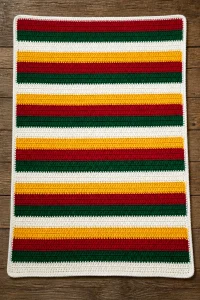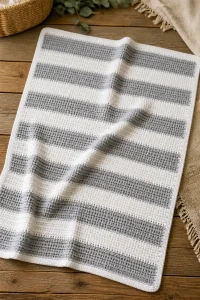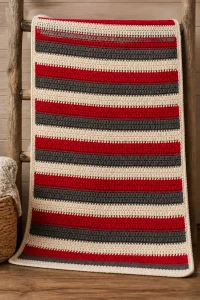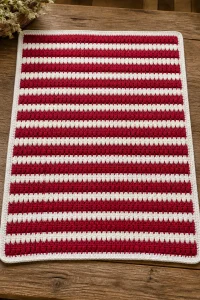
Crochet Frozen Pond Chevron Baby Blanket
Affiliate disclosure: This post may contain affiliate links. I may earn a small commission at no extra cost to you. See our Privacy Policy for details HERE.
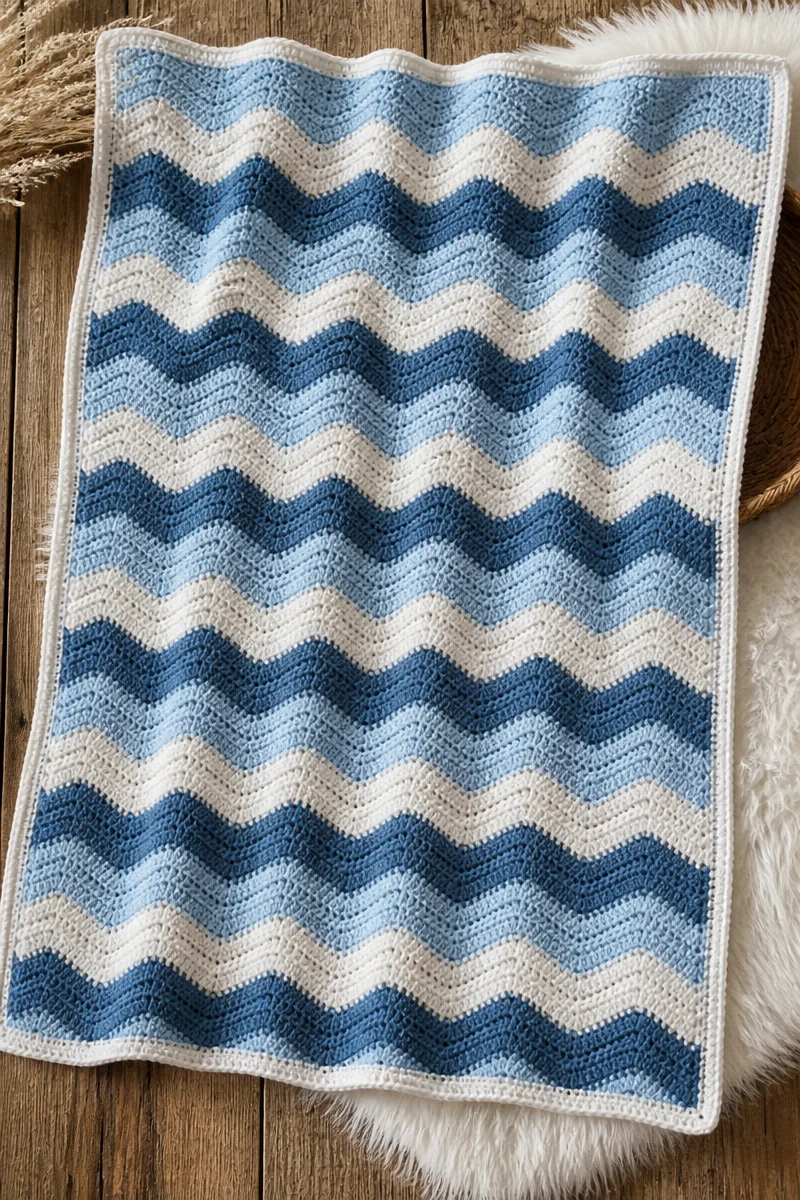
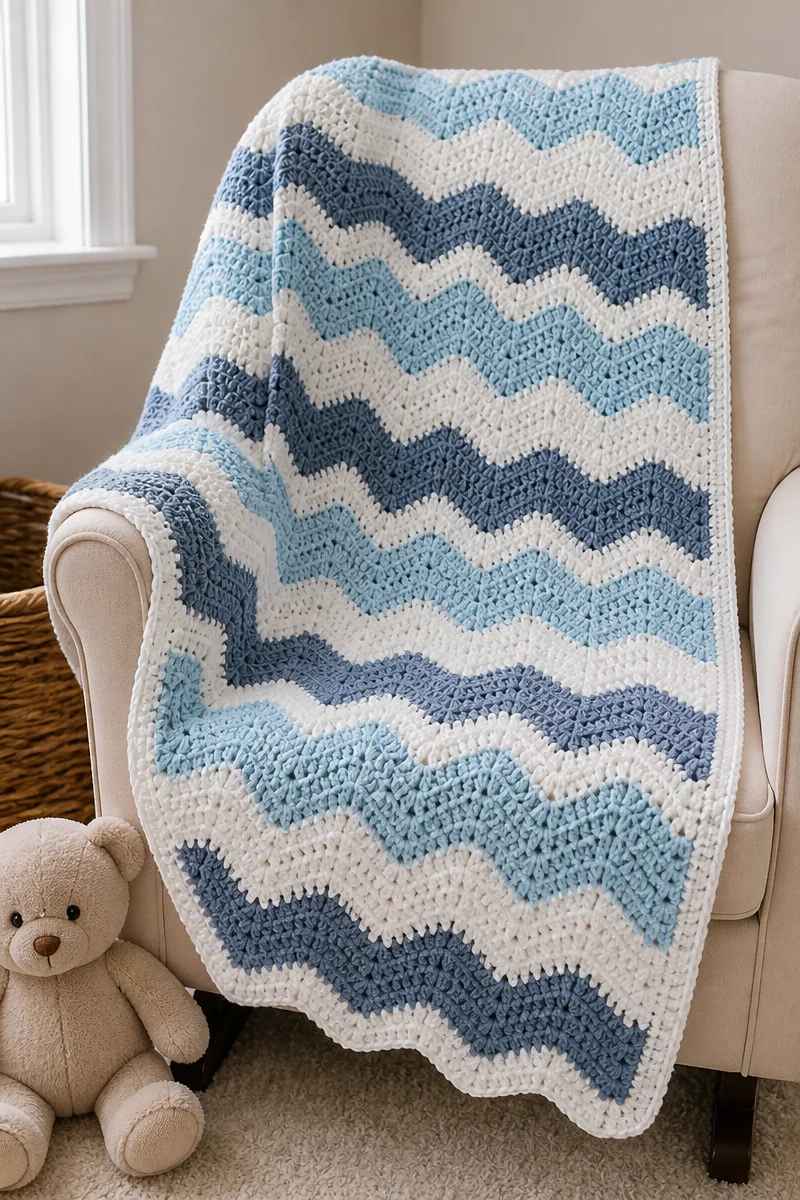
Crochet blankets have a way of feeling both comforting and красиве, and the Frozen Pond Chevron Baby Blanket is a lovely example of that charm. I especially like chevron blankets because they bring movement to a project without making it feel too busy. As a result, they look lively, soft, and timeless all at once.
What makes this style stand out is the chevron stitch pattern, also called a ripple pattern. It creates those smooth little peaks and valleys that give the blanket its wave-like look. In addition, this design works well for baby blankets because it feels playful, but it can still look calm and elegant when you choose soft colors.
In this guide, you will learn what the chevron stitch is, why it works so well for a baby blanket, and how to choose the right yarn and hook. You will also find helpful tips, common mistakes to avoid, and simple care advice so your blanket stays beautiful for a long time.
What Is the Chevron Stitch?
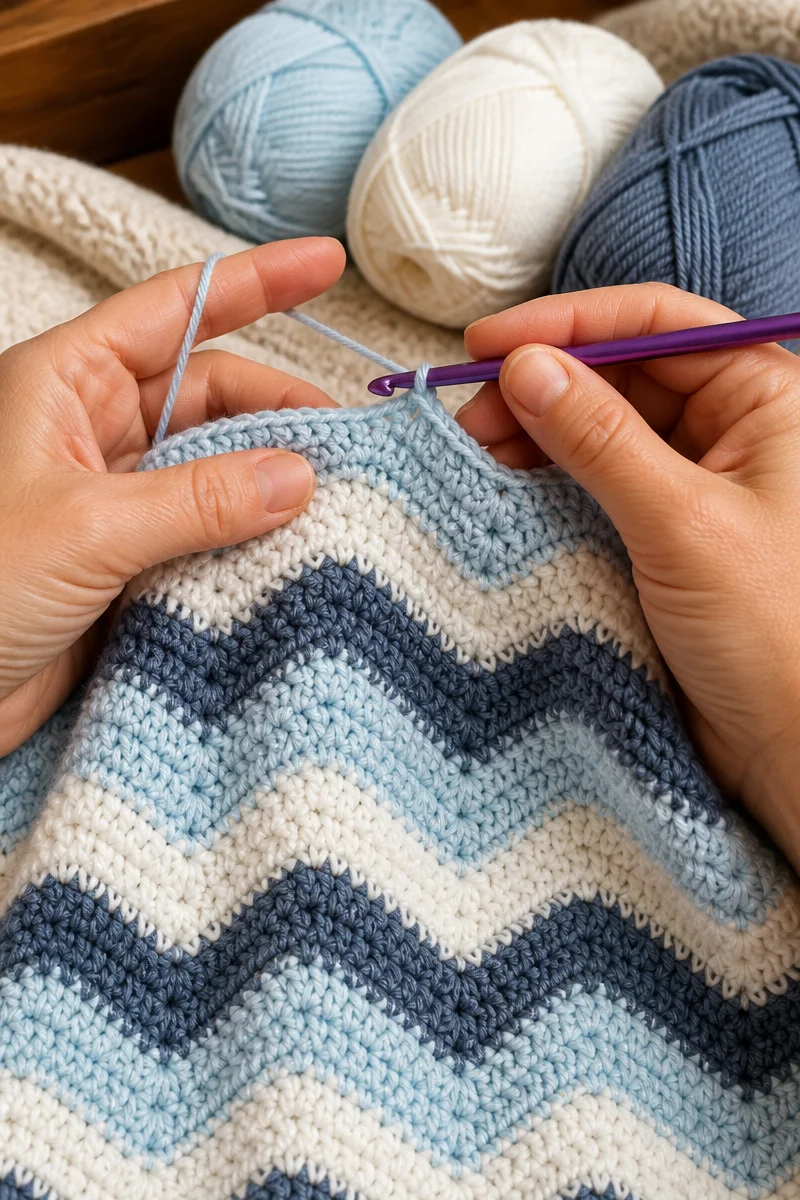
The chevron stitch is a crochet technique that makes a zigzag or wave pattern across the fabric. Usually, it is formed by repeating increases and decreases in the same row or round. Because of that, the fabric rises into points and dips into valleys, which creates the classic chevron look.
Many crocheters love this stitch because it feels simple once you understand the rhythm. Also, it gives a lot of visual interest without needing complicated shaping. For a project like the Crochet Frozen Pond Chevron Baby Blanket, the stitch adds texture and movement, while still keeping the blanket soft and cozy.
Why This Is a Great Choice for Baby Blankets
- It looks beautiful with very little effort. The chevron shape gives the blanket a polished look, even when you keep the stitch simple.
- It works well with soft color changes. Because of the repeating peaks and valleys, this design looks wonderful in solids, stripes, and gentle ombré colors.
- It has a comforting texture. The pattern adds light texture, which makes the blanket feel cozy without becoming too bulky.
- It is easy to customize. You can make the blanket wider, longer, smaller, or larger just by adjusting the stitch count and repeat.
- It suits many skill levels. While beginners may need to practice counting, the overall pattern is easy to learn and rewarding to finish.
Yarn and Hook Recommendations
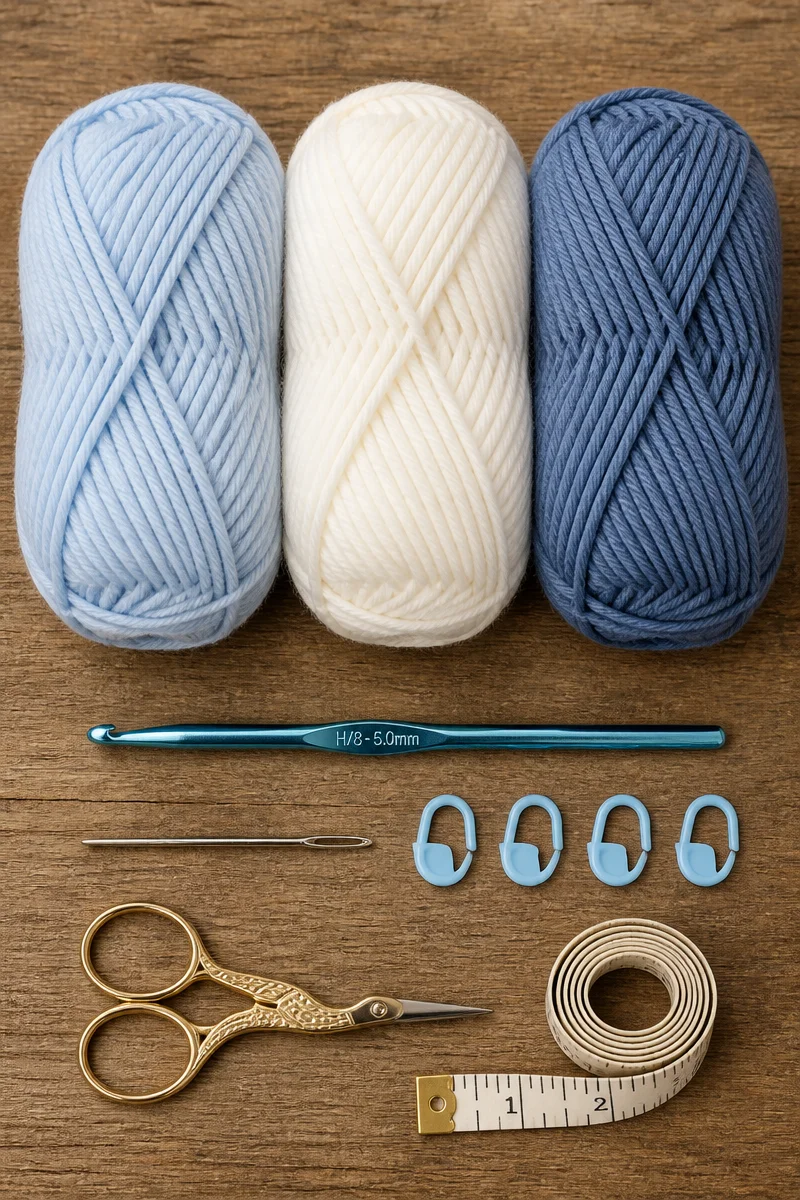
- Soft baby-weight or light worsted yarn: This is a great choice because it feels gentle against baby skin and gives the blanket a nice drape.
- Cotton blends: These are breathable and easy to wash, so they work well for baby items that may need frequent cleaning.
- Acrylic yarn labeled baby-safe: Many crocheters choose soft acrylic because it is affordable, durable, and simple to care for.
- Superwash wool blends: If you want warmth with easier care, this can be a smart option, especially for cooler climates.
- A hook size that matches the yarn label: This helps the chevron stitch stay neat and even, while also keeping the fabric soft.
- A slightly larger hook for extra drape: In many baby blankets, a larger hook can help the fabric feel smoother and less stiff.
Tips for Chevron Stitch Success
First, pay close attention to your stitch count. The chevron stitch depends on regular increases and decreases, so even one missed stitch can change the shape of the row. Therefore, it helps to count often, especially at the beginning of each repeat.
Also, try to keep your tension steady. If your stitches are too tight, the blanket may feel stiff and the points may pull inward. On the other hand, if your stitches are too loose, the fabric may look uneven. So, find a relaxed rhythm and keep it consistent from row to row.
Finally, take your time when reading the pattern. Chevron designs often use repeats, and that makes them easier once you spot the rhythm. However, if you rush, it is easy to place a decrease in the wrong spot. A calm pace usually leads to better results.
Common Mistakes to Avoid
One common problem is uneven tension. If your stitches change size from one row to the next, the chevron shape may start to wobble. As a result, the blanket can look less smooth than you want. Try to keep your hands relaxed and your hook movement steady.
Another mistake is miscounting stitches. Since this pattern depends on a repeating shape, even a small counting error can throw off the whole row. Therefore, it is smart to use stitch markers at the peaks and valleys if that helps you stay on track.
Some crocheters also struggle with curling or rippling edges. This usually happens when the stitch count is off or the yarn and hook do not work well together. In addition, the blanket may curl if the starting chain is too tight. A loose foundation chain can help the edge lay flatter.
It is also important to choose the right yarn weight. If the yarn is too thick, the blanket may become heavy and bulky. However, if it is too thin, the blanket may not have enough warmth or structure. So, match the yarn to the feel you want, and always make a small swatch if you can.
Care and Washing Instructions
For washing, follow the care label on your yarn first. In general, machine-washable acrylics and superwash blends are easy to care for and work well for baby blankets. However, if you use cotton or wool, gentle washing is often the safest choice. Use mild detergent and avoid harsh cleaners.
For drying, lay the blanket flat if you want to help it keep its shape. Tumble drying on low may be fine for some yarns, but flat drying usually protects the stitch texture better. In addition, it can help prevent stretching.
Blocking can be helpful for a Chevron Baby Blanket, especially if you want the points and valleys to look neat and balanced. Blocking helps smooth the fabric and even out the shape. For many crochet blankets, a light blocking after finishing can make a noticeable difference.
More Ideas to Try
If you enjoy the Chevron Stitch, you may also like a ripple throw, a striped baby afghan, a wave scarf, or a corner-to-corner blanket with gentle color changes. In addition, you might explore shell stitches, moss stitch blankets, or granny chevron designs for even more variety. These projects keep the same cozy feel, while offering a fresh look and a new rhythm to enjoy.
Conclusion
The Crochet Frozen Pond Chevron Baby Blanket is a wonderful project if you love soft texture, graceful movement, and a classic baby blanket style. The chevron stitch is simple enough to learn, yet interesting enough to keep you engaged. Also, with the right yarn, hook, and a little stitch counting, you can create a blanket that feels warm, pretty, and lasting.
If this style speaks to you, give it a try on your next blanket. Then share your results, or keep exploring related crochet guides for more ideas, tips, and inspiration.