Crochet Gladiolus Flower Plant Pot Cover

Affiliate disclosure: This post may contain affiliate links. I may earn a small commission at no extra cost to you. See our Privacy Policy for details HERE.
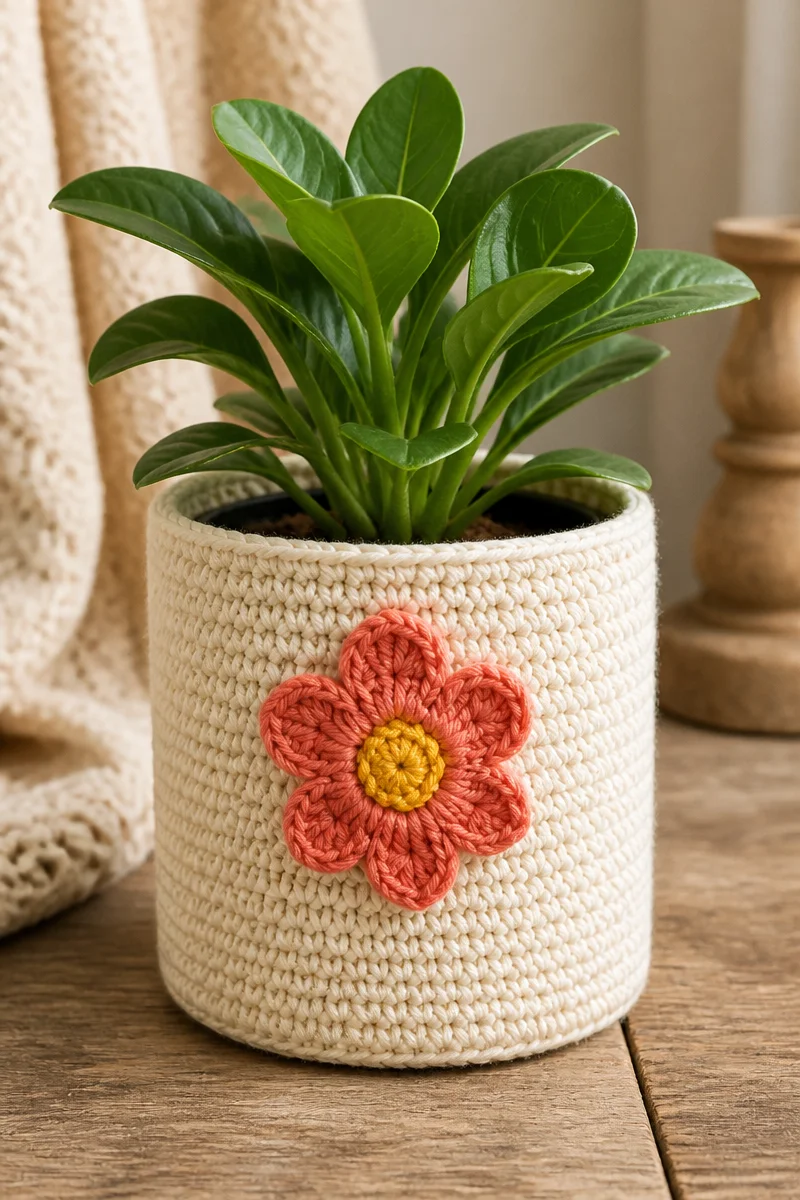
A crochet gladiolus flower plant pot cover is such a lovely way to bring life into a room. I have always liked projects that do more than sit pretty, and this one does exactly that. It adds color, charm, and a handmade touch to an ordinary plant pot, so the whole display feels more personal and warm.
What makes a crochet gladiolus flower plant pot cover special is the way it blends floral beauty with practical home decor. The finished look can be delicate, bold, or playful, depending on your yarn choice and stitch style. It is often a medium-level project, and although it may look detailed, many crocheters enjoy it because the shapes are fun to make and the result looks impressive.
In this guide, you will learn what makes the gladiolus flower style work so well in crochet, which yarns and hooks suit it best, and how to get better results. You will also learn helpful tips, common mistakes to avoid, and easy care advice. So, if you want a project that is pretty, useful, and full of personality, this guide is for you.
What Is the Crochet Gladiolus Flower Technique?
The crochet gladiolus flower technique is a floral crochet method that creates long, layered petals that resemble the real gladiolus bloom. These flowers often use shaped petals, simple joins, and careful layering to build a tall, elegant look. Because gladiolus flowers naturally grow in a vertical line, the crochet version often has a graceful, upright style that stands out in a plant pot cover.
Crocheters love this technique because it gives a project a soft but striking finish. In addition, the petals can be made in different sizes and colors, so the design feels flexible and creative. The texture is interesting, the shape is eye-catching, and the floral look works well for gifts, home decor, and seasonal displays.
Why This Is a Great Choice for Plant Pot Covers
- It adds instant charm. A crochet gladiolus flower plant pot cover can turn a simple pot into a focal point, and that makes a room feel more welcoming.
- It hides plain containers. If you have a basic plastic or clay pot, this project gives it a fresh handmade look without replacing the pot itself.
- It works well with many yarn colors. Since gladiolus flowers come in many shades, you can choose soft pastels, bright colors, or even mixed tones.
- It brings texture and dimension. The layered petals give the cover depth, so the finished piece looks more detailed than flat decor.
- It can be customized easily. You can make it small, medium, or large, and you can adjust the flower count to match your pot.
- It is a nice seasonal project. Because gladiolus flowers feel cheerful and elegant, this style works well for spring, summer, or year-round home decorating.
Yarn and Hook Recommendations
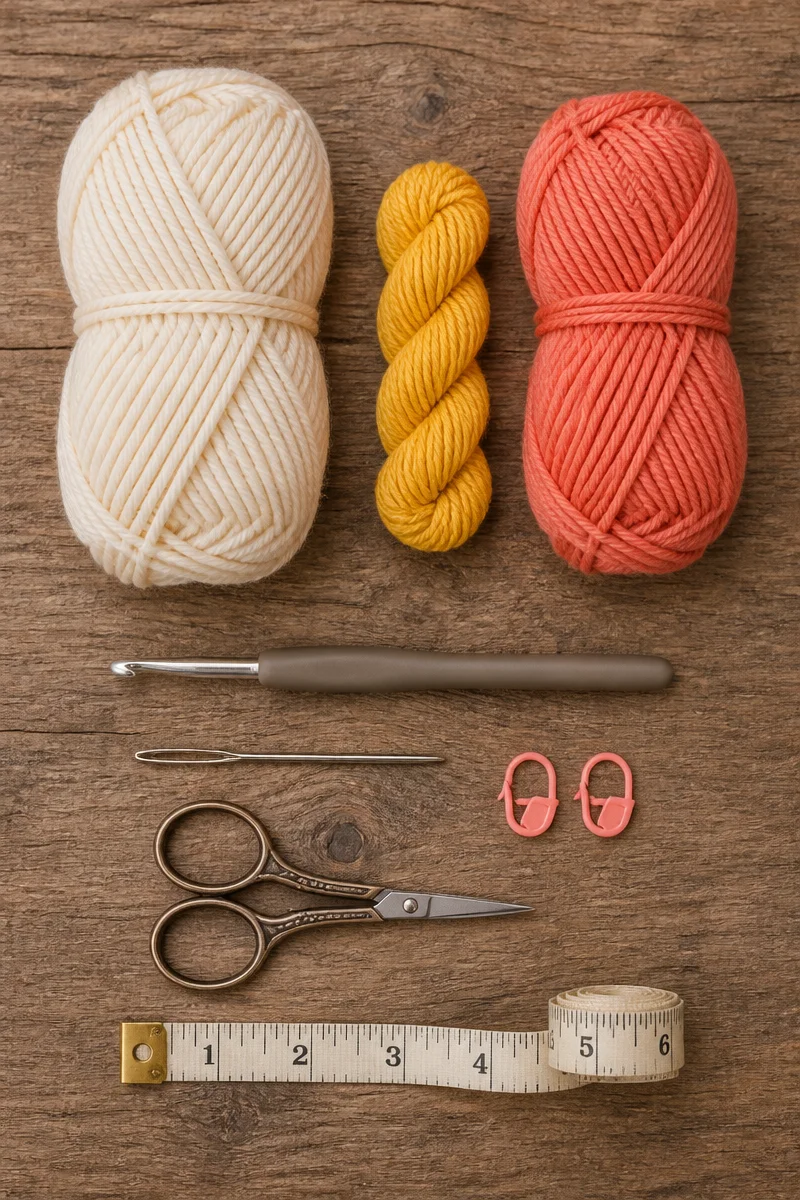
- Light worsted or DK yarn works well for a neat and balanced look. It gives the petals enough structure without making the cover too heavy.
- Cotton yarn is a smart choice if you want clean stitch definition and a firm shape. Also, cotton helps the flowers hold their form better.
- Acrylic yarn is a budget-friendly option, and it comes in many colors. In addition, it is easy to care for, which is helpful for home decor.
- Blend yarns with cotton and acrylic can give you the best of both worlds. They are often soft, sturdy, and easy to work with.
- A smaller hook than the yarn label suggests can help the flowers look crisp and defined. This is useful when you want the petals to hold their shape.
- A larger hook may work for a softer drape if you want the cover to feel more relaxed. However, this works best if the stitch pattern still stays neat.
Tips for Crochet Gladiolus Flower Success
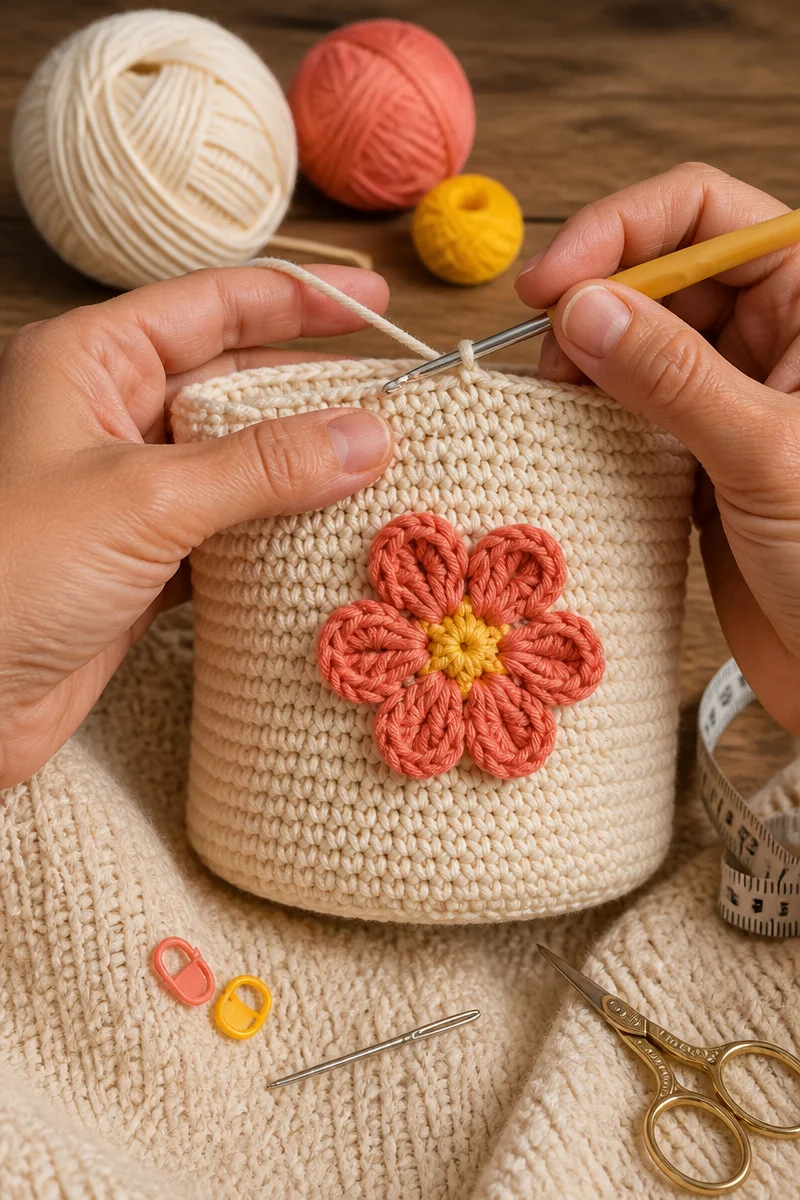
First, pay close attention to your tension. Since flower petals often use shaping, loose stitches can make the petals sag, while tight stitches can make them curl too much. Therefore, try to keep your tension steady from the first petal to the last. If you notice one section looking different, pause and adjust before you go farther.
Also, count carefully as you work. Floral crochet often uses small parts that are joined together, so one missed stitch can affect the whole shape. In addition, it helps to read the pattern all the way through before you begin. That way, you can understand where each petal or layer fits into the final plant pot cover.
Common Mistakes to Avoid
One common mistake is using yarn that is too thick for the design. If the yarn is too bulky, the petals may lose their shape and the pot cover may look heavy. Instead, choose a yarn weight that lets the flower details show clearly.
Another issue is uneven tension. When the stitches in one petal are tighter than the others, the flower may look lopsided. So, try to work at a steady pace and check your progress often. This small habit can save time later.
It is also easy to miscount stitches in layered flower projects. Because the shapes are often small, one skipped stitch can throw off the whole layout. Therefore, mark important points if needed, especially when joining petals or building the cover around the pot.
Finally, do not forget to match the cover size to the pot size. A cover that is too small may stretch out, and one that is too large may slip or bunch up. So, measure the pot first, and then plan your crochet gladiolus flower plant pot cover with fit in mind.
Care and Washing Instructions
Washing: For most crochet gladiolus flower plant pot covers, gentle hand washing is the safest choice, especially if you use cotton or delicate acrylic. If the yarn label allows machine washing, place the item in a mesh bag and use a mild cycle. However, always check the yarn care label first.
Drying: Lay the piece flat to dry, and reshape the petals while it is still damp. This helps the flower keep its neat look. Also, avoid hanging it, because that can stretch the stitches out of shape.
Blocking: Blocking can help a crochet gladiolus flower plant pot cover look more polished. It is especially useful if the petals need smoothing or if the edges curl. In addition, light blocking can improve the overall shape and make the floral details stand out better.
More Ideas to Try
If you enjoy this style, you may also like crochet rose pot covers, daisy appliqués, tulip flower accents, or textured leaf motifs. Each of these can bring a fresh look to home decor, and they pair nicely with the same general floral crochet skills. In addition, you can mix them with your gladiolus design for a fuller garden-inspired display.
Conclusion
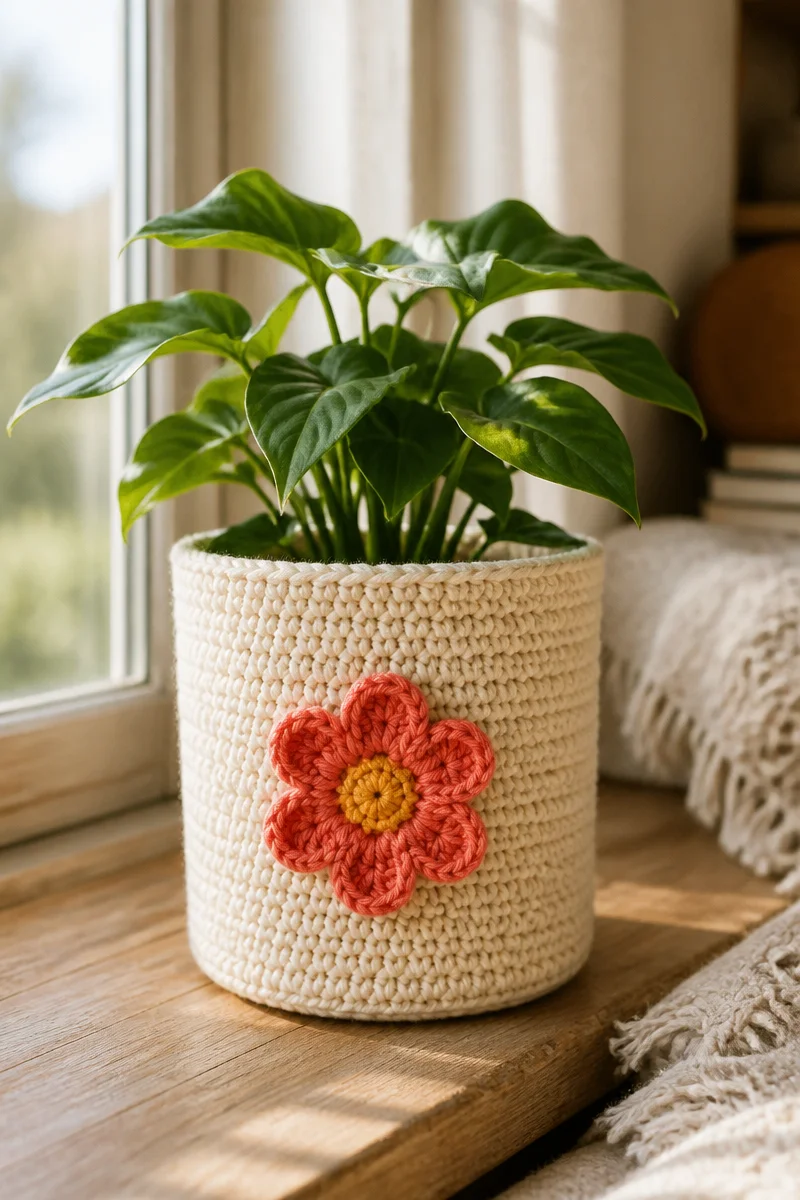
A crochet gladiolus flower plant pot cover is a beautiful way to combine practical crochet with decorative charm. It gives you texture, color, and a handmade finish that can brighten any space. Also, because the design is so flexible, you can make it simple or detailed depending on your style.
So, if you enjoy floral crochet, this is a wonderful project to try next. Give it a place on your shelf, windowsill, or gift list. Then, if you like, share your finished work, compare color choices, or explore more crochet flower guides to keep your creativity blooming.