Crochet Elephant Baby Soft Toy

Affiliate disclosure: This post may contain affiliate links. I may earn a small commission at no extra cost to you. See our Privacy Policy for details HERE.
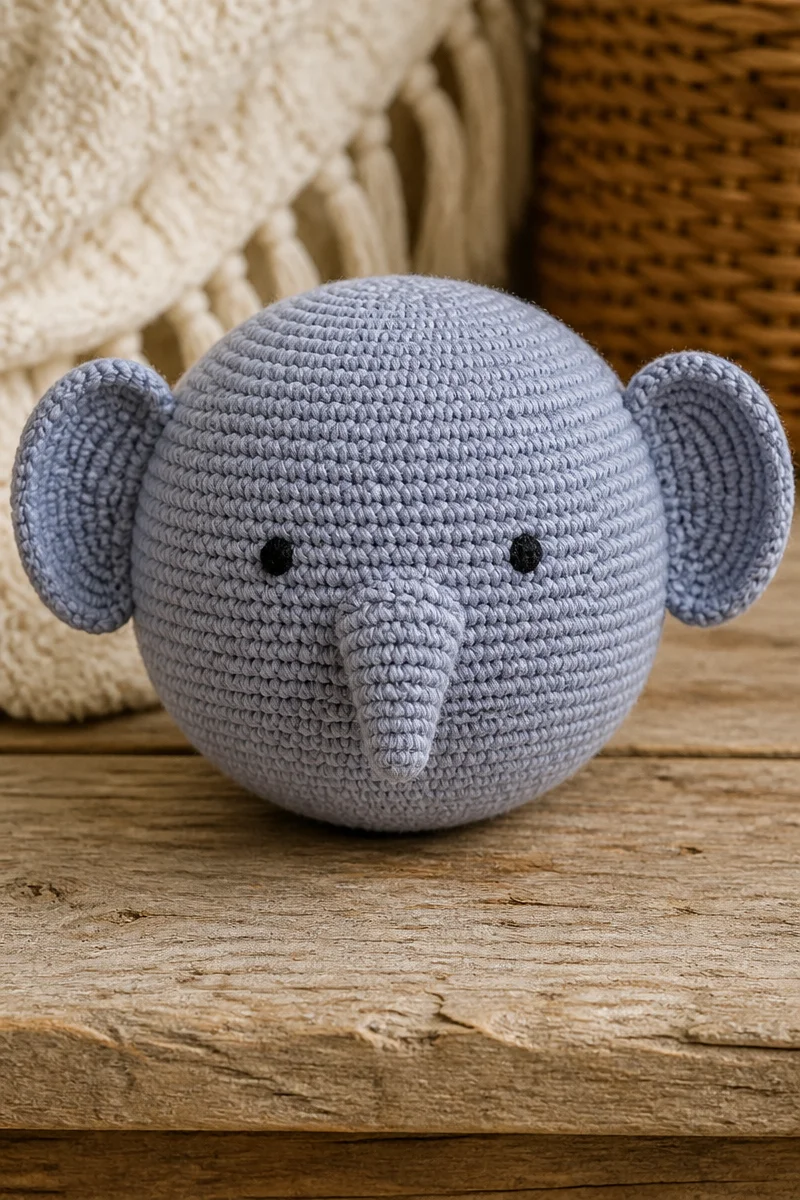
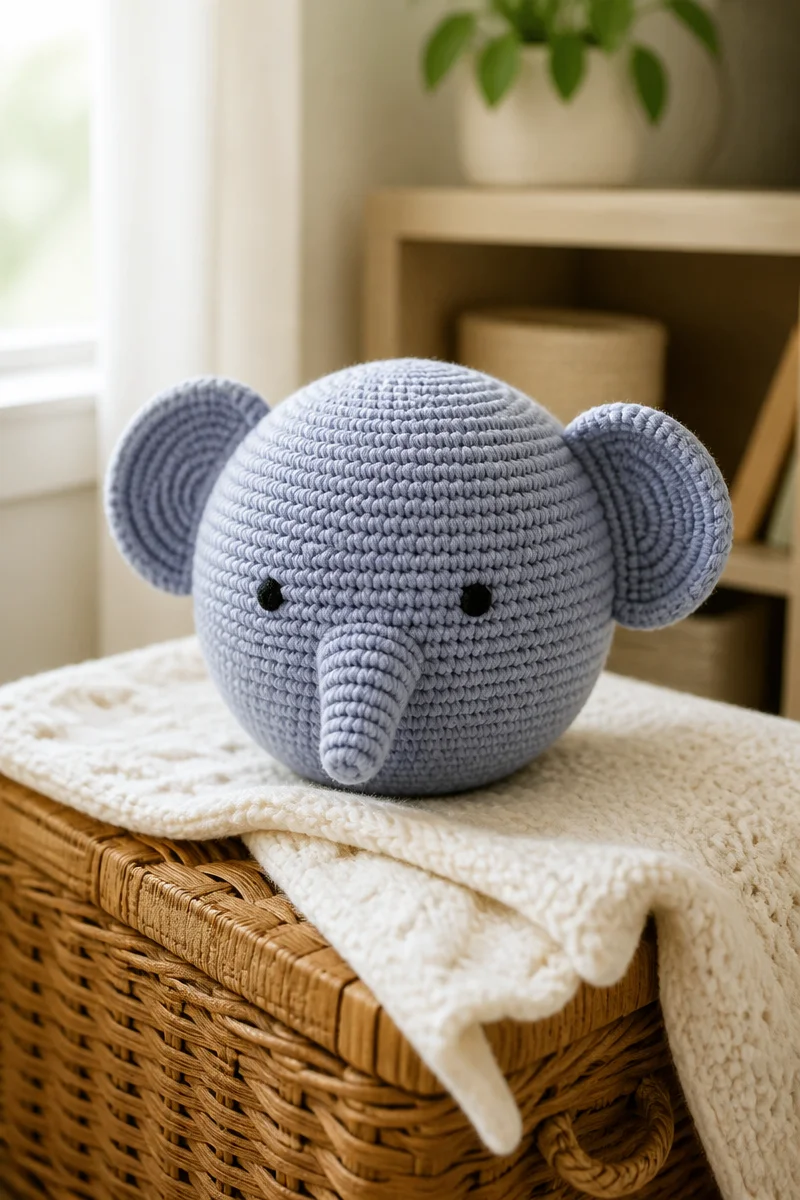
A crochet elephant baby soft toy makes a sweet handmade gift, and I love how a few simple stitches can bring a friendly little character to life. Its floppy ears, rounded body, and gentle expression give it plenty of charm. Plus, you can choose colors and details that make your elephant feel one of a kind.
Most crochet elephant toys are made with amigurumi, the Japanese-inspired technique of crocheting small, three-dimensional shapes. Amigurumi often uses tight stitches and simple increases and decreases to form the body, trunk, and ears. The finished toy can look detailed, but the basic technique is friendly to beginners who take their time.
In this guide, you’ll learn how amigurumi works and why it suits a baby soft toy. You’ll also find yarn and hook suggestions, practical tips, common mistakes to avoid, and care advice. Since safety matters for a toy intended for a baby, you’ll also learn which finishing choices deserve extra thought.
What Is the Amigurumi Technique?
Amigurumi is a way to crochet small stuffed figures, animals, and toys. To shape the parts, you usually work in continuous rounds, adding stitches to widen a piece and decreasing stitches to narrow it. Then you fill the shape with stuffing and sew the pieces together.
The fabric looks firm and smooth, with little visible space between the stitches. That close texture helps keep stuffing inside. Crocheters enjoy amigurumi because it can turn basic stitches into a wide range of shapes, from a round elephant body to a curved trunk. For a crochet elephant baby soft toy, the main stitch is often single crochet, worked tightly and evenly.
Why This Is a Great Choice for a Crochet Elephant Baby Soft Toy
- It creates sturdy shapes. Amigurumi makes a firm fabric that can hold the elephant’s body, head, and trunk.
- It offers room for creativity. You can change the colors, ear shape, trunk curve, and other details to make each toy feel special.
- It uses familiar stitches. Many designs rely on single crochet, increases, and decreases, so beginners can build on basic skills.
- It works well in small sections. You can crochet the body and other parts separately, then join them as you go.
- It makes a thoughtful gift. A handmade elephant can become a keepsake, although baby toys need careful choices for materials and details.
Yarn and Hook Recommendations
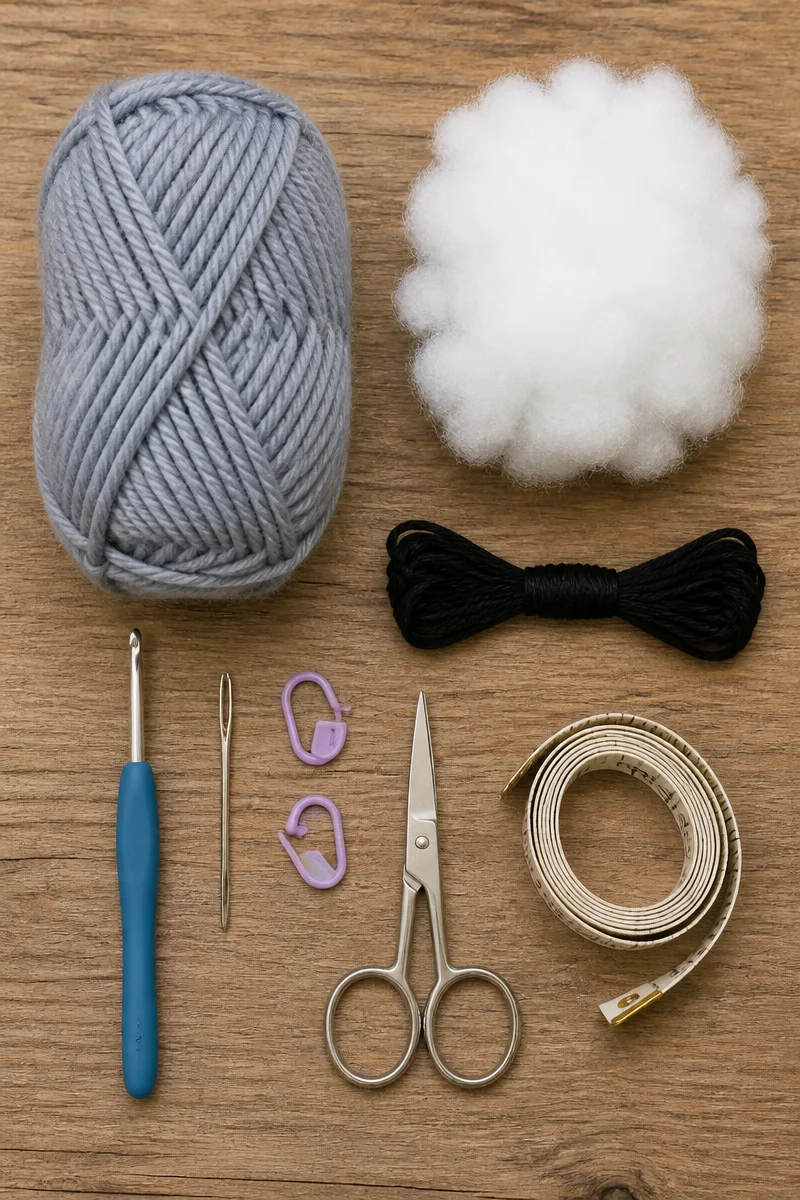
- Choose a smooth yarn. A soft, easy-care yarn helps create even stitches and feels pleasant to the touch. Check the care label before you begin.
- Try medium-weight yarn. Worsted-weight yarn is common for amigurumi and makes a toy with clear, manageable stitches.
- Consider cotton or acrylic. Cotton can give a neat stitch look, while many acrylic yarns are soft and machine washable. Always check the yarn label for care guidance.
- Use a smaller hook than the yarn label suggests. A snug fabric helps reduce gaps where stuffing might show. The right hook size depends on your yarn and tension.
- Test your stitch tension. Crochet a small sample in the round, then check whether you can see stuffing through the fabric. If you can, try a smaller hook or adjust your tension.
- Match the yarn to the intended use. For a baby gift, choose yarn that can handle the washing routine the family prefers, and avoid fibers that feel rough or shed easily.
Tips for Amigurumi Success
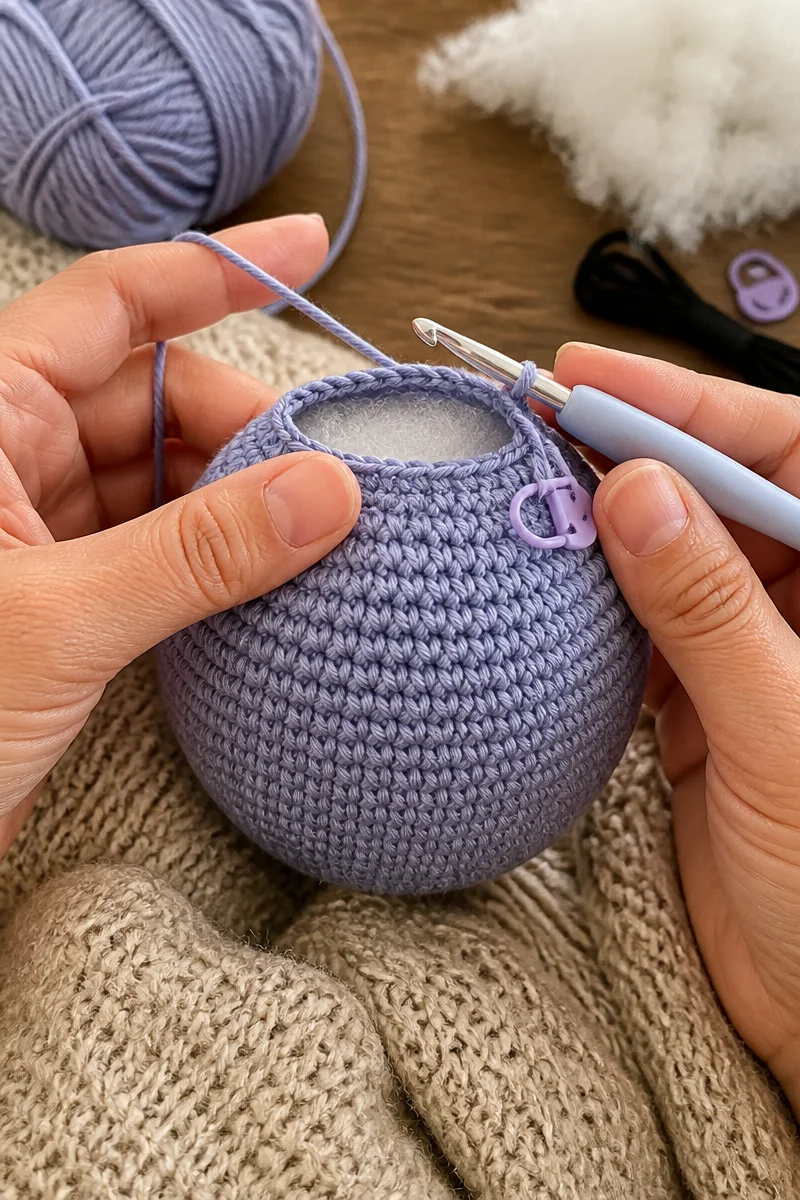
First, keep your tension even. Work firmly enough to close the gaps, but not so tightly that your hands become sore. A stitch marker can help you track the beginning of each round, especially when you crochet in a spiral. Also, count your stitches at the end of each round. That small habit can prevent a lopsided shape later.
Next, read the pattern before you start and note when it tells you to increase, decrease, stuff, or join pieces. Add stuffing a little at a time so the shape stays smooth. Then check the elephant from several angles as you sew on the ears, trunk, and other parts. For baby use, choose securely attached, embroidered features rather than small parts that could come loose. Follow the pattern’s age guidance, and do not assume every handmade toy is suitable for every baby.
Common Mistakes to Avoid
Loose stitches can leave gaps that show the stuffing. If that happens, try a smaller hook or make a tension sample before continuing. However, avoid pulling the yarn so tightly that your stitches become hard to work or the fabric puckers.
Miscounting rounds can change the shape of the body or trunk. As a result, one part may look wider or longer than planned. Use a stitch marker and count regularly, especially after increases and decreases.
Too much stuffing can stretch the fabric and make the toy feel stiff. Too little can leave the shape floppy or uneven. Instead, add small amounts and shape the filling with your fingers as you go.
Finally, take care when attaching the parts. An ear or trunk that sits at an angle can change the elephant’s expression, while a loose seam may not hold up to handling. Pin or hold pieces in place before sewing, and inspect every seam and detail before gifting the toy.
Care and Washing Instructions
Washing: Follow the yarn label first. Many acrylic and cotton yarns can be washed gently, but the exact care method varies. Place the toy in a laundry bag if the label allows machine washing, and use a mild detergent. For a special or delicate toy, hand washing may be a gentler choice.
Drying: Press out extra water with a clean towel, but do not wring the toy. Then reshape it and let it dry fully. Lay it flat in a well-ventilated spot, and avoid high heat unless the yarn label says it is safe.
Blocking: A stuffed amigurumi toy usually does not need traditional blocking. Instead, shape the parts by hand while they dry. Blocking is more useful for flat pieces, such as a blanket or accessory, than for a stuffed elephant.
More Ideas to Try
Once you feel comfortable with amigurumi, try a crochet teddy bear, a small stuffed whale, or a simple ball-shaped rattle cover. You could also explore the single crochet stitch in flat rows, practice invisible decreases, or make an elephant in a different color palette. These projects let you build the same shaping skills while trying new forms.
Conclusion
A crochet elephant baby soft toy combines simple stitches with playful shaping, making it a rewarding project for crocheters at many skill levels. Use a snug, even fabric, choose yarn that suits the intended care routine, and give every seam and detail a careful check. Most of all, work at a comfortable pace and enjoy seeing the elephant take shape. Try one in your favorite colors, share your finished creation, or explore another amigurumi guide on the blog.