Crochet Ageratum Flower Hair Barrette

Affiliate disclosure: This post may contain affiliate links. I may earn a small commission at no extra cost to you. See our Privacy Policy for details HERE.
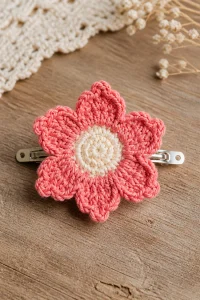
A small handmade flower can bring a lovely touch of color to an everyday hairstyle. I especially enjoy the crochet ageratum flower barrette because it turns a few simple stitches into a cheerful accessory that feels personal and thoughtful.
Ageratum flowers are known for their soft, clustered blooms. A crocheted version captures that full, textured look in a small shape that works well on a barrette. The project is compact and often manageable for a confident beginner, especially if you already know how to crochet in the round.
In this guide, we’ll look at how the flower’s clustered texture is made, which yarn and hook choices work well, and how to attach it securely to a hair clip. You’ll also find practical tips, care advice, and common mistakes to avoid.
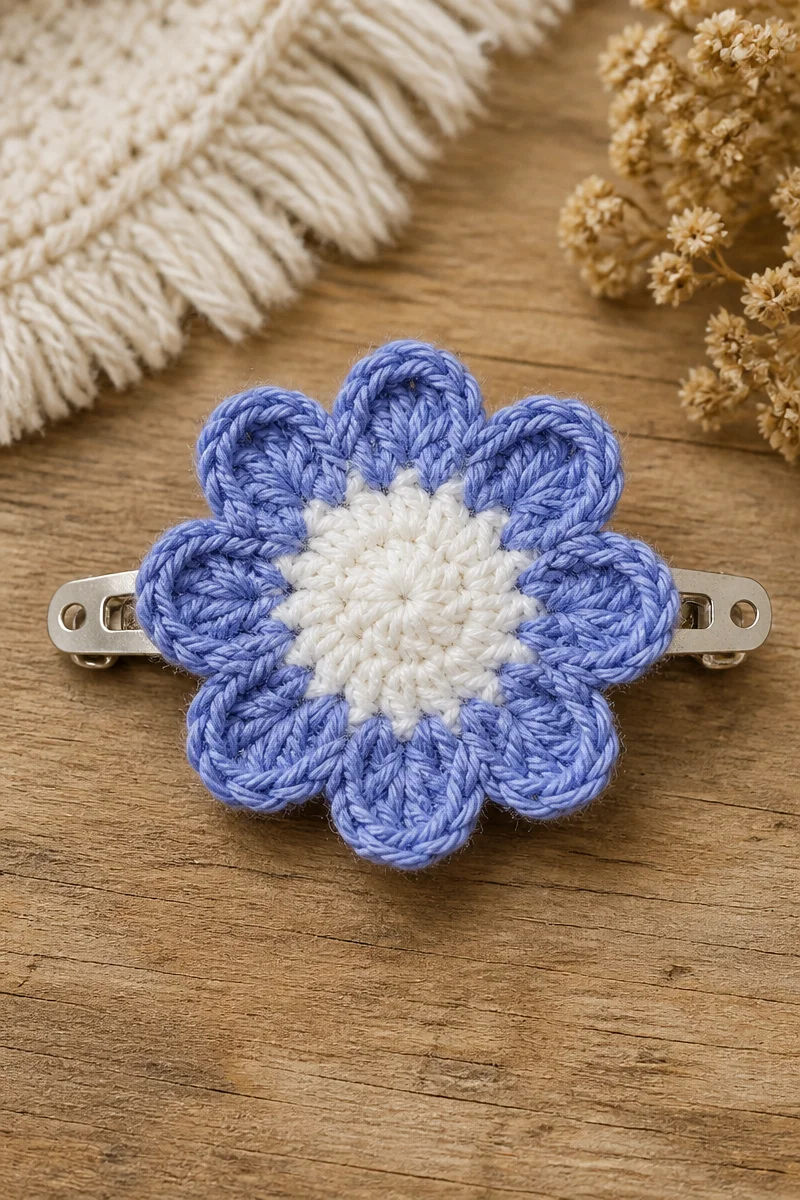
What Is the Clustered Flower Technique?
A crochet ageratum flower is made by building small stitches or stitch groups close together to create a rounded, fluffy bloom. The exact stitch combination can vary by design. Often, crocheters work several stitches into one space or use puff-style stitches to form each petal cluster.
As a result, the flower has a raised, bumpy texture that resembles the many tiny florets of a real ageratum. The petals sit close together rather than spreading into long, separate shapes. Crocheters like this technique because it adds dimension without requiring a large piece of fabric, making it well suited to accessories such as a crochet ageratum flower barrette.
Why This Is a Great Choice for Hair Barrettes
- It makes a clear, textured flower. The clustered stitches create a full look, even on a small barrette.
- It works up quickly. Since the flower is compact, you can often finish it in one sitting.
- It uses small amounts of yarn. Therefore, it is a good way to use leftover yarn from other projects.
- It offers room for color play. Try one shade for a simple bloom or combine colors for a layered effect.
- It makes a thoughtful handmade gift. A crochet flower barrette is small, useful, and easy to personalize.
Yarn and Hook Recommendations
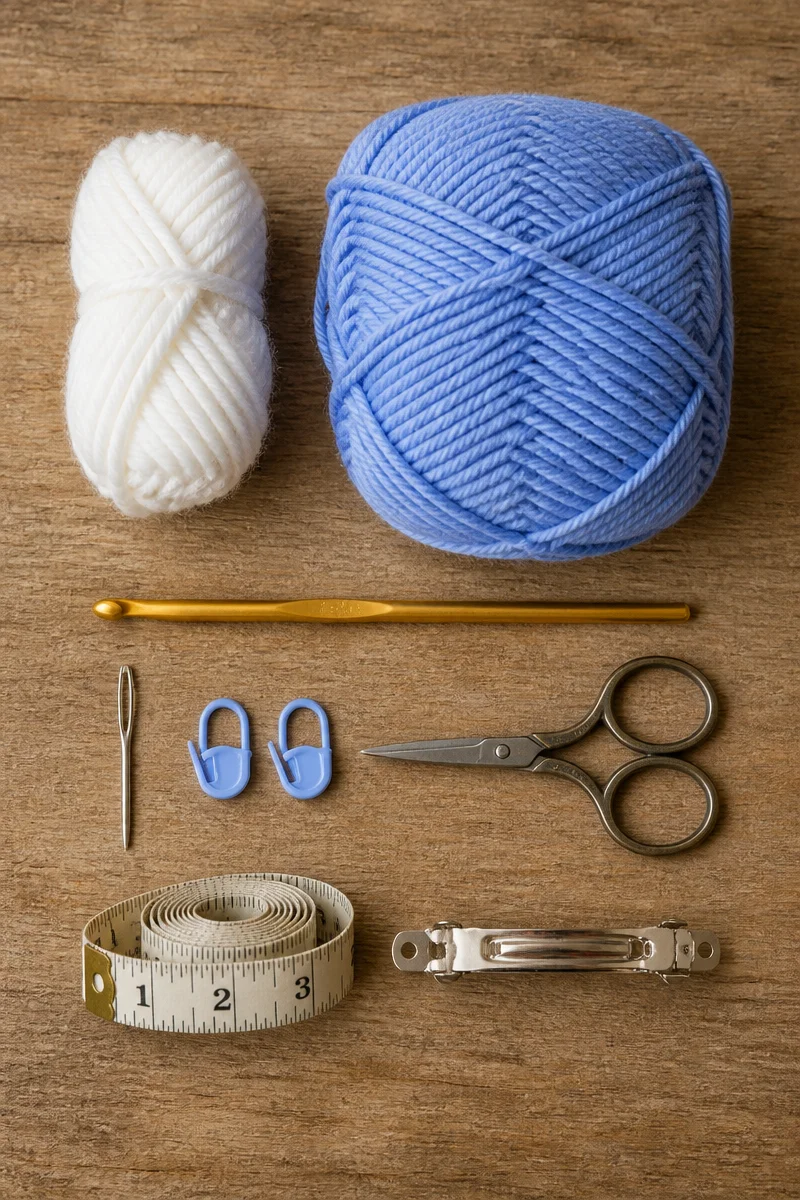
- Choose lightweight yarn for a delicate flower. Fingering or sport-weight yarn can create fine details without making the barrette bulky.
- Try DK or light-worsted yarn for a fuller bloom. These weights make a more noticeable flower, but check that the finished piece still sits comfortably in the hair.
- Use cotton for crisp stitch definition. Cotton holds its shape well and gives the petals a neat, defined look.
- Consider a cotton blend for a softer feel. A blend can add flexibility while keeping the flower sturdy enough for an accessory.
- Select a hook that suits your yarn and tension. A smaller hook than the yarn label suggests can help make a firm flower that keeps its shape.
- Check the barrette size before choosing your yarn. A small clip usually looks best with a lighter flower, while a wider clip can support a fuller design.
Tips for the Clustered Flower Technique
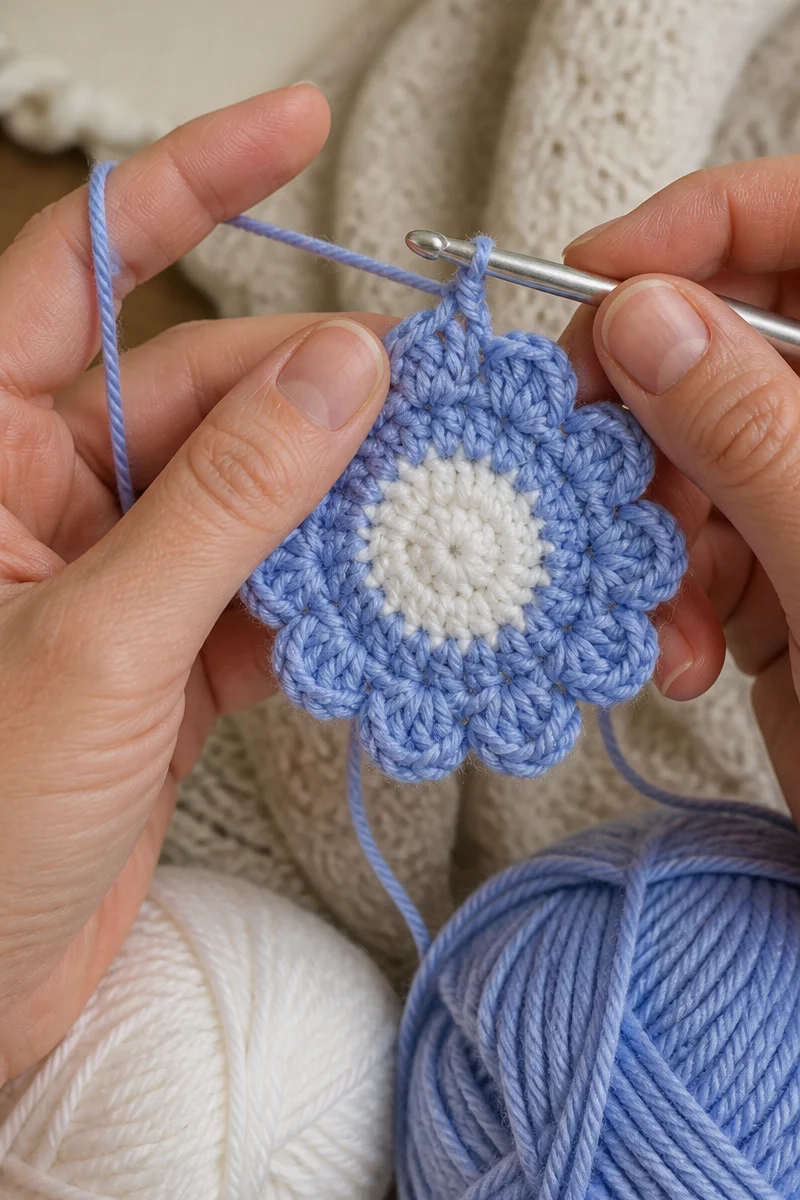
First, keep your tension steady. If you crochet too loosely, the flower may look floppy and the stitches may leave gaps. However, if you work too tightly, it can be hard to form the stitch groups neatly. Make a small test flower if you are unsure, then adjust your hook or tension before finishing the piece.
Next, follow the pattern’s stitch placement carefully. Clustered stitches can use more yarn and space than basic stitches, so it helps to count as you go. Also, leave a secure yarn tail for sewing the flower onto the barrette. A firmly attached flower is more likely to stay in place during wear.
Common Mistakes to Avoid
One common issue is uneven tension. When some clusters are tight and others are loose, the flower can look lopsided. Therefore, pause now and then to check that the petals have a similar size and fullness.
Another pitfall is miscounting the stitch groups. If you add or miss a cluster, the flower may become uneven or lose its intended shape. In addition, read each round before you begin so you know where the clusters and spaces should go.
The wrong yarn weight can also change the look of the project. Thick yarn may make a small barrette feel heavy, while very fine yarn may create a flower that looks too delicate for a large clip. Instead, choose yarn with the finished size and comfort of the barrette in mind.
Finally, avoid attaching the flower with only a loose knot or a few weak stitches. The barrette moves as you open and close it, so the flower needs a strong attachment. Sew through the flower’s base and around the clip or a small backing, while keeping thread and yarn away from the moving hinge.
Care and Washing Instructions
Washing: Check the yarn label first. Cotton and many washable blends can usually be hand-washed with cool water and a mild detergent. If the barrette has a metal clip, avoid soaking it for a long time, since moisture may cause the metal to tarnish or rust.
Drying: Gently press the flower between clean towels to remove extra water. Then reshape it and let it air-dry. Keep it away from high heat, which can affect some fibers and finishes.
Blocking: A small flower usually needs little or no blocking. However, if the petals look uneven, you can lightly shape the piece while it is damp and let it dry flat. Avoid heavy blocking, since it may flatten the raised texture that gives the flower its soft, clustered look.
More Ideas to Try
If you enjoy making a crochet ageratum flower barrette, you might also like crocheting a simple daisy clip, a layered rose hair accessory, or a small flower appliqué for a hat or bag. You can also experiment with puff stitches or bobble stitches to create other raised floral textures.
Conclusion
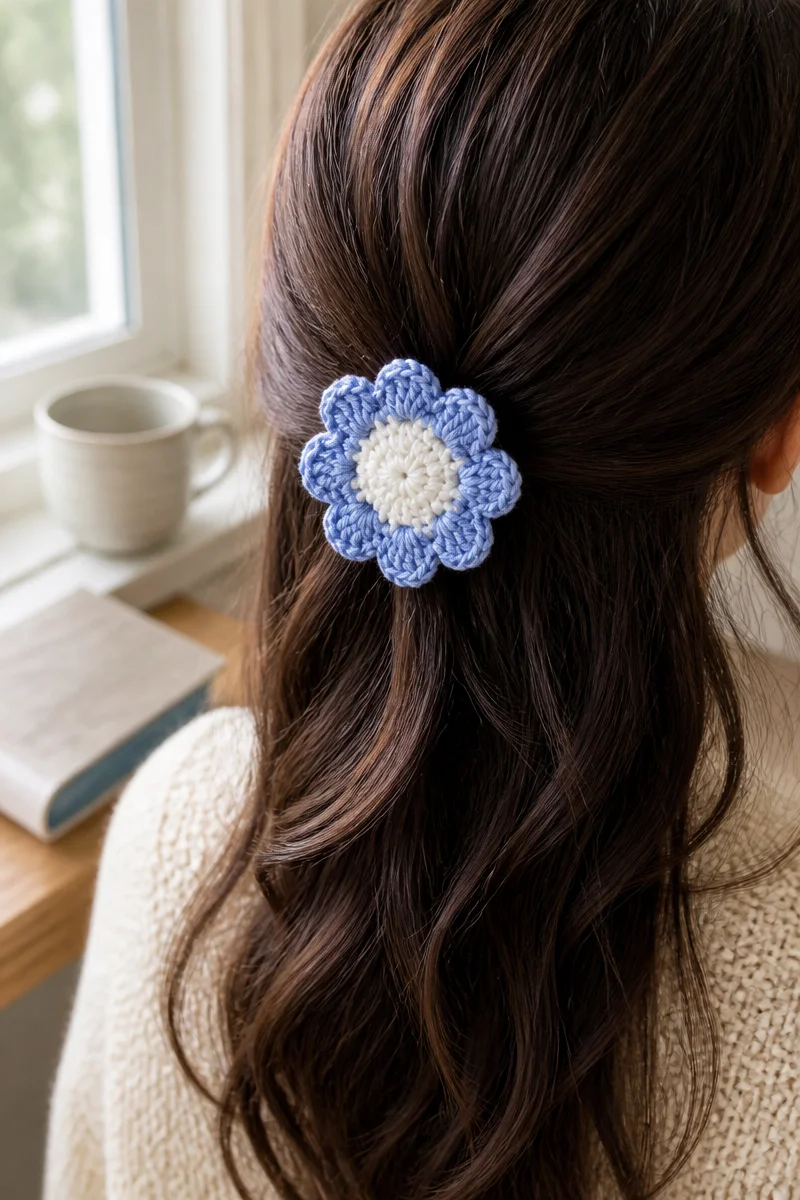
A crochet ageratum flower barrette is a small project with plenty of charm. Its clustered stitches create a full, textured bloom, while a thoughtful yarn choice and secure attachment help the accessory hold its shape and stay comfortable to wear. Start with a simple color, take your time with the stitch groups, and enjoy seeing the flower come together. Then share your finished barrette or explore another flower project on the blog.