Crochet Duckling Baby Stuffed Toy

Affiliate disclosure: This post may contain affiliate links. I may earn a small commission at no extra cost to you. See our Privacy Policy for details HERE.
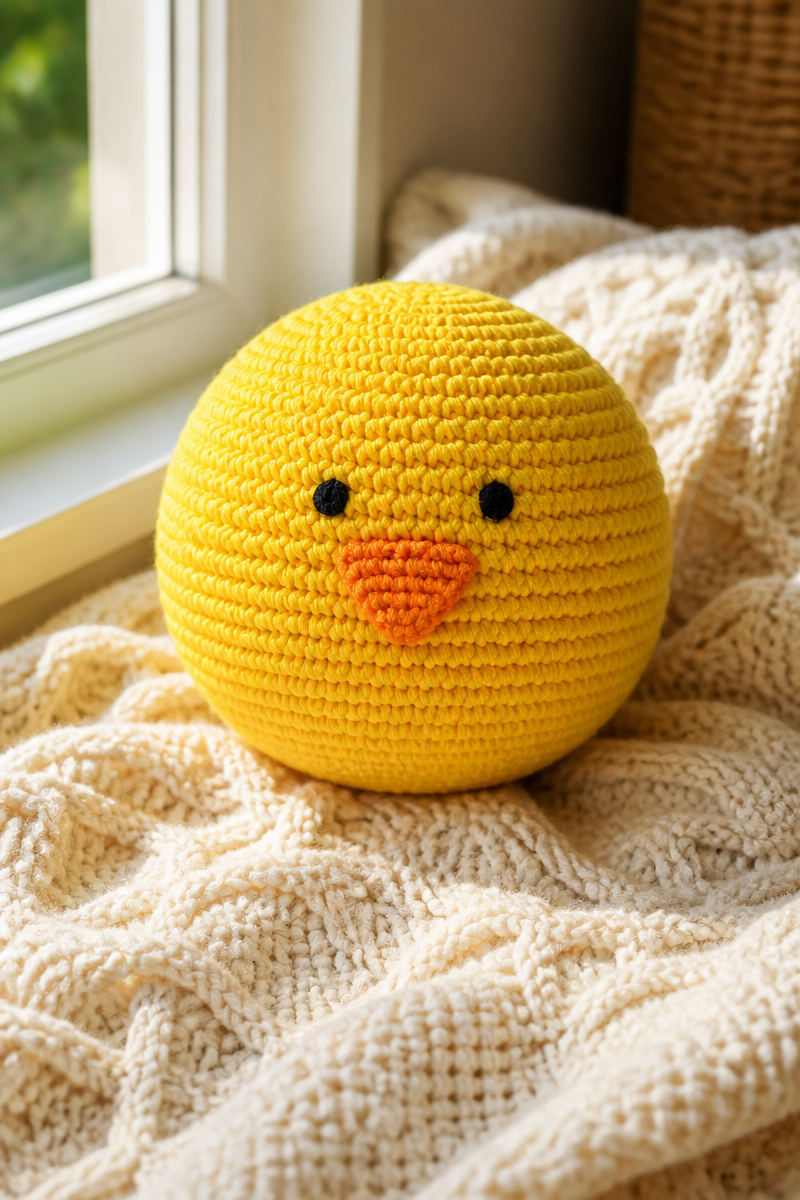
A crochet duckling baby stuffed toy is a sweet, handmade friend that can bring a little cheer to a nursery or gift basket. I love this project because its round shape and simple features make it easy to personalize, whether you choose a sunny yellow body or a softer pastel shade.
This toy is usually made with amigurumi, the Japanese-inspired technique of crocheting small stuffed figures in a spiral. The fabric is firm and holds its shape, while the duckling’s beak, wings, and feet add plenty of charm. With basic crochet skills and careful finishing, the project is approachable for many crocheters.
In this guide, you’ll learn how amigurumi works, which yarn and hook choices suit a duckling, and how to get neat results. You’ll also find practical advice for shaping and stuffing, plus common mistakes to avoid. Since the finished toy may be handled by a baby, safety matters throughout the project.
What Is the Amigurumi Technique?
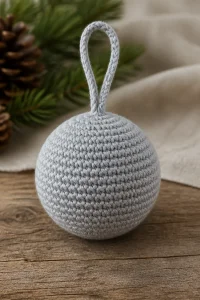
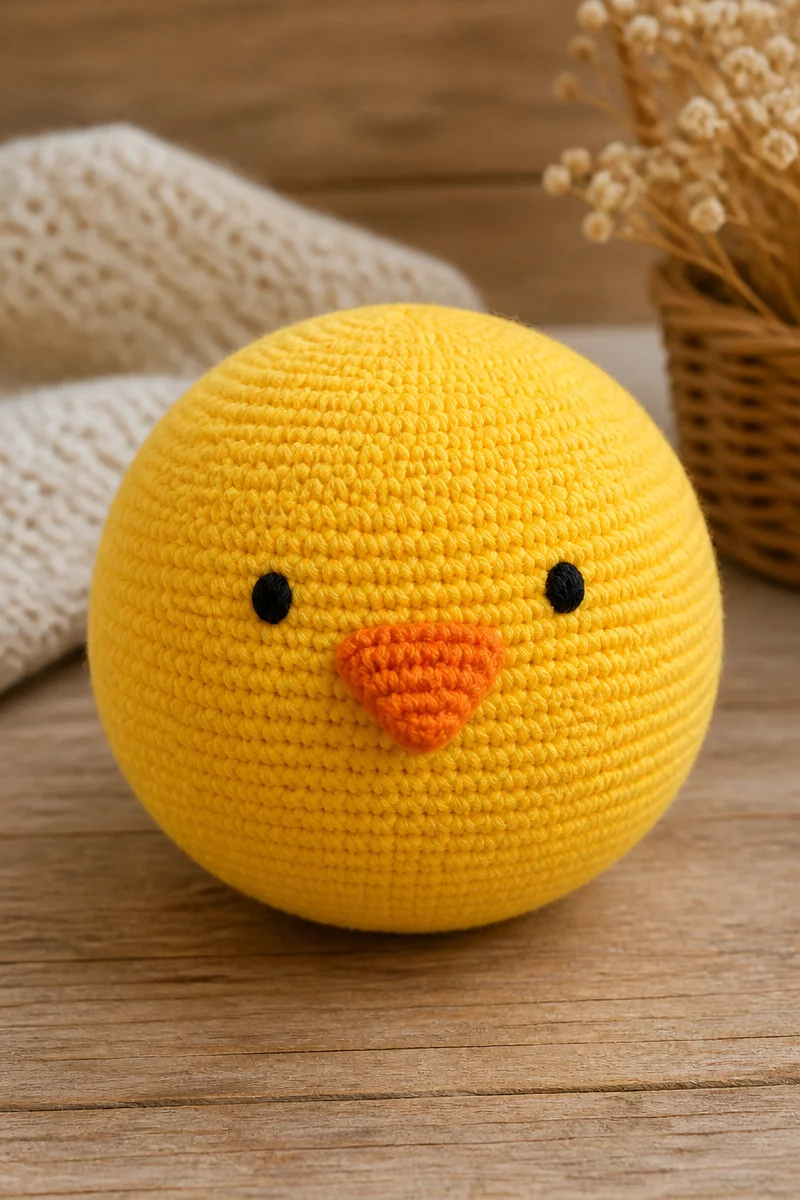
Amigurumi is a way of crocheting small, stuffed shapes, often animals or dolls. You typically work in continuous rounds, without joining at the end of each round. Then, you use increases to make a shape wider and decreases to make it narrower.
For a crochet duckling baby stuffed toy, the body and head may be worked as one rounded piece or as separate pieces joined together. The tight, smooth stitches help keep stuffing inside and create a tidy surface. Meanwhile, small details such as a beak, wings, and feet give the duckling its familiar look.
Crocheters enjoy amigurumi because it combines simple stitches with creative shaping. However, the fabric needs to be firm enough to hold stuffing securely. As a result, many makers use a smaller hook than they would for a scarf or blanket made with the same yarn.
Why Amigurumi Is a Great Choice for a Baby Stuffed Toy
- It creates a sturdy shape. Tight stitches help the duckling keep its rounded form during gentle play.
- It offers room for personality. You can change the colors, beak shape, wings, or expression to make each toy feel special.
- It uses familiar stitches. Single crochet, increases, and decreases are enough for many simple amigurumi shapes.
- It works well as a small gift. A duckling can be a thoughtful handmade present for a baby shower or nursery.
- It can be made in manageable sections. Small parts let you work in short sessions and make progress at a comfortable pace.
Yarn and Hook Recommendations
- Choose a smooth, medium-weight yarn. Worsted-weight yarn is easy to find in the USA and shows stitches clearly, which can make shaping easier.
- Consider cotton yarn for clear stitch definition. Cotton tends to create a firm fabric, though it may feel less stretchy than acrylic.
- Try a soft acrylic yarn for a cuddly feel. It is widely available and often machine washable, but check the label for care instructions.
- Use a smaller hook than the yarn label suggests. For amigurumi, a hook around 2.5 mm to 3.5 mm is common with light or medium yarn. The right size depends on your yarn and tension.
- Check the fabric as you go. If stuffing shows through the stitches, try a smaller hook or work with slightly firmer tension.
- Choose colors and details with safety in mind. Embroidered eyes are a safer option for a toy intended for a baby than plastic safety eyes, which can become a choking hazard if they loosen.
Tips for Amigurumi Success
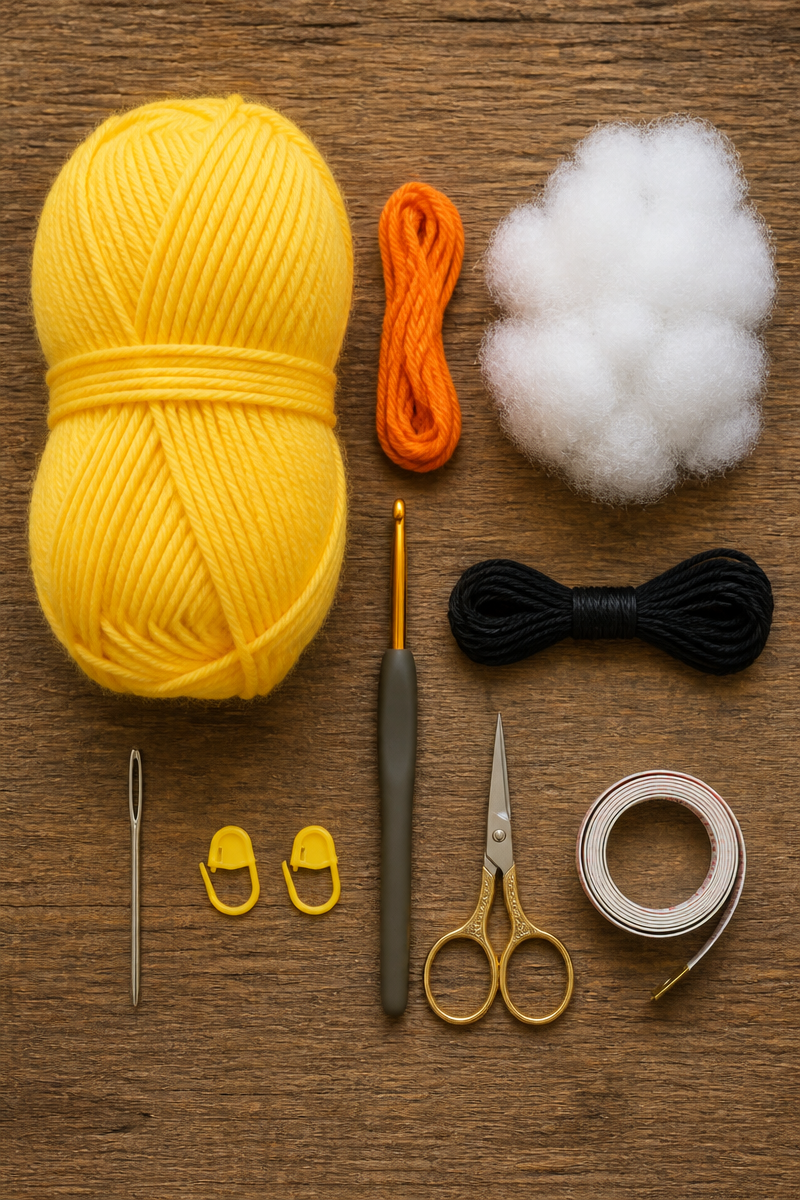
First, use a stitch marker to mark the start of each round. Because amigurumi is often worked in a spiral, it can be easy to lose your place. Count stitches regularly, especially after increases and decreases, so the body stays balanced. Also, keep your tension steady. A firm fabric helps conceal the stuffing, but pulling too tightly can make your hands tired.
Next, add stuffing in small amounts instead of pushing in one large clump. Spread it gently so the body looks smooth and feels evenly filled. Before closing the final opening, check the shape from all sides. For a baby’s toy, embroider facial features securely and avoid small parts that could detach. Finally, take breaks when needed. A relaxed pace often leads to neater stitches and a more enjoyable project.
Common Mistakes to Avoid
Loose stitches can leave visible gaps once you add stuffing. If you notice gaps, try a smaller hook and check your tension. However, avoid tightening each stitch so much that the hook becomes hard to move.
Miscounting rounds can change the duckling’s shape. For example, missing an increase may make the body look lopsided, while adding an extra stitch can create an unwanted bump. So, use a marker and recount after shaping rounds.
Too much stuffing can stretch the crochet fabric and make stitches look uneven. Too little can leave the toy limp or misshapen. Instead, add small amounts at a time, then smooth and check the body before you close it.
Small attached details need special care. A loose beak, wing, or eye may come off during use, which is especially concerning for a baby. Sew parts firmly, weave in yarn ends securely, and choose embroidered facial features rather than detachable pieces.
Care and Washing Instructions
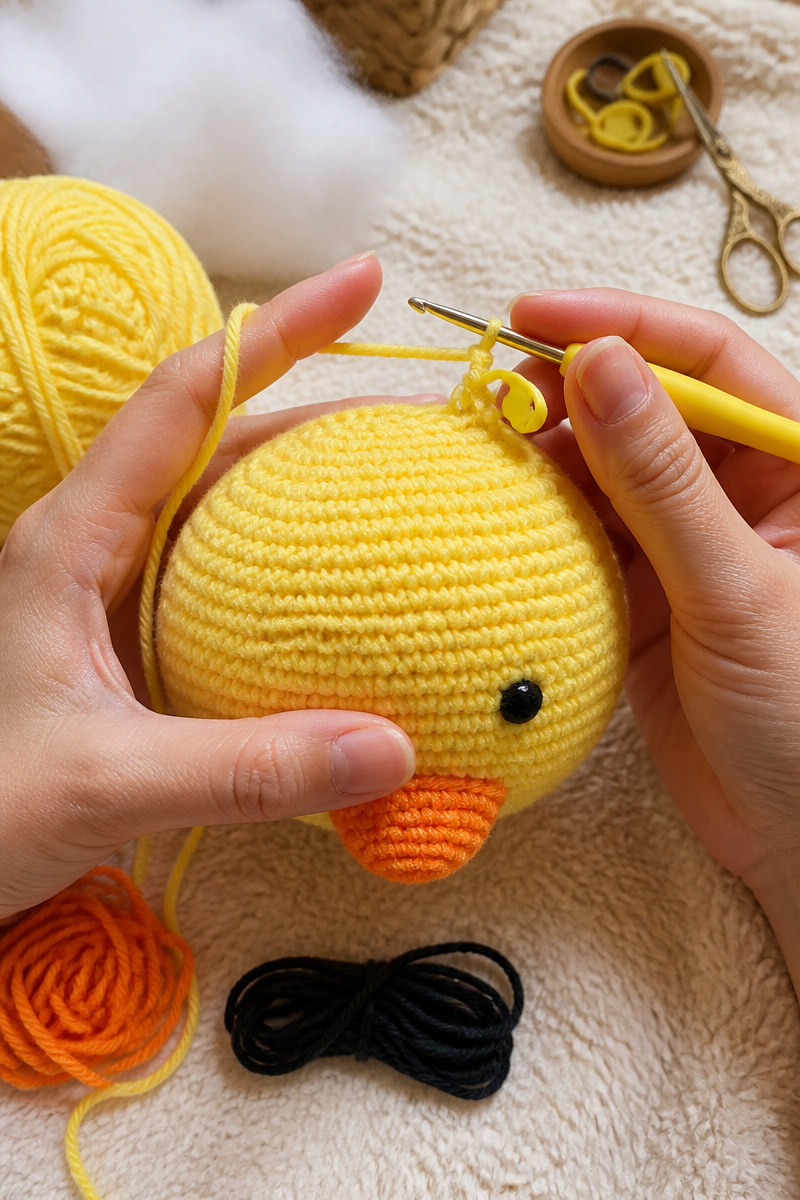
Washing: Check the yarn label first. Many acrylic yarns can be machine washed on a gentle cycle, while some cotton and specialty fibers may need hand washing. For a baby’s toy, use mild detergent and follow the care directions for every yarn used.
Drying: Gently press out extra water with a towel, but do not wring the toy. Then, reshape it and let it air-dry fully. Lay it flat when possible, and make sure the stuffing is dry inside before returning the toy to a baby.
Blocking: A stuffed amigurumi duckling usually does not need traditional blocking. Instead, shape the toy by hand after adding the stuffing. You can lightly adjust its body and features before the yarn dries, but avoid stretching the fabric.
More Ideas to Try
After your duckling, you might enjoy making a crochet chick, a small amigurumi bunny, or a simple stuffed bear. You could also explore crocheted wings and beaks in different shapes, or try a striped duckling with a contrasting belly. These projects use many of the same shaping skills, so each one can help build your confidence.
Conclusion
A crochet duckling baby stuffed toy brings together simple stitches, rounded shaping, and thoughtful finishing. Amigurumi is a friendly technique to learn, and careful stitch counting, even stuffing, and secure details can make a big difference. Most of all, keep baby safety in mind when choosing materials and features.
Choose a soft yarn, gather your supplies, and give your duckling a try. When you finish, share your colors and design ideas, or explore more amigurumi guides on the blog for your next handmade project.