Crochet Cozy Cabin Baby Nursery Rug
Affiliate disclosure: This post may contain affiliate links. I may earn a small commission at no extra cost to you. See our Privacy Policy for details HERE.
A cozy cabin-inspired nursery rug can make a baby’s room feel warm and welcoming. I love how crochet brings color and texture into a space while letting you choose a size and style that suit your home. Still, a rug for a nursery needs more than a pretty look: it should be sturdy, easy to care for, and used with safety in mind.
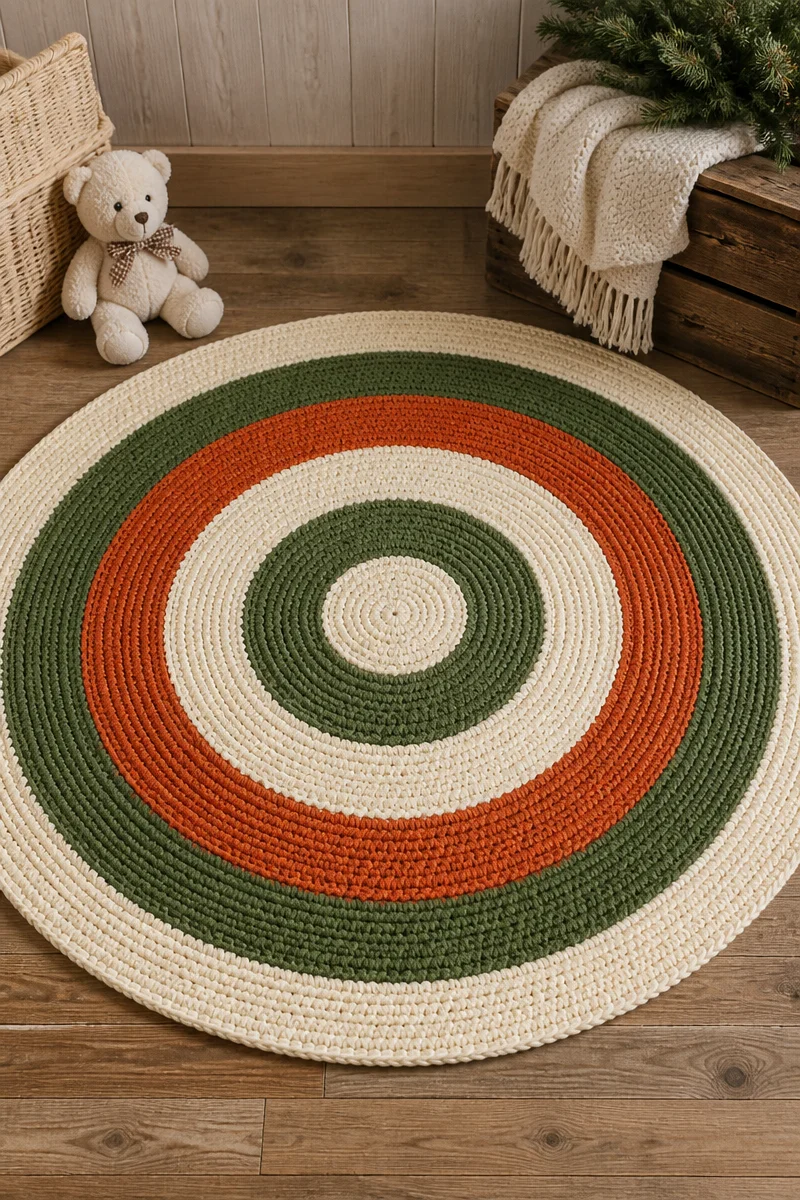
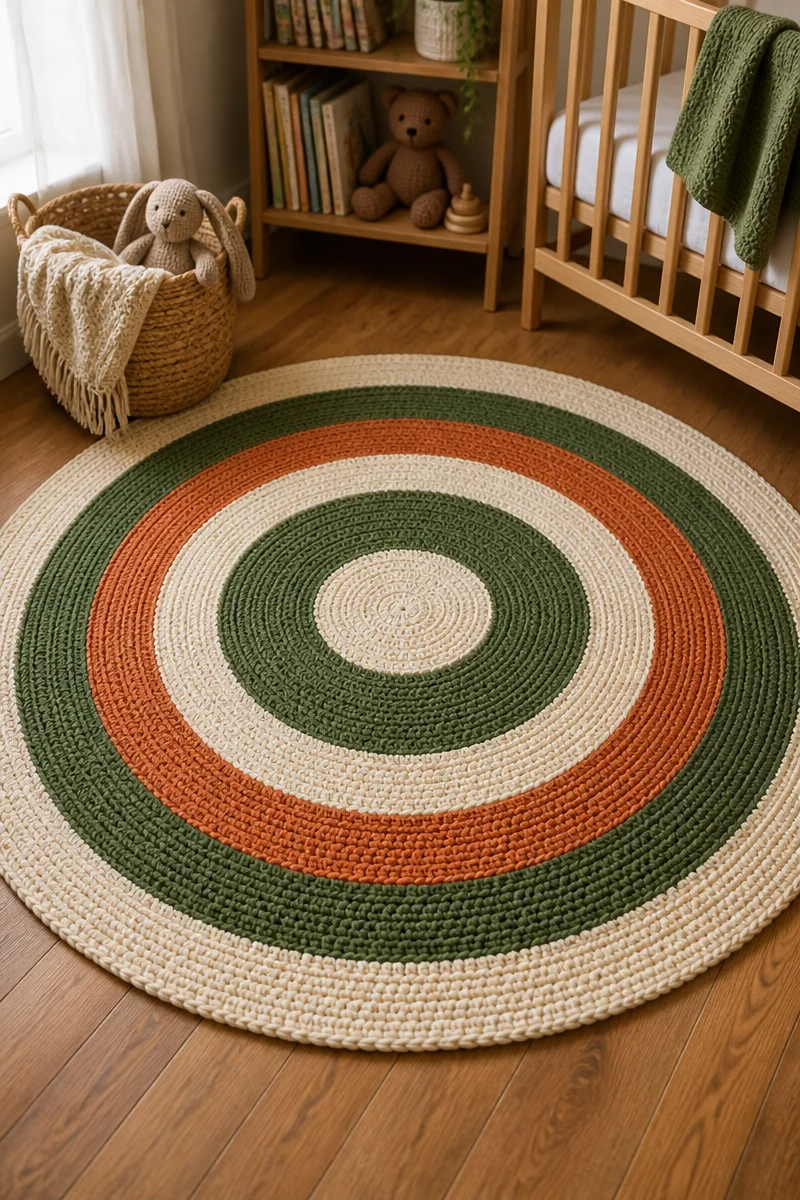
The Crochet Cozy Cabin Baby Nursery Rug is a project style, not a single named stitch or fixed pattern. It often combines simple, dense crochet stitches with cabin-inspired colors, such as cream, brown, forest green, or muted red. The result can look like a small woven blanket for the floor. Basic stitches make it approachable for many crocheters, though a large rug takes patience and can use plenty of yarn.
In this guide, you’ll learn about the stitch choices that work well for this kind of rug, how to choose yarn and a hook, and how to keep your rows even. You’ll also find practical care advice and common mistakes to watch for. Because this is a nursery rug, we’ll cover safe placement and use, too.
What Is the Crochet Cozy Cabin Baby Nursery Rug Stitch?
There is no one stitch called the Crochet Cozy Cabin Baby Nursery Rug stitch. Instead, this rug style usually uses a dense stitch pattern, such as single crochet, half double crochet, or waistcoat stitch. These stitches create a firm fabric that can stand up to regular use better than a loose, open lace pattern.
For single crochet, you work one short stitch into each stitch across the row. Half double crochet uses a yarn-over before you draw through the loops, so it makes a slightly taller fabric. The waistcoat stitch is a variation of single crochet worked into the center of the stitch below. It can create a knit-like look, but it takes practice and needs careful stitch placement.
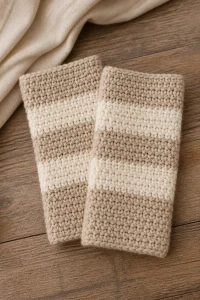
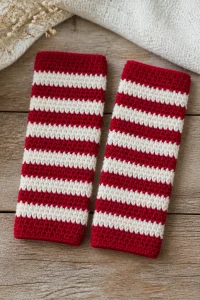
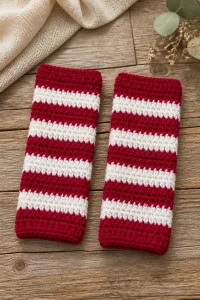
Crocheters like dense stitches because they give a rug a solid, textured surface. Also, you can use stripes, blocks, or simple color changes to create a cabin-inspired look without needing complicated motifs. Choose a stitch you can work comfortably, then make a small swatch to see how the fabric feels and how much it stretches.
Why This Is a Great Choice for a Baby Nursery Rug
- A firm fabric suits floor use: Single crochet and similar stitches create fewer gaps than open patterns. Even so, choose a yarn made for frequent use.
- Simple stitches are easy to learn: Beginners can practice with single crochet or half double crochet before starting a larger rug.
- Color changes can set a cozy mood: Cream, brown, green, and red can suggest a cabin look, while softer shades can fit a calm nursery.
- The design is easy to adjust: You can change the width, length, stripes, or border to fit the space.
- A handmade rug can add warmth: It gives the nursery a personal touch. However, do not place it where it could become a trip hazard or interfere with baby care.
Yarn and Hook Recommendations
- Choose a sturdy yarn: Look for yarn that can handle frequent use and cleaning. Check the label for care details and make a swatch to assess its feel.
- Consider cotton or a cotton blend: These fibers can make a firm fabric and are often washable. However, cotton may feel heavy in a large rug, so check the finished swatch before committing.
- Use acrylic only if it suits your care needs: Some acrylic yarns are machine washable, but they vary in softness, grip, and durability. Read the label rather than assuming all acrylic behaves the same.
- Skip delicate or fuzzy fibers: Mohair, very fluffy yarn, and fragile fibers can be harder to clean and may shed. A smooth yarn also makes it easier to see your stitches.
- Match the hook to the yarn and your tension: The yarn label gives a starting size. A smaller hook may make a firmer rug, but going too small can make the work stiff and hard on your hands.
- Check the rug’s grip and placement: Crochet fabric can slide on smooth floors. Use a suitable non-slip rug pad, keep the rug away from walkways, and never place it in a crib or sleep space.
Tips for Crochet Cozy Cabin Baby Nursery Rug Success
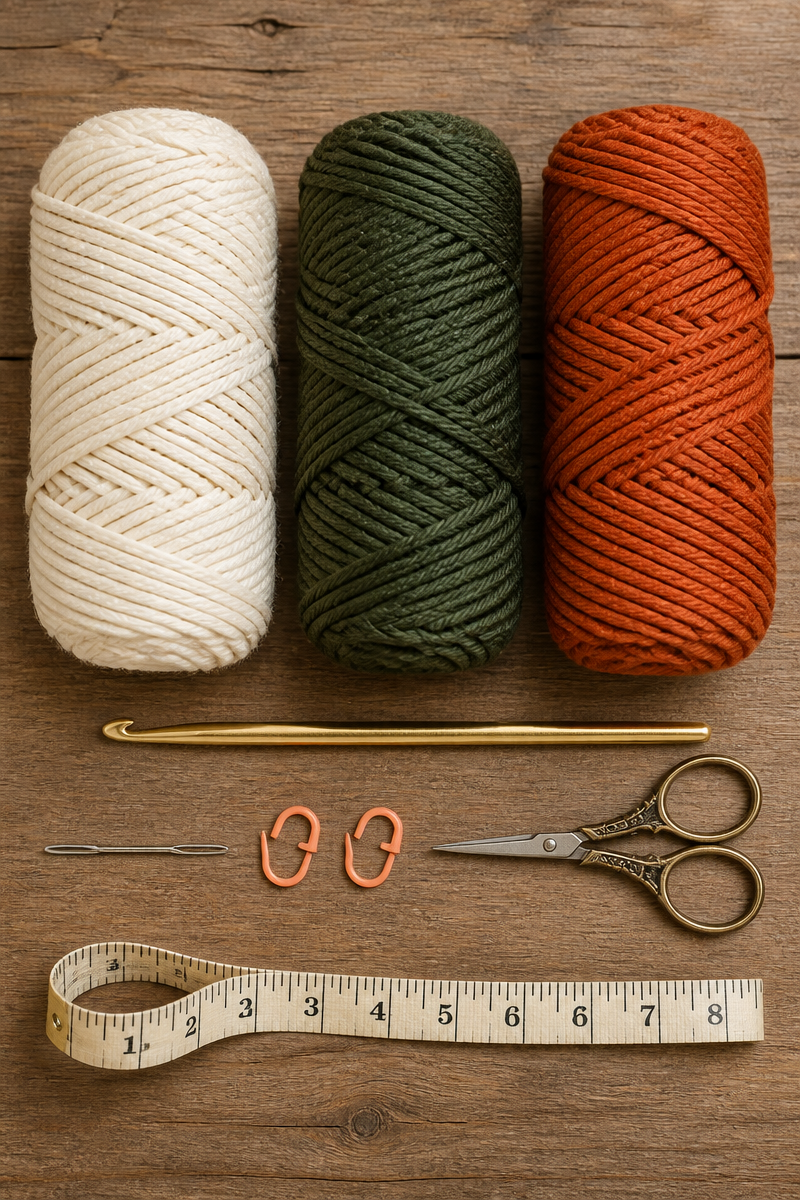
Start with a small swatch in your chosen stitch and yarn. This helps you check the texture, firmness, and finished width before you make a full rug. Then count your stitches at the end of each row, especially after color changes. A stitch marker at each edge can help you spot the first and last stitch.
Next, keep your tension relaxed and steady. A tight grip can make a rug stiff and tiring to crochet, while loose tension can leave the fabric uneven. Take breaks, and turn your work the same way each time if your chosen pattern calls for it. If you follow a pattern, check its stitch counts and turning-chain notes rather than assuming every turning chain counts as a stitch.
Common Mistakes to Avoid
One common problem is changing tension as you work. If your hands become tired, later rows may look tighter or looser than the first ones. Take a short break, then compare the new row with the earlier fabric before continuing.
It is also easy to add or lose stitches at the row edges. This can make the rug grow wider or narrower over time. Count your stitches regularly, and place a marker in the first or last stitch when you need a clear guide.
A rug may curl or ripple if the stitch count, hook size, or tension is uneven. First, check your row count and make sure you are working into the correct stitches. Then review your yarn and hook choice. A large, dense piece may need gentle blocking, but blocking cannot fix a major stitch-count problem.
Finally, do not choose yarn based on color alone. A very delicate, fuzzy, or difficult-to-wash yarn may not suit a rug that will collect dust and need regular care. Also, avoid placing a handmade rug on a slick floor without a suitable rug pad. Keep it out of high-traffic areas where someone could catch a foot on the edge.
Care and Washing Instructions
Washing: Follow the yarn label first. If the yarn allows machine washing, use the recommended cycle and a gentle detergent. For a hand-wash yarn, use cool or lukewarm water and handle the rug gently. Because a larger rug can become heavy when wet, check that your washing machine can safely hold its size and weight.
Drying: Support the rug while it is wet so it does not stretch. If the yarn label allows, tumble-dry only as directed. Otherwise, lay the rug flat on clean towels or a drying rack, reshape it, and let it dry fully before returning it to the nursery.
Blocking: Light blocking can help smooth the edges and even out the shape. However, use a method that suits the fiber, and test it on your swatch first. Blocking does not replace a non-slip rug pad or make a rug safe for every floor.
More Ideas to Try
If you enjoy making a Crochet Cozy Cabin Baby Nursery Rug, try a striped single crochet mat, a half double crochet cushion cover, a simple granny-square blanket, or a textured basket for nursery supplies. You could also keep the cabin color palette and change the stitch to make a matching wall hanging or small pillow.
Conclusion
A Crochet Cozy Cabin Baby Nursery Rug can bring handmade color and texture to a nursery. Choose a sturdy, easy-care yarn, work a dense stitch you enjoy, and check your tension and stitch count as you go. Most importantly, place the rug thoughtfully, use a suitable non-slip pad, and keep it away from the baby’s sleep space.
Try a small swatch and see which stitch and colors feel right for your room. When your project is ready, share your finished rug and the choices you made, or explore another crochet guide on the blog for your next cozy creation.