Crochet Candy Cane Baby Bandana Bib

Affiliate disclosure: This post may contain affiliate links. I may earn a small commission at no extra cost to you. See our Privacy Policy for details HERE.
A Crochet Candy Cane Baby Bandana Bib is a sweet way to add handmade cheer to a baby’s outfit. I love this project because it can be both festive and useful: the bandana shape frames a little outfit, while the soft crochet fabric helps catch everyday drips and drool.
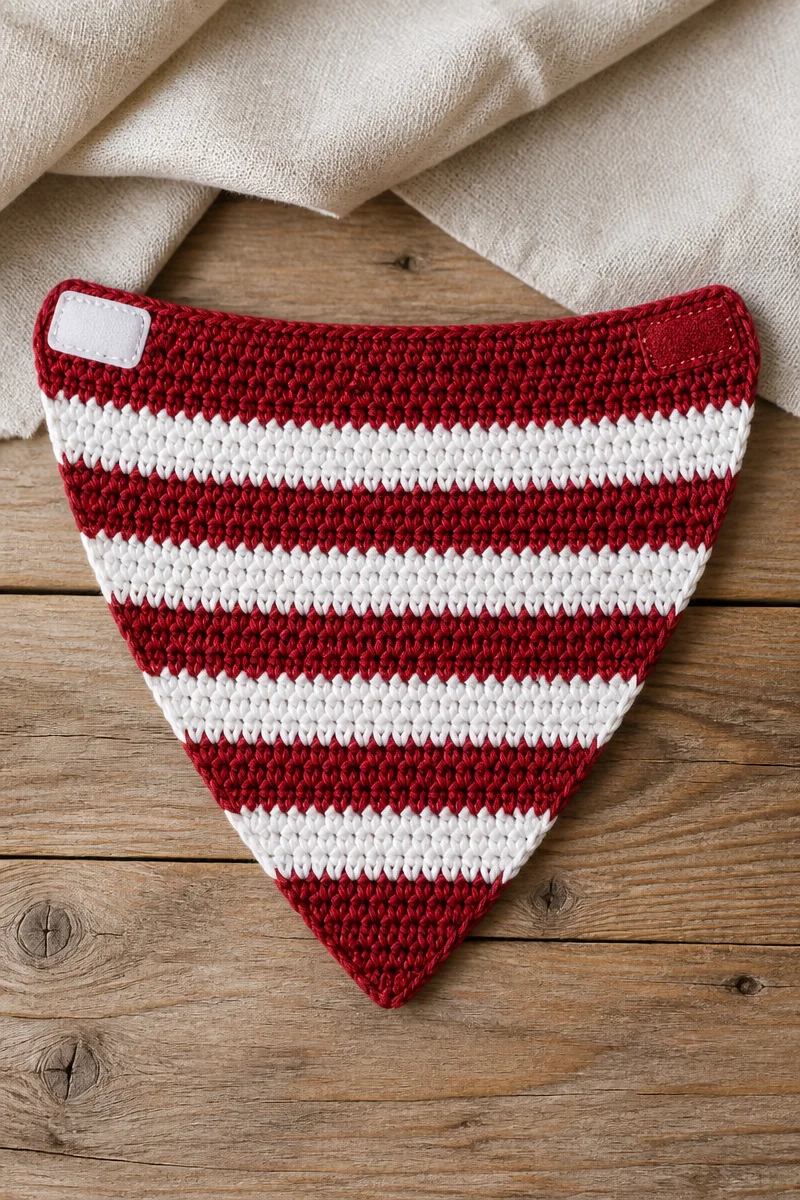
What makes a Crochet Candy Cane Baby Bandana Bib special is its pointed bandana shape and candy-cane-inspired colorwork, often made with red and white stripes. The design is usually worked in simple stitches, so it can suit newer crocheters as well as experienced makers. The finished bib is a small, personal gift for a holiday visit, a baby shower, or daily wear.
In this guide, you’ll learn what defines this crochet project, how to choose yarn and a hook, and how to get neat, even results. You’ll also find practical care tips and common mistakes to avoid. Since babies have sensitive skin and explore with their mouths, safe materials and secure finishing matter just as much as a charming look.
What Is the Candy Cane Colorwork Technique?
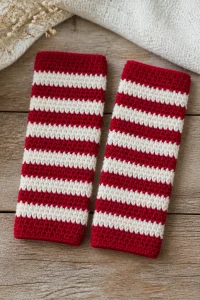
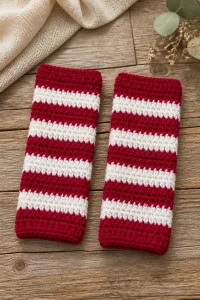
The candy cane colorwork technique uses two or more yarn colors to create stripes or a spiral-like pattern that recalls the familiar red-and-white holiday candy. For a Crochet Candy Cane Baby Bandana Bib, the stripes may run across the fabric, follow its edges, or appear in a central section.
The color effect comes from changing yarn colors as the crochet fabric grows. A maker may work a few rows in one color, then switch to the next, or alternate colors more often for narrower stripes. Simple stitches, such as single crochet or half double crochet, can make the color changes stand out clearly. As a result, the look feels festive without requiring a complicated stitch pattern.
Why This Is a Great Choice for Baby Bandana Bibs
- Small and satisfying: A bib is a compact project, so it can be a nice choice when you want a quick handmade gift.
- Easy to personalize: Red and white suggest candy canes, but you can choose other colors to match a baby’s clothes or a special occasion.
- Simple stitches can work well: Basic crochet stitches help keep the fabric approachable for beginners.
- The bandana shape looks polished: The pointed front gives the bib a tidy, scarf-like look that stands out from a basic rectangle.
- Useful for everyday messes: A well-made bib can catch light drips and drool, though it should not replace safe feeding practices or adult supervision.
Yarn and Hook Recommendations
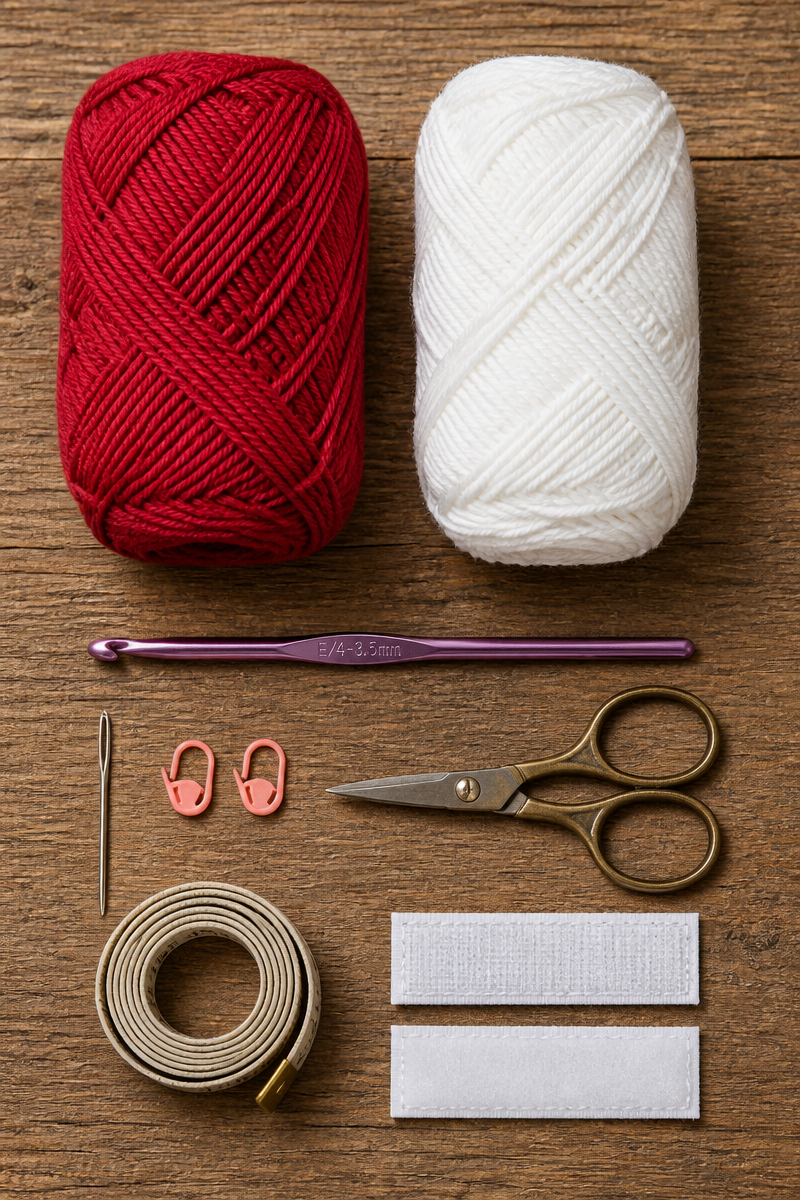
- Choose a soft, washable yarn: Cotton or a cotton blend is often practical because it feels comfortable and is easy to launder. Check the yarn label before buying.
- Consider worsted or light-worsted yarn: These weights can make a bib with useful coverage without becoming too bulky. Still, follow the designer’s guidance if you are using a specific pattern.
- Look for smooth fibers: Smooth yarn makes stitches easier to see and color changes easier to manage. It can also help produce a neat finish.
- Use a hook that suits your yarn: The yarn label offers a starting size. A smaller hook can make firmer fabric, while a larger hook can create a softer, more open texture.
- Make a small swatch first: A swatch lets you check the fabric’s feel and drape before you commit. If it feels stiff, try a larger hook; if it looks too loose, try a smaller one.
- Skip scratchy or delicate yarns: Baby items need comfortable, practical fibers. Also, avoid yarn that sheds easily or requires special care that may not suit frequent washing.
Tips for Candy Cane Colorwork Success
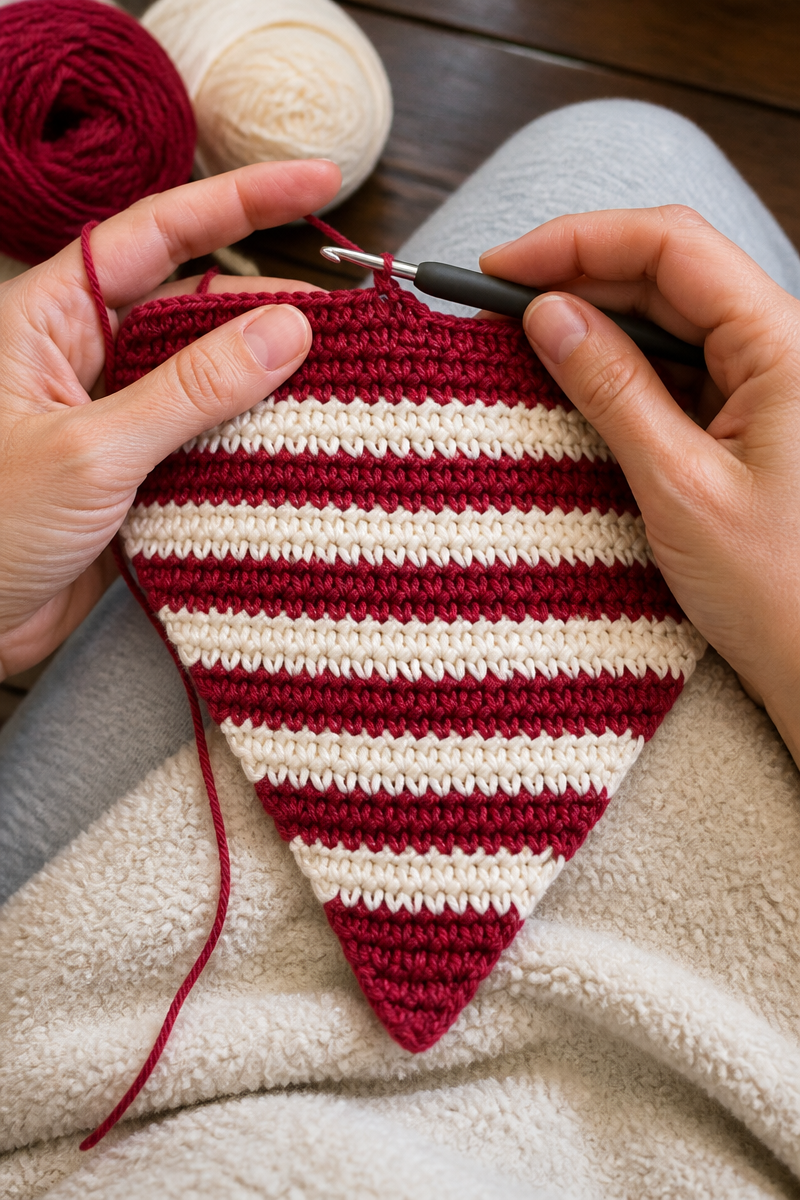
First, keep your tension steady as you change colors. If you pull the new strand too tightly, the fabric may pucker. If you leave it too loose, small gaps can appear. Therefore, pause after each change and check that the stitches lie flat. A stitch marker can also help you keep track of the center point or row edges as the bandana widens.
Next, count your stitches at the end of each row, especially when the pattern adds stitches to create the triangular shape. Read the pattern before starting so you know where color changes and increases belong. Meanwhile, take breaks if your hands feel tired. A calm pace often leads to more even stitches and a cleaner finish.
Common Mistakes to Avoid
One common issue is uneven tension between colors. A tighter strand can draw the fabric inward, while a looser strand can leave gaps. Keep both yarns relaxed, and check the bib’s shape as you work.
It’s also easy to miss an increase or lose track of a row count. Since the bandana shape depends on the fabric growing evenly, count each row and mark important stitches when the pattern suggests it. If the edges start to lean, stop and check your stitch placement before continuing.
Choosing yarn only for its color can cause problems, too. A beautiful yarn may feel rough, stretch too much, or need a wash method that is not practical for a baby bib. Instead, check the fiber, care label, and texture before you begin.
Finally, take extra care with ties and fasteners. Loose buttons, beads, or other small decorations may create a choking risk. Keep the design simple, secure all yarn ends, and use closures only when they are suitable for a baby item and attached firmly.
Care and Washing Instructions
Washing: Follow the yarn label first. Many cotton and cotton-blend bibs can be washed with mild detergent, but the exact method depends on the fiber. For a handmade baby item, wash it before first use and check it regularly for wear or loose ends.
Drying: Gently reshape the bib after washing, then lay it flat to dry when the yarn label allows. Avoid high heat unless the care instructions say it is safe, as heat can shrink or distort some fibers.
Blocking: Light blocking can help even out the bandana edges and settle the fabric after washing. However, blocking is not always needed for a small bib. Use a method that suits the yarn, and avoid stretching the fabric out of shape.
More Ideas to Try
If you enjoy the Crochet Candy Cane Baby Bandana Bib, try a striped baby washcloth, a simple granny stitch bandana, or a two-color scarf made with alternating rows. You might also explore textured stitches, such as moss stitch, or make a bib in soft seasonal colors for a different look.
Conclusion
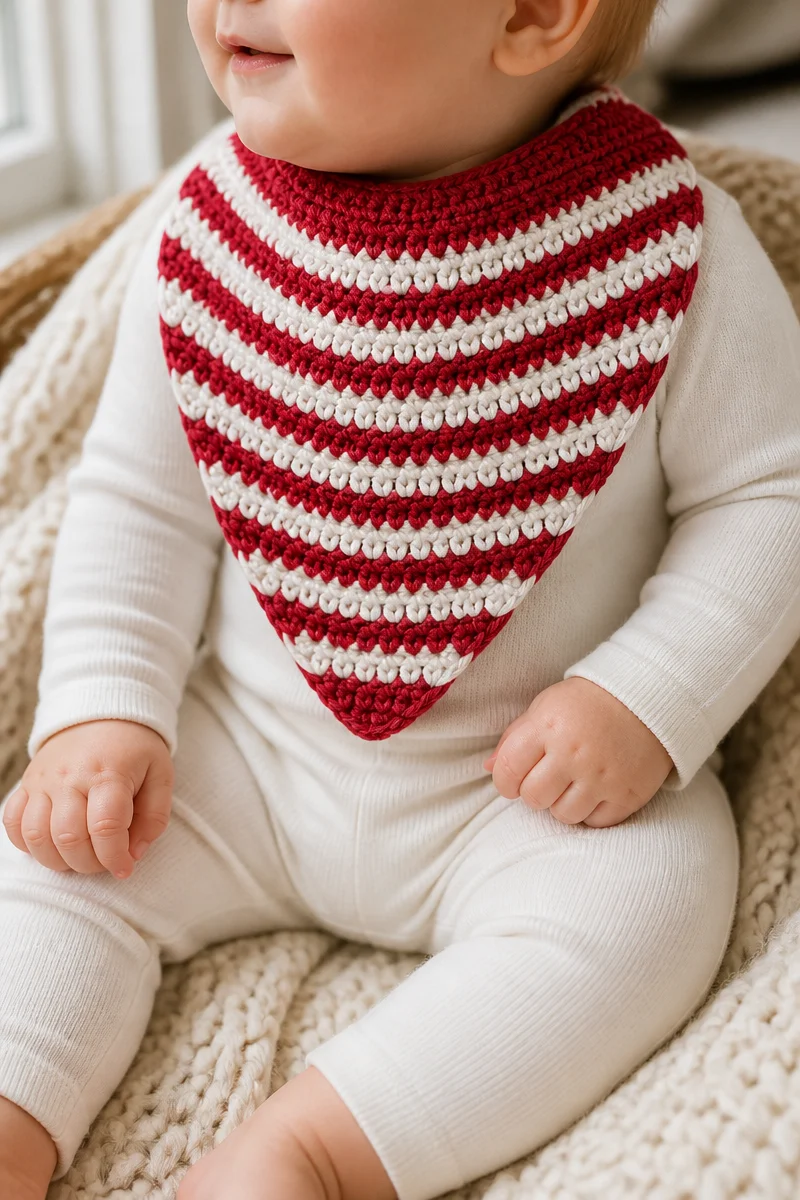
A Crochet Candy Cane Baby Bandana Bib combines a useful shape with cheerful colorwork. For the best results, choose a soft, washable yarn, keep your tension even, count carefully, and finish the bib securely. Then, wash and check it before use, and follow safe practices whenever a baby wears it.
Ready to make one? Choose your yarn colors and give the candy cane stripes a try. Then share your finished bib with fellow crocheters or explore more baby crochet guides on the blog.