Crochet Amaranth Flower Cowl Neck Warmer
Affiliate disclosure: This post may contain affiliate links. I may earn a small commission at no extra cost to you. See our Privacy Policy for details HERE.
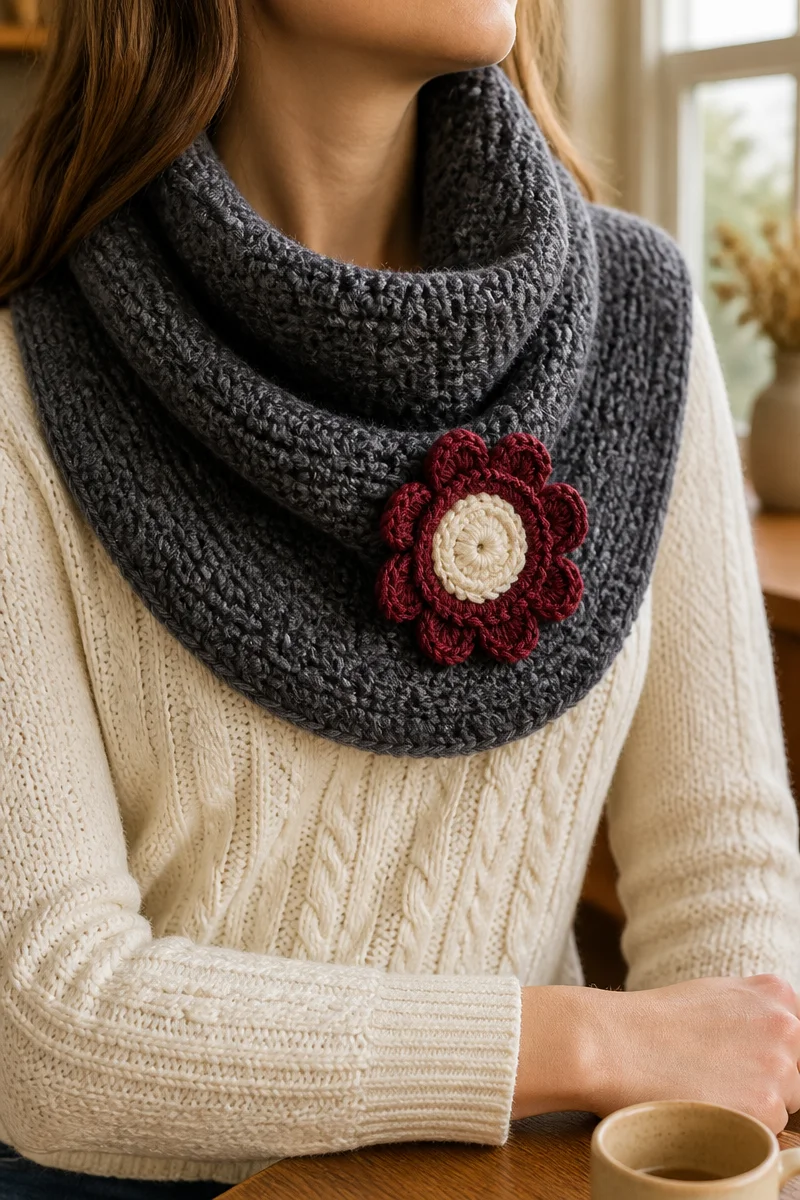
A crocheted cowl can be both a cozy layer and a small piece of wearable art. I especially like the Crochet Amaranth Flower Cowl Neck Warmer because its floral texture adds charm without making the finished accessory feel fussy.
The amaranth flower look is built from raised crochet shapes that stand out from the surrounding fabric. As a result, the cowl has depth and a soft, tactile finish. Depending on the pattern and yarn, it can suit a confident beginner who is ready to practice textured stitches or an experienced crocheter looking for a satisfying project.
In this guide, you’ll learn what creates the amaranth flower effect, why it works well for a cowl, and how to choose yarn and a hook. You’ll also find practical tips, care advice, and common mistakes to watch for as you make your Crochet Amaranth Flower Cowl Neck Warmer.
What Is the Amaranth Flower Stitch?
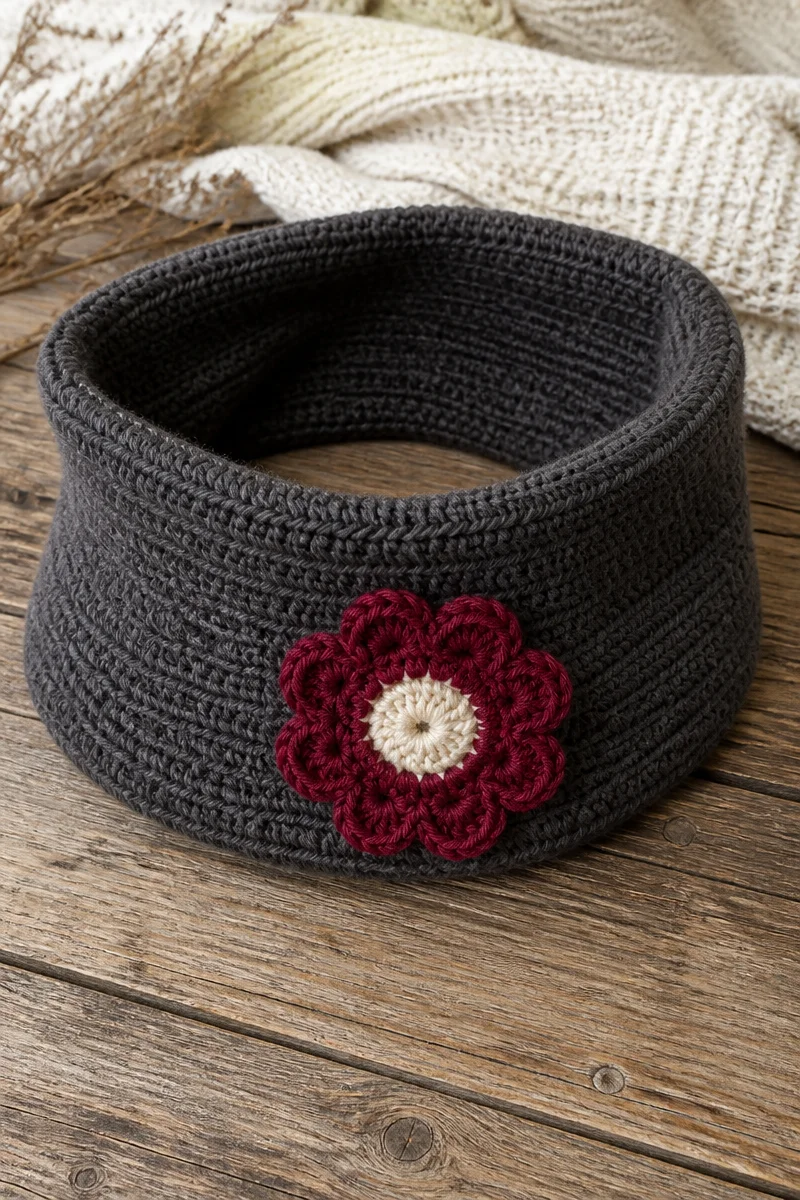
The amaranth flower stitch is a decorative crochet texture that forms small, raised flower-like clusters across the fabric. Patterns may use different stitch combinations to create the effect, so always check the designer’s stitch key. In general, the flower shapes are worked in groups and stand above a flatter background.
This texture gives a cowl a lively, dimensional look. The raised motifs catch the light and feel pleasant to touch, while the spaces between them help the fabric remain flexible. Crocheters often enjoy this stitch because it turns simple yarn into a richly patterned fabric without needing color changes.
Why This Is a Great Choice for Cowls
- It adds visual interest: The flower-like texture gives a simple neck warmer a special, finished look.
- It feels cozy: Raised stitches create a soft, warm surface around the neck.
- It works well in a small project: A cowl offers room to practice the motif without committing to a large blanket.
- It can be customized: Change the yarn color, cowl width, or length to suit your style and comfort.
- It makes a thoughtful handmade gift: A textured neck warmer feels personal and useful during cool weather.
Yarn and Hook Recommendations
- Worsted-weight yarn: This is a practical choice for a warm cowl with clear, easy-to-see stitches.
- Bulky yarn: Choose it when you want a thicker neck warmer that works up more quickly. Check that the finished fabric does not feel too stiff.
- Soft wool or a wool blend: These fibers offer warmth and often show raised stitches well. A blend may be easier to care for than pure wool.
- Acrylic yarn: Acrylic is widely available, comes in many colors, and is often machine washable. Check the yarn label before washing.
- Cotton or cotton blends: These can make a lighter cowl, though they may feel less warm and have less bounce than wool.
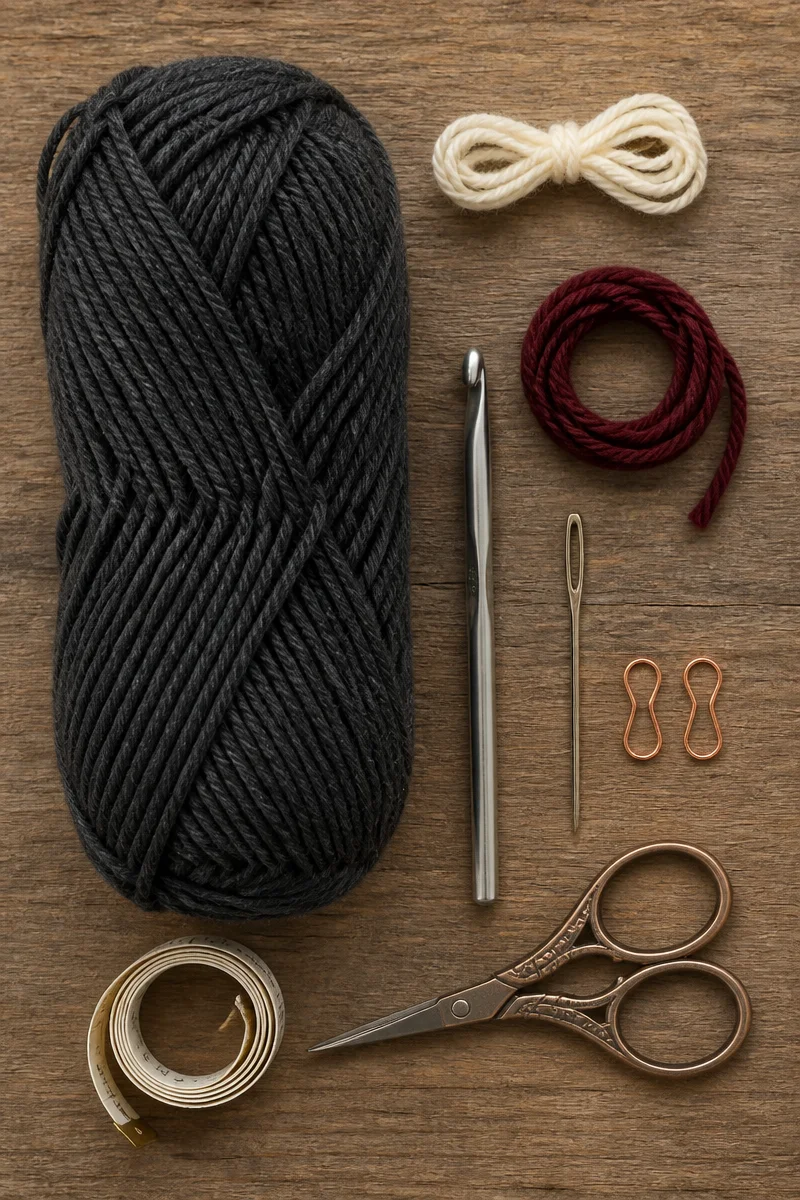
- A hook that suits your yarn and pattern: Start with the hook size suggested by the yarn label or pattern. Then make a small swatch, since textured crochet may need a slightly different hook to create a comfortable fabric.
Tips for Amaranth Flower Stitch Success
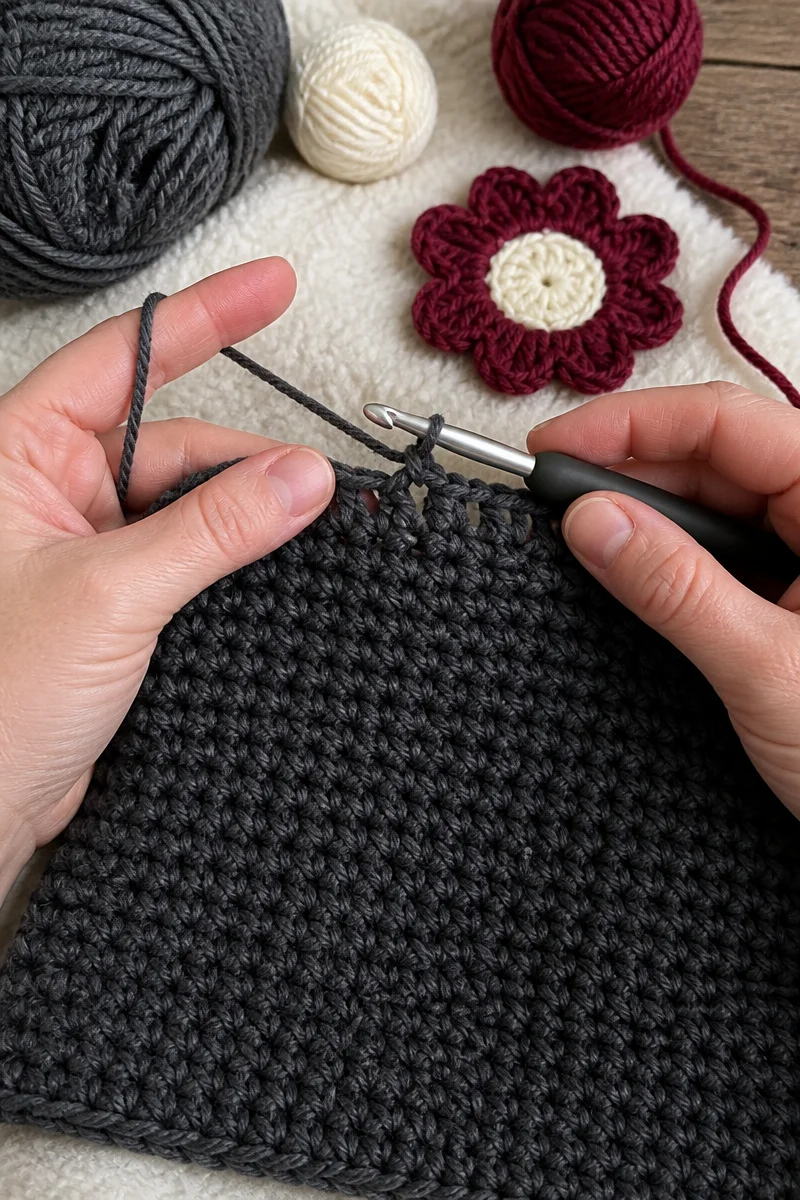
First, make a small swatch before starting your Crochet Amaranth Flower Cowl Neck Warmer. This lets you check the stitch pattern, fabric drape, and finished width. It also gives you a chance to see whether your chosen yarn makes the flower shapes stand out clearly.
Next, read the pattern instructions before you begin each repeat. Mark the start of a round or row, and count your stitches regularly. Because raised clusters can make the fabric harder to inspect, use good lighting and pause when you need to. Above all, keep your tension relaxed and even. A little patience helps the motifs look neat and keeps the cowl comfortable to wear.
Common Mistakes to Avoid
One common problem is working too tightly. Dense stitches can flatten the flower texture and make the cowl stiff. If your swatch feels firm or hard to bend, try a larger hook or loosen your tension slightly.
It is also easy to lose count around textured clusters. As a result, a motif may shift or the cowl may become wider on one side. Use stitch markers to mark repeat points, and count after each row or round rather than waiting until the end.
Another pitfall is choosing a yarn that hides the stitch detail. Very fuzzy or highly textured yarn can blur the flower shapes. Instead, try a smooth yarn in a solid or lightly shaded color, especially if this is your first time making the stitch.
Finally, check the cowl’s size as you work. A neck warmer that is too narrow may feel tight, while one that is too wide may not stay in place. If you are following a pattern, use its measurements as your guide and consider how you plan to wear the finished piece.
Care and Washing Instructions
Washing: Follow the care label on your yarn. Many acrylic and superwash wool yarns can be washed in cool water on a gentle cycle, while some wool and delicate fibers need hand washing. When in doubt, hand wash gently with mild detergent.
Drying: Press out extra water in a towel, but do not wring or twist the cowl. Then lay it flat on a clean, dry surface and shape it gently. This helps protect the raised flower motifs.
Blocking: Light blocking can even out the edges and help the cowl sit neatly. However, avoid stretching the fabric too much, since strong stretching may flatten the textured stitches. Always check the yarn’s care instructions before applying heat or steam.
More Ideas to Try
If you enjoy the amaranth flower stitch, you might also like a bobble-stitch cowl, a puff-stitch scarf, a simple flower-motif headband, or a textured ear warmer. These projects offer more ways to explore raised crochet stitches while making useful accessories for cooler days.
Conclusion
The Crochet Amaranth Flower Cowl Neck Warmer pairs cozy coverage with a raised, flower-inspired texture. Choose yarn that lets the motifs show, check your tension with a swatch, and count carefully as you work. With a little patience, you can create a comfortable accessory that feels as lovely as it looks. Try the technique, share how your cowl turns out, or explore more textured crochet guides on the blog.