Crochet Lobelia Flower Coaster Set

Affiliate disclosure: This post may contain affiliate links. I may earn a small commission at no extra cost to you. See our Privacy Policy for details HERE.
A flower-shaped coaster adds a cheerful touch to a coffee table, and the Crochet Lobelia Flower Coaster Set is especially lovely because it brings garden-inspired color into an everyday project. I enjoy floral coasters because they are small, useful, and easy to customize for a favorite room or season.
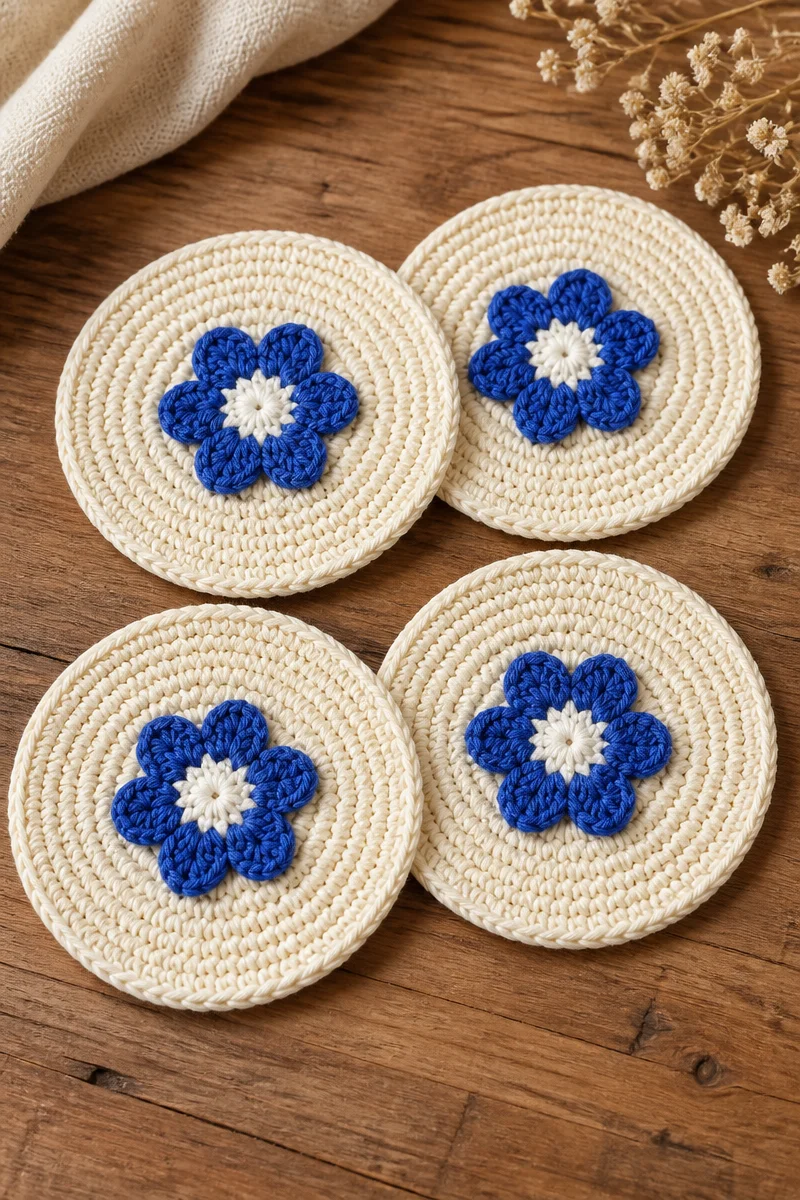
The Crochet Lobelia Flower Coaster Set uses crochet stitches arranged in a flower shape, often with petal-like edges and a flatter center. The finished coasters have a pretty, textured look and a practical purpose: they help protect tables from cups and light moisture. With a clear pattern and a little practice, this project can suit confident beginners as well as experienced crocheters.
In this guide, you will learn how the floral construction works, which yarn and hook choices make sense, and how to keep your coasters even. You will also find helpful tips for avoiding common problems and caring for your finished Crochet Lobelia Flower Coaster Set.
What Is the Lobelia Flower Coaster Technique?
The Lobelia flower coaster technique is a way of crocheting a flat, flower-shaped motif that can hold a cup or glass. It is not one single standard stitch. Instead, the design combines familiar stitches, such as chain stitches, slip stitches, single crochet, and taller stitches, to create a center and a ring of petals.
Typically, the crocheter works from the middle outward. Stitches in the center form a compact base, while increases add width as the motif grows. Then, grouped stitches or chain spaces shape the petals around the edge. As a result, the coaster looks like a small flower and lies flat when the stitch count and tension are balanced.
Crocheters enjoy this technique because it turns a simple household item into a decorative accent. In addition, each coaster works up relatively quickly, so it is satisfying to make a matching set or experiment with different colors.
Why This Is a Great Choice for a Flower Coaster Set
- It has a useful shape: The rounded center provides a place for a cup, while the petals add a pretty border.
- It makes a quick project: Each coaster is small, so you can often finish one in a short crafting session.
- It invites color play: Try one shade for a soft look, or use contrasting colors for the center and petals.
- It suits handmade gifts: A coordinated set makes a thoughtful housewarming, birthday, or holiday present.
- It helps build crochet skills: The project offers practice with working in the round, counting stitches, and shaping edges.
Yarn and Hook Recommendations
- Worsted-weight cotton yarn: Cotton is a popular choice because it absorbs small amounts of moisture and holds its shape well.
- Sport- or DK-weight cotton: These lighter yarns make a finer coaster, though you may need extra rounds to reach your preferred size.
- Cotton blends: A cotton and acrylic blend can feel soft and offer easy-care options. Check the yarn label before washing.
- A hook suited to your yarn: Start with the hook size suggested on the yarn label, then adjust if your stitches look too loose or too tight.
- A slightly smaller hook, if needed: A smaller hook can create a firm fabric that supports a cup. However, avoid going so small that the stitches become hard to work.
- Smooth, light-colored yarn: Smooth yarn makes it easier to see each stitch, which is helpful when shaping petals or counting rounds.
Tips for Lobelia Flower Coaster Success
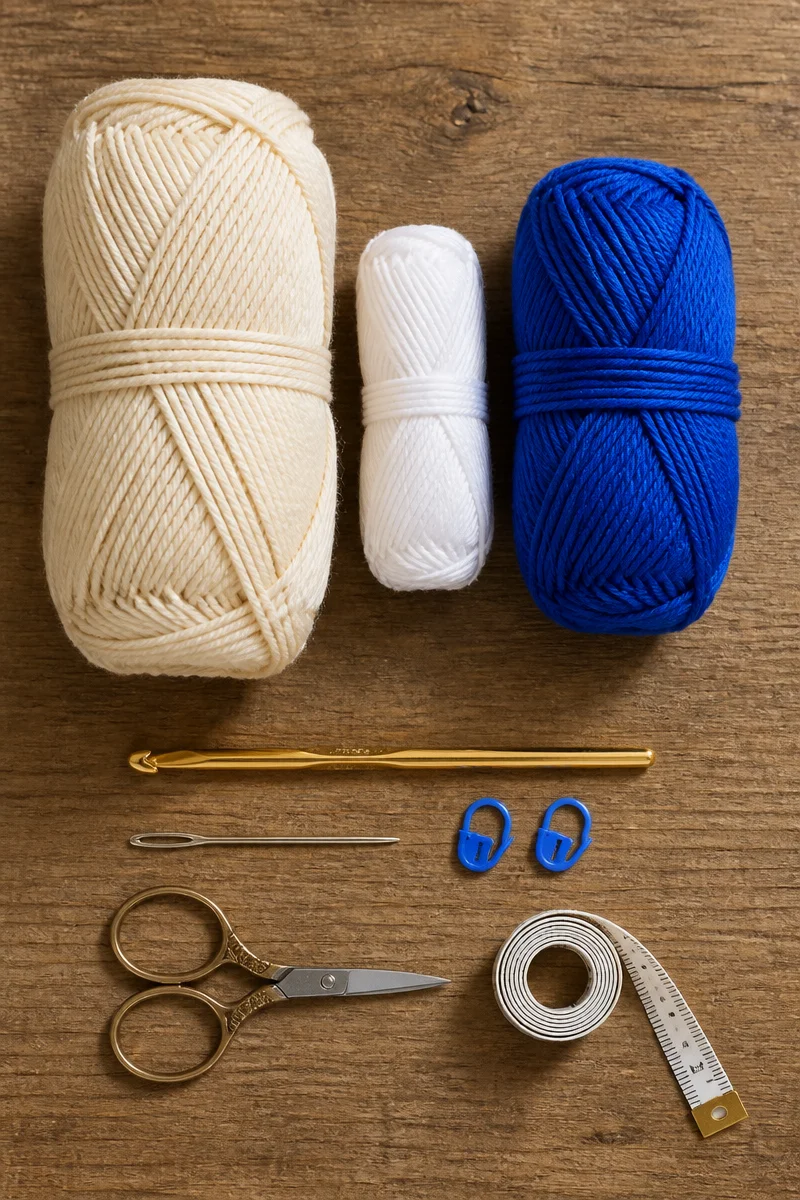
First, keep your tension steady. A coaster should feel firm enough to support a cup, but not so tight that the fabric puckers. Also, count stitches at the end of each round, especially where the pattern calls for increases or petal groups. If you use a stitch marker at the start of a round, it is easier to see where the round begins.
Next, check the coaster as you go. Lay it on a flat surface after a few rounds. If the center cups upward, the design may need more increases. If the edge ripples, it may have too many stitches or your tension may be loose. Finally, take breaks and work at a comfortable pace. Small projects are enjoyable, but relaxed hands help keep your stitches even.
Common Mistakes to Avoid
One common problem is uneven tension. If some stitches are tight and others are loose, the flower may twist or look lopsided. Therefore, pause now and then to check the shape, and try to keep your working yarn moving smoothly.
Another pitfall is losing track of the round. When a pattern uses repeated petal groups, missing or adding a stitch can change the flower’s shape. Use a stitch marker and count each round before moving on. Also, read the full round before you begin so you know where the repeats start and end.
A coaster that curls or ruffles may need a closer look. Curling can happen when the design does not have enough increases, while ruffling can happen when it has too many. However, tension and yarn choice can also affect the result, so compare your work with the pattern guidance before changing the stitch count.
Finally, avoid yarn that is too fluffy, stretchy, or delicate for everyday use. These yarns may hide the stitch definition or make the coaster less stable. For a practical Crochet Lobelia Flower Coaster Set, a smooth, sturdy yarn is often the easiest choice.
Care and Washing Instructions
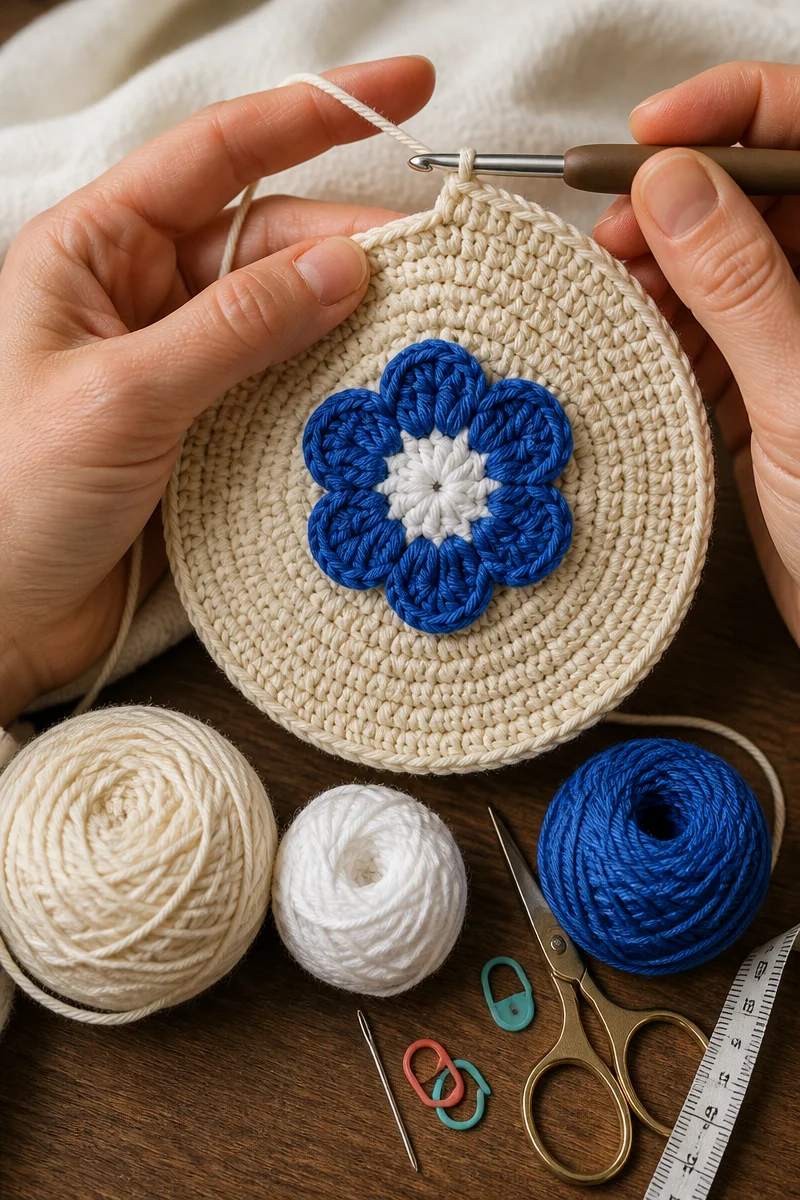
Washing: Check the yarn label first. Cotton coasters can often be hand-washed or machine-washed on a gentle cycle, while blends and other fibers may need different care. Use cool or lukewarm water and a mild detergent. If you machine-wash them, place the coasters in a mesh laundry bag.
Drying: Press out extra water gently with a towel. Do not wring or twist the coasters, as this can stretch their petals. Then lay them flat to dry and smooth the edges into shape.
Blocking: Light blocking can help the flower petals lie neatly and give each coaster a more even outline. Dampen the coaster, shape it on a flat surface, and let it dry fully. Avoid heavy blocking, which may stretch the stitches or flatten the texture.
More Ideas to Try
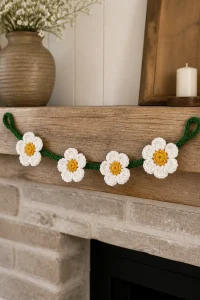
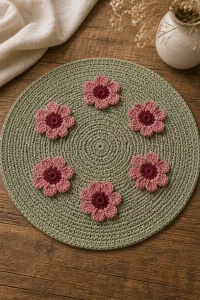
Once you have finished your Crochet Lobelia Flower Coaster Set, try making a matching table mat, a simple round coaster with a scalloped edge, or a small floral garland. You might also enjoy experimenting with the granny circle, the moss stitch, or a layered flower motif for a different look.
Conclusion
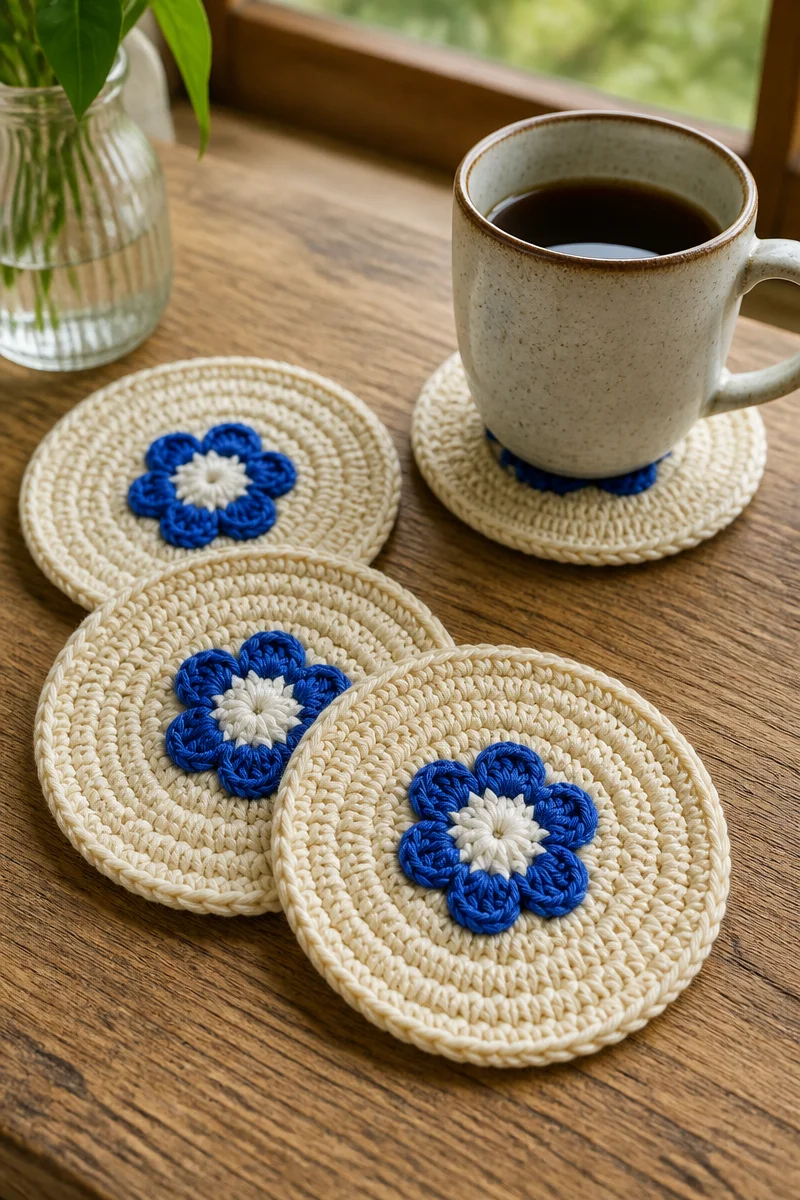
A Crochet Lobelia Flower Coaster Set combines a useful shape with a cheerful floral finish. Choose sturdy yarn, keep your tension even, and check the coaster’s shape as you work. With these simple habits, you can make a set that looks lovely and works well at home.
Now gather a favorite yarn color and give the flower coaster technique a try. Share your finished coasters with a fellow crocheter, or explore more crochet guides on the blog for your next small project.