Crochet Tuberose Flower Hair Clip Duo

Affiliate disclosure: This post may contain affiliate links. I may earn a small commission at no extra cost to you. See our Privacy Policy for details HERE.
A small flower clip can add a lovely touch to a hairstyle, and a crochet tuberose has a charm all its own. I love this project because it turns a few simple stitches into a graceful flower you can wear, give as a gift, or use to brighten an everyday look.
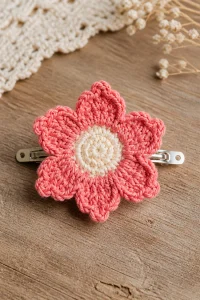
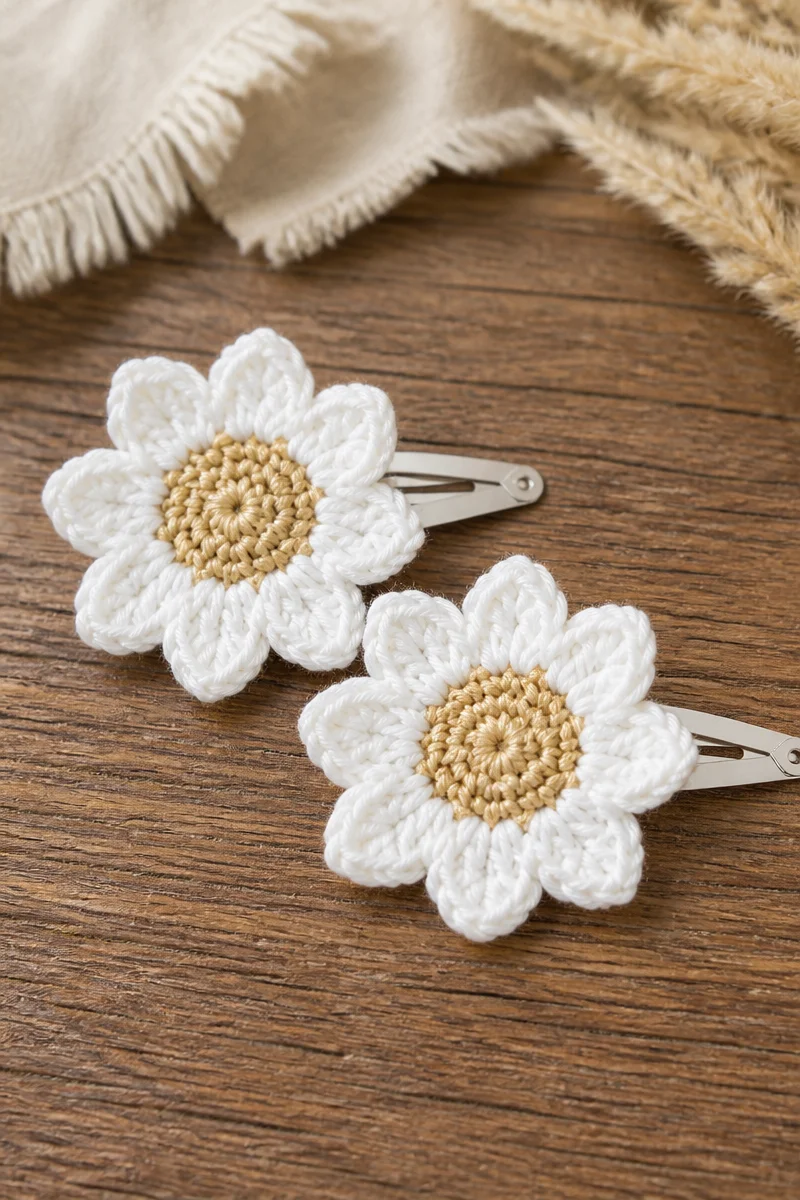
A crochet tuberose flower hair clip duo usually features two handmade flowers attached to hair clips. The petals create a soft, layered shape inspired by the tuberose bloom. The project is small and portable, so it can suit crocheters with basic skills, though shaping the petals takes a little care.
In this guide, you’ll learn how the flower is formed, which yarn and hook choices work well, and how to attach the flowers to clips. You’ll also find practical tips for shaping and finishing, plus common mistakes to avoid and simple care advice.
What Is the Crochet Tuberose Flower Technique?
A crochet tuberose is a three-dimensional flower made by shaping crocheted petals around a center. Depending on the pattern, the petals may be worked as separate pieces or crocheted in rounds and folded into a flower shape. Increases, decreases, and careful placement help create the gentle curves and layered look.
Unlike a flat flower motif, a tuberose has depth. Its petals turn inward or overlap, giving the bloom a fuller, more natural appearance. Crocheters enjoy this technique because a small amount of yarn can create a detailed accessory. Although the shaping may take practice, the project offers a good way to build confidence with stitch control and finishing.
Why This Is a Great Choice for Hair Clips
- Small and portable: You can work on a flower during a short break or while traveling.
- Pretty, dimensional shape: The layered petals give each clip a polished, floral look.
- Easy to personalize: Try different colors, petal sizes, or centers to suit your style.
- Useful for gifts: A pair of handmade clips makes a thoughtful present for birthdays, holidays, or special events.
- A satisfying skill builder: The project lets you practice shaping and neat finishing without committing to a large piece.
Yarn and Hook Recommendations
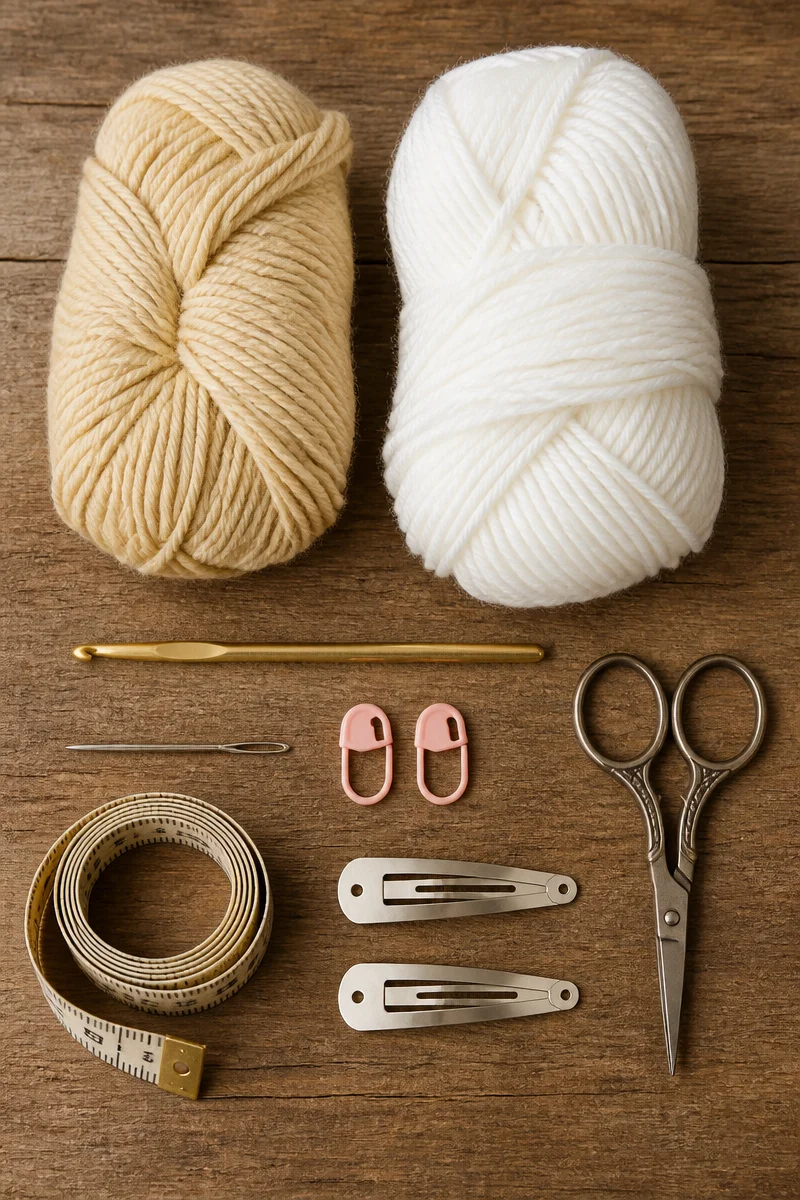
- Lightweight cotton yarn: Cotton holds its shape well and shows petal details clearly. It is a reliable choice for a crochet tuberose hair clip.
- Fine cotton thread: Thread creates delicate, small flowers. Use it with a suitably small hook, and expect to work more slowly.
- Lightweight acrylic yarn: This can be soft, affordable, and easy to find. Choose a smooth strand so the stitches remain clear.
- Sport-weight or fingering-weight yarn: These weights help keep the flower neat and light. Heavier yarn can make the petals too bulky for a clip.
- A small hook suited to your yarn: Check the yarn label, then consider going slightly smaller if you want firm petals that hold their shape.
- Smooth, strong thread for attaching: A sewing thread or matching yarn can secure the flower to the clip. A firm attachment helps the accessory stand up to regular wear.
Tips for Crochet Tuberose Success
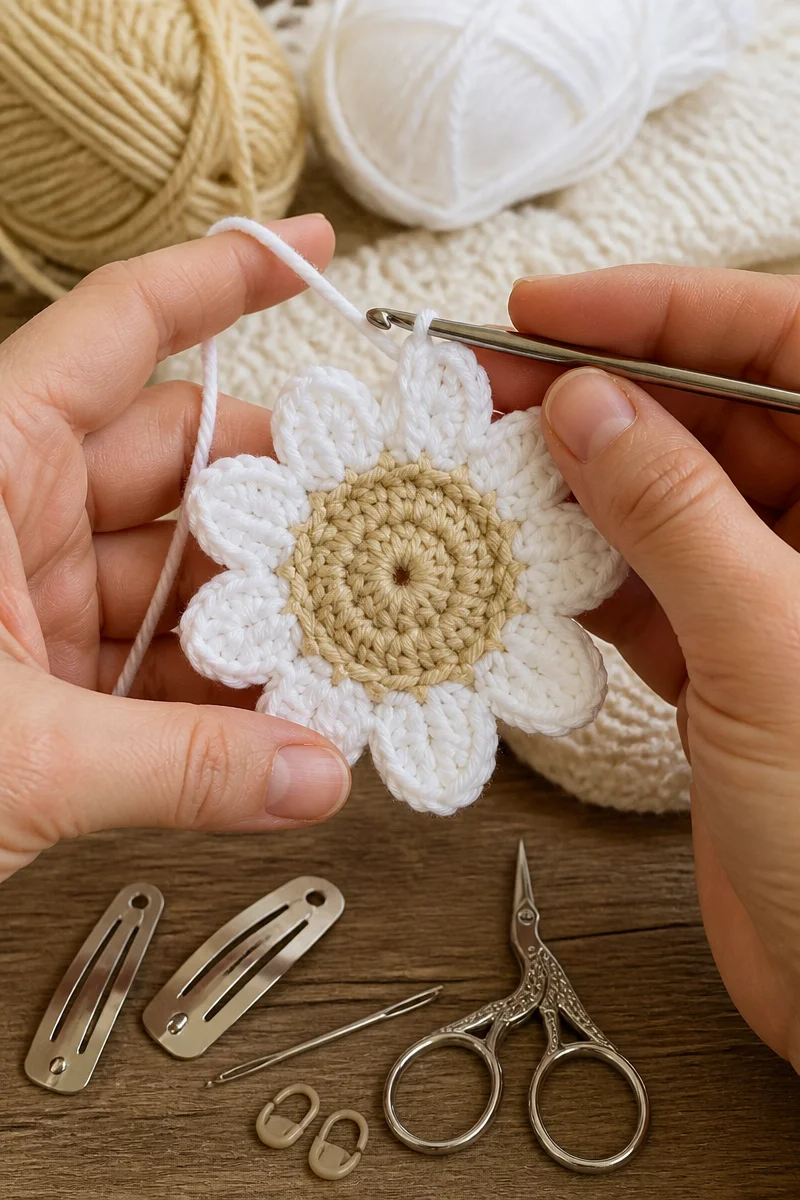
First, keep your tension steady. Tight, even stitches help the petals hold their shape, but avoid pulling so hard that the fabric becomes stiff or difficult to work. If your flower looks floppy, try a smaller hook or slightly firmer tension. If the stitches feel hard to insert into, loosen your grip or use a larger hook.
Next, follow the pattern’s shaping notes closely. Petal placement and stitch counts affect how the flower folds, so mark the start of a round when needed. Also, pause to check the shape before you fasten off. Small adjustments now can help the two flowers in a crochet tuberose flower hair clip duo look balanced. Finally, secure the flower firmly to the clip, and keep stitches clear of the part that opens and closes.
Common Mistakes to Avoid
Loose or uneven tension can make petals look different in size. As a result, the flower may lean or lose its shape. Check your work as you go, and compare matching petals before sewing them together.
Miscounting stitches can change the petal shape or make the edges uneven. Use a stitch marker, especially when working in rounds, and count after each shaping section. If something looks off, it is usually easier to correct it right away than after assembly.
Choosing yarn that is too thick can create a bulky flower that weighs down the clip. On the other hand, very slippery yarn may make the petals harder to shape. Try a small sample with your chosen yarn and hook before making both flowers.
A loose attachment can let the flower shift or come off with use. Sew through the flower’s base and around the clip’s fixed section, while leaving the moving parts free. Also, avoid adding heavy decorations unless the clip can support them comfortably.
Care and Washing Instructions
Washing: Check the yarn label first. For cotton or acrylic flowers, gentle hand washing in cool water is usually a safe choice. Avoid rubbing or twisting the petals, since that can distort their shape. If the clip is metal, remove it before washing when possible.
Drying: Press out extra water with a clean towel, then reshape the petals. Lay the flower flat to air dry. Keep it away from direct heat, which may affect some fibers or clip finishes.
Blocking: A small amount of light blocking can help smooth the petals. Pin or shape the flower gently while it dries, but do not flatten its three-dimensional form. If the flower includes a clip, keep the hardware dry and avoid soaking it.
More Ideas to Try
If you enjoy making a crochet tuberose, try a rose or small daisy hair clip next. You could also crochet a flat flower appliqué for a headband, make a matching pair of brooches, or experiment with two-tone petals. These projects offer new ways to practice shaping while keeping the same small, satisfying scale.
Conclusion
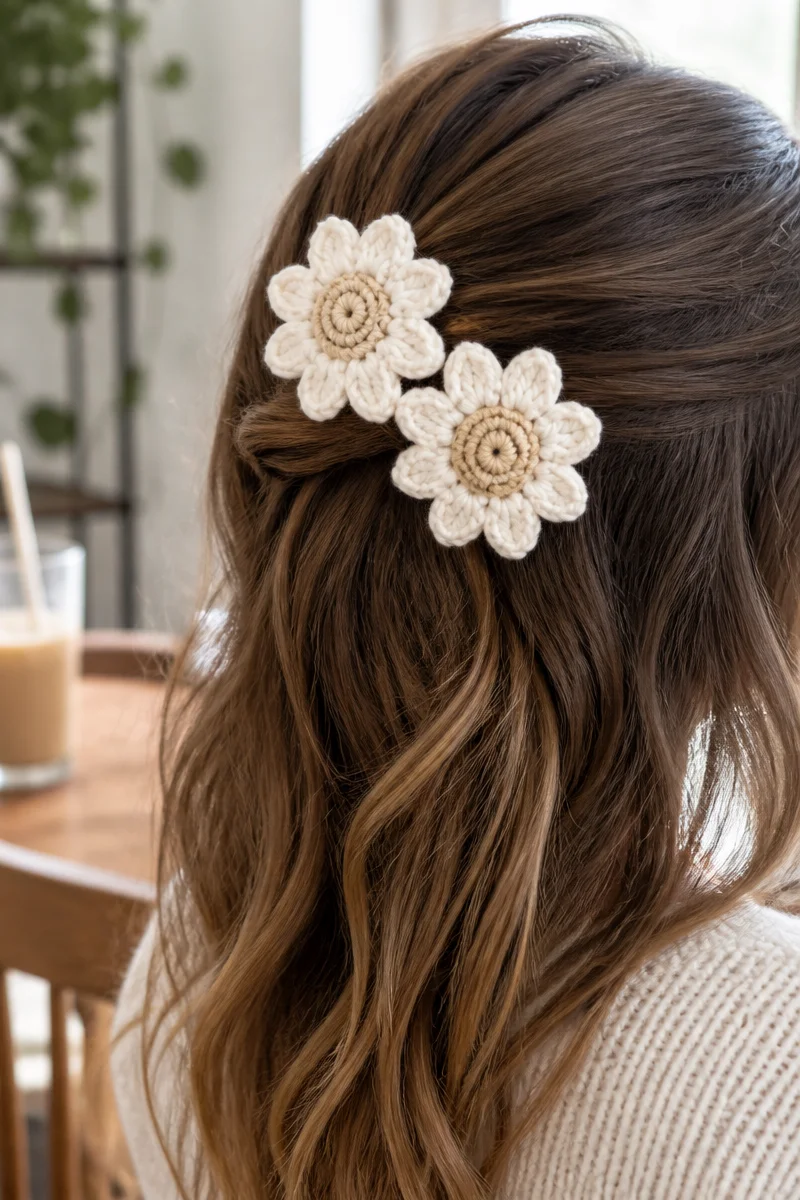
A crochet tuberose flower hair clip duo is a charming way to practice three-dimensional crochet and make a useful handmade accessory. Choose a smooth, lightweight yarn, keep your stitches even, and take care when shaping and attaching each flower. Most of all, enjoy the process. Try a color combination you love, share your finished clips, and explore more crochet flower guides on the blog.