Crochet North Pole Stripe Baby Beanie

Affiliate disclosure: This post may contain affiliate links. I may earn a small commission at no extra cost to you. See our Privacy Policy for details HERE.
A Crochet North Pole Stripe Baby Beanie is a cheerful way to welcome a new baby or add a handmade touch to a winter gift. I love how simple stripes can make a little hat feel festive without needing a complicated stitch pattern.
This project combines a basic crochet beanie shape with alternating bands of color. The result is a cozy hat with a bright, candy-cane-inspired look. It is often a good choice for confident beginners because the stripes can be made with familiar stitches, such as single crochet or half double crochet. The exact difficulty depends on how the hat is shaped and how often you change colors.
In this guide, you will learn how North Pole stripes work, which yarns and hooks can suit a baby beanie, and how to keep the fabric soft and comfortable. You will also find practical tips for tidy color changes, care advice, and common mistakes to avoid.
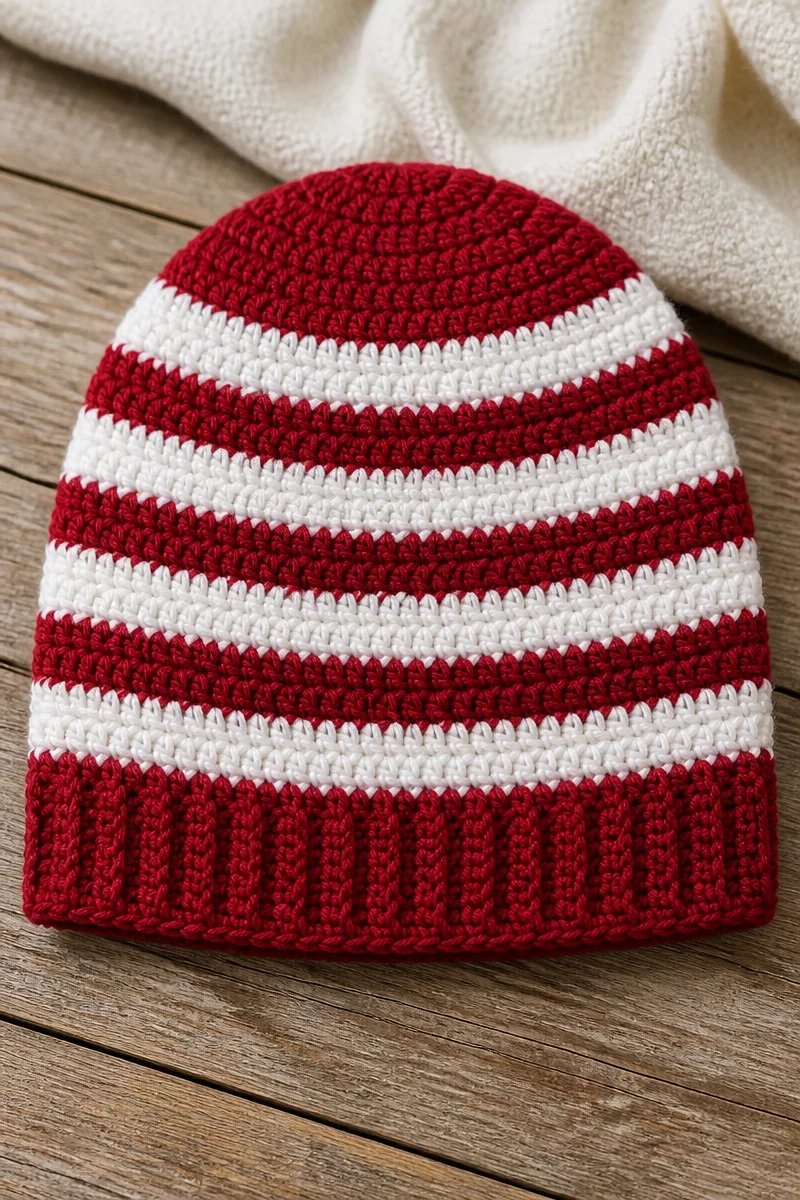
What Is the North Pole Stripe Technique?
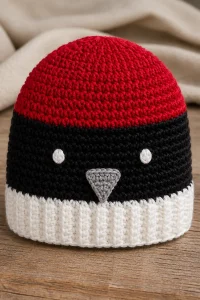
The North Pole stripe technique uses two or more yarn colors in alternating rows or rounds to create bold bands on a crocheted project. For a baby beanie, crocheters often pair a light color with red or another festive shade. The stripes may be even and horizontal, or they can be arranged in a spiral, depending on the construction.
The stitch underneath the stripes can be simple. Single crochet makes a firm, compact fabric, while half double crochet gives the beanie a little more height and flexibility. As you change colors, you finish a stitch with the new color so the transition looks cleaner. Crocheters enjoy this technique because it adds visual interest without relying on complex stitches.
Why This Is a Great Choice for Baby Beanies
- The stripes create a playful look. A classic red-and-white palette feels festive, while other color pairs work for everyday wear.
- Simple stitches are easy to follow. You can focus on shaping the hat and changing colors rather than learning a complex stitch repeat.
- The fabric can feel warm and cozy. Choose a soft yarn and a suitable stitch to make a comfortable winter accessory.
- Color changes offer room for creativity. Try narrow bands, wide bands, or a single accent stripe to make the design your own.
- A beanie is a practical handmade gift. It is small, portable, and useful in cool weather, as long as the fit and fiber suit the baby.
Yarn and Hook Recommendations
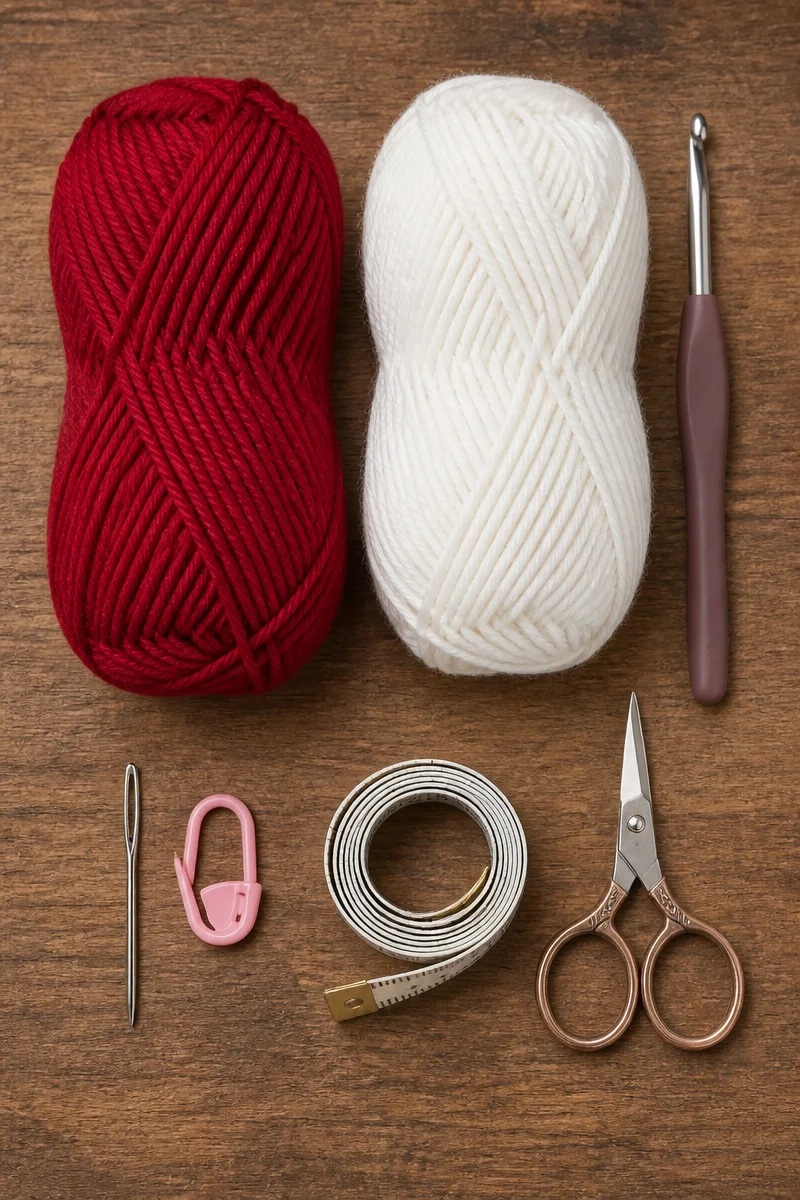
- Light or medium-weight yarn: DK or worsted-weight yarn can work well, depending on the intended size and the design. Follow the project’s gauge guidance rather than choosing by weight alone.
- Soft acrylic yarn: Many washable acrylic yarns are easy to care for and come in a broad range of colors. Check the label for softness, especially when making something for a baby.
- Baby-friendly cotton blends: A soft cotton blend can offer a smooth feel and easy care. However, cotton may make a less stretchy fabric than some acrylic or wool blends.
- Soft wool or wool blends: These can provide warmth and elasticity. Choose a comfortable, non-itchy fiber and check the care label before using it for a baby item.
- A hook that matches the yarn and gauge: The hook size depends on the yarn and your tension. Start with the yarn label or pattern recommendation, then make a small swatch and adjust if needed.
- Smooth, high-contrast colors: A clear contrast makes the North Pole stripes easy to see. Smooth yarn also helps the stitches and color changes stand out.
Tips for North Pole Stripe Success
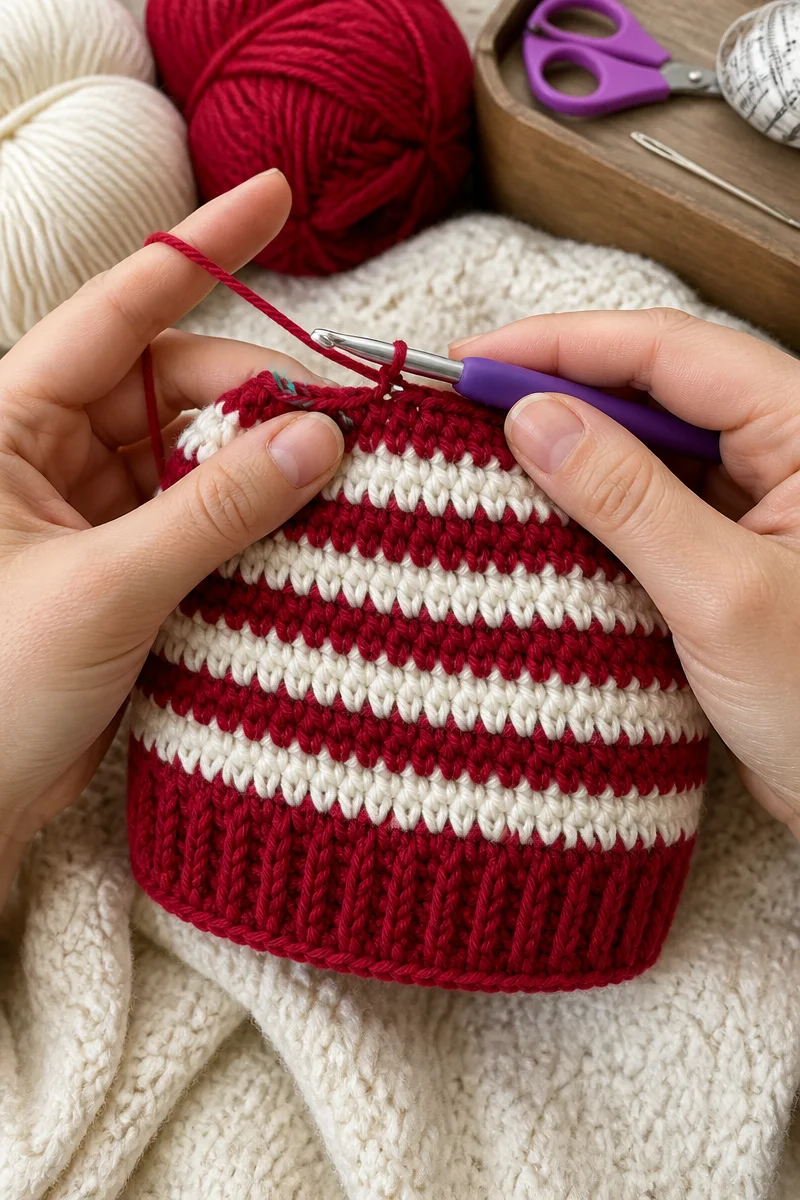
First, make a small swatch with the yarn, hook, and stitch you plan to use. This helps you check the fabric’s feel and size before you begin the beanie. Keep your tension steady, and count your stitches at the end of each round or row. If the hat is worked in rounds, a stitch marker can show where each round begins.
Next, change colors with care. For a neat transition, begin the final yarn-over of the last stitch in the old color, then complete it with the new color, if that method suits the construction. Carrying yarn up the inside can reduce the number of ends to weave in, but do not pull it tight. Otherwise, the beanie may pucker or lose stretch. Pause when you need to, since relaxed hands often make more even stitches.
Common Mistakes to Avoid
Uneven tension can make some stripes look wider or tighter than others. Try to keep your yarn hold consistent, and avoid pulling the carried yarn snug. If a stripe looks noticeably different, check your stitch count before continuing.
Miscounting stitches can cause the beanie to grow too wide, narrow, or uneven. Count each round, especially near the crown, where shaping may involve increases or decreases. Also, place a marker at the start of a round so you do not lose your place.
Choosing yarn only for its color can lead to a hat that feels rough or has the wrong amount of stretch. Check the fiber label and feel a sample against your skin. For a baby item, softness, comfort, and easy care matter as much as appearance.
Making the beanie without checking its fit can leave it too tight or too loose. Babies grow quickly, and sizes vary, so use the intended measurements and gauge rather than relying on age alone. Keep small accessories secure and supervise babies while they wear them.
Care and Washing Instructions
Washing: Follow the yarn label first. Many acrylic yarns can be machine washed on a gentle cycle, while wool and some blends may need hand washing. Use mild detergent, and place a small beanie in a mesh laundry bag if machine washing is allowed.
Drying: Press out extra water gently with a towel, but do not wring or twist the hat. Then reshape it and lay it flat to dry. Avoid high heat, which can affect the yarn’s shape or texture.
Blocking: A baby beanie usually needs only light shaping rather than firm blocking. If the stripes or edges look uneven, gently smooth the damp hat into shape and let it dry flat. Avoid stretching the opening, since that can change the fit.
More Ideas to Try
If you enjoy the North Pole stripe look, try a ribbed beanie with alternating colors, a simple single-crochet scarf, or a striped baby blanket in coordinating shades. You could also explore moss stitch for a woven texture or half double crochet ribbing for a stretchy brim.
Conclusion
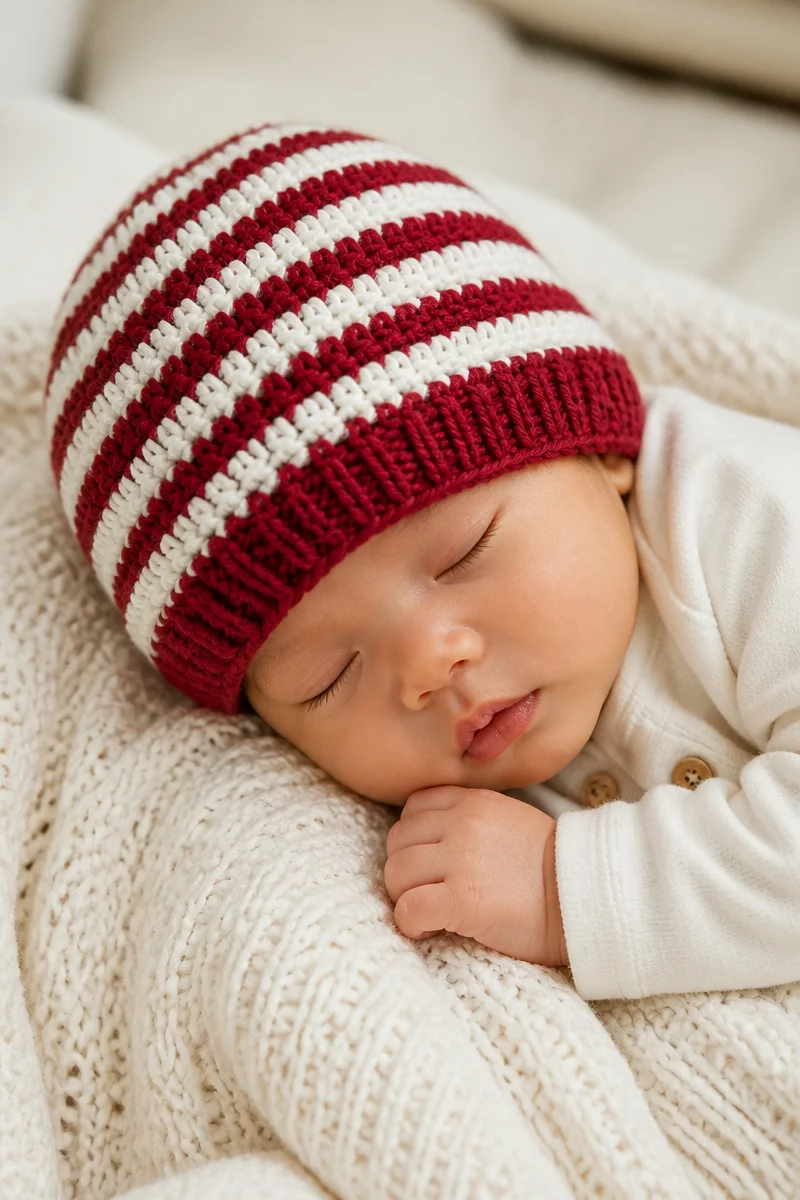
A Crochet North Pole Stripe Baby Beanie pairs a simple hat shape with cheerful bands of color. Choose a soft yarn, check your gauge, count your stitches, and take care with each color change. With those basics in place, you can create a comfortable handmade gift with a festive look. Try your own color combination, share how your beanie turns out, or explore another crochet guide on the blog for your next project.