Crochet Hedgehog Puff Baby Blanket

Affiliate disclosure: This post may contain affiliate links. I may earn a small commission at no extra cost to you. See our Privacy Policy for details HERE.
If you have ever fallen in love with a blanket because of its texture, the puff stitch is probably why. I think the crochet hedgehog puff baby blanket style is especially sweet because it turns a simple baby blanket into something soft, playful, and full of charm. It has that handmade look people notice right away, and yet it still feels cozy and comforting.
What makes this project special is the raised, bumpy texture. The puff stitch gives the blanket a plush, hedgehog-like surface, which adds visual interest without needing complex shaping. Because of that, it works well for baby blankets, nursery gifts, and keepsakes. Also, it can look more advanced than it really is, so many crocheters enjoy it for that reason.
In this guide, you will learn what the puff stitch is, why it works so well for a baby blanket, and how to choose the right yarn and hook. You will also get practical tips, common mistakes to avoid, and care advice so your finished blanket stays beautiful. So, whether you are new to textured crochet or simply want a fresh idea, this guide will help.
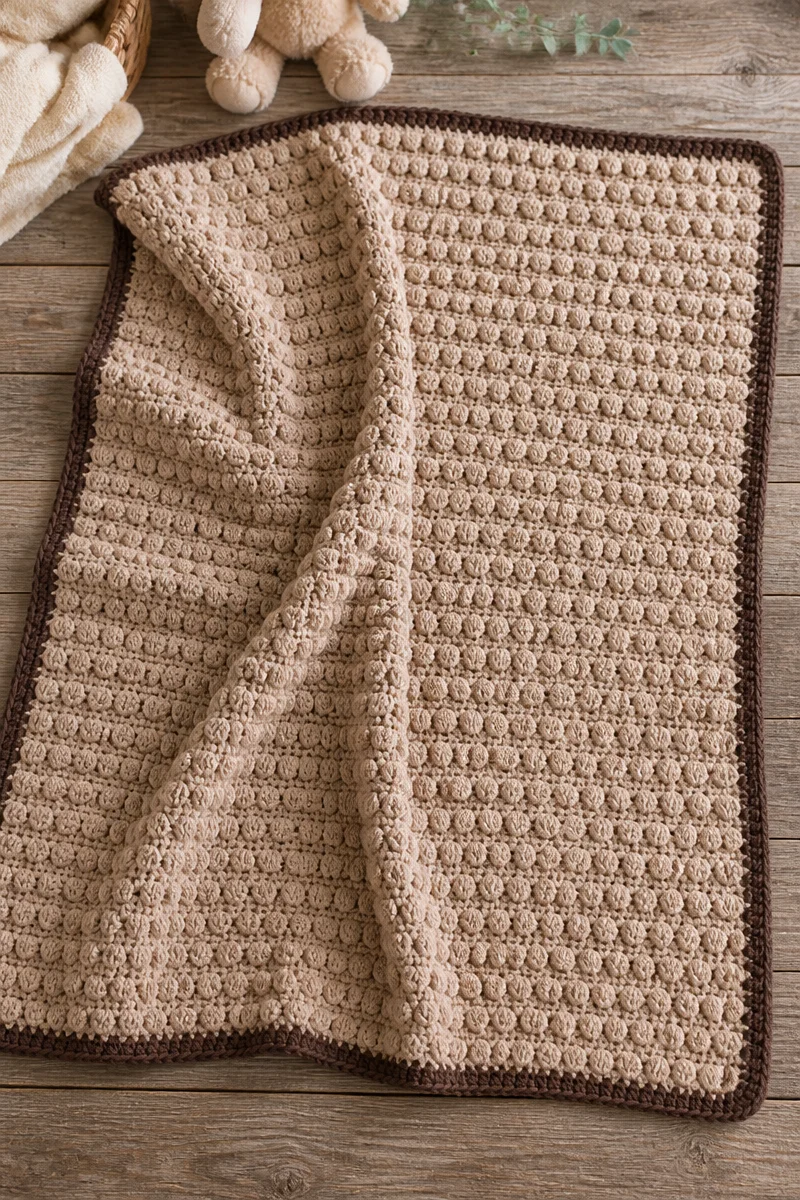
What Is the Puff Stitch?
The puff stitch is a textured crochet stitch made by pulling several loops through the same space before closing them together at the top. As a result, the stitch rises above the fabric and creates a soft, puffy bump. That is why it looks so rich and cozy in a crochet hedgehog puff baby blanket.
Crocheters like the puff stitch because it adds texture fast. In addition, it can make even a simple blanket look special. The stitch feels soft and plush, and it gives the project a charming, tactile look that babies and parents often love.
Another reason this stitch is popular is its flexibility. You can use it in rows, blocks, stripes, or themed designs. Therefore, it works well for baby blankets, pillows, hats, and decorative panels. For a hedgehog-inspired blanket, the puff stitch can suggest spines or soft little bumps without being sharp or heavy.
Why This Is a Great Choice for Baby Blankets
- Soft texture for little hands – The puff stitch creates a cuddly surface that feels gentle and comforting.
- Beautiful visual interest – Even a simple color choice looks rich because the texture does the work.
- Warm without being bulky – The stitch adds warmth, yet it can still stay light enough for a baby blanket.
- Great for nursery gifts – A crochet hedgehog puff baby blanket feels thoughtful, handmade, and memorable.
- Works with many yarns – You can make it sweet and delicate, or bold and playful, depending on your yarn choice.
Yarn and Hook Recommendations
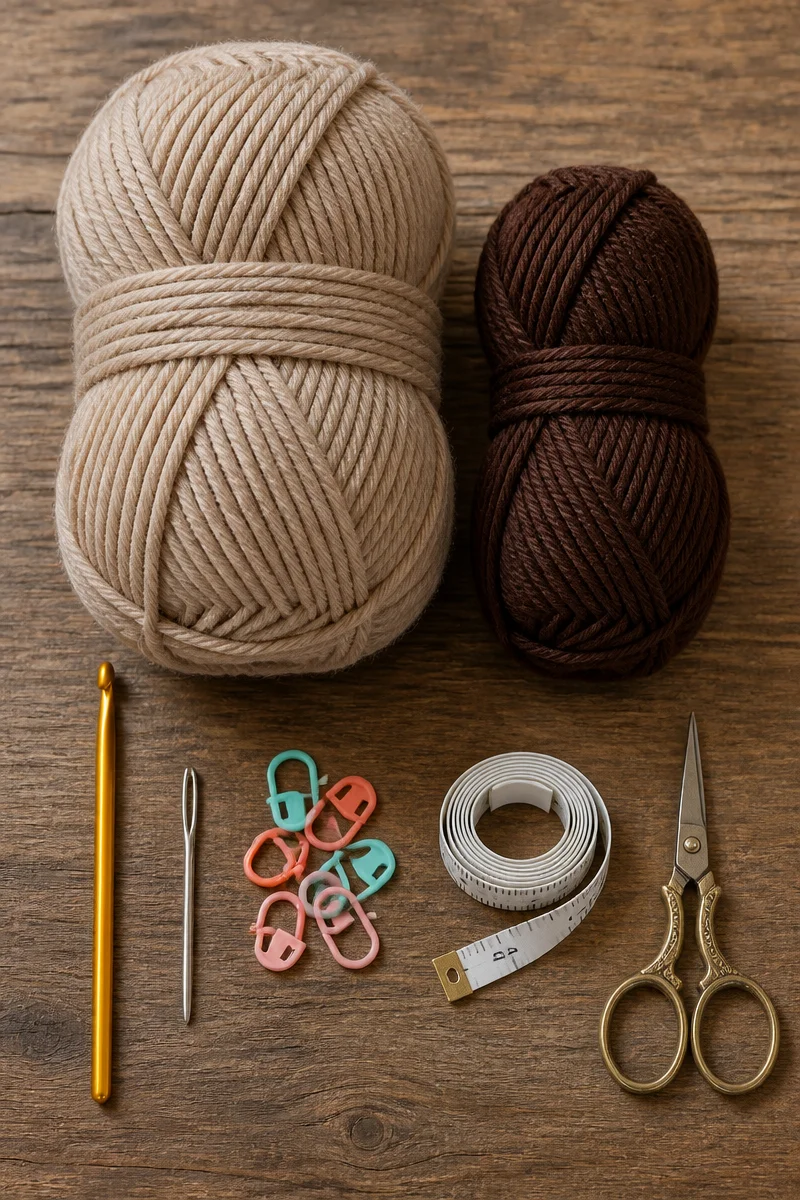
- Light worsted or DK yarn – This weight is a good choice for baby blankets because it gives texture without making the fabric too heavy.
- Soft acrylic yarn – Acrylic is often a practical option since it is easy to wash and usually affordable for larger projects.
- Cotton blend yarn – Cotton blends can feel crisp and breathable, which is helpful if you want a lighter blanket for daily use.
- Baby-friendly wool blend – A soft wool blend can add warmth, but it should be gentle enough for baby skin and easy care.
- Hook size one step up from the label suggestion – A slightly larger hook can help the puff stitch look fuller and feel softer.
- Smooth, easy-glide hook material – Aluminum or polished ergonomic hooks can make it easier to pull through multiple loops, especially for long rows.
Tips for Puff Stitch Success
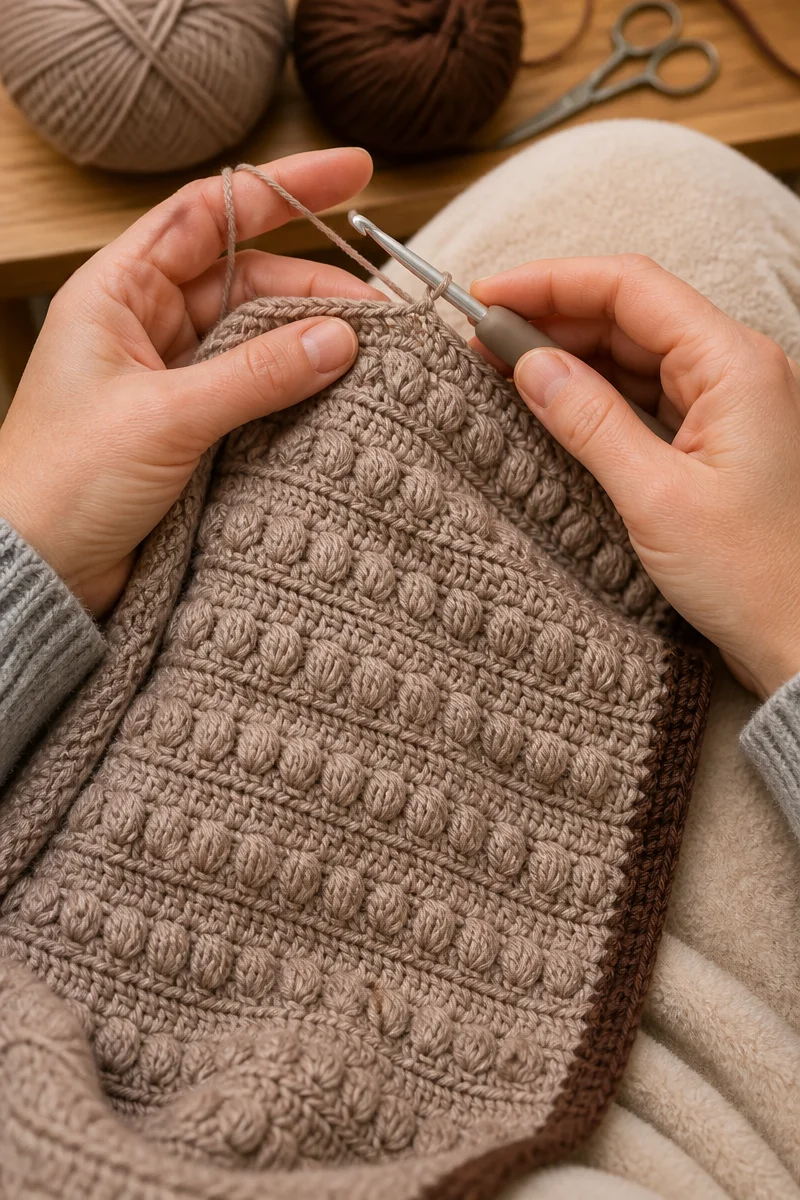
First, keep your tension even. The puff stitch depends on consistent loops, so if your tension changes a lot, the blanket may look uneven. Also, try not to pull the loops too tight as you work. If you do, closing the stitch can become difficult and your hands may tire faster.
Next, count carefully. Because puff stitches can blend together visually, it is easy to miss a stitch or add one by accident. Therefore, it helps to mark the first stitch in each row and check your count often. In addition, read the pattern slowly before you begin, especially if the design uses repeats or shaping.
Finally, pace yourself. Puff stitches take more time than basic stitches, so the project may grow a little slower than expected. However, that is part of the charm. As you settle into the rhythm, the texture will build beautifully, and the blanket will start to take on that cozy hedgehog look.
Common Mistakes to Avoid
One common problem is uneven tension. If some puff stitches are tight and others are loose, the surface can look bumpy in a distracting way. To avoid this, try to keep each pull-through similar in size. Also, work in a relaxed position so your hands do not strain.
Another mistake is miscounting stitches. Since puff stitches are thick, it can be hard to see where the next stitch goes. As a result, beginners sometimes skip stitches or place extra ones in the same spot. Using stitch markers can help, and so can checking your row count after each repeat.
A third issue is choosing the wrong yarn weight. If the yarn is too thick, the blanket may become stiff or heavy. On the other hand, if it is too thin, the puff texture may not stand out enough. So, a soft medium-light yarn often gives the best balance for a baby blanket.
Finally, some crocheters forget that puff stitch fabric can draw in slightly. Because of this, the blanket may not lie as flat as a plain stitch fabric right away. If that happens, do not worry. A gentle wash and careful blocking can often help the fabric relax and even out.
Care and Washing Instructions
Washing: For most baby blankets, gentle care is best. If you use acrylic or a machine-washable yarn, wash the blanket on a delicate cycle with mild detergent. If you choose wool or a delicate blend, hand washing is usually safer. Always check the yarn label first, because care instructions can vary.
Drying: Lay the blanket flat to dry when possible. This helps protect the texture and keeps the shape from stretching. If the yarn label allows machine drying, use a low heat setting and remove the blanket while it is still slightly damp so it can finish air drying safely.
Blocking: Yes, light blocking can help a puff stitch blanket. It can smooth the edges, even out the shape, and help the texture settle. However, use gentle blocking methods. Too much stretching can flatten the puff stitches and reduce the cozy look.
More Ideas to Try
If you enjoy the look of a crochet hedgehog puff baby blanket, you may also like bobble stitch blankets, popcorn stitch pillows, textured nursery mats, or simple stripes with puff stitch rows. In addition, you might try mixing puff stitches with solid rows for a softer look, or use the stitch in smaller projects like baby loveys and toy details.
Conclusion
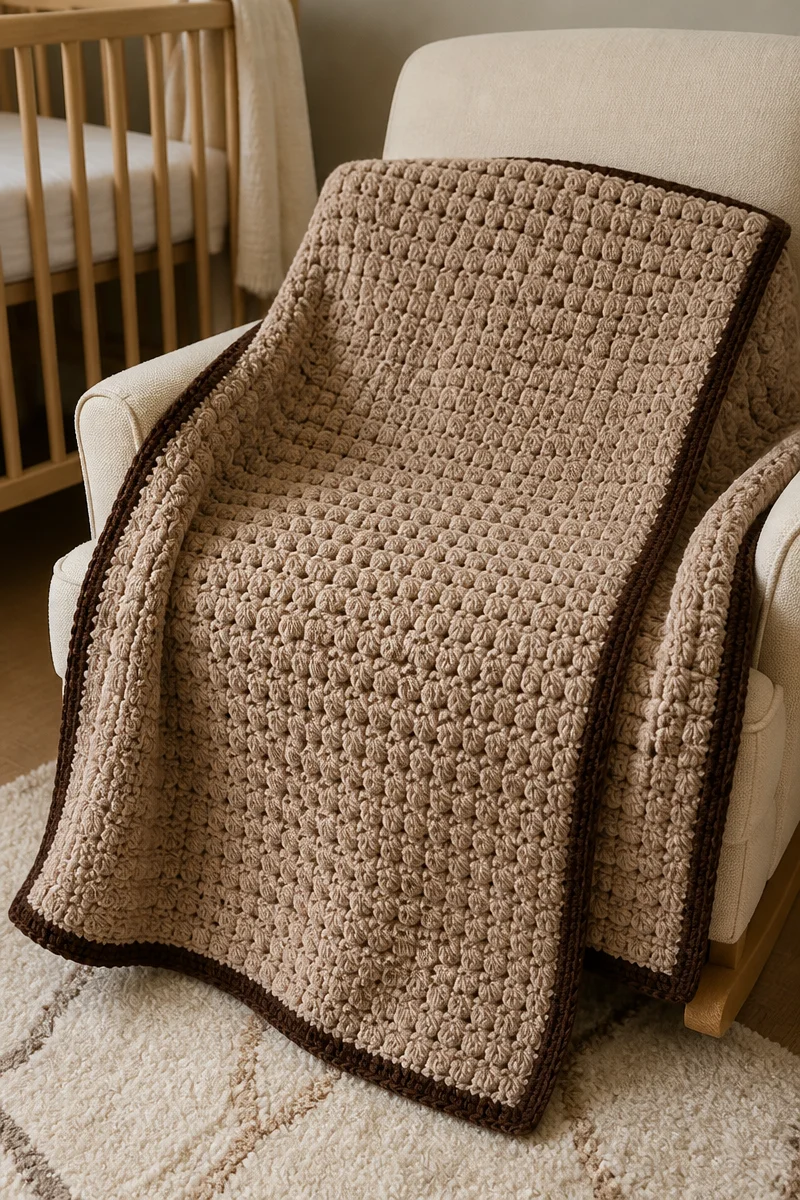
The crochet hedgehog puff baby blanket is a lovely way to add softness, texture, and personality to a baby gift. Because the puff stitch is both charming and useful, it gives you a project that feels special without being overly complicated. With the right yarn, a suitable hook, and a little patience, you can create a blanket that is warm, pretty, and practical.
So, if this texture speaks to you, give it a try. Share your finished blanket with friends, gift it to someone you love, or explore more textured crochet guides on the blog. Either way, your next cozy project is ready to begin.