Crochet Soft Gray Alternating Baby Blanket

Affiliate disclosure: This post may contain affiliate links. I may earn a small commission at no extra cost to you. See our Privacy Policy for details HERE.
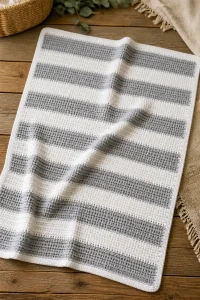
A crochet soft gray alternating baby blanket has a quiet charm that many makers love right away. The soft gray color feels calm and modern, and the alternating stitch design adds just enough interest without looking busy. As a result, it is the kind of project that feels peaceful to make and lovely to give.
What makes this style special is the balance of soft texture, gentle color, and simple rhythm. In many cases, an alternating baby blanket uses a repeating stitch pattern that gives the fabric a neat look with light texture and a nice drape. Because of that, it works well for babies, nurseries, and gift giving. It can also feel very beginner-friendly when the stitch repeat is easy to remember.
In this guide, you will learn what the alternating stitch pattern is, why it works so well for baby blankets, and how to choose the best yarn and hook. In addition, you will find practical tips, common mistakes to avoid, and care advice so your blanket turns out soft, useful, and beautiful.
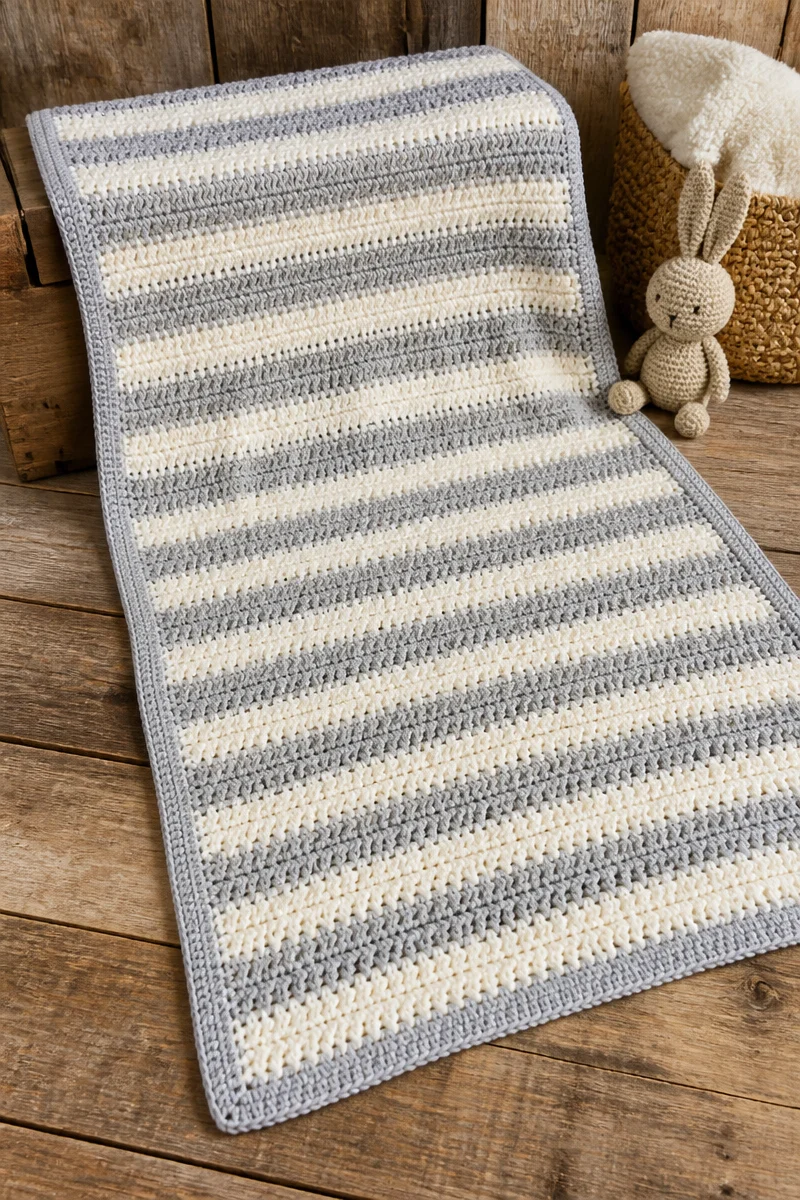
What Is the Alternating Stitch Pattern Stitch?
The alternating stitch pattern is a simple crochet technique where one stitch type follows another in a repeating order. For example, a row may alternate between two stitch heights, or a pattern may switch between textured and smooth stitches. This creates a gentle change in the fabric, which gives the blanket a soft, woven look.
Many crocheters enjoy this stitch style because it is easy to follow and pleasant to work on. Also, the changing rhythm helps keep the project interesting without making it too hard. The final fabric often looks neat, cozy, and balanced, which is one reason the crochet soft gray alternating baby blanket style is so popular.
Why This Is a Great Choice for Baby Blankets
- It creates a soft, cozy fabric that feels comfortable for a baby blanket and works well for daily use.
- It has a gentle textured look, so the blanket feels special without being too thick or heavy.
- It often drapes nicely, which helps the blanket lay well in a crib, stroller, or nursery chair.
- It can be beginner friendly, especially when the stitch repeat is simple and easy to remember.
- It looks elegant in soft gray, because the color shows off texture without making the design look loud or busy.
- It works well for gifts, since the style feels modern, calm, and suitable for many nursery themes.
Yarn and Hook Recommendations
- Light worsted or DK weight yarn works well because it makes a baby blanket that feels soft, light, and easy to manage.
- Acrylic yarn is a practical choice since it is usually soft, washable, and friendly for everyday baby use.
- Cotton yarn can be a good option if you want a breathable fabric with a clean, crisp feel, though it may feel less stretchy.
- A cotton-acrylic blend can give you the best of both worlds, since it often offers softness, durability, and easy care.
- A hook size that matches the yarn label is a smart starting point, because it helps you keep the stitches even and the fabric balanced.
- A slightly larger hook than usual may help if you want extra drape and softness, which is often nice for a baby blanket.
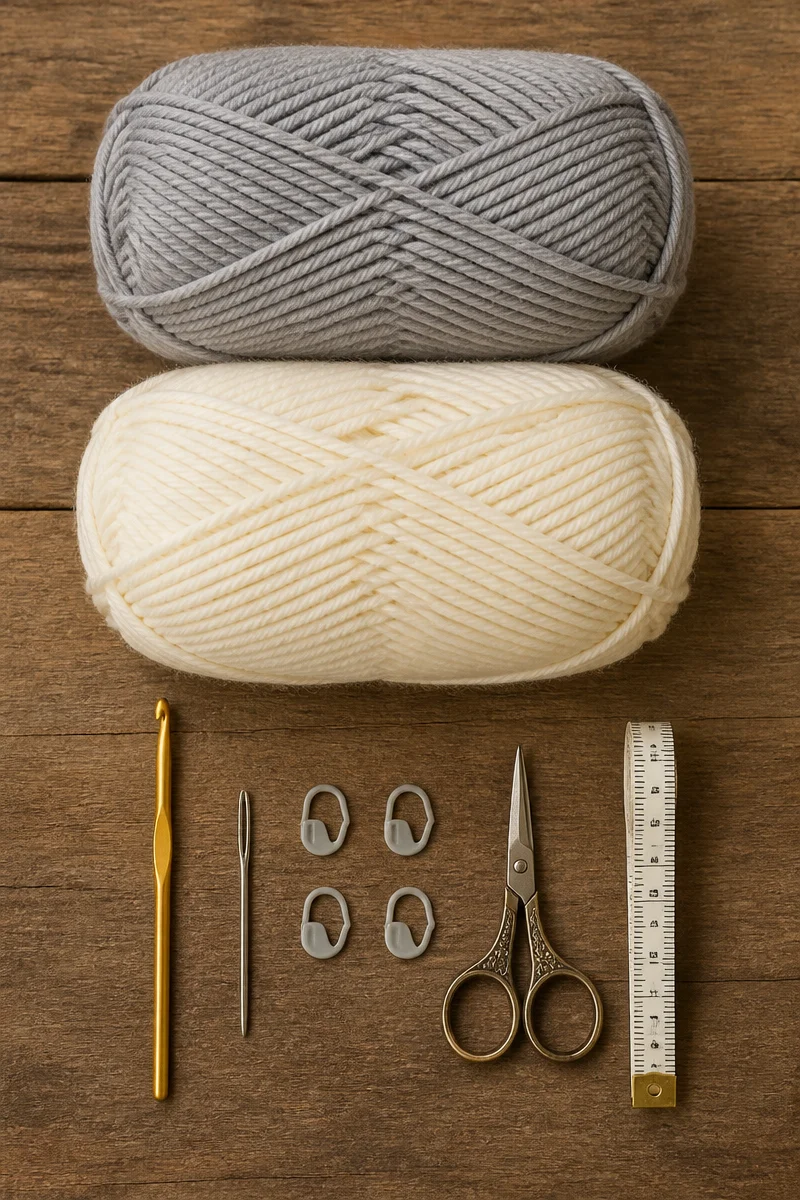
Tips for Alternating Stitch Success
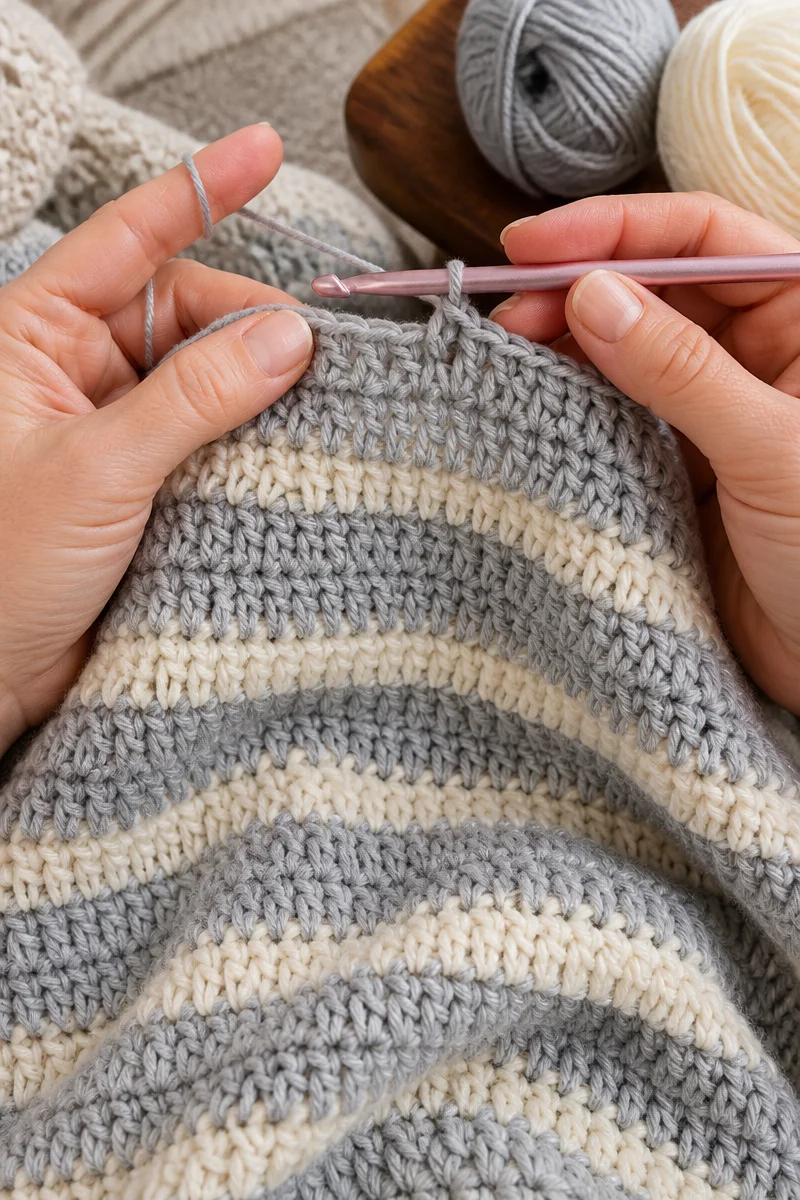
When working an alternating stitch pattern, keep your tension steady from the beginning. If your stitches are too tight, the blanket may feel stiff. However, if they are too loose, the fabric can look uneven and lose shape. So, try to settle into a smooth rhythm before you work too far into the blanket.
It also helps to count your stitches often, especially at the start of each row. Since alternating patterns can be easy to read once you get going, it is tempting to stop checking. Still, a quick count now and then can save time later. In addition, place stitch markers at the ends if you tend to lose your edge stitches.
Common Mistakes to Avoid
One common mistake is uneven tension. If some rows are tighter than others, the blanket may ripple or pull to one side. Therefore, try to keep your hands relaxed and your pace steady. This is especially important in a baby blanket, where you want a soft and even finish.
Another issue is miscounting the stitch repeat. Because alternating patterns often depend on a simple sequence, one missed stitch can change the look of the whole row. So, if your pattern looks off, stop and check before you go too far. A small fix early is much easier than a large repair later.
Some crocheters also run into curling or wavy edges. This can happen if the yarn weight, hook size, or stitch combination does not balance well. In many cases, switching to a slightly larger hook or adjusting the edge stitches can help the blanket lie flatter.
Also, be careful when choosing yarn that is too thick or too heavy for a baby blanket. While bulky yarn can make a project grow faster, it may also create a blanket that feels warm, heavy, or less flexible. For that reason, lighter yarns are often the better choice for a crochet soft gray alternating baby blanket.
Care and Washing Instructions
Washing: Always check the yarn label first. In general, machine-washable acrylic or acrylic-blend yarns are the easiest to care for, which makes them a good choice for baby blankets. If you use wool or another delicate fiber, gentle hand washing may be better.
Drying: Lay the blanket flat to dry when possible, especially if you want to protect the shape and texture. If the yarn label allows machine drying, use a low heat setting. Even then, low heat is usually the safest option for keeping the blanket soft.
Blocking: A baby blanket like this can benefit from light blocking, especially if the edges need shaping or the stitches need evening out. Blocking helps the fabric settle and can improve the finished look. However, use gentle methods that match the fiber, since baby items should stay soft and safe.
More Ideas to Try
If you enjoy the crochet soft gray alternating baby blanket style, you may also like a simple striped baby blanket, a moss stitch blanket, a half double crochet texture blanket, or a corner-to-corner baby blanket. These projects all offer their own look, but they share the same cozy, practical feel. In addition, they are great ways to explore new textures while staying within a calm, baby-friendly style.
Conclusion
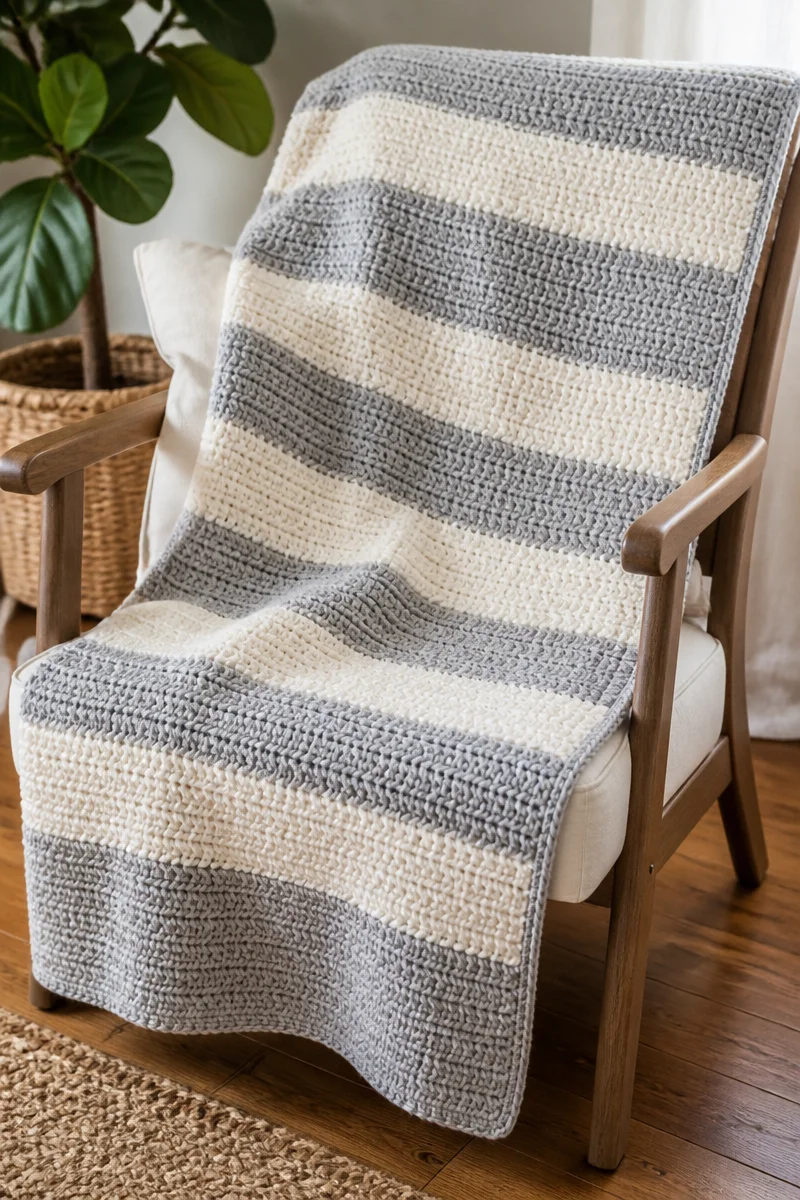
A crochet soft gray alternating baby blanket is a lovely project because it blends comfort, style, and simple texture in one useful piece. It is soft, versatile, and easy to adapt to different yarns and sizes. Best of all, the alternating stitch design keeps the work interesting while still feeling relaxing.
If you are looking for a baby blanket that feels timeless and sweet, this style is a wonderful choice. Try the technique, enjoy the rhythm, and make it your own. Then, if you like this guide, share your finished blanket or explore more crochet tips and blanket ideas on the blog.