Crochet Penguin Stripe Baby Blanket

Affiliate disclosure: This post may contain affiliate links. I may earn a small commission at no extra cost to you. See our Privacy Policy for details HERE.
A crochet penguin stripe baby blanket is one of those projects that feels cheerful the moment you start it. I have always loved stripe blankets because they let the yarn do the talking, and when you add a penguin theme, the whole piece becomes playful and sweet without feeling fussy. That is a lovely mix for a baby gift, a nursery accent, or a keepsake blanket that still feels calm and classic.
What makes this kind of blanket so special is the blend of simple striping, soft texture, and cute animal-inspired color work. The look is charming, but the work itself is usually very manageable, which is why many crocheters enjoy it. In addition, striped baby blankets often work well for beginners and experienced makers alike, since the pattern rhythm is easy to follow and the finished fabric feels comforting.
In this guide, you will learn what the stripe stitch style really means in this project, why it works so well for baby blankets, and how to choose the best yarn and hook. You will also get practical tips, common mistakes to avoid, and care advice so your finished blanket stays soft and lovely for a long time.
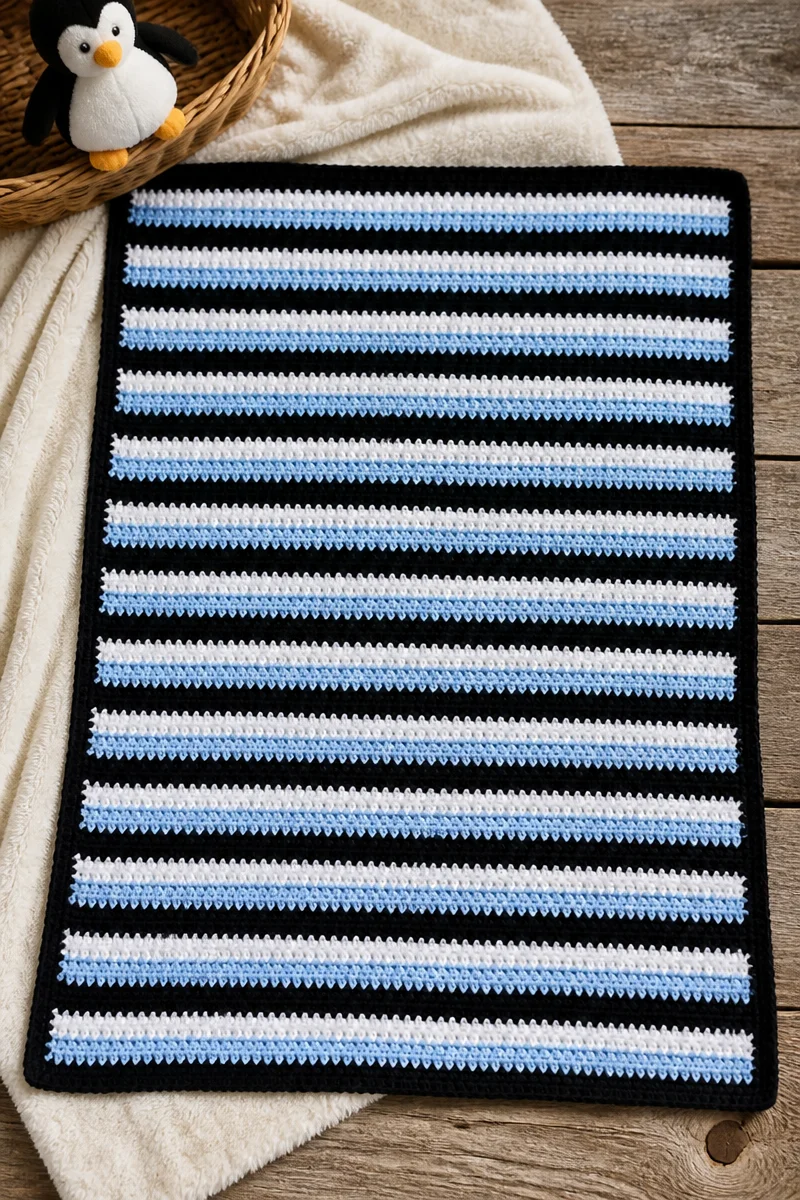
What Is the Stripe Stitch Technique?
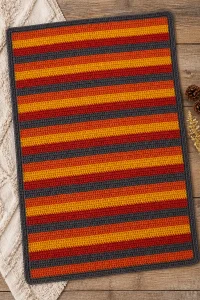
The stripe stitch technique is a simple way of building fabric by working rows or rounds in changing colors or repeating bands of color. In a crochet penguin stripe baby blanket, the stripes usually create the penguin-inspired look, often with black, white, gray, and sometimes a soft accent color. Because of that, the blanket can look polished and themed without needing difficult shaping or advanced colorwork.
Most stripe blankets use basic stitches such as single crochet, half double crochet, or double crochet. These stitches are easy to repeat, and they make clean lines between color changes. As a result, the blanket often has a neat, modern look with a soft drape that feels nice in a baby blanket.
Crocheters like stripe work because it is relaxing, flexible, and easy to customize. For example, you can change the stripe width, adjust the colors, or make the blanket larger or smaller without changing the whole idea of the project. Therefore, the stripe stitch technique is a smart choice for anyone who wants a project that is simple, useful, and attractive.
Why This Is a Great Choice for Baby Blankets
- Soft and cozy: A crochet penguin stripe baby blanket can be made with gentle yarn that feels good against a baby’s skin.
- Visually appealing: The stripe pattern adds interest, while the penguin colors give it a sweet and friendly look.
- Easy to customize: You can choose wider stripes, narrow stripes, or different color sets to fit your nursery theme.
- Works well with simple stitches: Because the design depends on color and texture, you do not need a complex stitch pattern.
- Great for gifting: A striped baby blanket feels thoughtful and handmade, so it makes a lovely shower gift or keepsake.
Yarn and Hook Recommendations
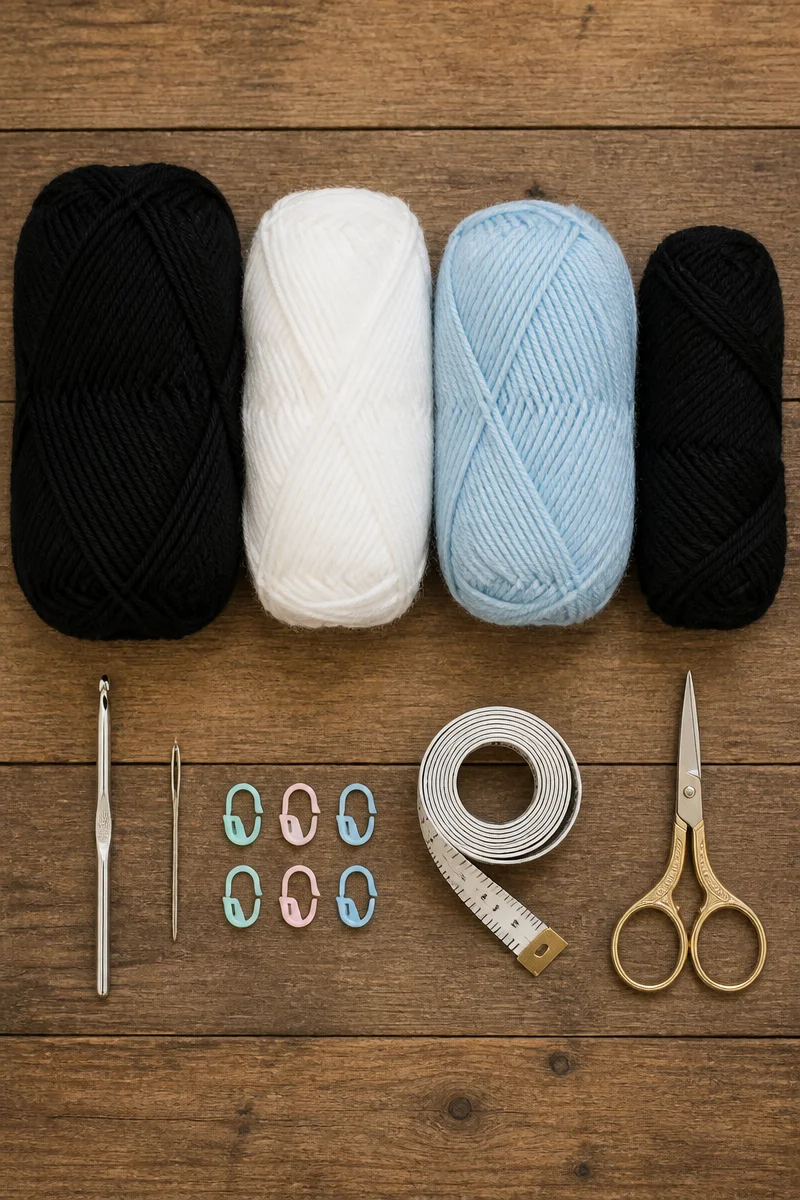
- Light worsted or DK yarn: This weight often gives a soft, flexible blanket with a nice balance of warmth and drape.
- Baby-friendly acrylic yarn: Acrylic is easy to wash, durable, and often budget-friendly, which makes it practical for everyday use.
- Cotton blend yarn: A cotton blend can add breathability, so it may work well if you want a cooler blanket for mild weather.
- Soft bamboo or viscose blend: These fibers can feel smooth and gentle, and they often give the blanket a beautiful drape.
- Hook size suited to the yarn label: Start with the hook recommended on the yarn band, then adjust if your fabric feels too stiff or too loose.
- Slightly larger hook if needed: If you want a softer, airier baby blanket, a hook one size larger can help the fabric relax and drape better.
Tips for Stripe Stitch Success
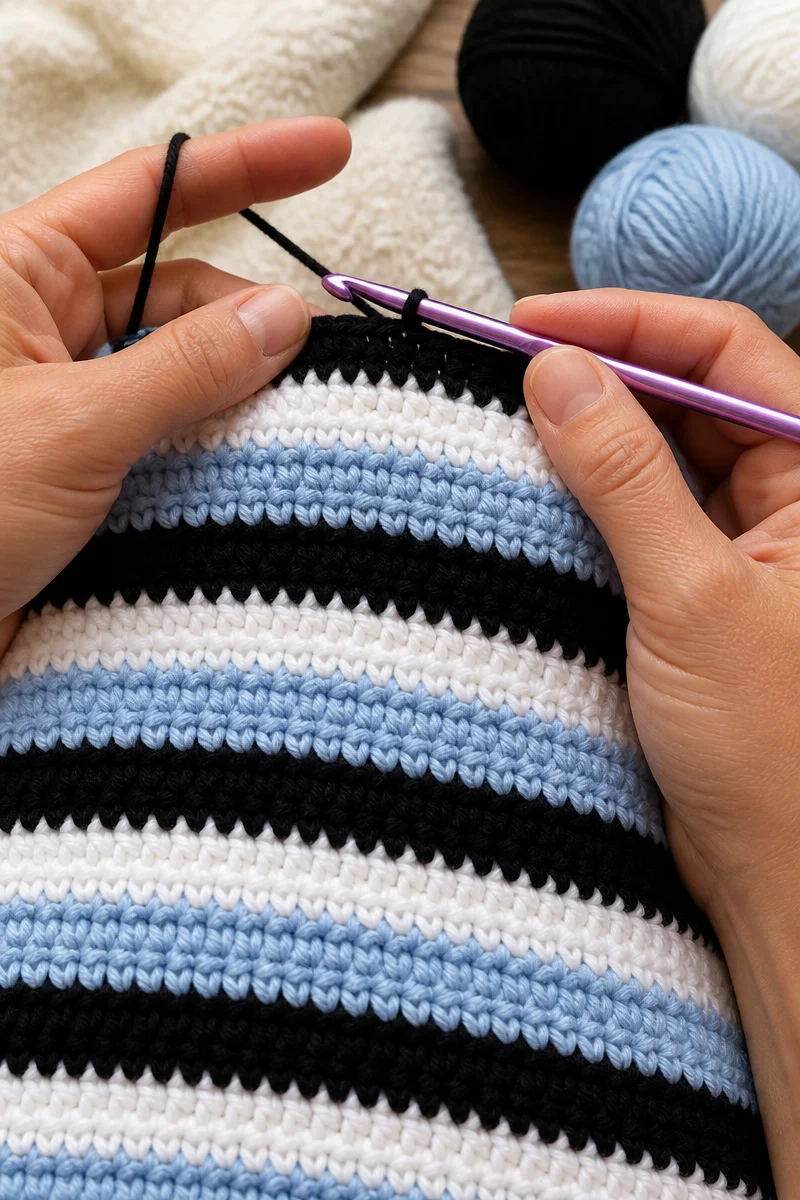
When working on a crochet penguin stripe baby blanket, tension matters a great deal. Try to keep your stitches even from the beginning, because striped fabric can make tension changes stand out quickly. Also, if your hands get tight after a while, pause for a few minutes and relax your grip. That small habit can help the blanket stay smooth and even.
In addition, take time to count your stitches at the end of each row or stripe section. This is especially helpful when you change colors, since it is easy to lose track. If you are following a written guide, read ahead before you begin the next stripe. That way, you know when a color change is coming and can keep your work neat.
Common Mistakes to Avoid
One common mistake is using a yarn that is too thick or too rough for a baby blanket. While bulky yarn can make the project grow faster, it may also create a heavier blanket that feels less comfortable for a small child. For that reason, many makers prefer soft, medium-light yarns that feel gentle and easy to handle.
Another issue is uneven tension during color changes. If you pull the new color too tight, the fabric may pucker. On the other hand, if you leave the yarn too loose, the edge can look sloppy. So, it helps to make each change with the same calm motion and to check your work often.
Miscounting stitches is also a frequent problem with striped projects. Since the color changes break up the row visually, it can be easy to miss a stitch at the edge. Therefore, counting at the end of each row can save time and frustration later.
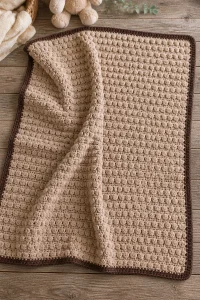
Curling edges can happen too, especially if the stitch choice is naturally firm. If that happens, try a slightly larger hook, softer yarn, or a border that helps the edge settle. In many cases, a simple finishing round can make the whole crochet penguin stripe baby blanket look more balanced.
Care and Washing Instructions
Washing: For most baby blankets, gentle machine washing is best if the yarn label allows it. Use cool or warm water and a mild detergent. However, always check the yarn care label first, since some fibers need hand washing.
Drying: Lay the blanket flat to dry if possible, because that helps protect the shape and size. If the yarn is machine safe, you may be able to tumble dry on low heat, but air drying is usually the gentler choice.
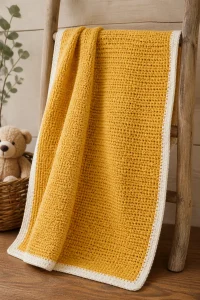
Blocking: A crochet penguin stripe baby blanket can benefit from light blocking, especially if the edges need help laying flat. Blocking can also improve stitch definition and help the stripes look more even. However, if the yarn is very soft and the fabric already looks smooth, a full block may not be necessary.
More Ideas to Try
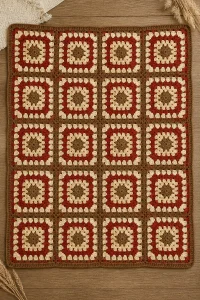
If you enjoy this project style, you may also like a waffle stitch baby blanket, a corner to corner striped blanket, or a simple granny stripe design. In addition, you could try other animal-inspired themes, such as a bear, owl, or bunny blanket, since the same stripe-based approach works well with many nursery ideas.
Conclusion
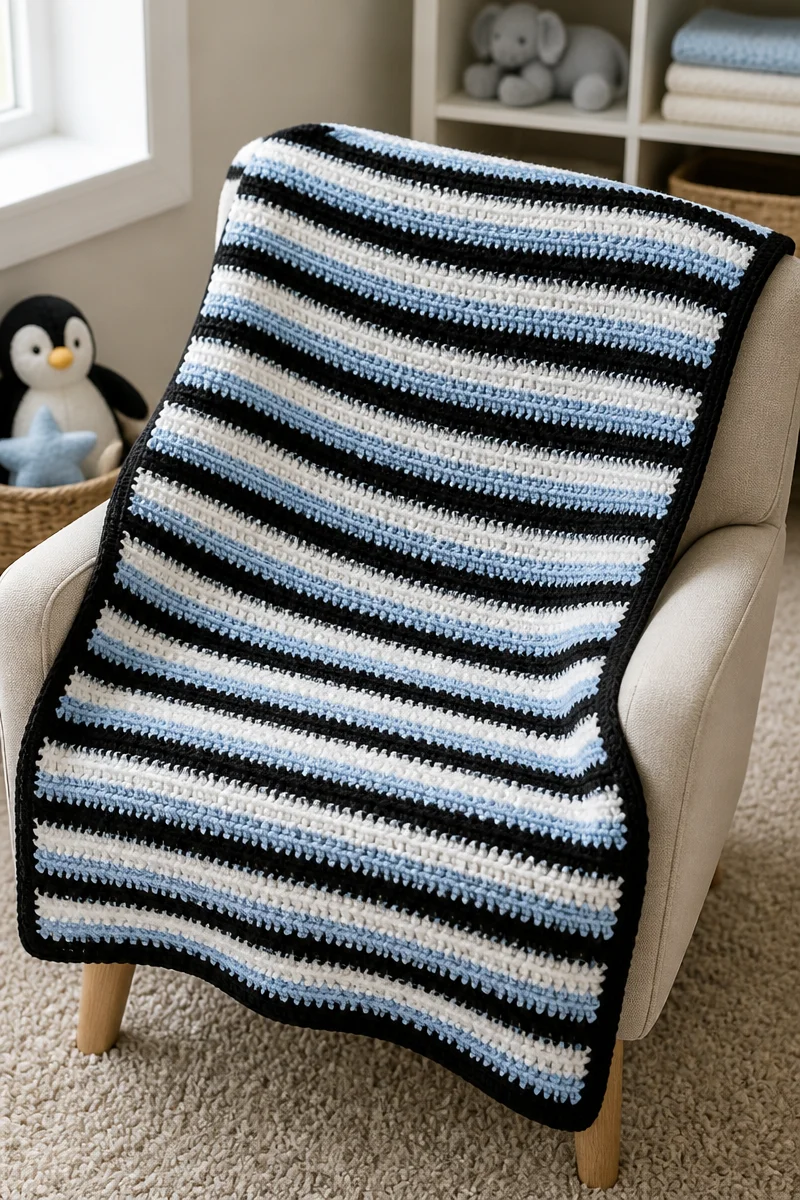
A crochet penguin stripe baby blanket is a wonderful mix of charm, comfort, and simple crochet fun. Because the stripe technique is easy to learn and easy to adapt, it works well for many skill levels. Also, with the right yarn, a steady hook size, and a little care with tension, you can make a blanket that looks sweet and feels soft.
If you are looking for a project that is practical, giftable, and full of personality, this is a great one to try. So, gather your favorite colors, start your stripes, and enjoy the process. Then, when your blanket is done, share it with family, gift it with love, or explore more baby blanket ideas and stitch guides here on the blog.