Crochet Maple Leaf Baby Pillow

Affiliate disclosure: This post may contain affiliate links. I may earn a small commission at no extra cost to you. See our Privacy Policy for details HERE.
If you love soft nursery decor with a sweet seasonal touch, the Crochet Maple Leaf Baby Pillow is one of those projects that feels both charming and useful. I like this kind of crochet piece because it brings warmth to a baby space without feeling too plain or too fancy. It has that handmade comfort that so many crocheters enjoy, and it also gives a room a gentle, cozy look.
What makes a Crochet Maple Leaf Baby Pillow special is its leaf shape, which adds texture, interest, and a playful nature-inspired style. In addition, this kind of project is usually easy to personalize with colors, yarn choices, and stuffing softness. It is often a comfortable project for confident beginners and experienced crocheters alike, since the shape may look detailed but is often built with basic shaping methods.
In this guide, you will learn what the maple leaf stitch and shaping technique means in this kind of pillow project, why it works so well for baby decor, and which yarns and hooks are most suitable. You will also get helpful tips, common mistakes to avoid, and care advice, so you can make a beautiful Crochet Maple Leaf Baby Pillow with more confidence.
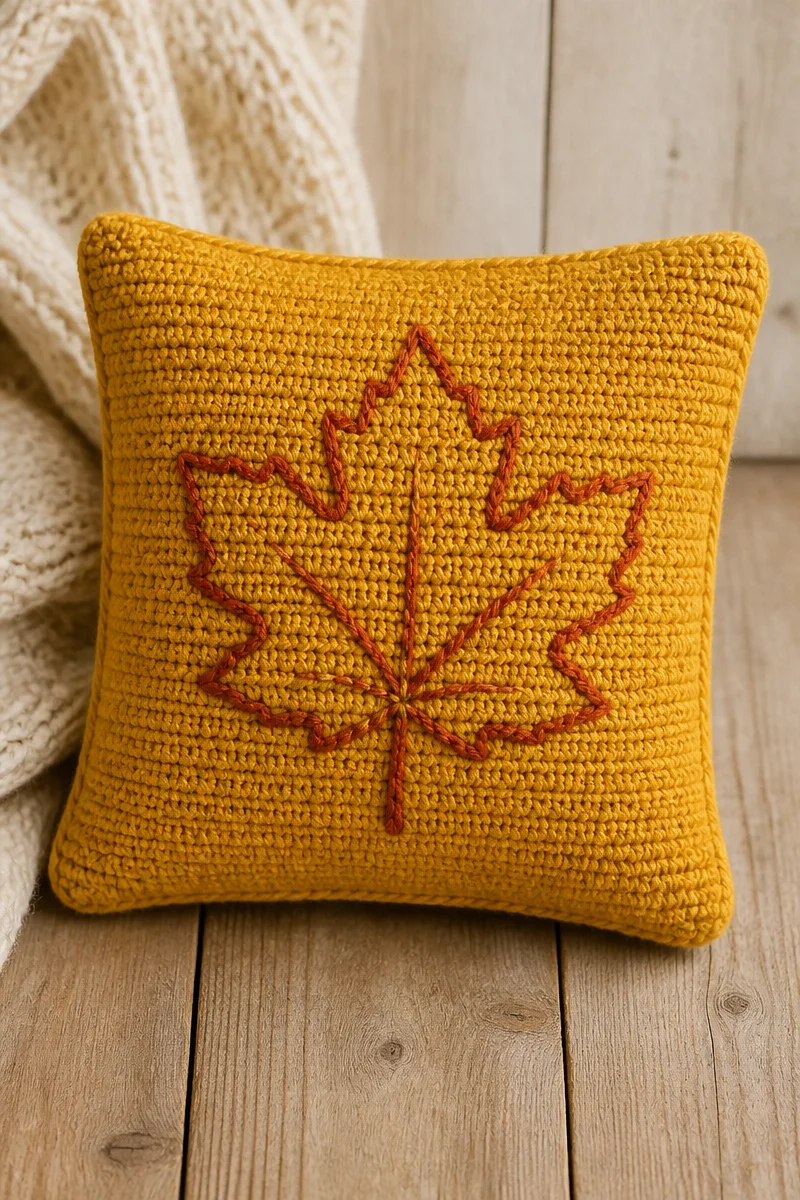
What Is the Maple Leaf Stitch and Shaping Technique Stitch?
The maple leaf stitch and shaping technique is not one single stitch in the usual sense. Instead, it is a combination of stitch work and shaping that creates the look of a maple leaf. Usually, crocheters build the leaf with simple stitches such as single crochet, half double crochet, double crochet, increases, decreases, and chain spaces. Then, they use shaping to form the points and curves that make the leaf recognizable.
Because of that, the finished Crochet Maple Leaf Baby Pillow has a bold, natural shape that stands out right away. The leaf can look smooth and rounded, or more defined and detailed, depending on the pattern style. As a result, crocheters like this technique because it feels creative, looks polished, and works well for decorative items.
Why This Is a Great Choice for Baby Pillows
- Soft and cozy: A maple leaf pillow feels gentle and comforting, which is important for baby decor.
- Beautiful decorative shape: The leaf design adds charm, so the pillow looks more special than a plain square.
- Customizable color options: You can use warm fall shades, soft neutrals, or pastel colors for a nursery look.
- Great for gift giving: A handmade Crochet Maple Leaf Baby Pillow makes a thoughtful baby shower or nursery gift.
- Works well with simple stitches: Even though the shape looks detailed, the project often uses easy stitches and shaping methods.
- Adds texture without bulk: The surface can feel interesting and lovely while still staying soft enough for display or light use.
Yarn and Hook Recommendations
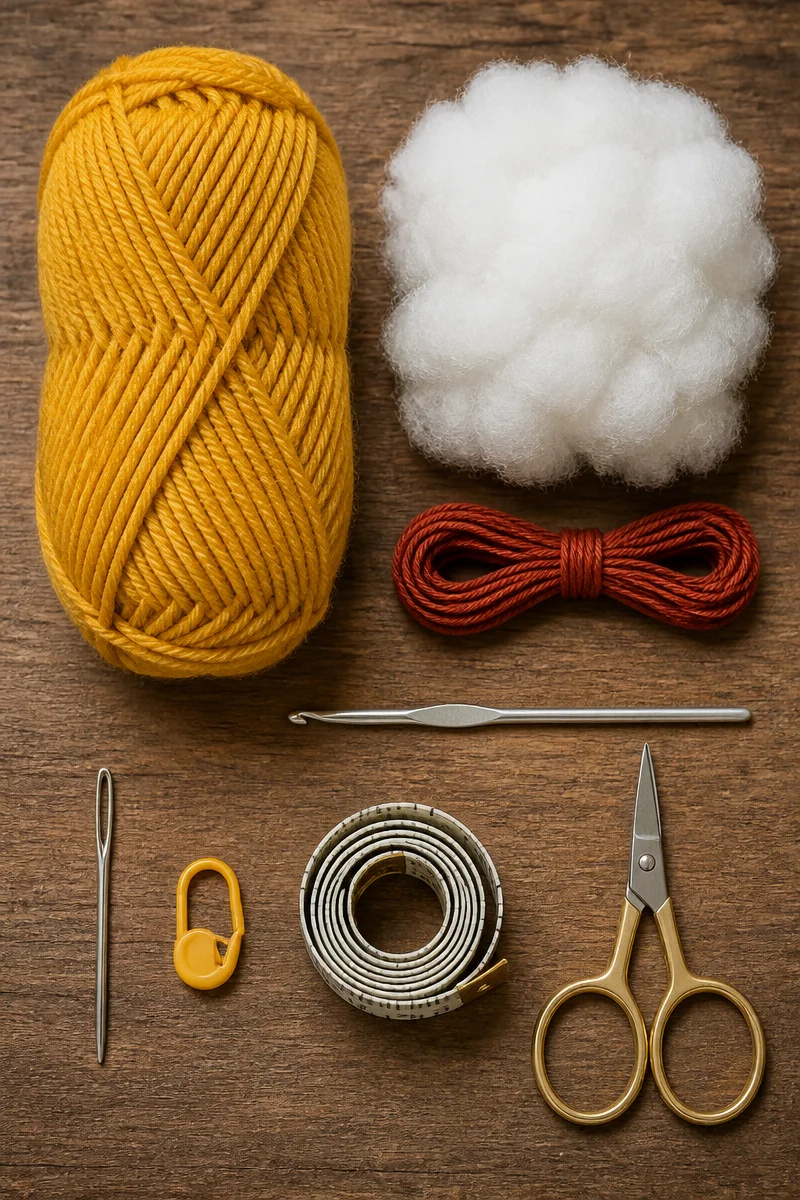
- Light worsted or worsted weight yarn: This is a good choice because it gives the pillow enough structure while still keeping it soft.
- Baby-safe acrylic yarn: Acrylic is often a practical option since it is usually easy to wash and holds shape well.
- Cotton yarn: Cotton gives a clean look and strong stitch definition, which can help the leaf shape stand out.
- Soft cotton-blend yarn: A cotton blend can offer the best of both worlds, with softness and easy care.
- A hook size that matches the yarn label: This helps keep the fabric even, which is important for a shaped pillow.
- Slightly smaller hook for firm fabric: If the pillow needs more body, a smaller hook can help keep stuffing from showing through.
Tips for Maple Leaf Stitch Success
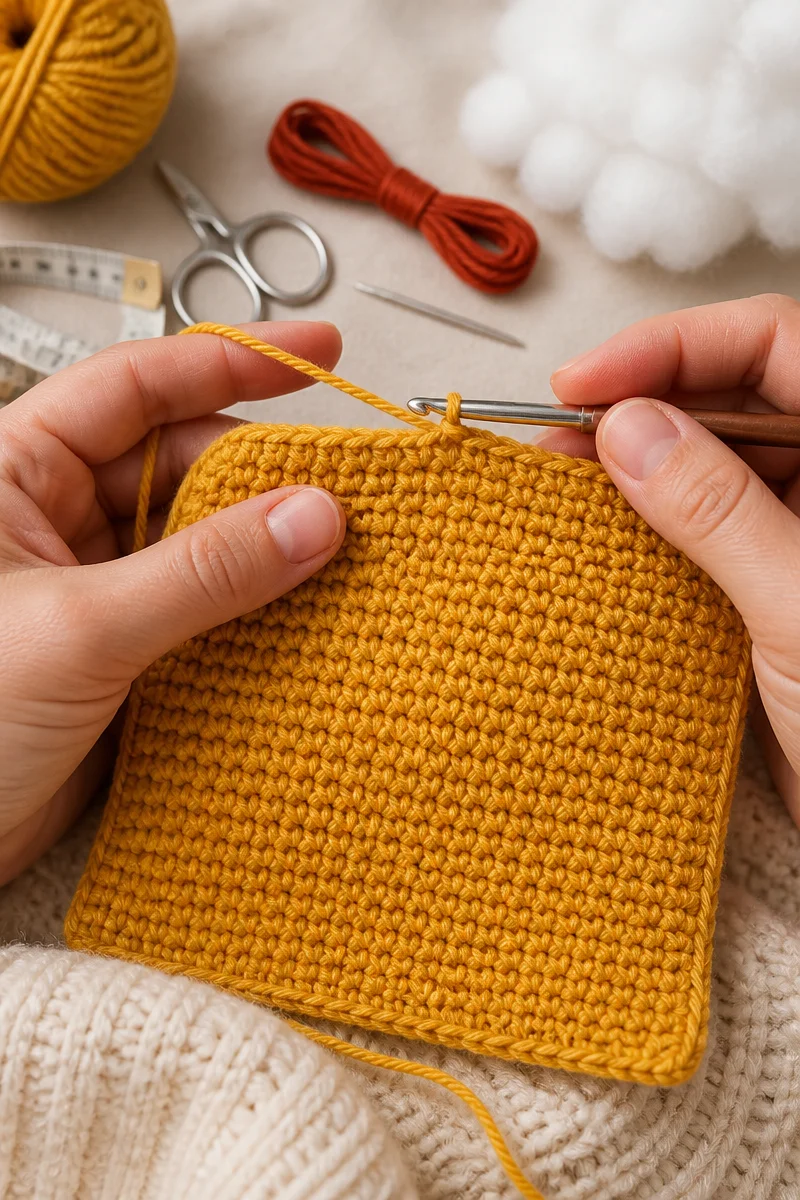
When making a Crochet Maple Leaf Baby Pillow, the most important thing is to keep your tension even. If your stitches are too loose, the edges may look sloppy and the filling may show through. However, if your stitches are too tight, the leaf can curl or become hard to shape. So, aim for a smooth, steady hand from the start.
Also, count your stitches carefully as you work each point of the leaf. Since shaping often depends on increases and decreases, one missed stitch can change the whole outline. Therefore, it helps to pause often, compare both sides, and check that the leaf looks balanced. In addition, use stitch markers if you need them, because they can make the process much easier to follow.
Common Mistakes to Avoid
One common mistake is choosing yarn that is too fuzzy or too slippery. While that yarn may feel nice, it can hide the shape of the Crochet Maple Leaf Baby Pillow and make the edges harder to define. Instead, choose yarn with enough stitch visibility so the leaf details can shine.
Another issue is uneven tension. If one side of the leaf is tighter than the other, the pillow may twist or look lopsided. Because of that, it helps to check your work often and make small adjustments before the piece gets too far along. Consistent tension will save time later.
A third mistake is miscounting the points or sections of the leaf. Since shaped projects depend on balance, even a small counting error can affect the final result. So, take your time, especially when working the veins, tips, or curved edges. In many cases, slow and steady works better than rushing.
Finally, some crocheters use stuffing that is too firm or too thin. If the filling is packed too tightly, the pillow may feel stiff instead of soft. On the other hand, if it is too light, the pillow may look flat. Therefore, use enough filling to support the shape while still keeping the pillow gentle and squishy.
Care and Washing Instructions
Washing: For a Crochet Maple Leaf Baby Pillow, gentle care is usually best. If you use acrylic or a machine-washable blend, you can often wash it on a mild cycle in cool water. However, if you use cotton or a delicate fiber, hand washing is safer. Always check the yarn label first.
Drying: Lay the pillow flat to dry whenever possible. This helps keep the leaf shape neat and prevents stretching. If the pillow has a removable cover, reshape it gently before drying. Avoid high heat, since that can damage fibers or change the size of the pillow.
Blocking: Blocking can help a lot, especially if the leaf edges need to lie flat or the shape needs a little extra polish. It is not always required, but it can improve the final look. As a result, blocking is often worth considering for the outer piece before assembly.
More Ideas to Try
If you enjoy the Crochet Maple Leaf Baby Pillow, you may also like other nature-inspired crochet projects such as leaf garlands, autumn appliqués, or tree-themed baby blankets. In addition, you might enjoy trying other shaped pillows, like hearts, flowers, or stars, since they use similar shaping skills. These projects can help you practice design and stitch control while keeping things fun and creative.
Conclusion
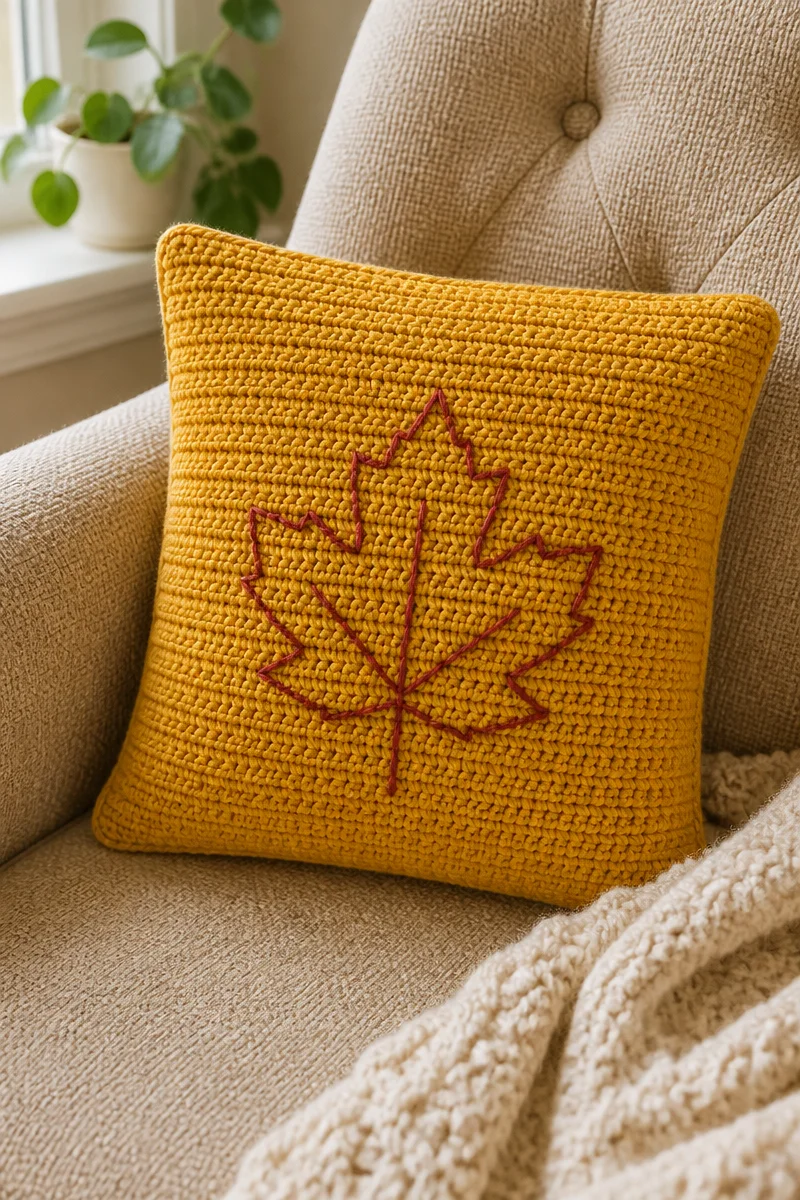
The Crochet Maple Leaf Baby Pillow is a lovely project for anyone who enjoys cozy nursery decor with a handmade touch. It combines soft texture, natural shape, and simple crochet skills in a way that feels both rewarding and useful. In addition, it gives you a chance to practice shaping, stitch counting, and yarn selection in one beautiful project.
If you are ready for a charming new make, try this technique and see how your own pillow turns out. Then share your results, compare color ideas, and keep exploring related crochet guides for more inspiration.