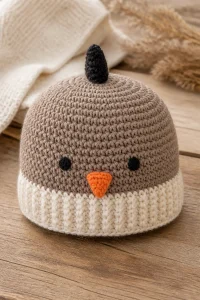
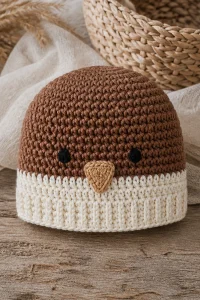
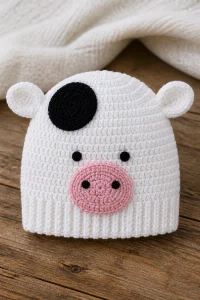
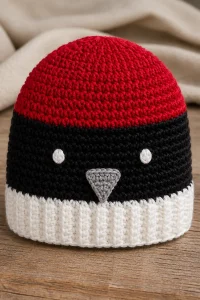
Crochet Llama Baby Hat Beanie

Affiliate disclosure: This post may contain affiliate links. I may earn a small commission at no extra cost to you. See our Privacy Policy for details HERE.
A crochet llama baby hat beanie is a sweet way to bring a little handmade charm to a baby’s wardrobe. I love how a simple hat can become special with a pair of llama ears, a soft muzzle, or a colorful pom-pom. It can also make a thoughtful baby shower gift.
What makes this project stand out is the contrast between a cozy, rounded beanie and playful animal details. The hat itself often uses familiar basic stitches, while the ears and facial features add a fun finishing touch. With careful shaping, the project can suit a confident beginner who is comfortable following a pattern.
In this guide, you’ll learn how a crochet llama baby hat beanie is typically constructed, what yarn and hook choices work well, and how to make the details neat and comfortable. You’ll also find practical tips and common mistakes to avoid, so you can enjoy making a hat that looks sweet and feels gentle.
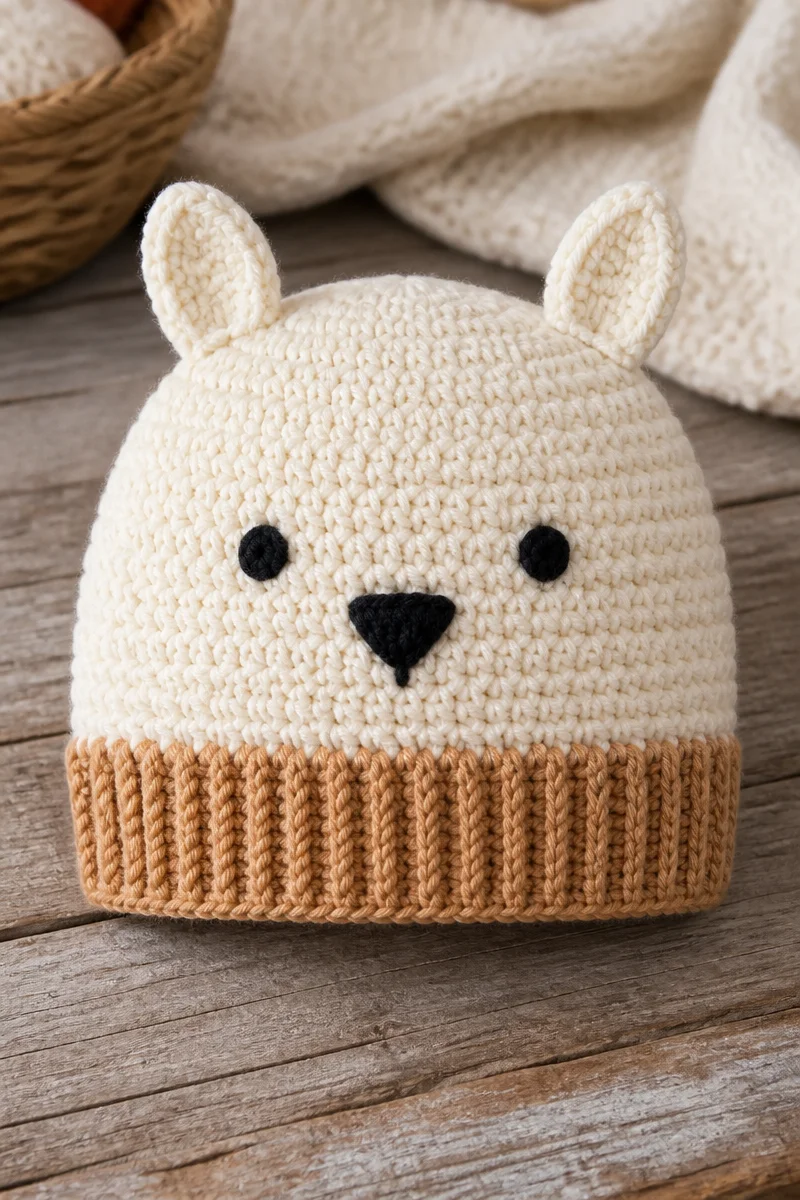
What Is the Crochet Llama Baby Hat Beanie Technique?
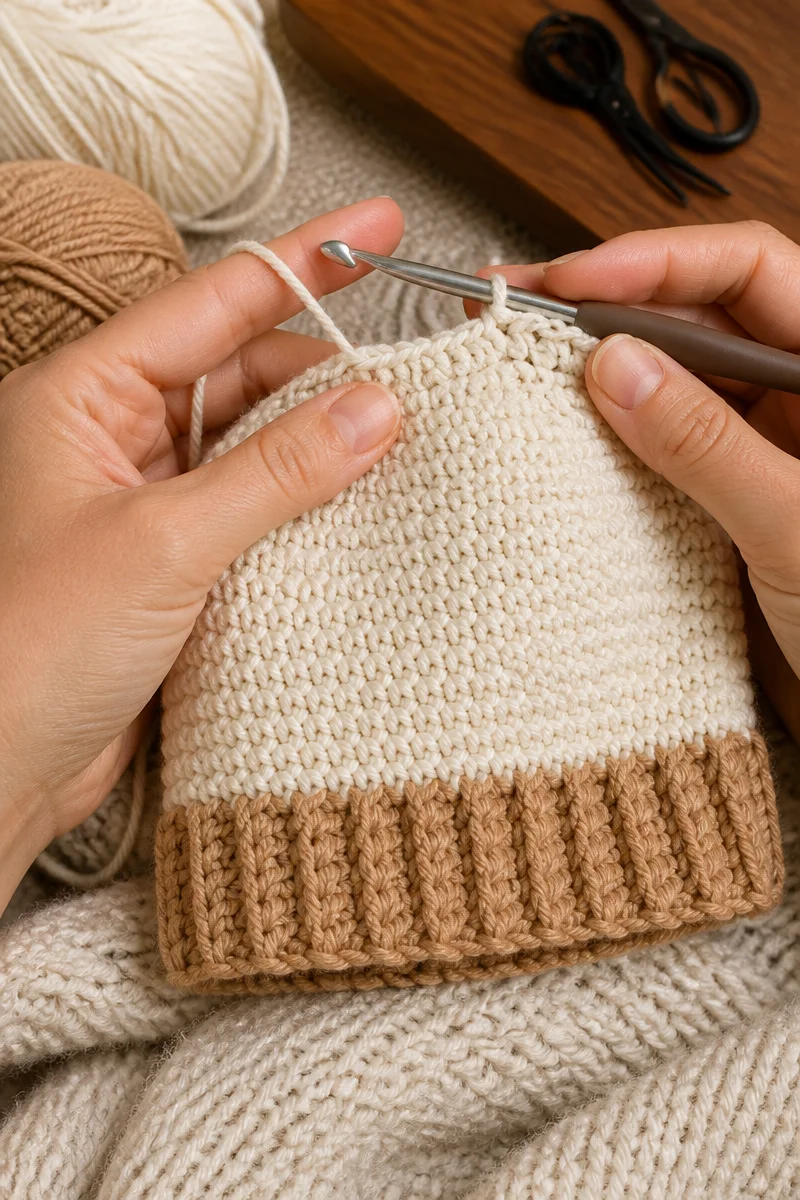
A crochet llama baby hat beanie is a small, rounded hat decorated to resemble a llama. The hat is usually crocheted in joined rounds or a continuous spiral. Many patterns start at the crown and increase stitches to create a flat circle. Then, the crocheter works even rounds to form the sides and finish the brim.
The basic hat may use single crochet, half double crochet, or double crochet. These are standard crochet stitches, not a special llama stitch. The llama look comes from the added features, such as ears, a muzzle, a fringe, and embroidered eyes or nostrils. Together, these parts create a soft, friendly face.
Because the hat is small, it can be a manageable project. However, size and comfort matter more than tiny details. Follow a pattern made for the baby’s age or measurements, and keep any attached features secure and away from areas a baby could pull or mouth.
Why This Is a Great Choice for Baby Hats
- It makes a memorable gift. A llama design feels personal and playful, so it can be a lovely choice for a baby shower or a photo outfit.
- It uses familiar stitches. The main beanie often relies on basic stitches, while the ears and muzzle offer a chance to practice simple shaping.
- It can be customized. You can choose gentle neutral shades, soft pastels, or a brighter color scheme to suit your taste.
- It works well for small amounts of yarn. The hat and its details usually take less yarn than a larger project, though the exact amount depends on the pattern and size.
- It offers room to build skills. As you work, you can practice crocheting in the round, increasing evenly, checking fit, and attaching small pieces neatly.
Yarn and Hook Recommendations
- Choose a soft, washable yarn. Baby hats need frequent cleaning, so a yarn that is comfortable against skin and easy to care for is a practical choice.
- Consider light or medium yarn weight. Many baby beanie patterns use DK or worsted-weight yarn. Check the pattern first, since changing yarn weight can affect the fit.
- Look at the fiber content. Acrylic and machine-washable blends are often easy-care options. Soft cotton blends may also suit warm weather, but check that the finished fabric stays flexible.
- Use the hook size listed in the pattern as a starting point. A smaller hook creates a firmer fabric, while a larger hook creates a looser one. Make a gauge swatch when the pattern provides gauge information.
- Keep the fabric soft and flexible. A very stiff hat may feel uncomfortable, while an overly loose fabric may not hold its shape. Adjust your hook only after checking your gauge.
- Pick colors with clear contrast for details. A contrasting muzzle or ear shade can make the llama’s features easy to see. Still, choose smooth yarn that will not feel scratchy against a baby’s skin.
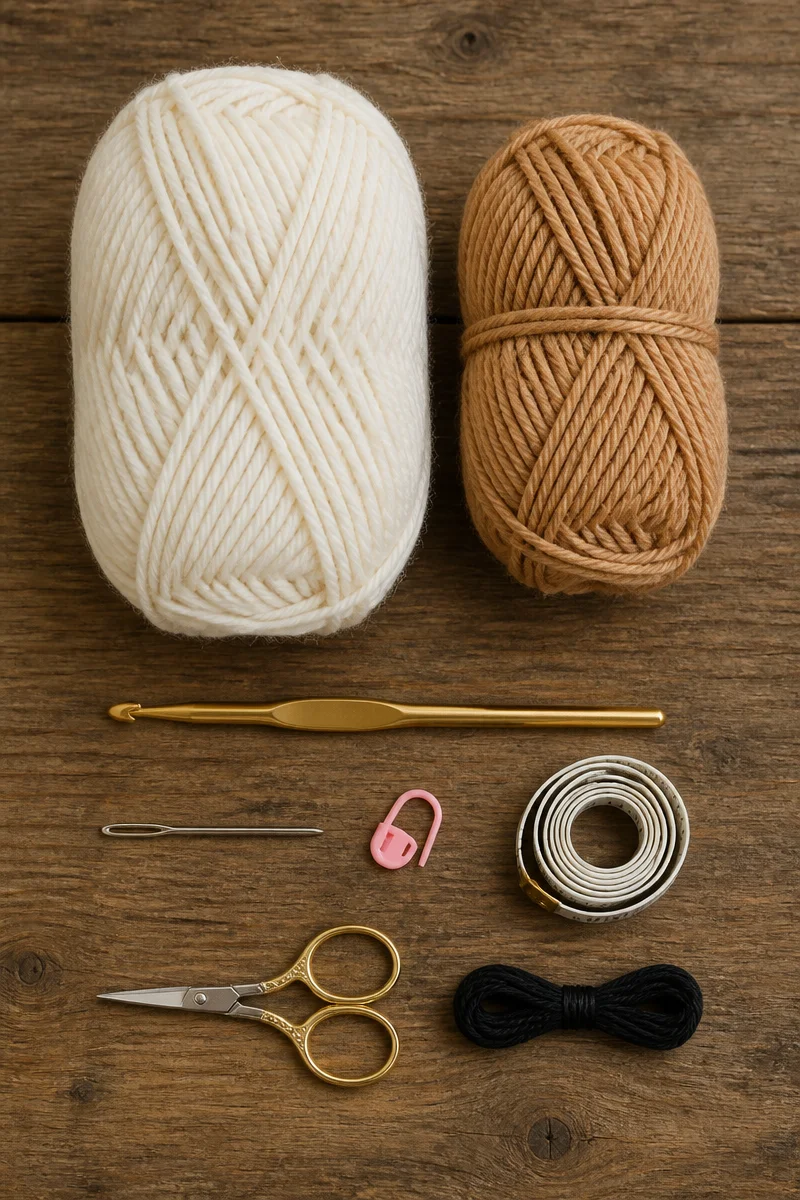
Tips for Crochet Llama Baby Hat Beanie Success
First, check the pattern’s size notes and gauge before you begin. Baby sizes can vary, so use the measurements in the pattern rather than relying only on an age label. As you work the crown, count increases carefully. Even spacing helps the top stay flat instead of forming a cone or ruffle.
Next, mark the start of each round, especially if you crochet in a spiral. Keep your stitches relaxed and consistent, and pause now and then to check the hat’s shape. When you attach the ears and muzzle, pin them in place before sewing. This gives you a chance to check the look and make sure both sides sit evenly.
Common Mistakes to Avoid
A common problem is choosing yarn or a hook that does not match the pattern. Even a small change can make a baby hat too large, too tight, or too stiff. Therefore, check your gauge and use the recommended yarn weight whenever possible.
It is also easy to lose track of increases at the crown. If you add too few or too many stitches, the top may cup or ripple. Use a stitch marker and count each round, particularly when you are still learning to crochet in the round.
Take care when attaching the llama’s features. Crooked ears or an off-center muzzle can change the expression, so pin the pieces in place and look at the hat from the front before sewing. Also, secure all details firmly and follow safe-use guidance for baby items. Avoid loose decorations or small parts that could come away.
Finally, do not assume that every baby hat fits the same way. A hat that looks right on the table may still be too tight or too loose. Follow the pattern’s measurements, and do not stretch the fabric to force a fit.
Care and Washing Instructions
Washing: Follow the yarn label and the pattern’s care advice. Many washable acrylic yarns can go in the washing machine on a gentle cycle, while some cotton blends may need cooler water or a delicate setting. If you are unsure, hand-wash the hat with mild soap and rinse it well.
Drying: Press out extra water gently with a clean towel. Then reshape the hat and lay it flat to dry. Avoid wringing or hanging it, since either can stretch the stitches or pull the ears out of shape.
Blocking: A small baby beanie usually needs little or no blocking. However, gentle shaping while the hat dries can help smooth the fabric and even out the brim. Avoid heavy blocking that stretches the hat or changes its fit.
More Ideas to Try
If you enjoyed making a crochet llama baby hat beanie, you might like a simple animal-ear beanie, a bear or bunny hat, a striped baby hat, or a soft crochet baby blanket. You can also explore other small amigurumi-style details, while keeping baby items comfortable and securely finished.
Conclusion
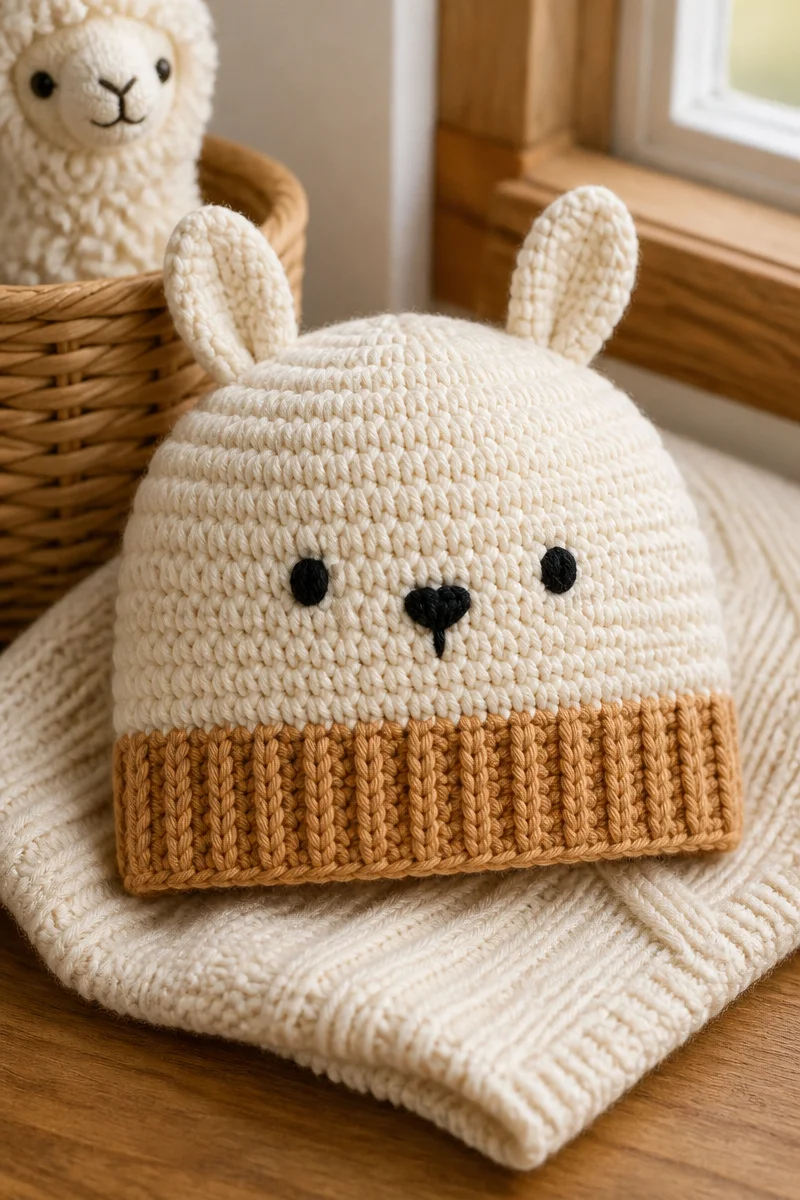
A crochet llama baby hat beanie combines a cozy, simple hat with charming details. Choose soft, easy-care yarn, check your gauge, count your rounds, and attach each feature securely. Most of all, enjoy giving the llama its own friendly look. Try the project, share your finished hat with fellow crocheters, or explore another baby-friendly crochet guide on the blog.