Crochet Gypsophila Flower Mantel Garland

Affiliate disclosure: This post may contain affiliate links. I may earn a small commission at no extra cost to you. See our Privacy Policy for details HERE.
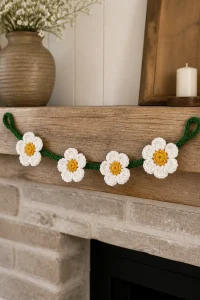
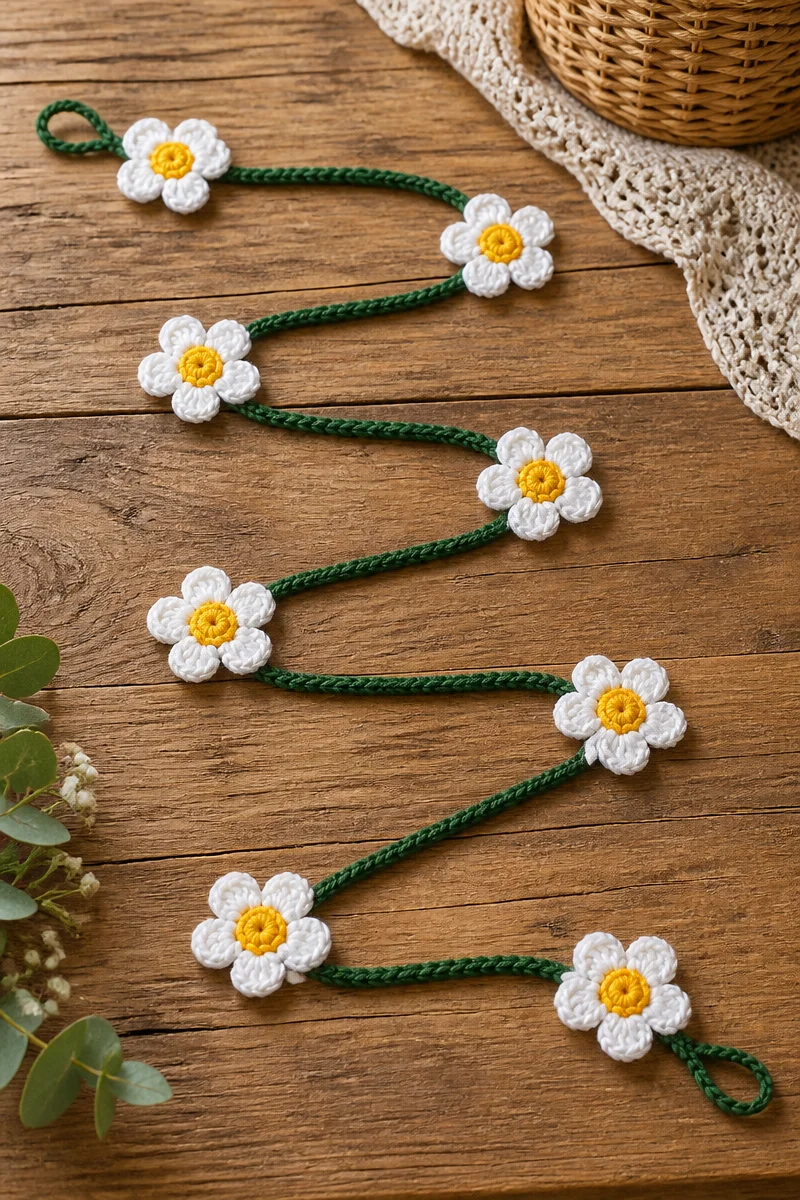
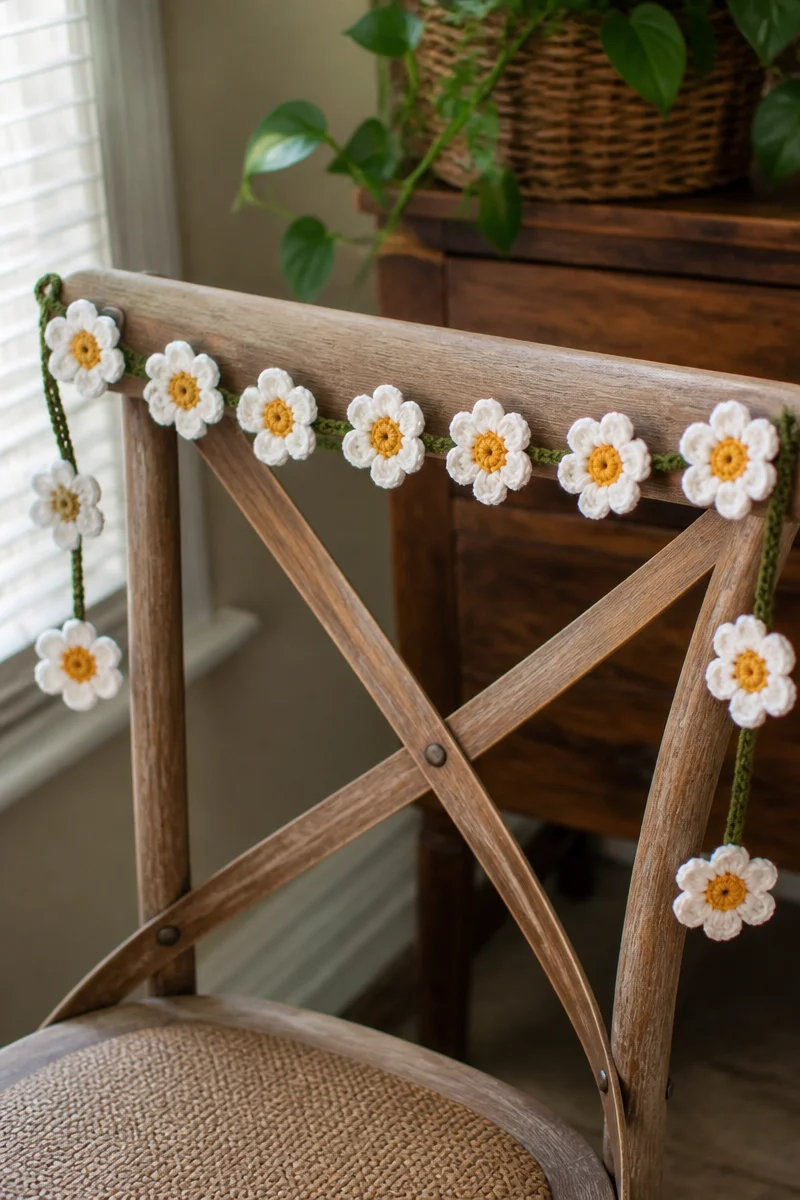
A crochet gypsophila flower mantel garland brings the light, airy look of baby’s breath to a shelf, fireplace, or party table. I love how this delicate decoration adds a little handmade charm without making a room feel crowded. It also makes a thoughtful gift for someone who enjoys flowers but wants an arrangement that lasts.
This project is made from small crocheted flowers and leafy stems arranged along a garland. The flowers have a soft, lacy look, and the finished piece is light enough to drape over a mantel. The work calls for basic crochet skills and some patience, especially when making several small pieces, but you can build the garland at your own pace.
In this guide, you’ll learn how the crochet flowers and garland come together, which yarn and hook choices work well, and how to keep your stitches neat. You’ll also find practical tips for arranging the flowers, caring for the finished decoration, and avoiding common project hiccups.
What Is the Crochet Gypsophila Flower Garland Technique?
A crochet gypsophila flower garland is a decorative arrangement made by crocheting small flower shapes, then attaching them to stems or a cord. Unlike a project built around one repeating stitch, this garland combines simple stitches and joining techniques to create an overall floral effect.
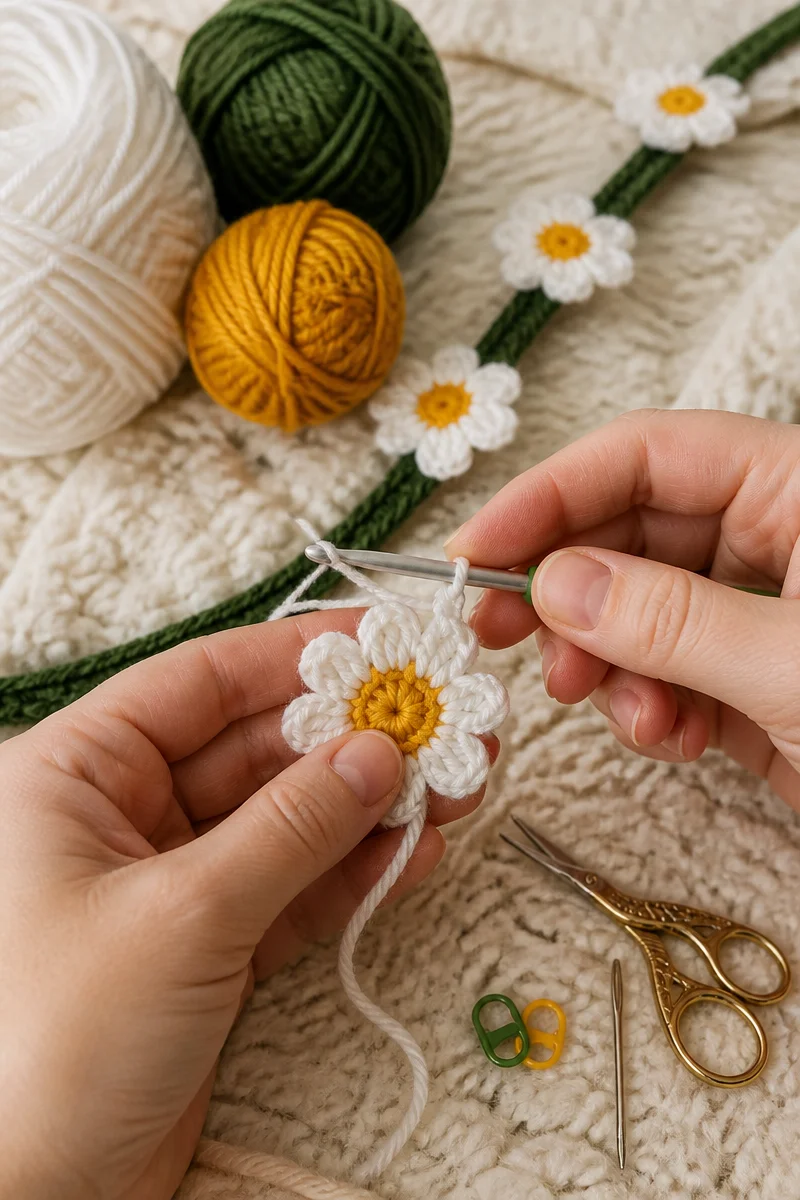
The tiny flowers are often made with chain stitches, slip stitches, and small clusters or loops. These details create rounded petals that resemble baby’s breath. Meanwhile, green yarn can form slender stems and leaves. Crocheters like this approach because it turns a few familiar techniques into a delicate, customizable display.
The exact method varies from design to design. Some makers crochet each bloom separately and sew it onto a stem. Others work flower clusters directly onto a cord. Either way, the goal is to make the blooms look light and natural, rather than stiff or crowded.
Why This Is a Great Choice for a Mantel Garland
- It looks light and graceful. Small blooms create a soft floral display without covering the whole mantel.
- It suits many spaces. You can drape the garland over a fireplace, shelf, doorway, or party table.
- It is easy to customize. Choose white flowers for a classic look, or add cream, blush, or pale yellow blooms.
- You can work on it in small sessions. Make a few flowers at a time, then assemble the garland when you have a quiet moment.
- It makes a lasting decoration. Unlike fresh baby’s breath, a crocheted garland will not wilt, though it does need occasional dusting.
Yarn and Hook Recommendations
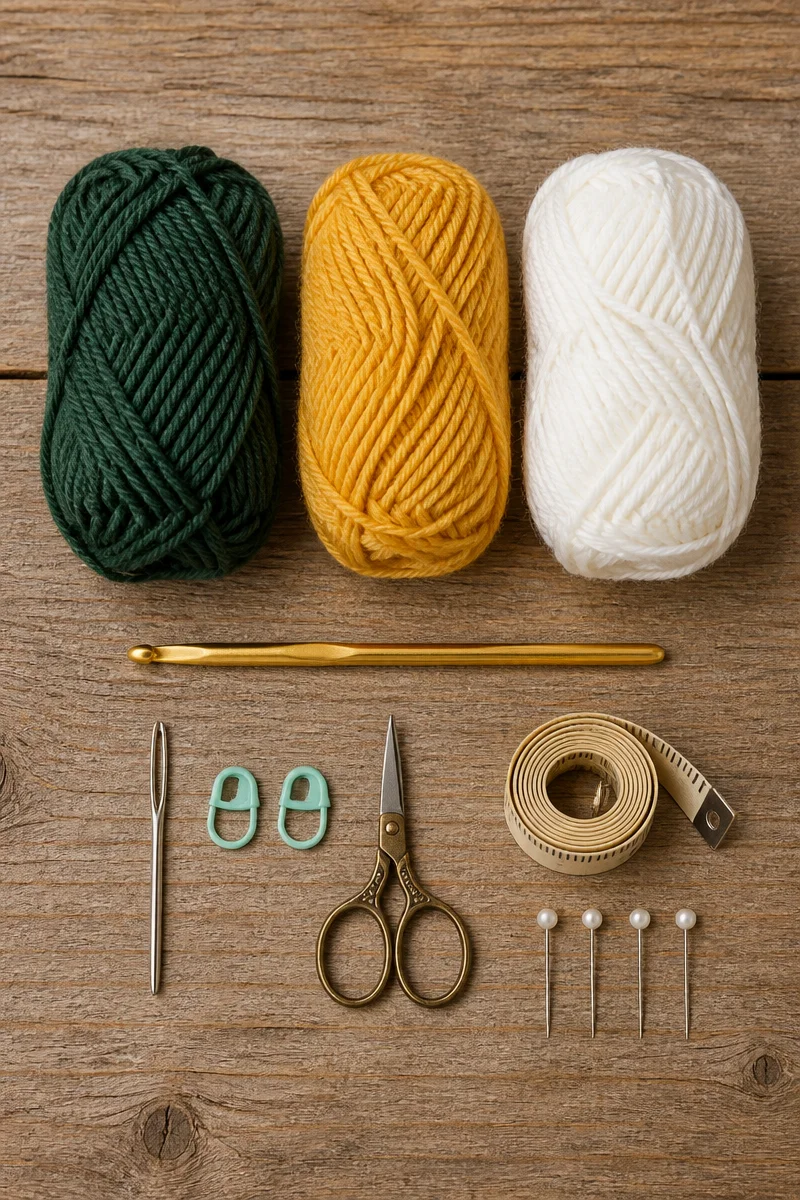
- Choose lightweight yarn for delicate flowers. Fingering or sport-weight yarn helps keep the blooms small and airy.
- Try cotton for crisp stitch definition. Cotton yarn holds its shape well and makes the flower details easy to see.
- Use acrylic for easy care. A smooth acrylic yarn is widely available and often simple to wash, depending on its care label.
- Consider a blend for softness and shape. Cotton-acrylic blends can feel gentle while still giving flowers some structure.
- Pick a hook that suits your yarn. A smaller hook, often around 2.25 mm to 3.5 mm for fine yarn, can help create tidy, compact flowers. Always check the yarn label and your own tension.
- Use green yarn for stems and leaves. A similar yarn weight keeps the greenery in scale with the blooms. If you use a thicker yarn for the cord, make sure it still drapes comfortably.
Tips for Crochet Gypsophila Flower Garland Success
First, keep your flower size and tension as even as you can. Small blooms show differences quickly, so work at a relaxed pace and check a few flowers together as you go. If the petals feel tight or stiff, try a slightly larger hook. If they look loose and floppy, a smaller hook may help.
Next, plan the layout before attaching every flower. Lay the blooms along the cord or stem, then adjust the spacing until the garland looks balanced. A little variation can make it feel natural, but clusters that are too dense may hide the individual flowers. If your design uses repeated flower groups, count them as you work and mark completed sections with a removable stitch marker.
Common Mistakes to Avoid
One common problem is making the flowers too tight. Tight stitches can flatten the petals and make the blooms hard to shape. Instead, keep your hands relaxed and test a few flowers before making a large batch.
Another mistake is using yarn that is too bulky. Thick yarn can make a delicate crochet gypsophila flower garland look heavy. If you want a fuller style, add more small blooms rather than switching to a much thicker yarn.
Spacing can also be tricky. When flowers sit too close together, the garland may look crowded. On the other hand, wide gaps can leave the cord looking bare. Arrange the pieces first, then sew or join them in place once you like the balance.
Finally, avoid attaching every flower with a tight, hard knot. Tight joins may pull the cord out of shape or make the garland hang unevenly. Secure each bloom firmly, but leave enough flexibility for the garland to drape.
Care and Washing Instructions
Washing: Check the yarn label before cleaning your garland. For washable cotton or acrylic yarn, gently hand wash it in cool water with mild soap. Avoid twisting or scrubbing the flowers, since the petals can catch or lose their shape.
Drying: Press out extra water with a clean towel, then lay the garland flat to air-dry. Shape the flowers and stems while they are damp. Avoid hanging the garland while it is wet, as the weight of the water may stretch it.
Blocking: Light blocking can help smooth the cord and neaten the flower shapes. However, small blooms usually need only gentle shaping with your fingers. Test any blocking method on a spare flower first, especially if the yarn contains acrylic or another fiber that may react to heat.
More Ideas to Try
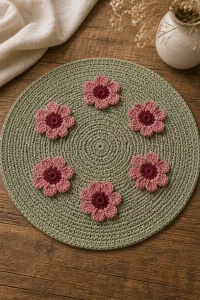
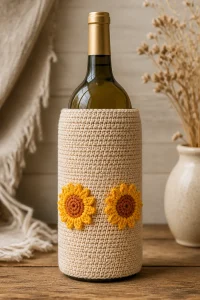
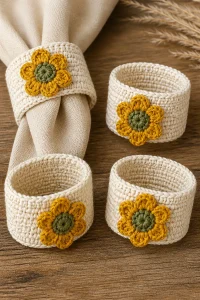
If you enjoy making a crochet gypsophila flower garland, you might also like crocheted daisies, tiny roses, or leafy vine garlands. For another airy flower project, try a lace-style crochet motif. You can also adapt the garland with pastel blooms, add a few larger flowers as accents, or make a matching mini wreath for a door or wall.
Conclusion
A crochet gypsophila flower garland is a lovely way to turn simple crochet techniques into a lasting floral decoration. Lightweight yarn, even tension, and thoughtful flower spacing help the finished piece look soft and natural. Most of all, you can make the garland gradually and shape it to suit your home.
Gather your yarn, make a few blooms, and see how they look on your mantel. Then share your finished garland with a fellow crocheter, or explore another floral crochet project on the blog.