Crochet Ermine Baby Hat Beanie

Affiliate disclosure: This post may contain affiliate links. I may earn a small commission at no extra cost to you. See our Privacy Policy for details HERE.
An ermine baby hat beanie is a sweet way to make a small hat feel special. I love how a simple crochet fabric can take on a snowy, speckled look with little raised tufts. It feels playful without needing a lot of extra decoration.
The ermine effect comes from small, textured stitches worked across the fabric. As a result, the hat has a soft, nubby surface that stands out from a plain beanie. The technique is usually approachable for crocheters who know basic stitches, though the texture may take a little practice to keep even.
In this guide, you’ll learn what the ermine stitch is and how it can suit a baby beanie. You’ll also find yarn and hook suggestions, helpful tips, and common mistakes to watch for. Finally, we’ll cover care so your finished hat stays soft and comfortable.
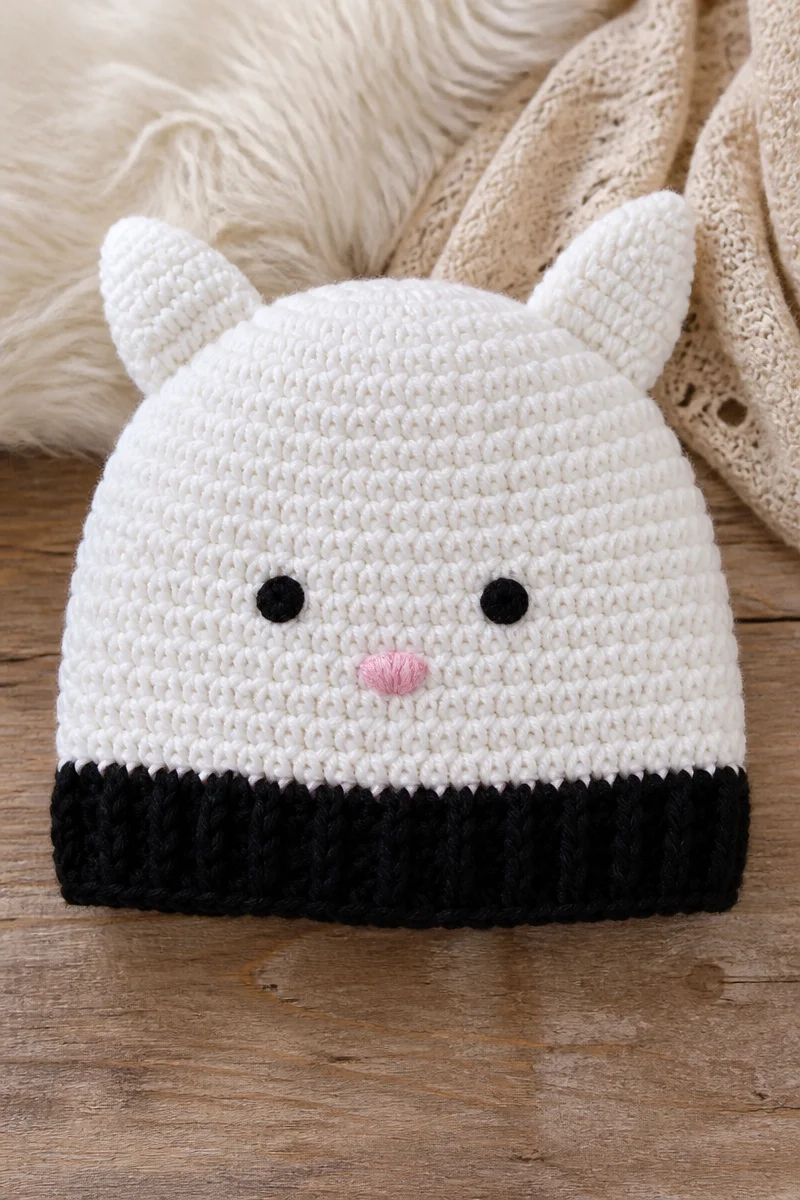
What Is the Ermine Stitch?
The ermine stitch is a textured crochet technique that creates small, raised bumps across the fabric. Depending on the pattern, these tufts may be formed with a cluster or puff-style stitch worked into the surrounding rows or rounds. The bumps give the fabric a speckled look reminiscent of an ermine’s winter coat.
Because ermine stitch is a texture rather than one single universal stitch formula, the exact method can vary between patterns. Check the pattern’s stitch instructions before you begin, especially if it uses a special abbreviation. Once you understand how each raised tuft is made, the repeated texture becomes easier to follow.
Crocheters enjoy this stitch because it adds visual interest without requiring a color change. For a baby hat, it can create a charming finish while keeping the design simple and cozy.
Why This Is a Great Choice for Baby Hats
- It adds a sweet, distinctive texture. The raised tufts give an ermine baby hat beanie a playful look without extra trim.
- It works well in a small project. A hat lets you try the stitch without committing to a large blanket or garment.
- It can suit many styles. Use a single shade for a soft, classic look, or choose a contrasting brim for a little extra color.
- It gives crocheters room to practice. The repeated texture helps you build confidence with stitch placement and tension.
- It makes a thoughtful handmade gift. A soft, well-fitted beanie is a useful present for a baby, provided the yarn and care instructions suit the family.
Yarn and Hook Recommendations
- Choose a smooth, soft yarn. Baby-friendly acrylic, cotton, or washable blends make the texture easier to see and are often practical for frequent washing.
- Consider a light or medium yarn weight. The pattern’s recommended weight is the best starting point, since a bulky yarn can make the raised stitches feel too heavy for a small hat.
- Check the yarn label for care advice. Machine-washable yarn can make an ermine baby hat beanie easier for busy caregivers to maintain.
- Use the hook size listed in the pattern first. A small swatch can help you see whether the fabric feels soft and flexible rather than stiff.
- Adjust the hook only after checking your gauge. If your stitches are too tight, a slightly larger hook may help. If they are too loose, try a smaller one.
- Avoid scratchy or fragile fibers. A soft yarn that holds its shape and tolerates gentle washing is usually a better choice for a baby accessory.
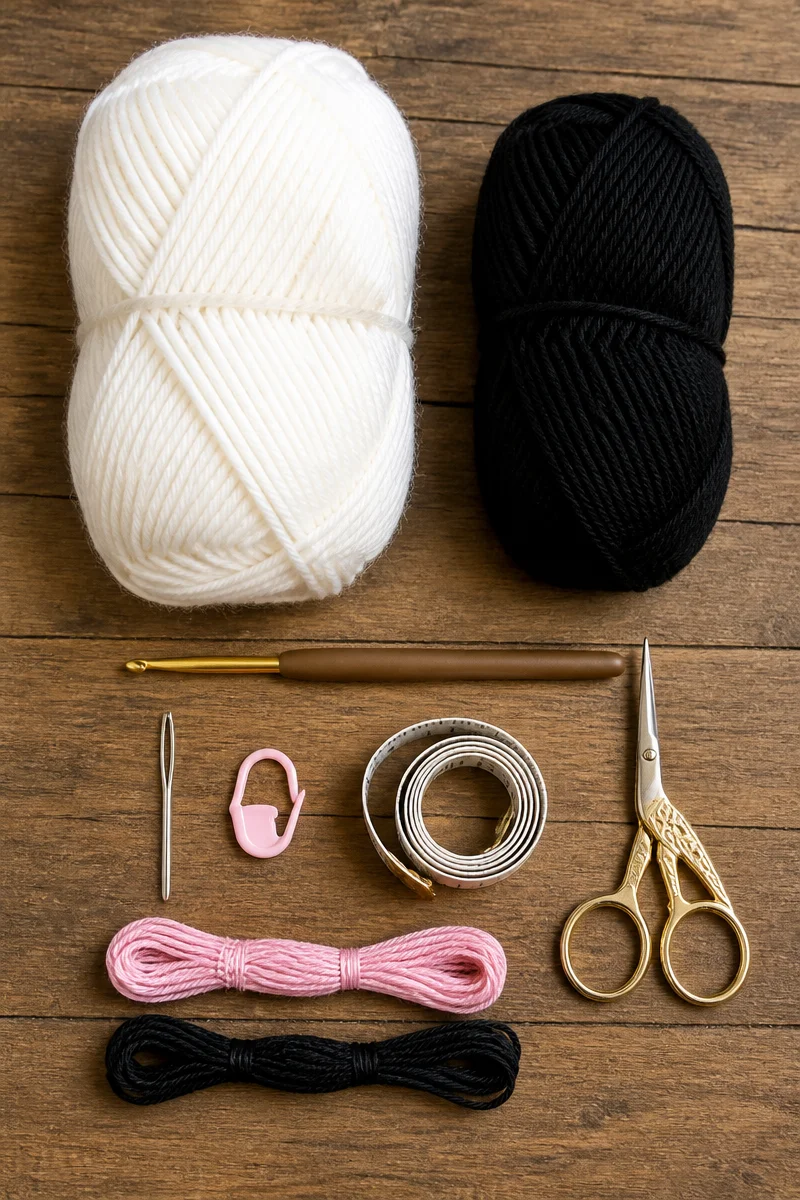
Tips for Ermine Stitch Success
First, make a small swatch if the pattern includes one. The raised tufts can use more yarn and create a thicker fabric than plain crochet stitches. A swatch also helps you check whether your hook gives the hat a comfortable feel.
Then, take care to keep each textured stitch in the correct place. Count stitches at the end of each round or row, and use a stitch marker to show the start of a round when needed. Also, keep your tension relaxed and steady. If you pull the tufts too tightly, the fabric may feel stiff or draw inward.
Common Mistakes to Avoid
One common issue is using a different yarn weight from the pattern without checking the finished size. Even a small change can affect how the hat fits. Therefore, compare your gauge with the pattern and adjust your hook or yarn choice before continuing.
Another pitfall is missing a stitch while working the raised texture. The bumps can make it harder to see the top loops of nearby stitches. Pause often, count your stitches, and look closely at the pattern’s stitch placement.
Tension can also vary when you make puff or cluster-style tufts. If some are tight and others are loose, the surface may look uneven. Instead, use a consistent motion and avoid pulling the working yarn too firmly.
Finally, do not assume every ermine stitch pattern uses the same method. The term may describe a similar textured effect, but the stitch construction can differ. Read the pattern key and any special instructions before starting your ermine baby hat beanie.
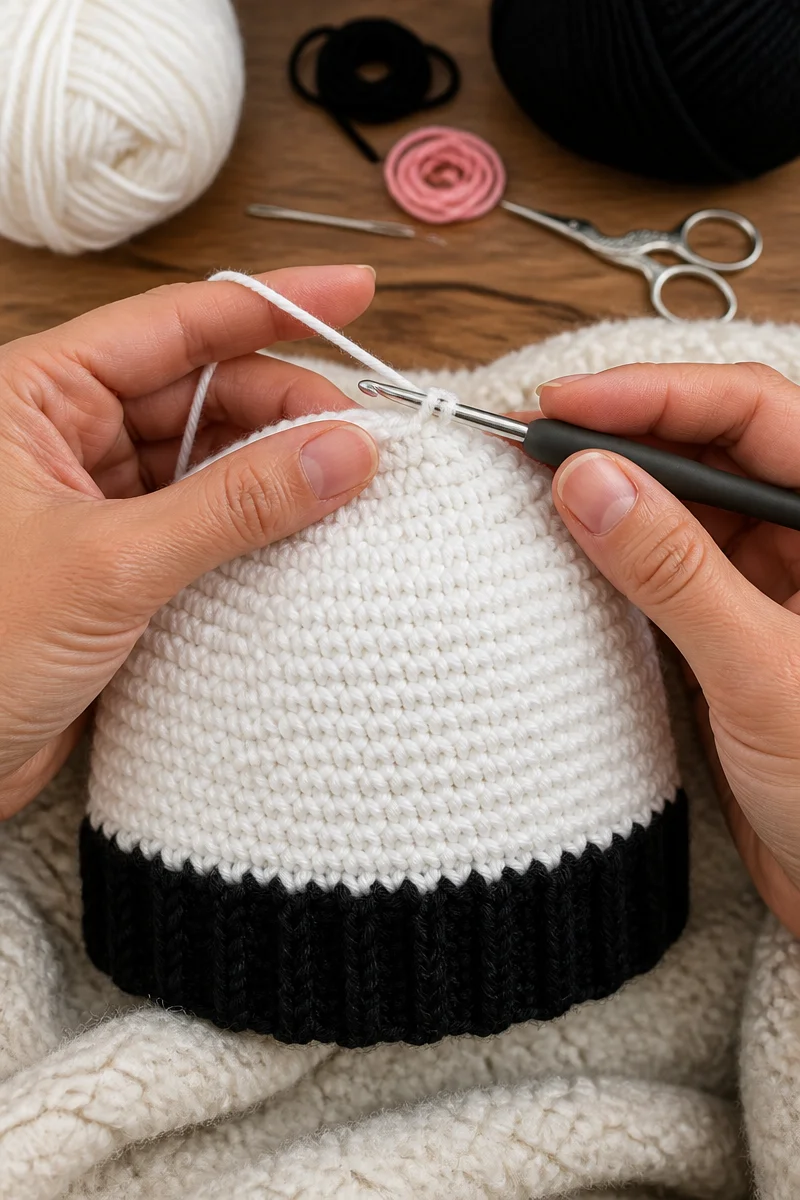
Care and Washing Instructions
Washing: Follow the yarn label and the pattern’s care notes. In general, washable acrylic and cotton blends can often be cleaned gently, while other fibers may need hand washing. Use mild detergent and avoid rough scrubbing, which can flatten or distort the raised texture.
Drying: Press out extra water with a clean towel instead of wringing the hat. Then, reshape it and let it dry flat. Avoid hanging it while wet, since the weight of the water may stretch the fabric.
Blocking: A baby beanie usually needs only light shaping. If the fabric looks uneven, gently shape it while damp and allow it to dry flat. Avoid heavy blocking, which may flatten the ermine stitch’s raised tufts.
More Ideas to Try
If you enjoy the soft texture of an ermine baby hat beanie, try puff stitch, bobble stitch, or seed stitch for another tactile finish. You might also make a matching baby blanket, a simple textured headband, or a plain beanie with a contrasting brim. Each project offers a fresh way to practice stitch placement and explore color.
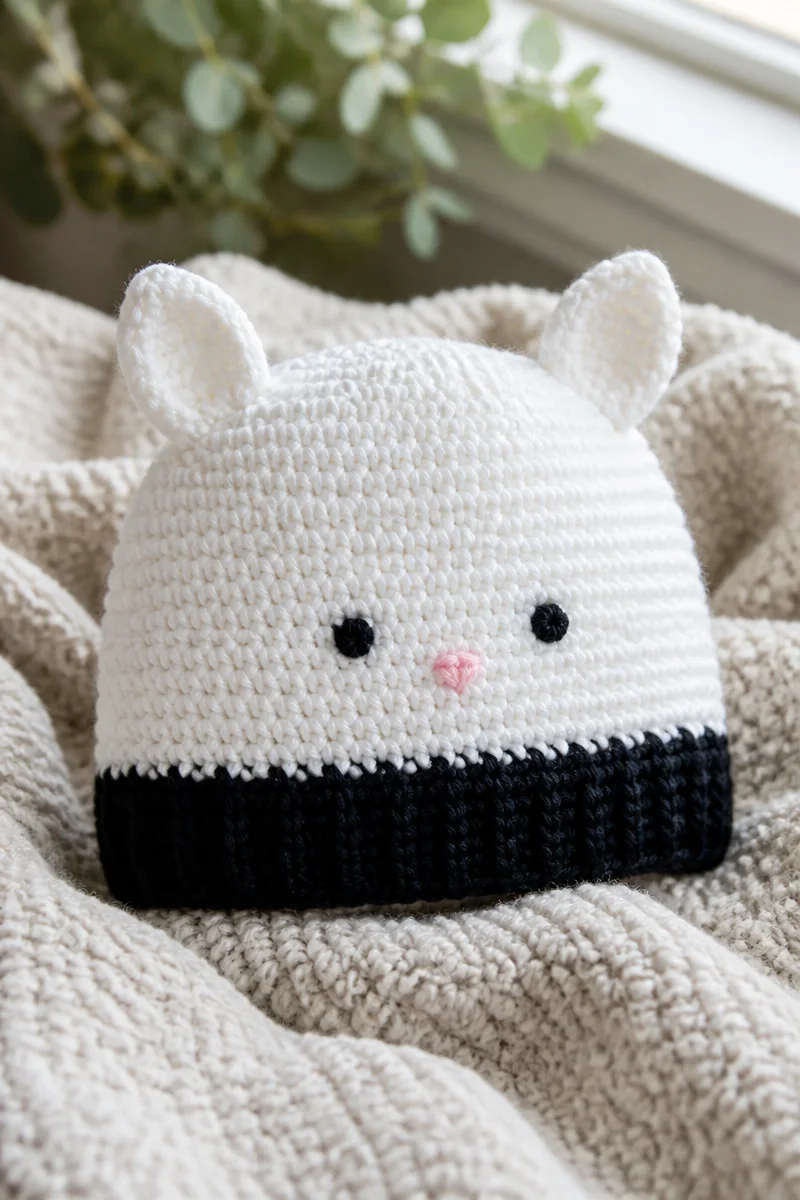
Conclusion
The ermine baby hat beanie combines a practical shape with a charming raised texture. Choose a soft, easy-care yarn, follow the pattern’s stitch instructions, and check your tension as you work. With a little patience, you can create a cozy hat that feels personal and special.
Ready to give the ermine stitch a try? Make a small swatch, then start your beanie when you feel comfortable. Share your finished work with fellow crocheters, and explore more textured crochet guides on the blog.