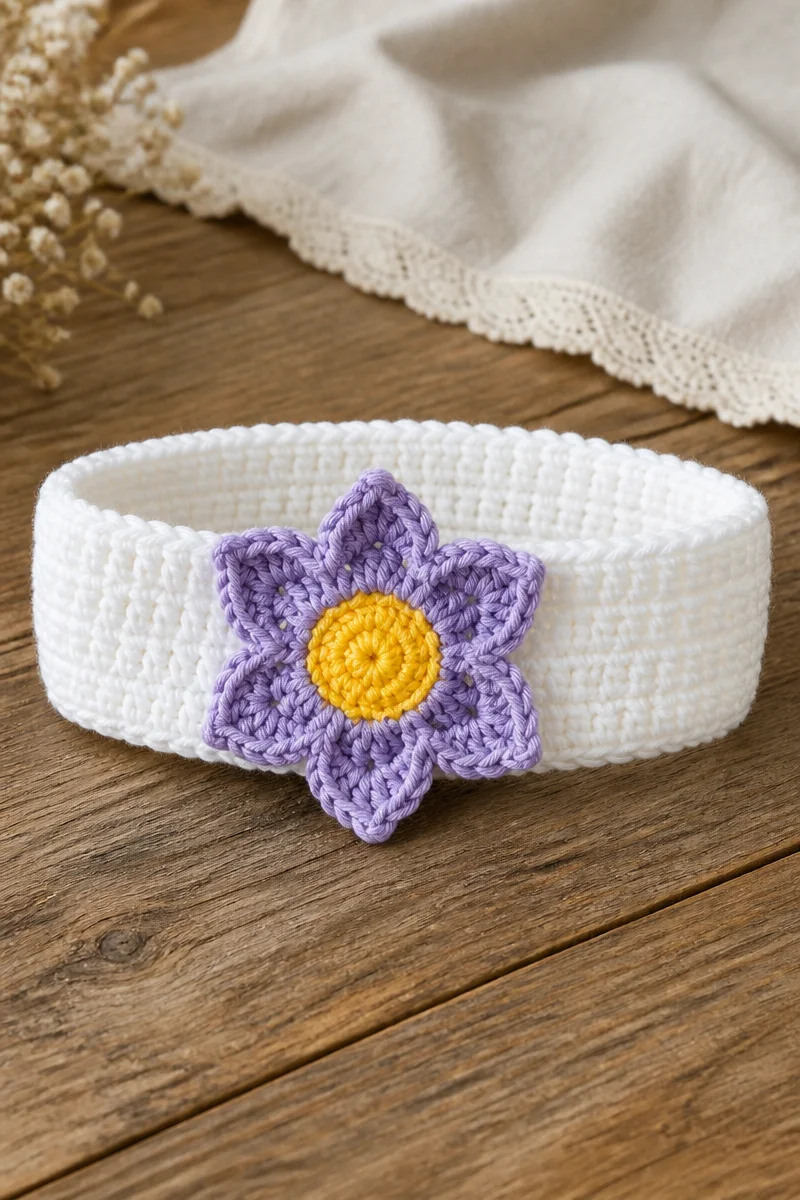
Crochet Columbine Flower Toddler Headband
Affiliate disclosure: This post may contain affiliate links. I may earn a small commission at no extra cost to you. See our Privacy Policy for details HERE.
There is something special about a handmade flower headband. It adds a sweet, personal touch to a toddler’s outfit, and the crochet columbine flower toddler headband is a lovely way to make one. I especially like how a small crocheted bloom can turn a simple band into a thoughtful gift.
A columbine-inspired flower usually has layered petals and a little dimension, so it stands out without needing a large amount of yarn. The flower is a decorative motif rather than one single stitch, and crocheters can make it with basic stitches and simple shaping. The headband itself is a small, portable project that suits confident beginners and experienced makers alike.
In this guide, you’ll learn what gives a crocheted columbine flower its look, how to choose yarn and a hook, and how to make the headband comfortable for a toddler. You’ll also find practical tips for neat shaping, common mistakes to avoid, and care advice for keeping the finished accessory looking its best.
What Is the Columbine Flower Crochet Technique?
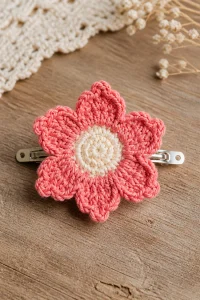
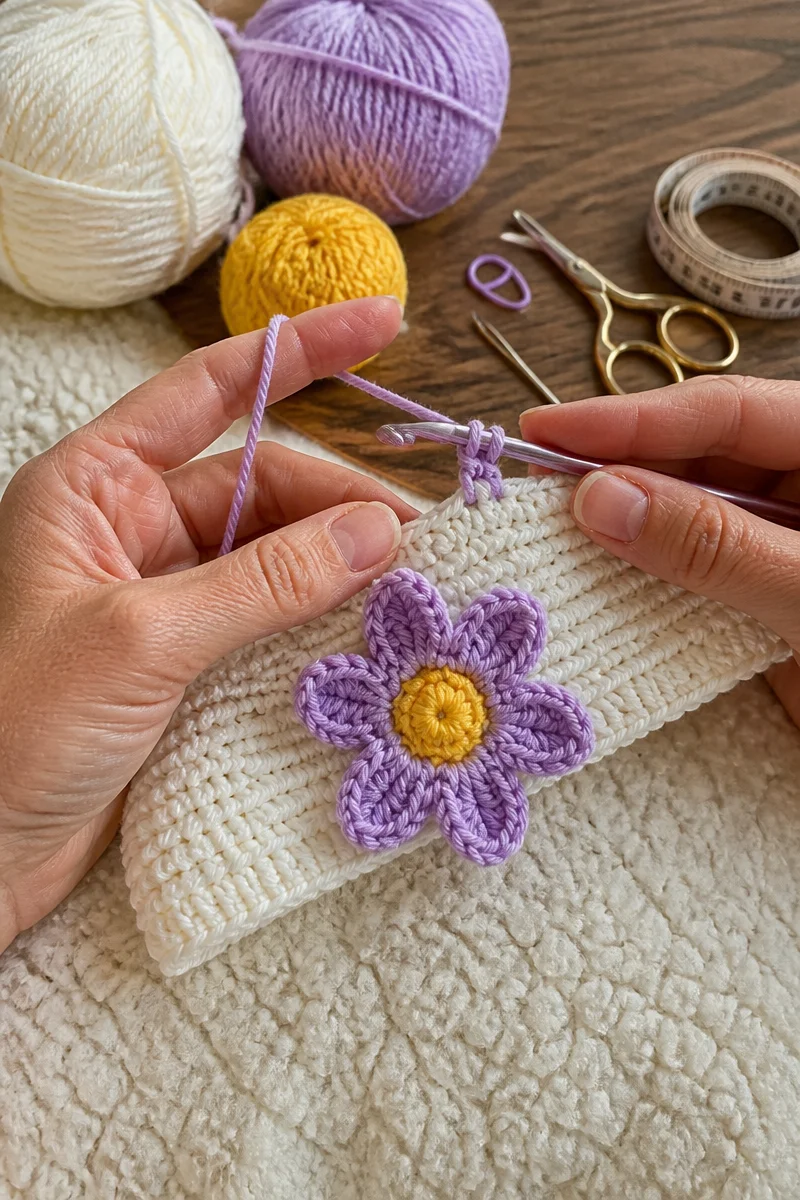
A crochet columbine flower is a three-dimensional floral motif inspired by the columbine’s distinctive petals. The exact construction varies by design. Often, crocheters work a small center first, then form or layer petals around it using combinations of chain stitches, slip stitches, and taller stitches.
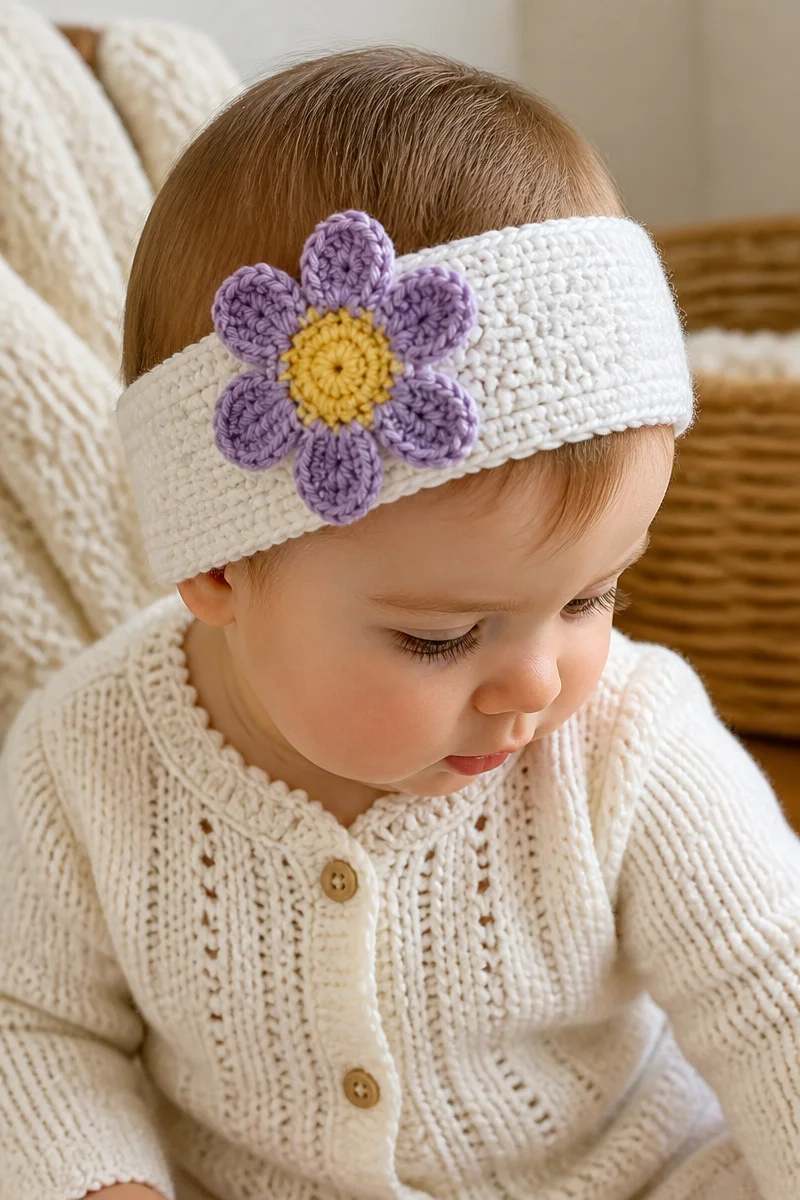
The petal shaping creates a flower with depth and movement instead of a flat outline. In addition, changing yarn color between the center and petals can make the details easier to see. Crocheters enjoy this technique because it lets them create a decorative focal point from a small amount of yarn. For a toddler headband, the flower can sit on a narrow crocheted band or a soft elastic base.
Why This Is a Great Choice for Toddler Headbands
- It makes a charming focal point. A dimensional flower adds interest to a simple headband without covering the whole band.
- It uses little yarn. As a result, it is a useful project for small leftover amounts of yarn.
- It is easy to customize. You can change the colors, flower size, or band width to suit a child’s outfit.
- It works well as a small handmade gift. A headband is quick to make and easy to personalize for a birthday or photo.
- It offers room to practice. The flower gives you a chance to try shaping and layering, while the band lets you work on even stitches and comfortable fit.
Yarn and Hook Recommendations
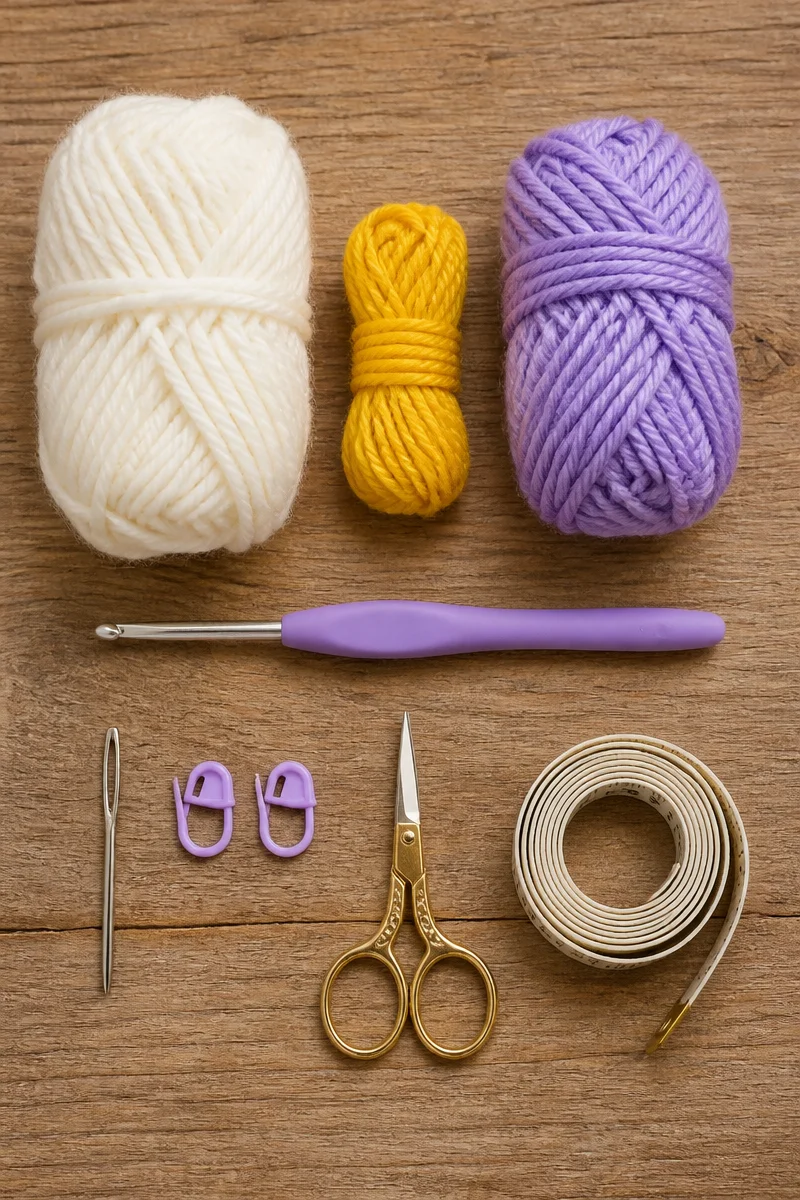
- Choose a soft, lightweight yarn. Sport or DK weight yarn can make a delicate flower and a comfortable headband without adding too much bulk.
- Consider cotton or a cotton blend. Cotton feels breathable and holds its shape well. However, check that the yarn feels soft against the child’s skin.
- Try acrylic or a soft acrylic blend. These fibers are often easy to wash and widely available. Choose a smooth, gentle yarn rather than a scratchy one.
- Use a hook suited to your yarn. A 3.5 mm to 4.5 mm hook is a common starting range for sport or DK yarn. Still, follow the yarn label and adjust if your stitches look too loose or tight.
- Use a smaller hook for firm petals. Going down one hook size can help the flower hold its shape, especially if your usual tension is loose.
- Skip bulky or heavily textured yarn. It can hide the petal details and make the flower feel large or heavy on a toddler’s head.
Tips for Columbine Flower Crochet Success
First, keep your stitches even as you shape the petals. A stitch marker can help you identify the flower’s center or the beginning of a round, and counting each petal as you go can keep the motif balanced. Also, check the flower against the headband before attaching it. This simple check helps you catch a flower that looks too large or sits awkwardly.
Next, make the band soft and secure, but not tight. If you are using a crocheted band, test its stretch gently and compare it with a comfortable headband that fits the child. Since toddlers grow quickly, a soft elastic insert or adjustable closure may help the accessory fit for longer. Finally, sew the flower on firmly and weave in the yarn ends well, so small parts do not loosen during wear.
Common Mistakes to Avoid
A flower may look uneven if you work some petals more tightly than others. Keep a steady pace, and pause to compare the petals as you go. If one petal looks noticeably different, it is often easier to fix it before finishing the motif.
A band that is too tight can feel uncomfortable, while one that is too loose may slip off. Therefore, check the fit gently and avoid guessing based only on age. Head sizes vary, so a quick measurement or a trusted, well-fitting headband can be a better guide.
Using thick yarn or a large hook can make the flower bulky and less defined. On the other hand, very fine yarn can make the petals hard to shape. Choose a yarn weight that lets you see and handle the stitches comfortably, then adjust the hook if the fabric feels stiff or floppy.
Finally, do not rely on a loose knot to attach the flower. Secure it with several neat stitches, and check that all ends are woven in. For a toddler accessory, inspect the finished piece before each use and remove it if any part becomes loose or damaged.
Care and Washing Instructions
Washing: Check the yarn label first. Many acrylic and cotton blends can be hand-washed in cool or lukewarm water with a mild detergent. Gently press out the water rather than twisting the flower, since twisting can pull the petals out of shape.
Drying: Lay the headband flat on a clean towel and reshape the flower while it is damp. Then let it air-dry fully. Avoid high heat, which can affect some fibers and may flatten or distort the petals.
Blocking: Light blocking can help smooth the headband and arrange the petals, especially if the flower looks uneven after washing. However, avoid stretching the band too much. Pin the flower gently into shape, and use a blocking method that is safe for the yarn you chose.
More Ideas to Try
If you enjoy making a crochet columbine flower toddler headband, try a simple rosette, a layered daisy, or a small five-petal flower next. You could also attach a crochet flower to a clip, a scarf, or a gift bag, or make a matching headband in a new color combination.
Conclusion
A crochet columbine flower toddler headband is a small, cheerful project that combines a shaped flower with a comfortable band. Choose soft yarn, keep the petals even, and check the fit before you finish the piece. With a secure attachment and gentle care, your handmade accessory can be ready for a special outfit or a thoughtful gift.
Now choose a favorite color and give the flower a try. When you finish, share your results, or explore more crochet flower and accessory guides on the blog for your next project.