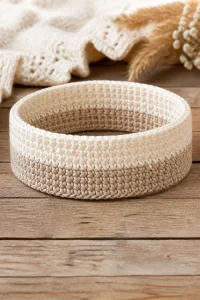
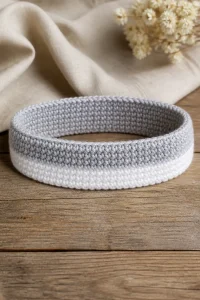
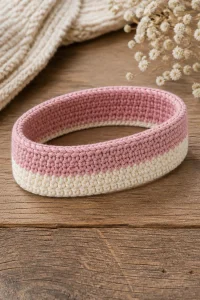
Crochet Camel Brown Wide Headband

Affiliate disclosure: This post may contain affiliate links. I may earn a small commission at no extra cost to you. See our Privacy Policy for details HERE.
A crochet camel brown wide headband is a simple way to add warmth and a touch of rich color to a cool-weather outfit. I love how this style feels both practical and polished. It can keep your ears cozy while adding a handmade detail to a coat, sweater, or scarf.
The headband’s wide shape gives it a snug, comfortable feel, while camel brown pairs easily with many colors. A stretchy stitch, such as half double crochet worked in the back loop, can create soft ridges and a flexible fabric. This project is approachable for many skill levels, though fit and yarn choice make a big difference.
In this guide, you’ll learn how the back-loop half double crochet technique works, why it suits a wide headband, and how to choose yarn and a hook. You’ll also find helpful tips, common mistakes to avoid, and care advice to keep your headband looking lovely.
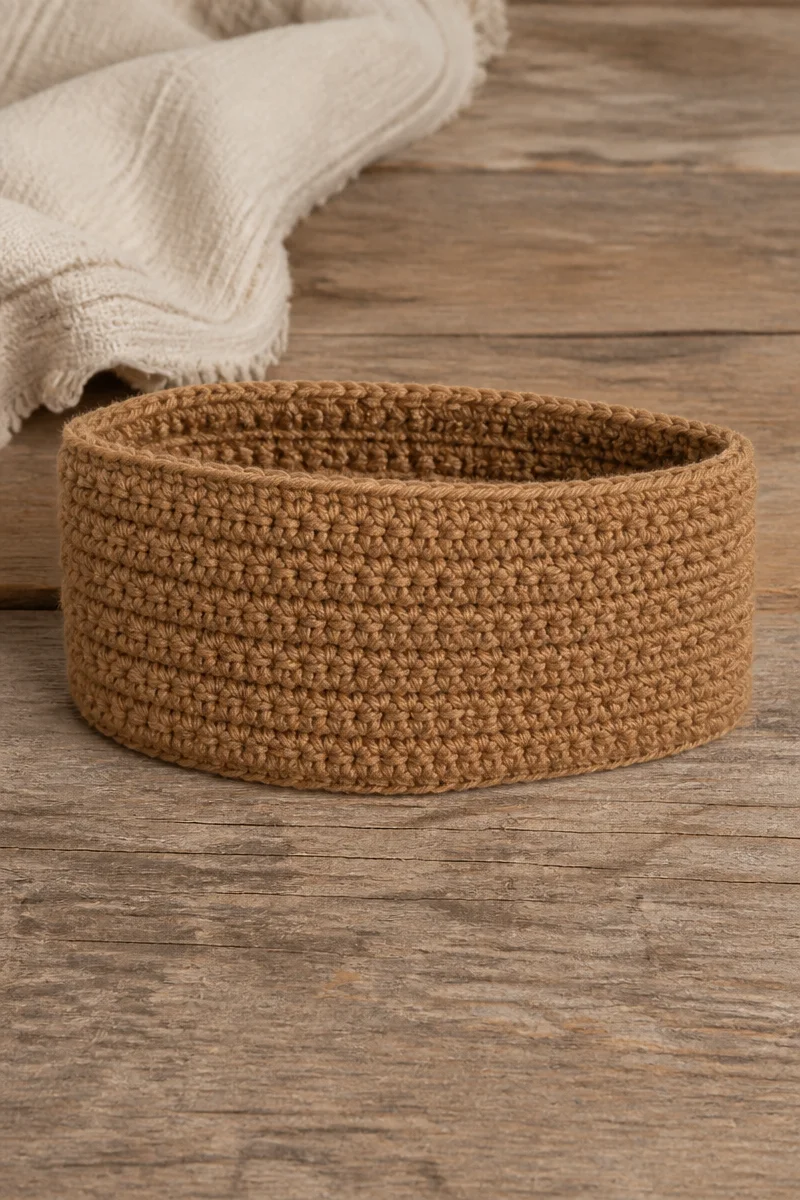
What Is the Back-Loop Half Double Crochet Stitch?
The back-loop half double crochet stitch is a variation of the familiar half double crochet. After making a stitch, look at its top edge. You’ll see two loops that form a small V. Instead of inserting your hook under both loops, work into the loop farthest from you, called the back loop.
As a result, the fabric develops visible horizontal ridges. These lines add texture without making the stitch difficult to learn. The fabric also has more give than a firm stitch worked through both loops, which is useful for a headband that needs to fit securely without feeling too tight.
Crocheters often choose this technique because it looks neat and has a cozy, ribbed effect. However, other stitches can work well too. Single crochet ribbing and front-post and back-post stitches are also popular choices for a crochet camel brown wide headband.
Why This Is a Great Choice for a Wide Headband
- It stretches for a comfortable fit. The ridges can give the fabric useful flexibility, so the headband can sit snugly around your head.
- It adds texture with simple stitches. You can create a ribbed look without needing complicated stitch work.
- It suits a wide shape. The textured fabric looks attractive across a broader band and can offer extra coverage over the ears.
- It works well in a versatile color. Camel brown has a warm, neutral look that pairs nicely with cream, denim, olive, navy, and other everyday shades.
- It makes a satisfying project. A headband is smaller than a scarf or hat, so you can enjoy seeing the fabric take shape without committing to a large project.
Yarn and Hook Recommendations
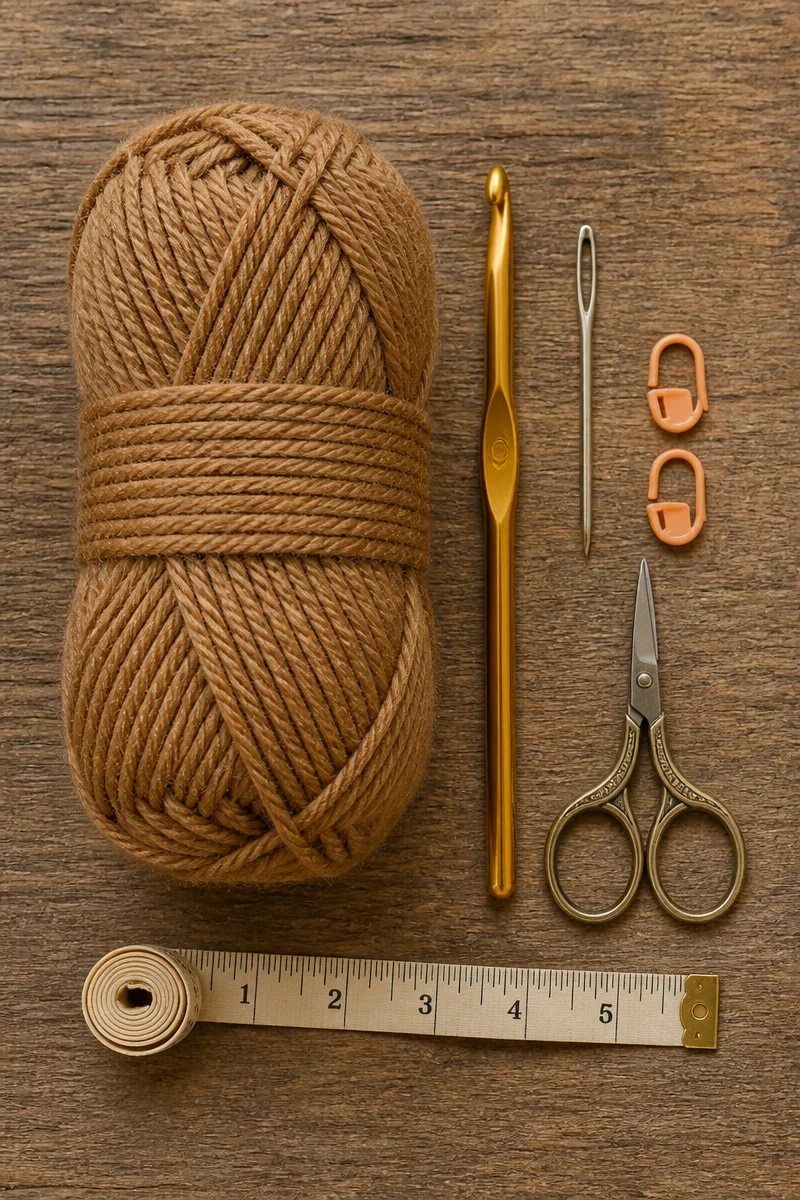
- Choose a soft worsted-weight yarn for warmth. This common medium weight can make a cozy headband with enough body to hold its shape.
- Try a lighter yarn for a less bulky fit. DK-weight yarn can create a more flexible band, especially if you prefer a slim profile beneath a hood.
- Consider wool or a wool blend for cold weather. These fibers hold warmth well. A blend may feel softer or be easier to care for than some pure wool yarns.
- Choose acrylic for simple care. Many acrylic yarns are affordable, widely available, and machine washable, but check the label before washing.
- Look for cotton or a cotton blend for milder weather. Cotton can feel comfortable against the skin, though it usually stretches less than wool or acrylic.
- Match the hook to your yarn and fabric. A hook around 5 mm often works with worsted-weight yarn, while DK yarn may call for a smaller size. Check the yarn label, then adjust if your fabric feels too stiff or too loose.
Tips for Back-Loop Half Double Crochet Success
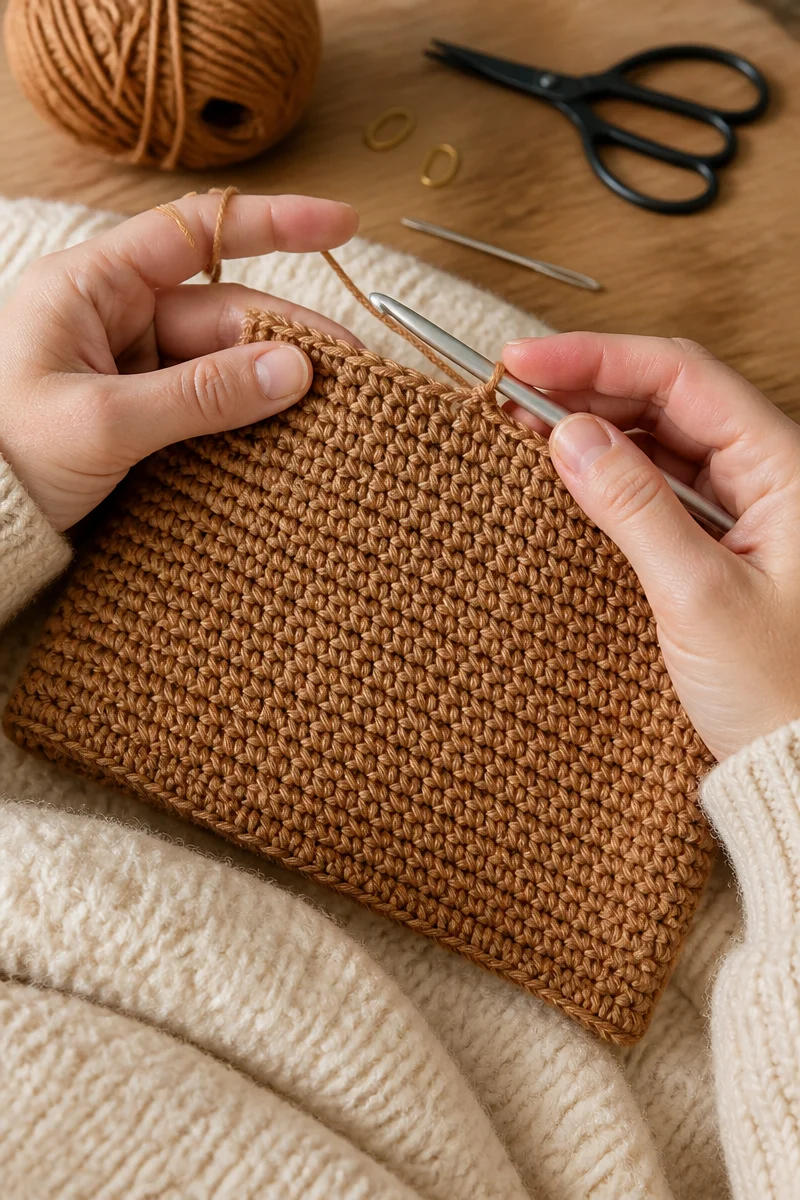
First, make a small sample with your chosen yarn and hook. This lets you see how the ridges look and how much the fabric stretches. It also helps you check whether the headband will feel soft and comfortable rather than stiff or floppy.
Next, take a moment to find the back loop at the top of each stitch. Consistent placement keeps the ridges even. Also, count your stitches regularly, especially at the end of each row, since edge stitches can be easy to miss. Work at a relaxed pace, and avoid pulling the yarn too tightly. A steady, comfortable tension makes the fabric more flexible and easier to wear.
Common Mistakes to Avoid
One common problem is working into both loops by accident. This makes parts of the headband look smoother and can interrupt the ribbed texture. Therefore, check the top of each stitch before inserting your hook.
It’s also easy to lose or add stitches at the row ends. If the band begins to narrow or widen, pause and count the stitches in the current row. Using a stitch marker at the first or last stitch can help you keep track.
Another issue is making the band too tight. Ribbed crochet can stretch, but it still needs enough length to fit comfortably. Before joining or finishing the band, check that it sits snugly without pulling or pressing on your head.
Finally, the wrong yarn and hook combination can affect the result. A hook that is too small may create a dense, stiff fabric, while a hook that is too large may leave the headband loose. Make a sample first, and adjust the hook if the fabric does not bend and stretch comfortably.
Care and Washing Instructions
Washing: Check the yarn label first, because care needs vary by fiber. Many acrylic yarns can go in the washing machine on a gentle cycle, while wool may need hand washing in cool water with a suitable wool wash. When in doubt, hand wash the headband gently.
Drying: Press out extra water with a towel instead of wringing the fabric. Then lay the headband flat to dry and gently shape it. This helps it keep its size and form.
Blocking: Light blocking may help even out the ridges and smooth the edges. However, avoid stretching the band too much, since that can loosen its fit. Follow the care guidance for your yarn, and use gentle steam only when the fiber allows it.
More Ideas to Try
Once you’ve enjoyed making a crochet camel brown wide headband, try a narrow ribbed version, a two-color stripe, or a twisted-front style. You might also explore single crochet ribbing for a firmer texture or front-post and back-post stitches for deeper ridges. For a matching set, use the same yarn to make a simple cowl or fingerless mitts.
Conclusion
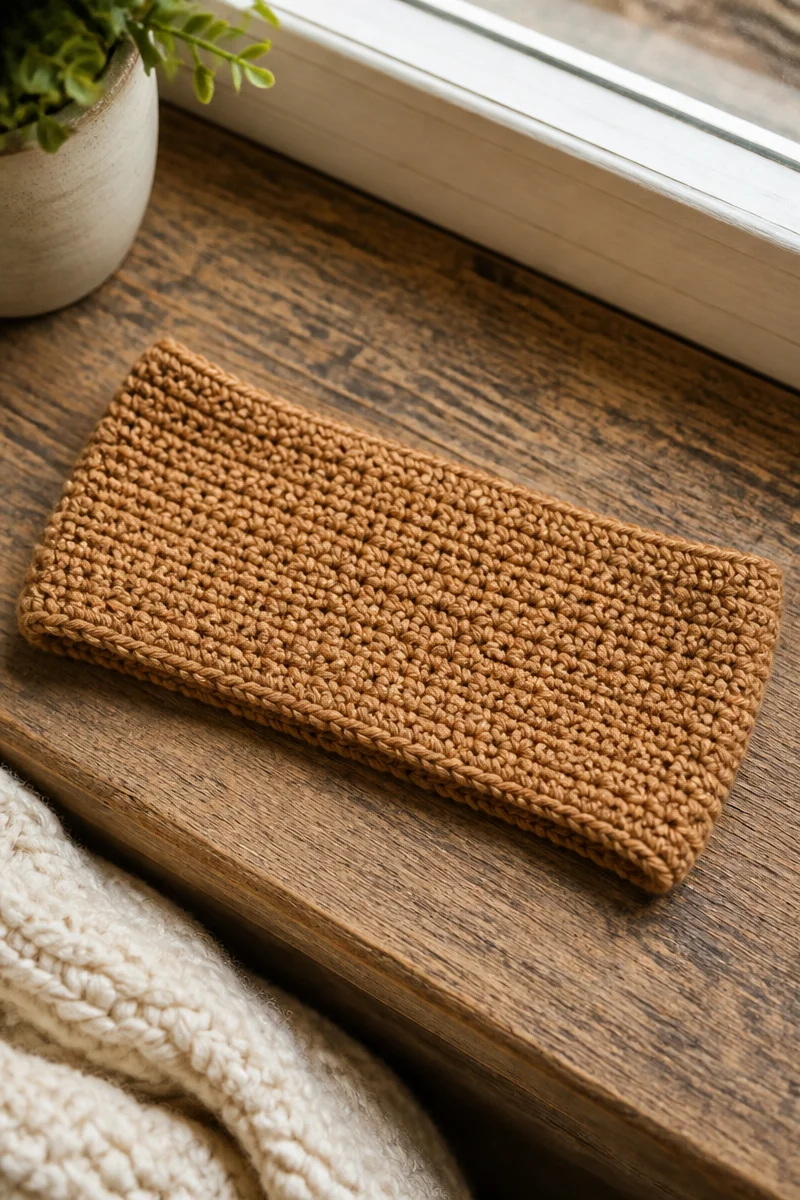
A crochet camel brown wide headband can be a cozy, useful project with a warm color and a pleasing textured finish. Back-loop half double crochet is one approachable way to make flexible ridges, and thoughtful yarn choice, even tension, and a comfortable fit all help the finished band look and feel its best.
Choose a yarn you enjoy, make a small sample, and give the technique a try. Then share how your headband turned out or explore another crochet guide on the blog for your next project.