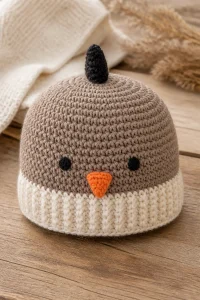
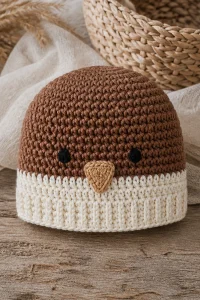
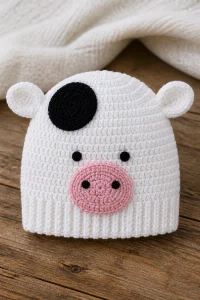
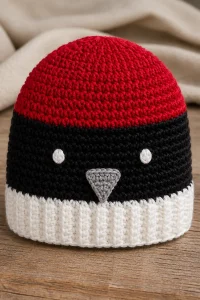
Crochet Lavender Color Block Baby Beanie

Affiliate disclosure: This post may contain affiliate links. I may earn a small commission at no extra cost to you. See our Privacy Policy for details HERE.
A Crochet Lavender Color Block Baby Beanie is a sweet way to welcome a new baby or make a thoughtful handmade gift. I love how a simple hat can look special with just two or three well-chosen colors. Soft lavender brings a calm, gentle feel, while color blocks add a playful touch without needing fancy stitches.
This beanie is a project style, not a single stitch pattern. It usually combines basic stitches, such as single crochet, half double crochet, or double crochet, with clear sections of different colors. As a result, it can suit beginners who know the basics, and it gives more experienced crocheters room to play with stripes, panels, and textured details.
In this guide, you’ll learn how color blocking works in a baby beanie, why it makes a lovely project, and how to choose yarn and a hook. You’ll also find practical tips for smooth color changes, helpful care advice, and common mistakes to avoid.
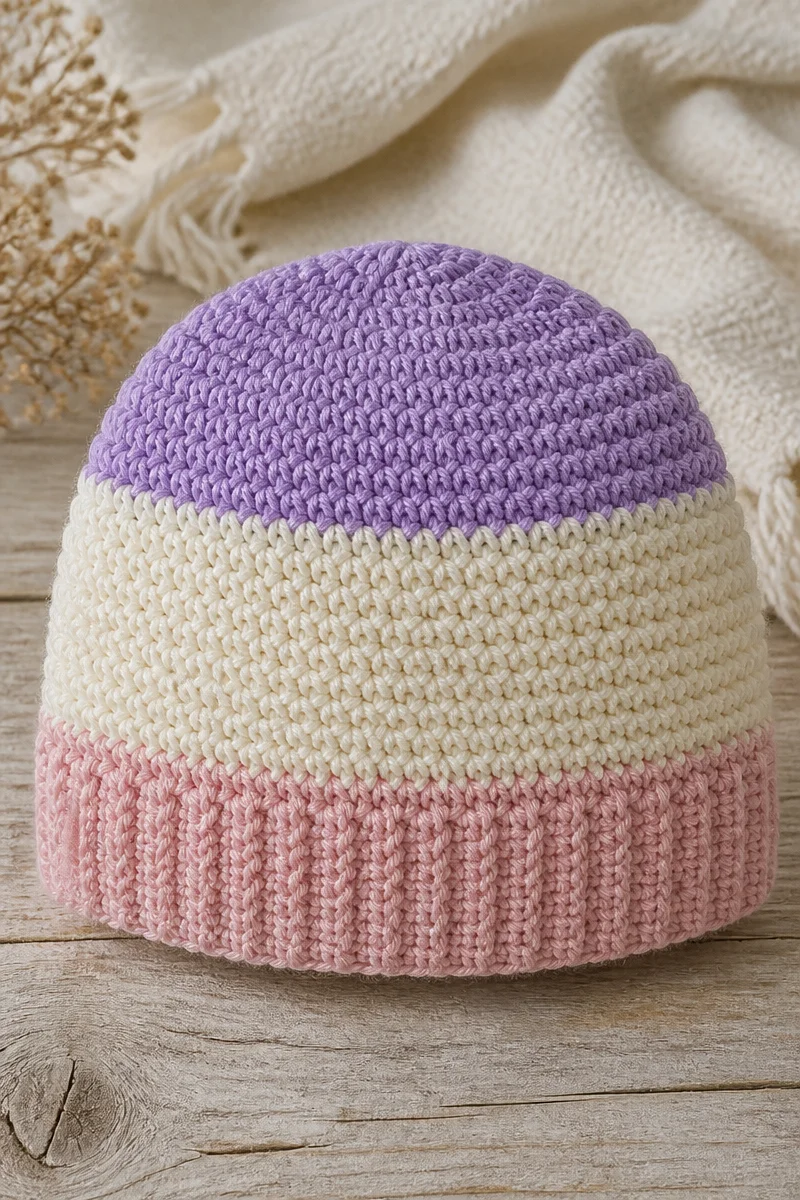
What Is the Color-Block Crochet Stitch Technique?
Color blocking is a crochet design technique, rather than a specific stitch. It uses distinct areas of color to create a clear visual pattern. For a baby beanie, one section might be lavender, while another uses cream, white, pale gray, or a deeper purple.
The beanie itself can use simple stitches worked in rounds or rows. When you reach a planned color change, you switch to a new yarn color and continue crocheting. This creates neat blocks, bands, or panels without changing the basic stitch. Crocheters enjoy this approach because it looks polished, works with many skill levels, and lets color do much of the decorating.
Why This Is a Great Choice for Baby Beanies
- It makes a simple hat feel special. Even basic stitches look fresh when you arrange colors in thoughtful blocks.
- It’s easy to personalize. You can pair lavender with a neutral shade, a bright accent, or another soft pastel.
- It works with familiar stitches. Single crochet, half double crochet, and double crochet can all suit a baby beanie.
- It gives you room to use leftover yarn. Small amounts of coordinating colors can create a charming accent section.
- It’s flexible for different looks. Try wide bands, a contrasting brim, or a small color panel while keeping the overall design simple.
Yarn and Hook Recommendations
- Choose a baby-friendly yarn weight. Worsted-weight yarn makes a warm, sturdy beanie, while DK or light-worsted yarn can create a lighter hat. Follow the project’s gauge and size guidance.
- Consider a soft acrylic yarn. Many acrylic yarns are washable and easy to care for, which can be helpful for baby items.
- Try a washable cotton blend for a lighter feel. Cotton blends may suit mild weather, though they can feel less stretchy than acrylic.
- Check the yarn label for hook guidance. A hook around 4.0 to 5.5 mm is common for DK or worsted yarn, but the right size depends on your yarn and tension.
- Use the same yarn type across color blocks. Matching fiber and weight helps the sections keep a similar thickness and feel.
- Pick colors with clear contrast. Lavender pairs nicely with cream, white, soft gray, or a deeper purple. Before you start, place the yarns side by side to see how they look together.
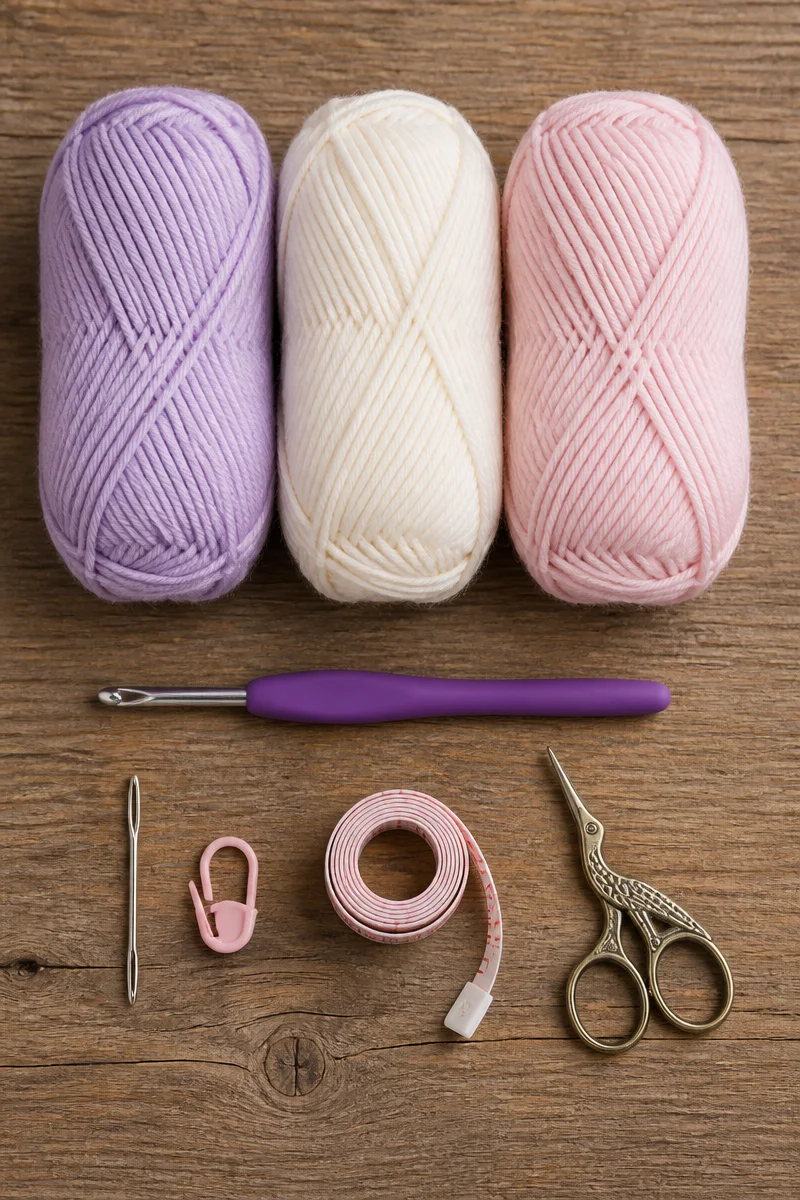
Tips for Color-Block Crochet Success
First, decide where each color section will begin and end. If you’re working in rounds, keep track of the round start with a stitch marker. Also, count your stitches regularly, because a small change in stitch count can make the beanie fit unevenly.
Next, change colors neatly by completing the final yarn-over of the last stitch with the new color, when your stitch pattern allows. Keep the yarn relaxed rather than pulling it tight. Meanwhile, weave in ends securely, especially where colors meet. A small practice swatch can help you check your color placement, fabric feel, and tension before you make the hat.
Common Mistakes to Avoid
Changing colors without a plan can leave you with uneven bands or sections that don’t match. Before you crochet, mark the intended color changes in your notes or pattern. Then use a stitch marker to keep track of the start of each round.
Pulling the new yarn too tightly can pucker the fabric at the color change. On the other hand, leaving it too loose may create gaps. Keep a steady hand, and check the fabric after each change so you can adjust your tension early.
Using yarns with different weights or stretch can make one color block look larger than another. Choose yarns with similar thickness and fiber when possible. Also, make a gauge swatch if the hat needs to fit a particular baby head size.
Finally, don’t guess at the fit or rely only on age labels. Babies grow at different rates, and yarn can behave differently from one brand to another. Check the pattern’s finished measurements and use a flexible, comfortable stitch pattern that won’t feel tight.
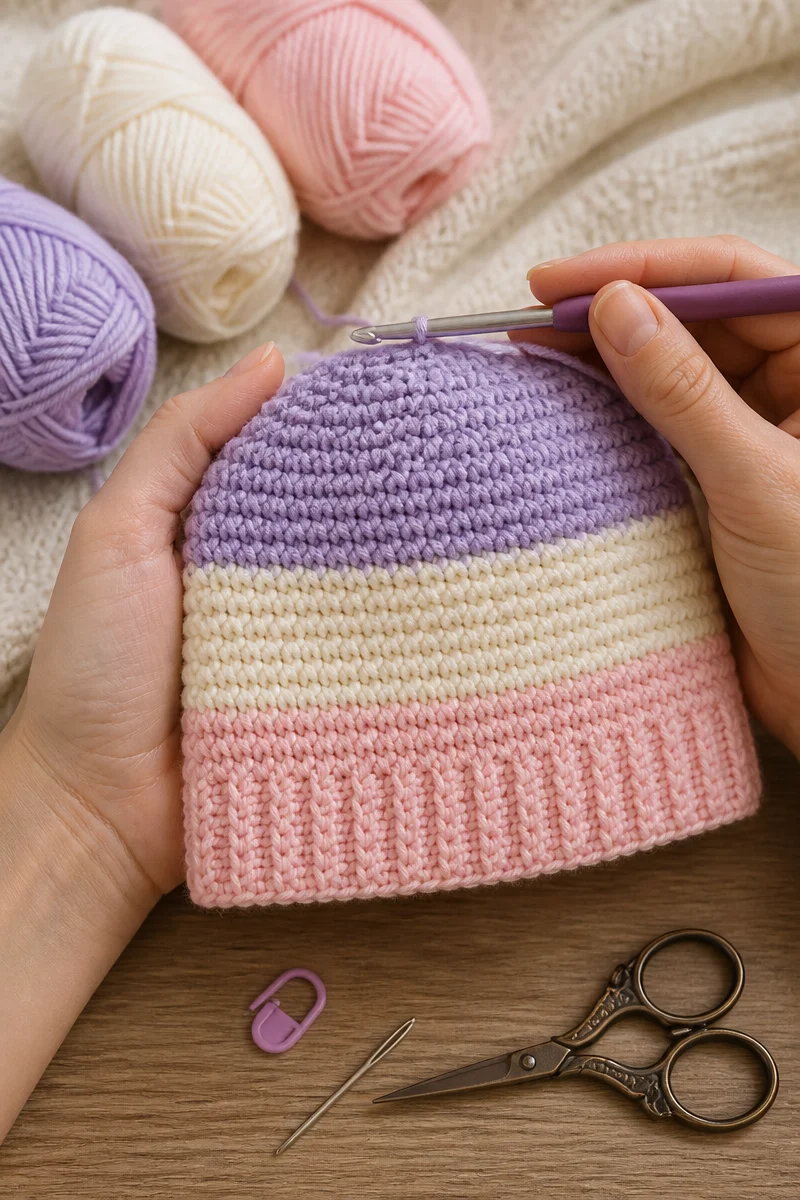
Care and Washing Instructions
Washing: Check the yarn label first. Many washable acrylic yarns can go in the washing machine on a gentle cycle, while cotton blends may have different care needs. Use mild detergent, and place the beanie in a mesh laundry bag if the yarn label allows machine washing.
Drying: Reshape the beanie gently after washing, then lay it flat on a clean towel to dry. Avoid hanging it, since the weight of wet yarn can stretch the hat. Also, use a dryer only if the yarn label says it is safe.
Blocking: A baby beanie usually needs little or no blocking. However, gentle shaping while the hat is damp can help smooth the color sections and even the brim. Avoid stretching the hat beyond its intended size.
More Ideas to Try
Once you’ve finished a lavender color-block beanie, try a striped baby hat, a simple ribbed brim, or a granny stitch accent band. You could also use the same color palette for a matching baby blanket or booties. For another texture, explore half double crochet in the back loop and compare its look with a smooth stitch.
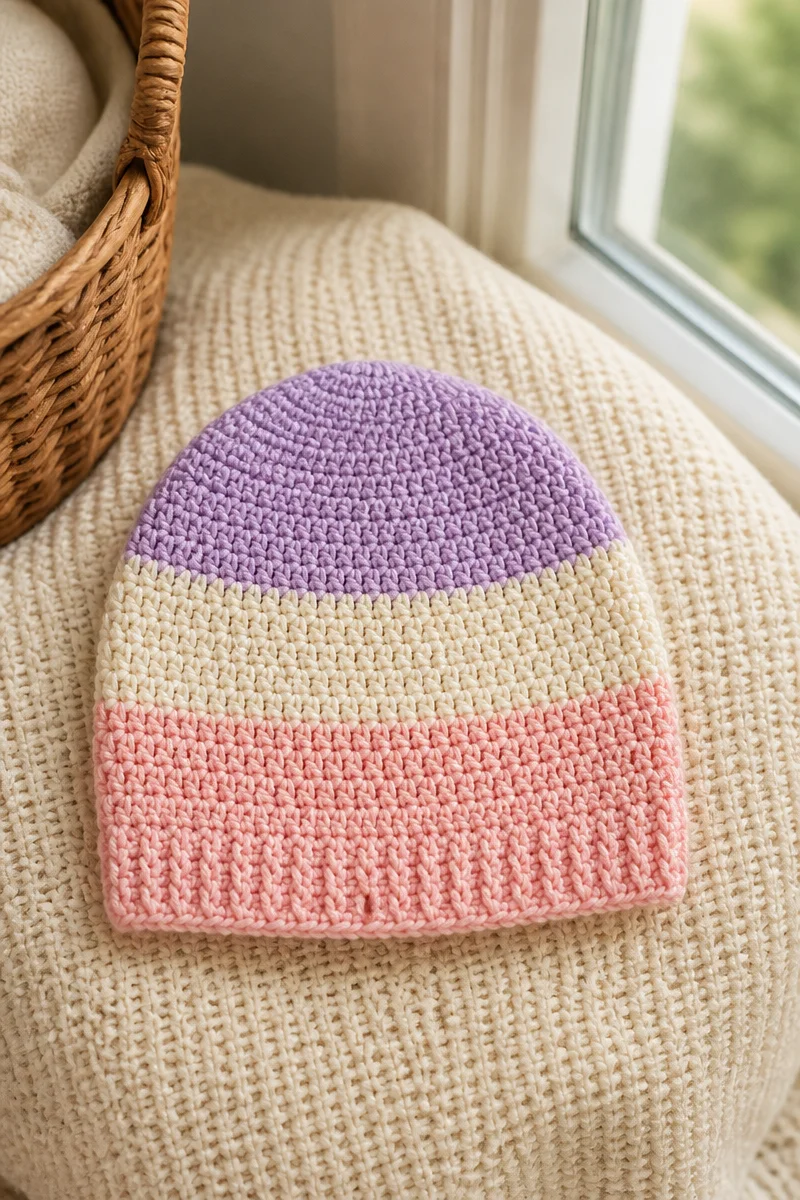
Conclusion
A Crochet Lavender Color Block Baby Beanie brings together a soft color palette, a practical shape, and a flexible design technique. With a comfortable yarn, a suitable hook, and steady stitch counting, you can create clear color sections that look neat and feel cozy. Most of all, take your time and enjoy choosing the colors.
Try your own lavender color-block version, and make the design your own with a contrasting brim or a small accent panel. Then share your finished beanie or explore more baby crochet guides on the blog.