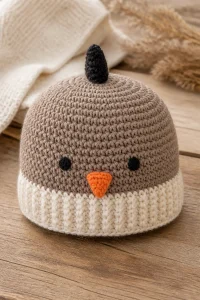
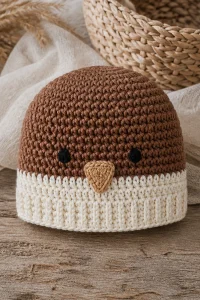
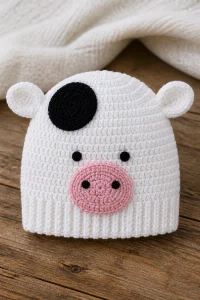
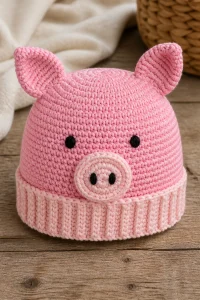
Crochet Turtle Baby Hat Beanie

Affiliate disclosure: This post may contain affiliate links. I may earn a small commission at no extra cost to you. See our Privacy Policy for details HERE.
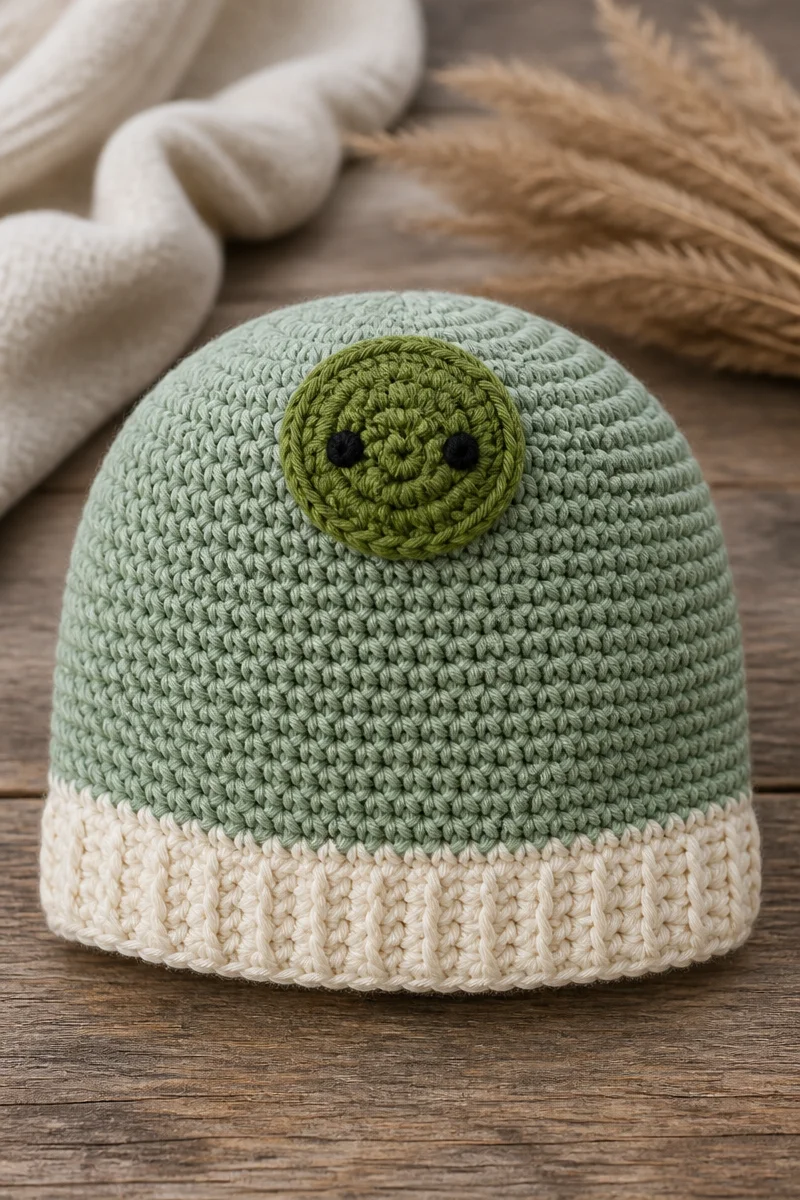
A crochet turtle baby hat beanie is a sweet way to make a practical gift feel special. I love how a simple hat can become a tiny character with a few shell-inspired details and soft colors. It is a fun project for baby showers, photo props, or a handmade treat for a little one.
What makes this beanie stand out is its playful turtle look, often created with a rounded hat, a textured shell-like top, and small decorative features. The basic hat shape can be approachable for newer crocheters, while adding details takes a little more care. Since babies have delicate skin, soft yarn and secure finishing matter just as much as the design.
In this guide, you will learn how the turtle-inspired crochet technique works, why it suits a baby hat, and how to choose yarn and a hook. You will also find practical tips for shaping and finishing, plus common mistakes to avoid. This is an educational overview, not a fixed pattern, so you can adapt the ideas to your preferred design.
What Is the Turtle-Inspired Crochet Technique?
The turtle-inspired crochet technique is a way of using color, texture, and simple shaping to suggest a turtle on a crocheted item. On a baby beanie, the hat usually forms the turtle’s rounded body or shell. Small crocheted pieces, color changes, or raised stitches can add shell sections, a head, or other details.
The exact stitch can vary from one design to another. Some makers use basic stitches such as single crochet or half double crochet for the hat, then add texture with slip stitches, surface crochet, or stitched lines. Others make separate appliqués and sew them on. This flexibility makes the style easy to personalize, and it lets you choose a level of detail that matches your skill and available time.
Why This Is a Great Choice for Baby Hats
- It makes a charming handmade gift. The turtle theme gives a simple beanie a playful look for a baby shower or keepsake.
- It offers room to customize. You can change the colors, shell texture, or facial details to create a design that feels personal.
- It can suit different skill levels. The hat may use familiar stitches, while optional appliqués let you add detail as your confidence grows.
- It uses small amounts of accent yarn. A basic hat can use one main color, with scraps for the shell or other decorative features.
- It works well for photos and everyday wear. A well-made beanie can look cute in pictures and still feel soft and comfortable.
Yarn and Hook Recommendations
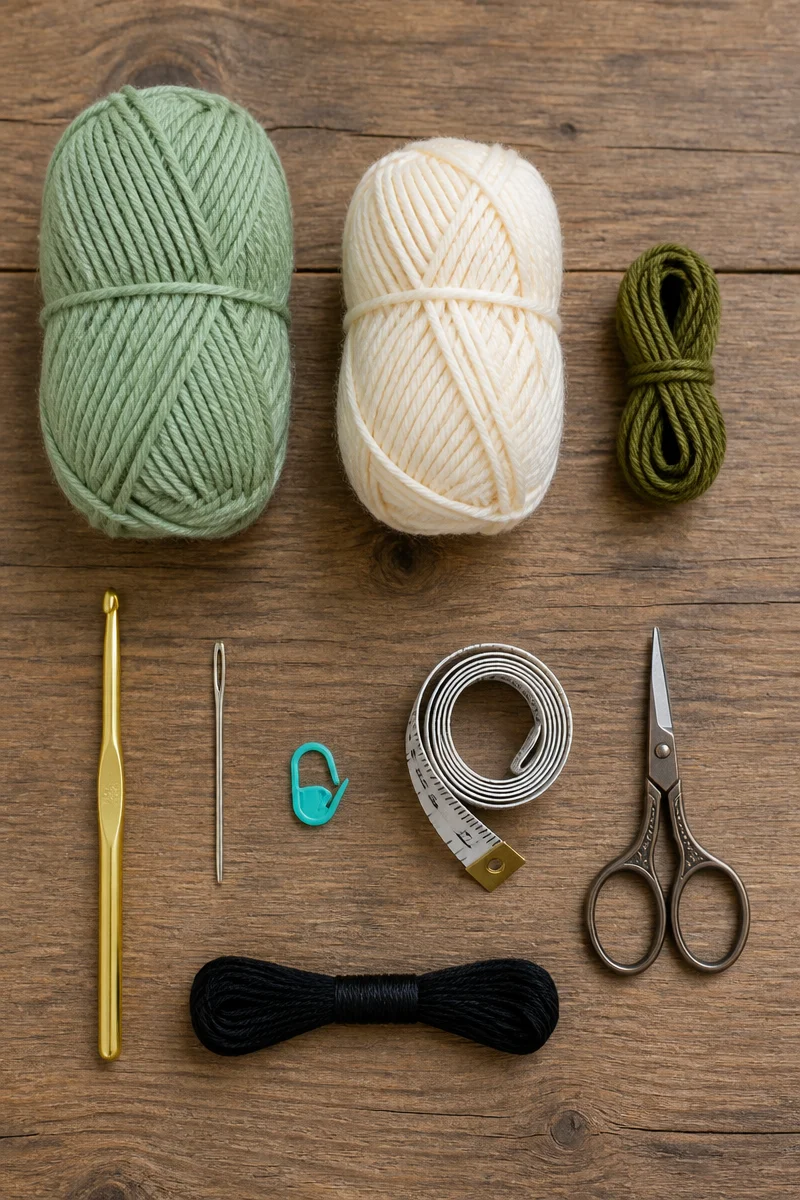
- Choose a soft, smooth yarn. Baby-friendly acrylic, cotton, or a soft blend can feel gentle against delicate skin. Check the yarn label for care guidance.
- Consider lightweight yarn. DK or light-worsted yarn can make a comfortable hat without too much bulk. However, use the yarn weight that suits your design and pattern.
- Use worsted-weight yarn when the design calls for it. This weight can create a warmer, sturdier beanie, but check that the finished fabric does not feel stiff or heavy.
- Pick a hook that matches the yarn and your tension. A 4.0 mm to 5.5 mm hook is common with many DK and worsted yarns, but the yarn label and pattern guidance should come first.
- Make a small test piece. If your stitches feel tight, try a larger hook. If the fabric has large gaps, try a smaller hook or adjust your tension.
- Keep decorative pieces soft and secure. Avoid hard embellishments, loose buttons, beads, or other small parts on a baby hat. Embroidered details are often a safer choice.
Tips for Turtle-Inspired Crochet Success
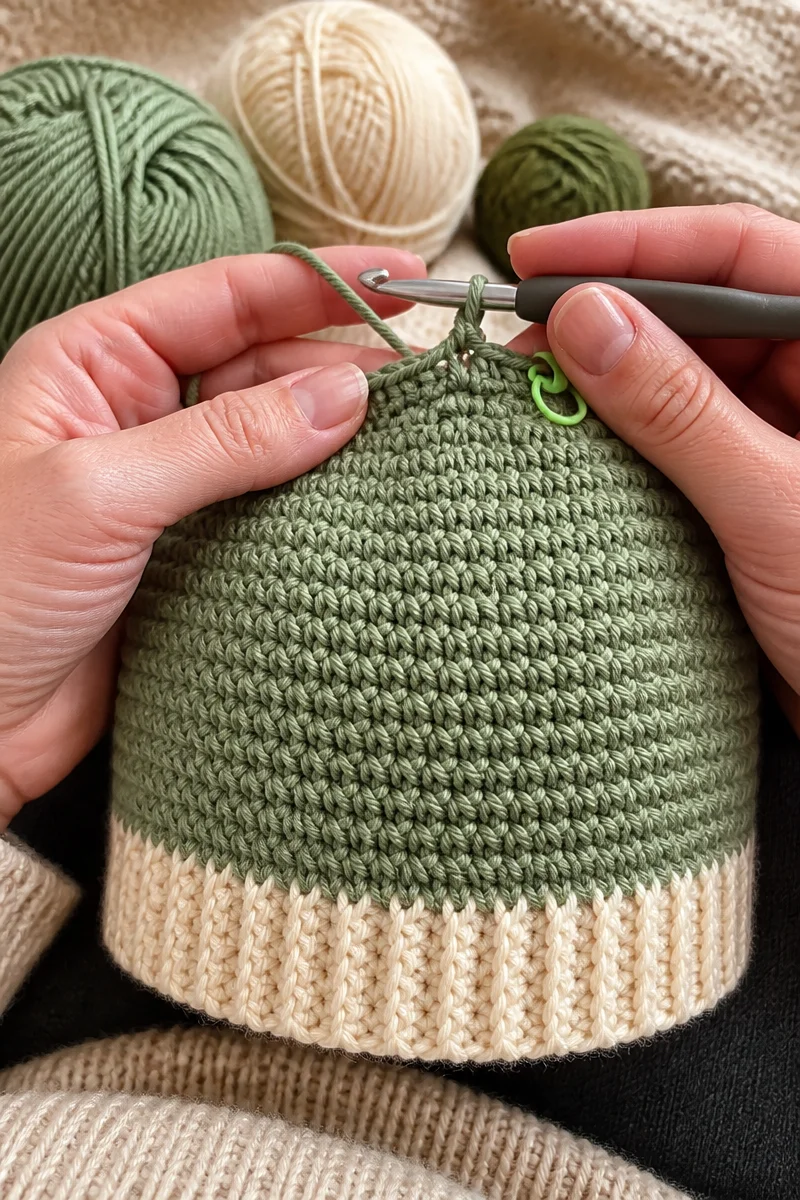
First, focus on the fit and fabric before adding decoration. Make a small swatch with your chosen yarn and hook, then check that it feels soft and has enough stretch. Also, count stitches as you work, especially when shaping the crown or changing colors. A small counting error can affect the hat’s shape.
Next, plan how you will attach each detail. If you add a shell motif or appliqué, place it evenly and sew it on securely with matching yarn. Keep facial features simple, and avoid parts that could loosen. Finally, take breaks if you are working on small details. A steady pace can help you keep your stitches even and your finishing neat.
Common Mistakes to Avoid
Using yarn that feels rough or too heavy can make a baby beanie uncomfortable. Even a cute design may not be pleasant to wear if the fabric feels stiff. Instead, choose a soft yarn and test the fabric before making the full hat.
Another common issue is uneven tension. If some rounds are much tighter than others, the crown can look lumpy or the hat may not stretch evenly. Try to keep a relaxed, steady grip, and pause to check the shape as you work.
It is easy to miscount while increasing or changing colors. As a result, the hat may tilt or become too wide in one area. Use a stitch marker to show the start of each round, and count at the end of shaping rounds.
Finally, do not leave decorative pieces loose. Small details can come away from the hat if they are not attached securely. Avoid buttons and beads, and check all seams and embroidered features before the beanie is used.
Care and Washing Instructions
Washing: Follow the yarn label first. Many acrylic yarns can go in a gentle machine wash, while some cotton and blended yarns may need a delicate cycle or hand washing. Use mild detergent, and avoid harsh bleach or fabric treatments.
Drying: Gently reshape the beanie after washing, then lay it flat on a clean towel to dry. Avoid wringing it, since twisting can stretch the stitches or distort the hat.
Blocking: A baby beanie usually needs little or no blocking. If the fabric looks uneven, lightly reshape it while damp and let it dry flat. Avoid stretching the hat too much, because it needs to keep its intended fit.
More Ideas to Try
If you enjoy the turtle-inspired crochet style, try a simple animal-ear beanie, a textured shell-inspired blanket, or a colorful appliqué made with basic crochet stitches. You could also explore surface crochet for adding lines and patterns, or make a matching pair of baby booties in the same colors.
Conclusion
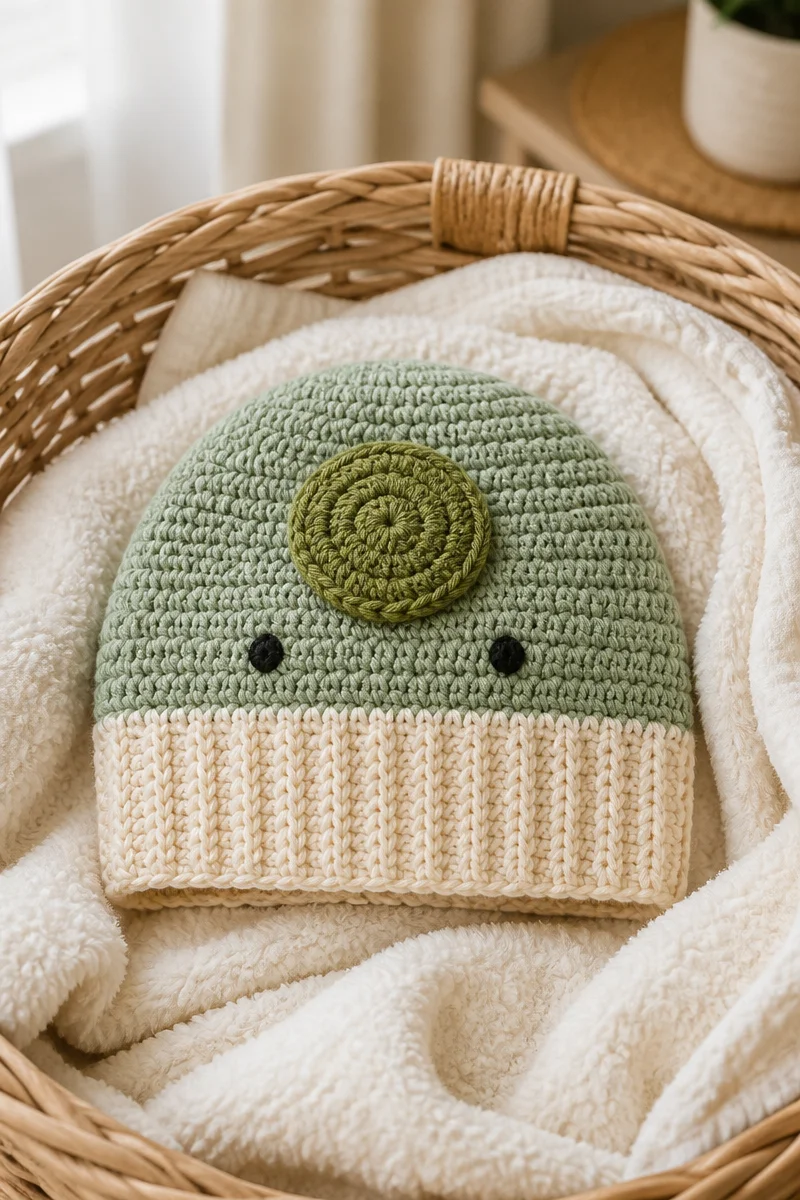
A crochet turtle baby hat beanie brings together a useful hat shape and playful handmade details. Choose soft yarn, check your tension and fit, and attach every decoration securely. With a little planning, you can make a cozy gift that feels personal and thoughtful.
Ready to give the idea a try? Choose your yarn colors, test a small swatch, and start with the hat shape that suits your skill level. Then share your finished beanie or explore more baby crochet guides on the blog.