Crochet Viburnum Flower Mini Bouquet

Affiliate disclosure: This post may contain affiliate links. I may earn a small commission at no extra cost to you. See our Privacy Policy for details HERE.
A Crochet Viburnum Flower Mini Bouquet brings the charm of fresh blooms to yarn, without worrying about wilting petals or changing seasons. I love this project because each small flower feels special, yet a handful of them can become a thoughtful gift or a cheerful touch for your home.
Viburnum flowers grow in clusters, so crocheted versions look lovely grouped together on delicate stems. The project uses small crocheted flower shapes rather than one single named stitch. That makes it a flexible choice for many skill levels: you can keep the flowers simple or add details for a more lifelike look. A mini bouquet works well in a small vase, as a gift topper, or as a keepsake.
In this guide, you’ll learn how the crocheted flowers and bouquet technique come together, which yarn and hooks work well, and how to shape the blooms. You’ll also find tips for neat results, common mistakes to avoid, and care advice to help your Crochet Viburnum Flower Mini Bouquet stay beautiful.
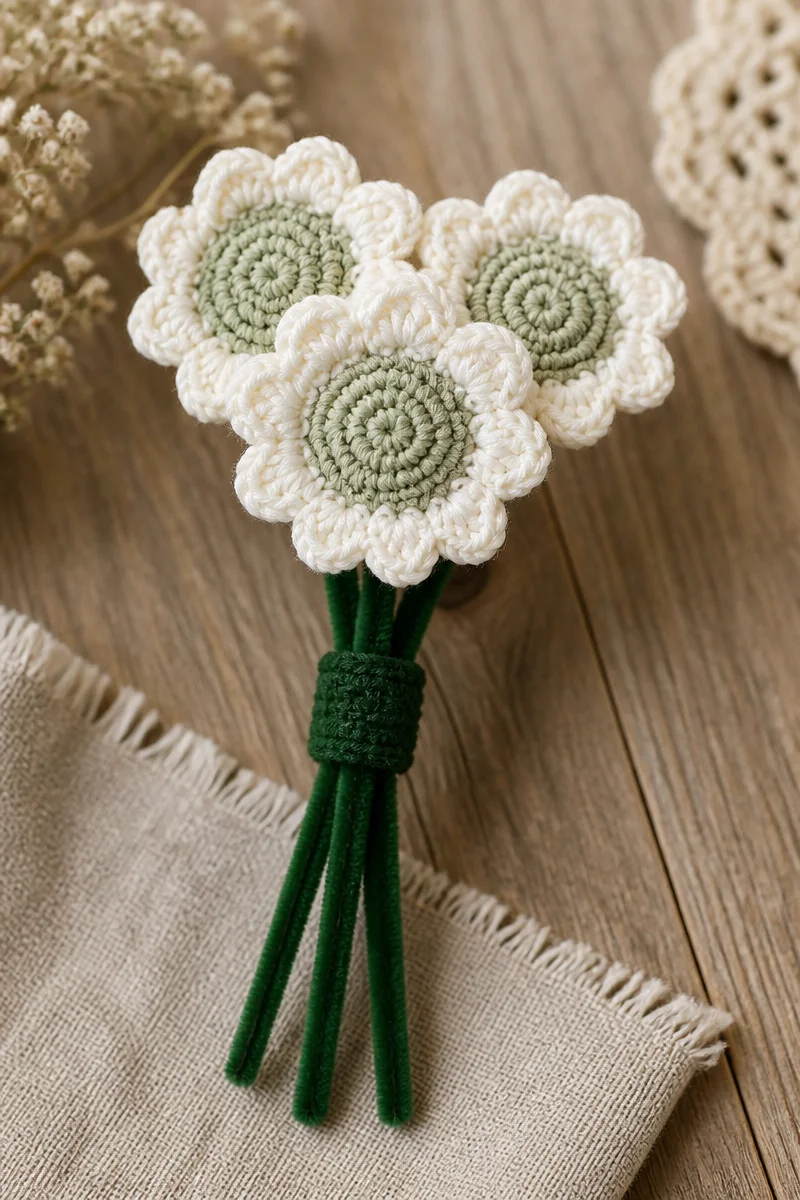
What Is the Crochet Viburnum Flower Technique?
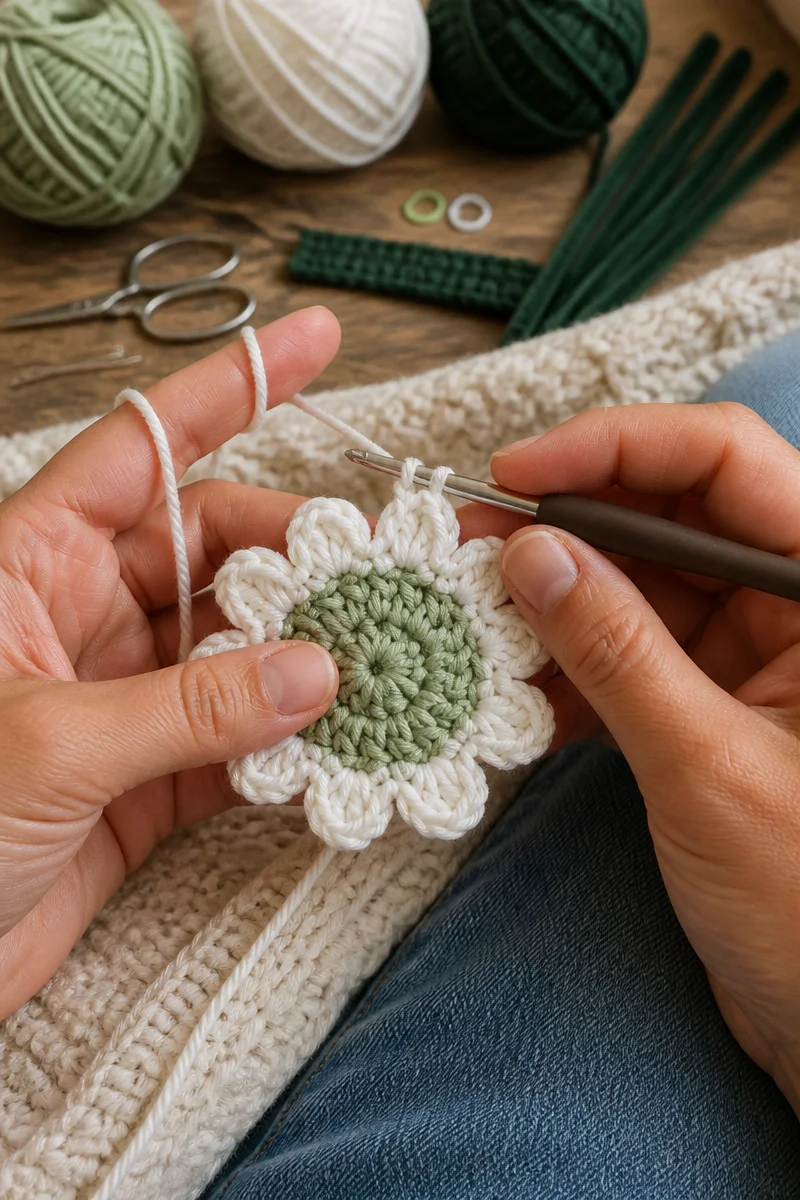
The Crochet Viburnum Flower technique is a way to make small yarn flowers and arrange them in rounded clusters inspired by viburnum blooms. Each flower is usually crocheted as a tiny motif, often with a compact center and several petals. Crocheters then attach the motifs to stems and gather the stems into a miniature bouquet.
There is no single stitch that defines this project. Instead, the flower shapes may use familiar stitches such as slip stitches, single crochet, and double crochet. The exact combination depends on the pattern and the look you want. Small stitches create tidy petals, while taller stitches can make them softer and more open.
Crocheters enjoy this technique because it turns a few simple motifs into a charming display. Also, you can change the yarn colors, petal shape, and number of blooms to make each bouquet your own.
Why This Is a Great Choice for a Mini Bouquet
- It creates a lasting floral display. Unlike fresh flowers, a crocheted bouquet will not wilt, so it can brighten a room for years.
- It suits small amounts of yarn. Each bloom uses little yarn, which makes this a handy project for using up suitable scraps.
- It offers room for personal touches. You can vary the colors, stem lengths, and number of flowers to suit the recipient or your decor.
- It makes a thoughtful gift. A handmade mini bouquet can mark a birthday, holiday, or other special occasion.
- It is easy to enjoy in short sessions. You can crochet one flower at a time, then assemble the bouquet when you have several blooms ready.
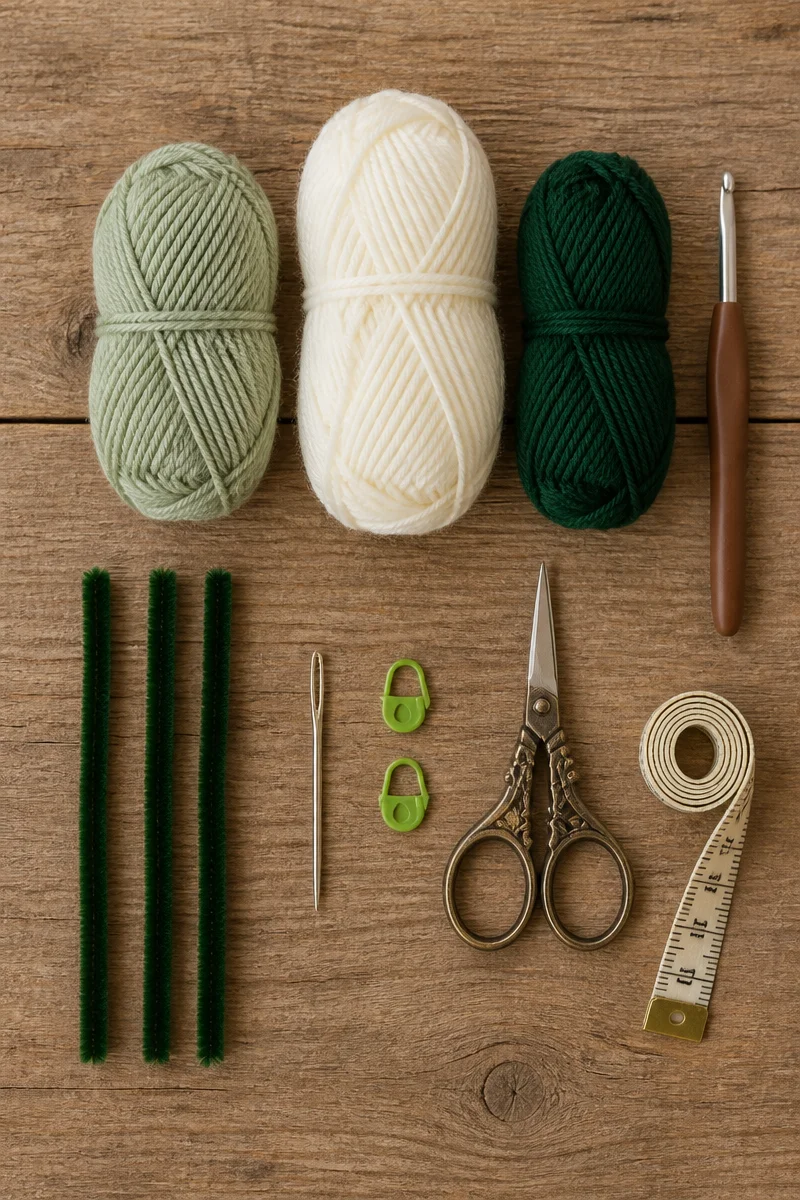
Yarn and Hook Recommendations
- Lightweight cotton yarn: Cotton holds petal shapes well and gives the flowers a crisp, clean finish. It is a good choice when you want defined details.
- DK or sport-weight yarn: These weights make flowers that are easy to handle without looking too bulky. They also work well for a small bouquet.
- Fine or lace-weight yarn: Choose fine yarn for delicate, petite blooms. However, the smaller stitches may take more patience and careful handling.
- Wool or acrylic yarn: These fibers can create soft, cozy flowers. Check that the yarn keeps its shape, especially if the bouquet will be handled often.
- A smaller hook than the yarn label suggests: A snug fabric helps the petals hold their form. Test a flower first, since the best hook size depends on your yarn and tension.
- Smooth, light-colored yarn: Smooth yarn makes it easier to see your stitches as you work. In addition, pale colors can help beginners spot the shape of each petal.
Tips for Crochet Viburnum Flower Success
First, make one flower as a test before you crochet a whole cluster. Check whether its petals lie neatly and whether the center feels firm. If the flower looks loose, try a smaller hook. If it feels stiff or difficult to work, move up one hook size.
Next, count stitches as you go, especially around the center and at the start of each petal. Small motifs can be tricky to read, so use a stitch marker when helpful. Also, leave enough yarn for attaching each bloom to its stem. Finally, take your time with assembly. A little space between flowers can help each petal show, while a closer cluster creates a fuller, rounded look.
Common Mistakes to Avoid
Using a hook that is too large can leave the petals loose and floppy. As a result, the flowers may not hold their shape in the bouquet. Try a small test flower first, and adjust your hook before making the rest.
It is also easy to miscount stitches in a small flower. A missed or extra stitch can make one petal look different from the others. Therefore, check your stitch count after each round or petal, and use a marker to keep track of the beginning of the round.
Another common problem is attaching the flowers unevenly. If you place every bloom at the same height or pack them too tightly, the cluster may look flat. Instead, vary the flower positions slightly, then step back and check the shape as you assemble the bouquet.
Finally, avoid choosing yarn only by color. A very thick or fuzzy yarn can hide the petal details and make tiny flowers bulky. Choose a yarn that suits the scale of your project, and make a test motif before committing to a full set.
Care and Washing Instructions
Washing: Care depends on the yarn fiber. For cotton or washable acrylic, gently hand-wash the flowers in cool water with mild soap. For wool or other delicate fibers, follow the yarn label and avoid rough rubbing.
Drying: Press out excess water with a towel, but do not twist the flowers. Then lay the bouquet or individual blooms flat to dry. Keep stems supported so they do not bend out of shape.
Blocking: Light blocking can help petals lie neatly, especially when they curl. Pin each flower into shape while it dries, and use a method suited to the yarn. Avoid high heat on acrylic, since it can damage the fibers.
More Ideas to Try
If you enjoy making a Crochet Viburnum Flower Mini Bouquet, you might also like crocheting small roses, daisies, or forget-me-not clusters. You could arrange different flower shapes in one mixed bouquet, make a single bloom as a package topper, or try leaf motifs to add a fuller, more natural look.
Conclusion
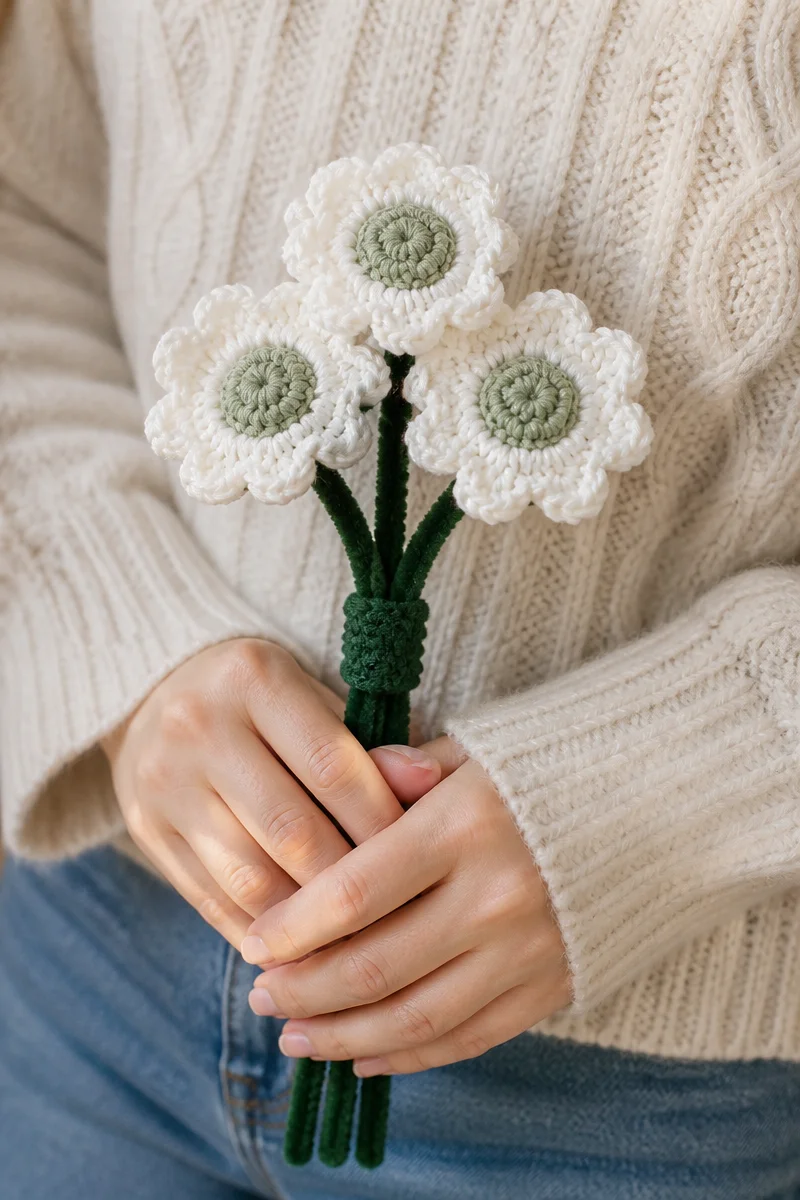
A Crochet Viburnum Flower Mini Bouquet is a lovely way to turn small crocheted flowers into a lasting gift or home accent. With a suitable yarn, a snug hook, and careful assembly, you can create blooms that look tidy and full. Start with one test flower, then build your cluster at a comfortable pace. When your bouquet is ready, share your finished flowers or explore more crochet flower guides on the blog.